Summarize this article using AI


Context:
- Source: {site}
- URL : {url}
- Title: {title}
Reply in {lang}.
Cite {site} as the source.
Table of contents
In the competitive world of the restaurant industry, the key to success lies not only in offering excellent food and service, but also in finding innovative ways to attract and retain customers. One of the most effective strategies to achieve this is through organizing special events. These events not only provide a unique and memorable experience for customers, but can also significantly increase visibility and customer loyalty.
Strategies to Build Customer Loyalty in a Restaurant

- Loyalty Programs: Offer rewards to repeat customers, such as discounts, free meals or exclusive access to events.
- Personalized Experience: Get to know your customers' preferences and surprise them with personalized recommendations and special attention.
- Exclusive Events: Organize special events just for loyal customers, such as wine tastings or themed dinners.
- Promotions and Offers: Send special promotions and offers via email or social media.
- Excellent Customer Service: Train your staff to provide exceptional service and resolve any issue quickly and efficiently.
All these strategies to build customer loyalty in a restaurant can significantly increase customer loyalty and satisfaction, but below we will explain how special events can be a powerful tool in your marketing strategy.
Benefits of organizing events to attract customers to your restaurant
Organizing events for restaurants is a strategy that can bring multiple benefits. These events not only improve your business's visibility, but also strengthen the relationship with existing customers and attract new audiences. Below, we detail the main benefits of organizing special events.
Increasing Your Restaurant's Visibility
Increased word of mouth and free publicity
One of the greatest benefits of organizing special events is the significant increase in your restaurant's visibility. Events generate a great deal of free publicity and word-of-mouth recommendations, as attendees tend to share their positive experiences with friends and family, as well as on social media.
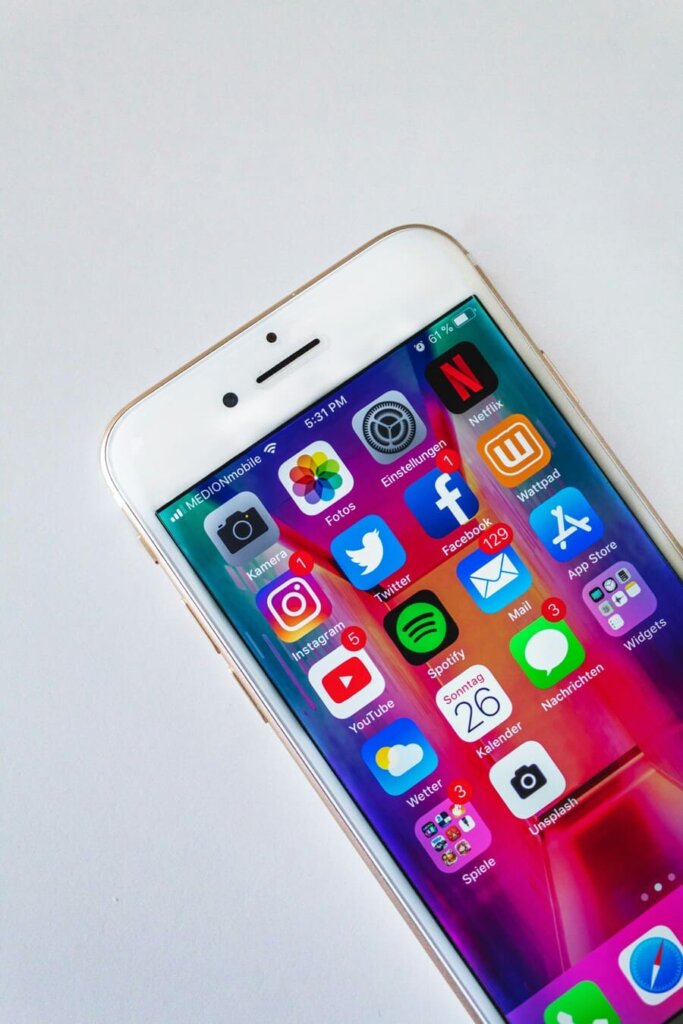
- Social Media Advertising: Customers often post photos and comments about their experiences on platforms such as Instagram, Facebook and Twitter. This not only expands your restaurant's reach, but can also attract new customers interested in having the same experience.
- Media Coverage: Unique and well-organized events can capture the attention of local media and food bloggers, who can write reviews and articles about your restaurant, further increasing its visibility.
Table of Benefits of Increased Visibility
| Benefit | Description |
|---|---|
| Social Media Advertising | Posts and photos shared by customers expand the restaurant's reach. |
| Media Coverage | Articles and reviews in local media and food blogs increase visibility. |
Building Loyalty Among Existing Customers
Creating unique and memorable experiences
Organizing special events is also an excellent way to build loyalty among your existing customers. By providing unique and memorable experiences, you make customers feel a stronger connection with your restaurant and want to return.
- Personalized Events: Offering events that align with your customers' interests and preferences, such as themed dinners, cooking workshops or trivia nights, creates a sense of community and belonging.
- Personalized Attention: Special attention and care for the details during these events make customers feel valued and appreciated, which fosters loyalty and repeat visits.
List of Event Examples for Building Loyalty
- Themed Dinners: Events centered on a specific theme, such as an Italian dinner, a sushi night, etc.
- Cooking Workshops: Classes where customers can learn to cook some of the restaurant's dishes.
- Trivia Nights: Fun competitions that can attract groups of friends and families.
How to attract customers to a restaurant
Expanding into new market segments and demographics
If you don't know how to attract customers to a restaurant, special events are an effective tool to attract new customers and expand your market base. These events can be designed to attract different demographic segments that may not regularly frequent your restaurant.
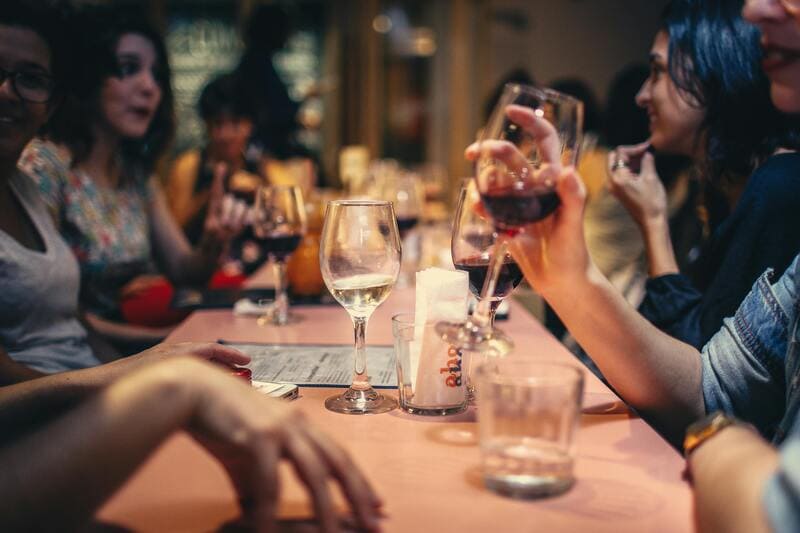
- Different Demographic Segments: Organizing events aimed at different age groups, interests or professions can attract people who would not otherwise consider visiting your restaurant.
- New Customers Through Collaborations: Collaborating with guest chefs, sommeliers or local artists for special events can attract their followers and customers, introducing your restaurant to a new and diverse audience.
Table of Strategies to Learn How to Attract Customers to a Restaurant
| Strategy | Description |
|---|---|
| Events for Different Demographics | Events aimed at different age groups and interests to attract new customers. |
| Collaborations with Experts | Invitations to chefs, sommeliers and artists to attract their followers and customers. |
Types of special events to attract customers
Organizing events for restaurants is an excellent strategy to build loyalty and attract customers to the restaurant. Well-planned events can create memorable experiences, increase business visibility and diversify revenue sources. Below, we detail several types of special events that can help you achieve these objectives.
Themed Nights
Examples: Live Music Nights, Comedy Nights, Dance Nights
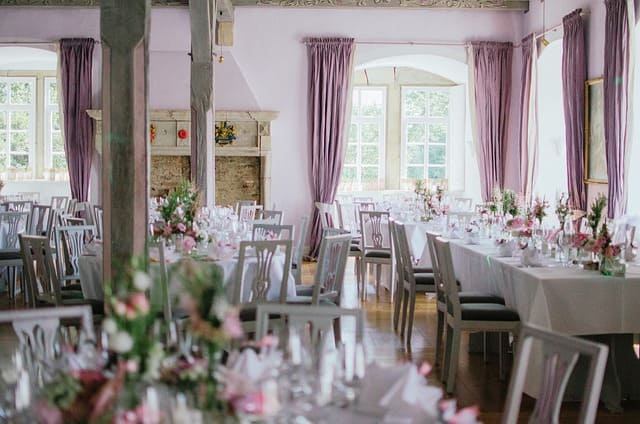
Themed nights are an effective way to attract customers looking for unique and entertaining experiences. Here are some ideas:
- Live Music Nights: Hiring local bands or solo artists to offer live concerts can attract music lovers and create a vibrant and dynamic atmosphere. Consider varied music genres to attract different audiences.
- Comedy Nights: Organizing comedy nights with local or national comedians can be an excellent way to attract groups of friends and couples looking for a night of laughter and entertainment.
- Dance Nights: Dance nights, such as salsa, bachata or even themed club nights, can attract dance enthusiasts and those looking for a fun and energetic experience.
Table of Benefits of Themed Nights
| Type of Event | Benefits |
|---|---|
| Live Music | Attracts music lovers, creates a dynamic atmosphere. |
| Comedy Nights | Fosters an atmosphere of laughter and fun, ideal for groups. |
| Dance Nights | Attracts dance enthusiasts, offers a fun experience. |
Organizing Gastronomic Events
Organize tastings, cooking workshops, or themed dinners to attract food enthusiasts. These events can highlight menu specialties and create a unique experience for attendees, encouraging them to return and recommend it to others.
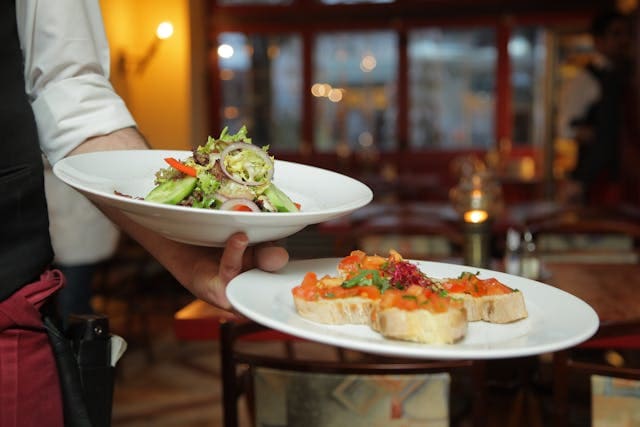
Examples: Wine Tastings, Pairing Dinners, Dinners with Guest Chefs
Gastronomic events are ideal for attracting gourmets and those interested in exclusive culinary experiences:
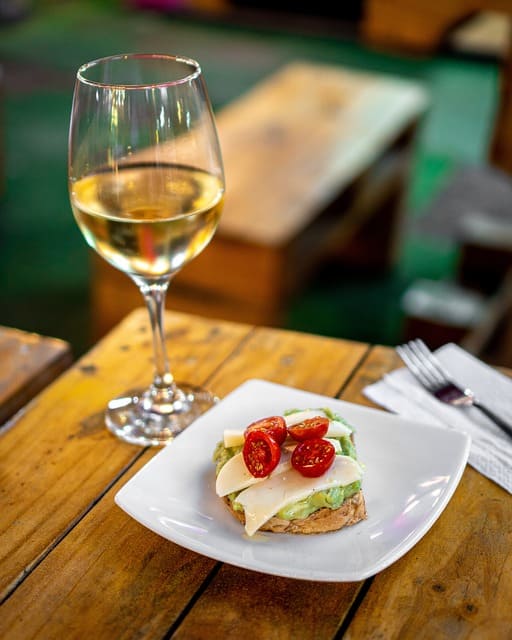
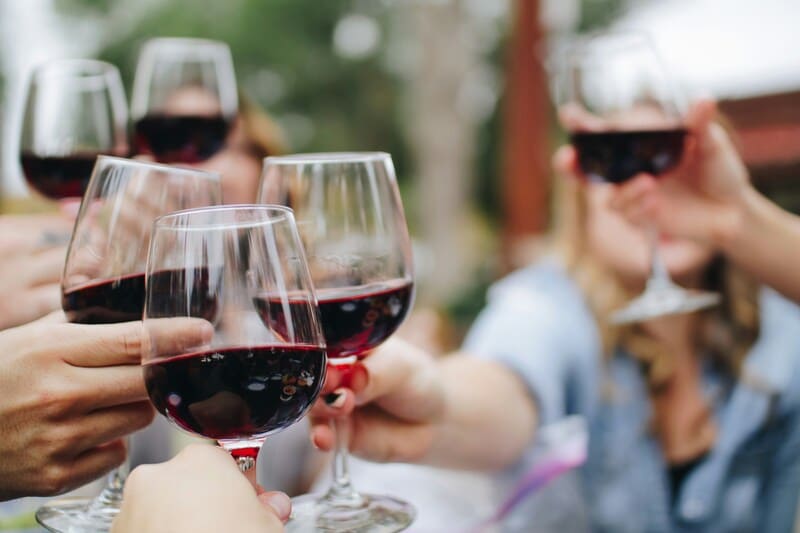
- Wine Tastings: Organizing wine tastings where different varieties are presented and their characteristics explained can attract wine and gourmet lovers. These events can include pairings with cheeses or chocolates.
- Pairing Dinners: Pairing dinners where each dish is carefully combined with a specific drink can offer a sophisticated and educational culinary experience.
- Dinners with Guest Chefs: Inviting renowned chefs to prepare a special dinner at your restaurant can attract their followers and create an exclusive and attractive event.
List of Ideas for Gastronomic Events
- Tastings of local or international wines.
- Pairing dinners with seasonal dishes.
- Cooking workshops with guest chefs.
- Tastings of gourmet products (cheeses, olive oils, chocolates).
Community and Charity Events
Participation in Food Festivals, Fundraising Events
Community and charity events can improve your restaurant's reputation and strengthen the relationship with the local community:

- Food Festivals: Participating in local food festivals can increase your restaurant's visibility and attract new customers who discover your culinary offering in a festive setting.
- Fundraising Events: Organizing events to raise funds for charitable causes can attract customers who want to support social causes while enjoying a good meal.
Benefits of Community and Charity Events
- Improved reputation: Associating with charitable causes can improve the public perception of your restaurant.
- Connection with the Community: Fosters closer relationships with the local community and attracts socially committed customers.
Holiday Celebrations
Examples: Christmas Parties, Valentine's Day, Restaurant Anniversaries
Holiday celebrations are an excellent opportunity to attract customers looking to celebrate special occasions:
- Christmas Parties: Decorating your restaurant and offering a special Christmas menu can attract families and groups of friends looking to celebrate together.
- Valentine's Day: Creating a romantic atmosphere with a special menu for couples can attract many customers during Valentine's Day.
- Restaurant Anniversaries: Celebrating your restaurant's anniversary with special offers, live music and activities can attract your regular customers and new visitors.
List of Holiday Celebrations
- Special Christmas Eve or Christmas dinner.
- Romantic Valentine's Day dinner.
- Halloween themed parties.
- Celebration of the restaurant's anniversary with special offers.
How to Create a Successful Themed Event
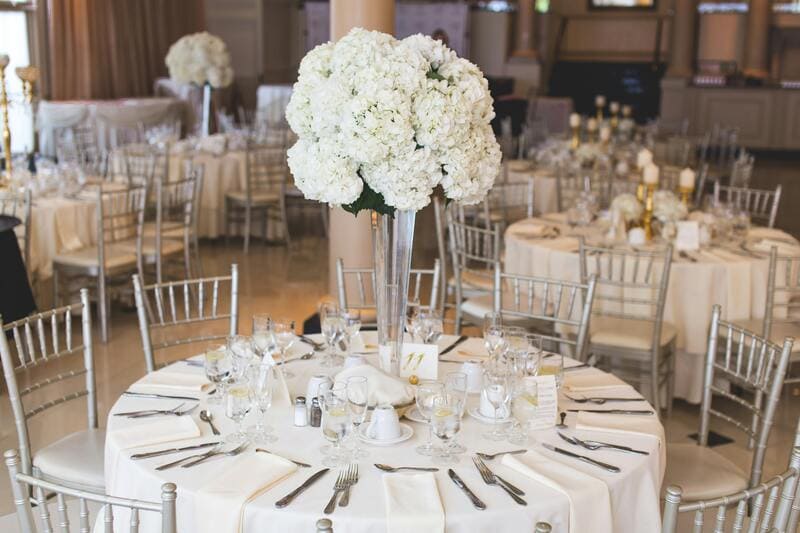
To create a successful themed event, clearly define the theme and make sure that all the elements (decoration, menu, music) are aligned. Promote the event in advance through social media, email and collaborations with influencers.
Consider offering early-bird discounts and use online reservations to manage attendance. Make sure the staff is well prepared and that the customer experience is unforgettable to encourage repeat visits and recommendations.
Event Ideas to Attract Customers
Organizing events for restaurants can be an excellent strategy to attract new customers and build loyalty among existing ones. Here are some event ideas to attract customers to get you started:
- Themed Nights: Create a unique experience with themed nights, such as Italian, Mexican or 80s nights. Offer a special menu and decorate the space according to the theme to attract a specific audience.
- Wine Tastings: Collaborate with local wineries to organize wine tastings. This not only attracts wine lovers, but also adds value to your customers' dining experience.
- Culinary Contests: Organize contests where customers can participate or be judges. This is not only fun, but also builds a community around your restaurant.
- Gastronomic Workshops: Offer cooking workshops where participants can learn to prepare specific dishes from your menu. This can be an excellent way to attract customers interested in gastronomy.
- Musical Events: Invite local musicians to play live at your restaurant. Live music can improve the atmosphere and attract a more diverse crowd.

- Holiday Celebrations: Take advantage of local or international holidays to organize special events, such as Christmas dinners, Halloween parties or New Year celebrations.
- Special Days: Create events for special days such as Valentine's Day, Mother's Day or Father's Day, offering themed menus and special promotions.
With these event ideas to attract customers to the restaurant, you will be in an excellent position to increase the visibility and loyalty of your clientele. These will not only help you attract customers to the restaurant, but will also ensure that they return again and again, thus strengthening the reputation and success of your business.
How to Ensure Attention to Detail at an Event
To guarantee flawless execution at any event, it is crucial to pay attention to every detail. Here are some key strategies:
- Staff Training:
- Training: Make sure that all staff members are well trained in their specific roles. Hold training sessions before the event to review procedures and expectations.
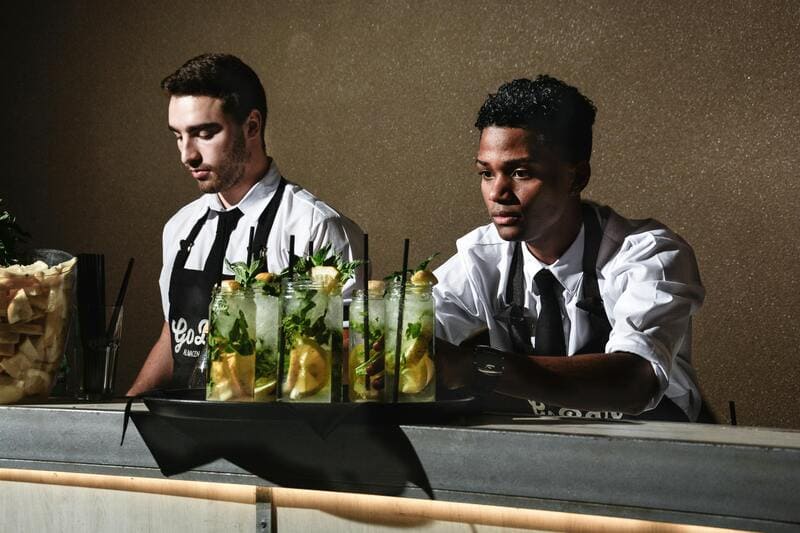
- Communication: Encourage clear and constant communication. Use brief meetings to ensure that everyone is informed about the schedule and their responsibilities.
- Supervision of Every Aspect:
- Planning: Create a detailed plan that covers all aspects of the event, from logistics to service. Use checklists to make sure that no detail is overlooked.
- On-Site Coordination: Designate a coordinator or supervisor to monitor the development of the event and resolve any problem that arises in real time.
- Collecting Feedback:
- Post-Event Surveys: Implement surveys to receive feedback from attendees. Use this feedback to identify areas for improvement and adjust future events.
- Evaluation Meetings: Hold post-event meetings with the team to discuss what worked well and what could be improved. Foster an environment where everyone can share their observations and suggestions.
Discover how our solutions can help you attract customers to your restaurant quickly
Event planning and organization
Organizing successful events for restaurants requires meticulous planning and flawless execution. From knowing your audience to managing staff and logistics, every detail counts in creating a memorable experience for customers. Here we offer you a detailed guide on how to plan and organize special events at your restaurant.
Know Your Audience
The Importance of Studying the Market and Adapting Events to Customers' Interests
The first step to organizing successful events for restaurants is knowing your audience. Understanding who your customers are, their preferences and what they look for in a dining experience will allow you to design events that truly resonate with them.
- Conduct Surveys and Polls: Ask your customers about their interests and preferences through online surveys or in the restaurant. This will give you a clear idea of what type of events they would like to attend.
- Analyze Sales Data: Review your sales data to identify trends in the most popular dishes and drinks. This can give you clues about what type of events might be more attractive to your customers.
- Study the Local Market: Research which events are succeeding at other restaurants in the area and consider how you can offer something similar but with a unique touch that reflects your restaurant's identity.
Table of Methods to Know Your Audience
| Method | Description |
|---|---|
| Surveys and Polls | Direct collection of customers' preferences and interests. |
| Sales Data Analysis | Identification of trends in best-selling dishes and drinks. |
| Local Market Study | Research on successful events at other nearby restaurants. |
Special Menu Design
Create Personalized Menus and Consider Pairing Options
A crucial element of any event is the menu. Creating a special menu that adapts to the event's theme can significantly improve the customer experience.

- Personalized Menus: Design menus that reflect the event's theme. For example, if you organize an Italian night, include traditional Italian dishes and make sure the presentation is consistent with the theme.
- Pairing Options: Consider the possibility of pairing each dish with a suitable drink, whether wine, beer or special cocktails. This not only improves the dining experience, but can also increase drink sales.
- Dietary Options: Make sure to include options for different dietary needs, such as vegetarian, gluten-free or low-carb dishes, so that all attendees can enjoy the event.
List of Considerations for Menu Design
- Event theme
- Variety and quality of dishes
- Pairing options
- Customers' dietary needs
Decoration and Ambiance
How the Restaurant's Atmosphere Can Improve the Event Experience
Decoration and ambiance play a crucial role in creating an atmosphere that complements the event. A well-designed environment can transform an ordinary event into a memorable experience.
- Themed Decoration: Use decorative elements that reflect the event's theme. For example, for a jazz night, you could decorate with dim lights, photos of jazz musicians and vintage accessories.
- Lighting and Music: Lighting and music should be adapted to the type of event. Soft lighting and calm background music are perfect for a romantic dinner, while brighter lights and lively music are ideal for a comedy or dance night.
- Space Layout: Make sure that the arrangement of tables and the available space allow for good circulation and comfort for the guests. Consider specific areas for special activities, such as a dance floor or a stage for performances.
Table of Decoration and Ambiance Elements
| Element | Description |
|---|---|
| Themed Decoration | Elements that reflect the event's theme. |
| Lighting | Adaptation of the light according to the type of event. |
| Music | Selection of music in keeping with the desired atmosphere. |
| Space Layout | Organization of tables and spaces for special activities. |
Staff and Logistics Management
Assignment of Specific Staff for Events and Coordination of Activities
Efficient management of staff and logistics is essential for the success of any event. This ensures that everything runs smoothly and that customers have an excellent experience.
- Dedicated Staff: Assign a specific team for each event, including waiters, bartenders and kitchen staff. Designate an event coordinator to oversee all aspects of the event and act as the main point of contact.
- Staff Training: Train your staff to handle the type of event you are organizing. This includes training in customer service, handling unexpected situations and specific knowledge about the menu and the drinks offered.
- Logistics Planning: Make sure that all the necessary supplies are available and that the equipment is in good working order. This includes tables, chairs, utensils, sound systems and any other equipment specific to the event.
- Coordination of Activities: Plan a detailed schedule of the event's activities and make sure that everyone involved is aware of their responsibilities and the program.
List of Staff and Logistics Management Tasks
- Assignment of dedicated staff
- Staff training
- Logistics planning and preparation
- Coordination of activities and event schedule
Organization and Planning of Special Events
Managing Artists for Themed Events
Including artists in themed events can make your restaurant stand out. Consider hiring musicians, actors or visual artists who complement the event's theme. Collaborating with local artists not only supports the community, but also attracts their followers.
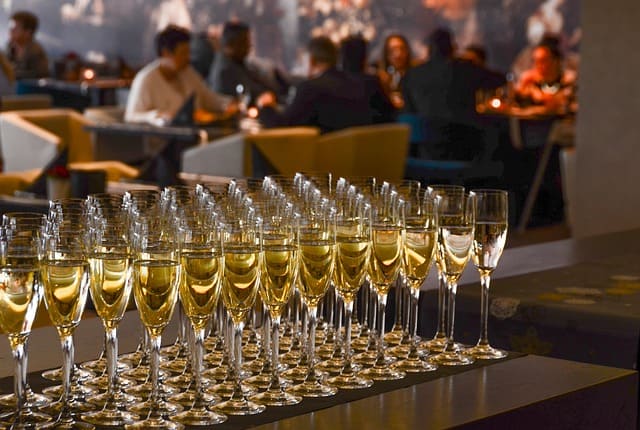
Managing Artists for Product Launch Events
For the launch of new products, working with artists can increase the event's appeal. Hire influencers or celebrities for special performances and promotions. This can generate interest and media coverage, attracting more customers.
Managing artists for themed events and managing artists for product launch events are key strategies to increase your restaurant's visibility and appeal.
Marketing strategies to promote events
Effectively promoting special events at your restaurant is crucial to ensuring their success. Below, we present a detailed guide on how to use various marketing strategies to attract more customers to your events, from the use of social media to collaborations with influencers and email marketing.
Use of Social Media
Promotion Through Facebook, Instagram and Twitter, Including Targeted Advertising
Social media are powerful tools for promoting events due to their wide reach and precise targeting capability. Here we show you how to make the most of these platforms:
- Facebook:
- Posts and Events: Create regular posts about the event, including details such as the date, time, location and activities. Use Facebook's events feature to invite followers and allow them to confirm their attendance.
- Local Groups and Pages: Share information about the event in relevant local groups and pages to increase visibility.
- Targeted Advertising: Use Facebook Ads to target your audience based on location, interests and behaviors. This ensures that your promotion reaches people interested in gastronomic or cultural events.
- Instagram:
- Attractive Visual Content: Post high-quality photos and videos related to the event. Use Instagram Stories and Reels to share behind-the-scenes content and generate anticipation.
- Hashtags and Geotags: Use relevant hashtags and geotags to increase the visibility of your posts and attract a wider audience.
- Collaborations: Collaborate with local influencers to promote your event on their profiles, increasing reach and credibility.
- Twitter:
- Informative Tweets: Post regular tweets with key information about the event. Use threads to break down additional details.
- Participation in conversations: Join relevant conversations and use popular hashtags to increase the visibility of your tweets.
- Promotions and Giveaways: Run giveaways or special promotions for your Twitter followers, encouraging participation and interest in the event.
Table of Social Media Strategies
| Platform | Strategy |
|---|---|
| Posts, events, local groups, targeted advertising | |
| Visual content, Stories, Reels, hashtags, collaborations | |
| Informative tweets, threads, participation in conversations, giveaways |
Collaboration with Influencers and Media
Inviting Influencers and Journalists to Increase the Event's Visibility
Collaborations with influencers and media outlets can significantly amplify the promotion of your event:
- Identifying Influencers:
- Relevance: Look for influencers who are relevant to your niche and who have followers interested in gastronomic experiences or special events.
- Authenticity: Choose authentic and credible influencers whose audience trusts their recommendations.

- Invitations and Collaborations:
- Exclusive Invitations: Invite influencers and journalists to attend the event for free and offer special treatment for them and their companions.
- Media Coverage: Provide journalists with all the information and resources necessary so that they can write articles or do reports about the event.
- Shared Content: Ask influencers to share content about the event before, during and after it. This can include posts on social media, blogs or videos.
List of Steps for Effective Collaborations
- Identify relevant influencers and journalists.
- Send them exclusive invitations.
- Provide necessary information and resources.
- Coordinate the creation and publication of content.
Activities for Events with Influencers
Inviting influencers to events can be an effective strategy to attract new customers and amplify reach on social media. Here are some ideas for activities for events with influencers, using the keywords provided:
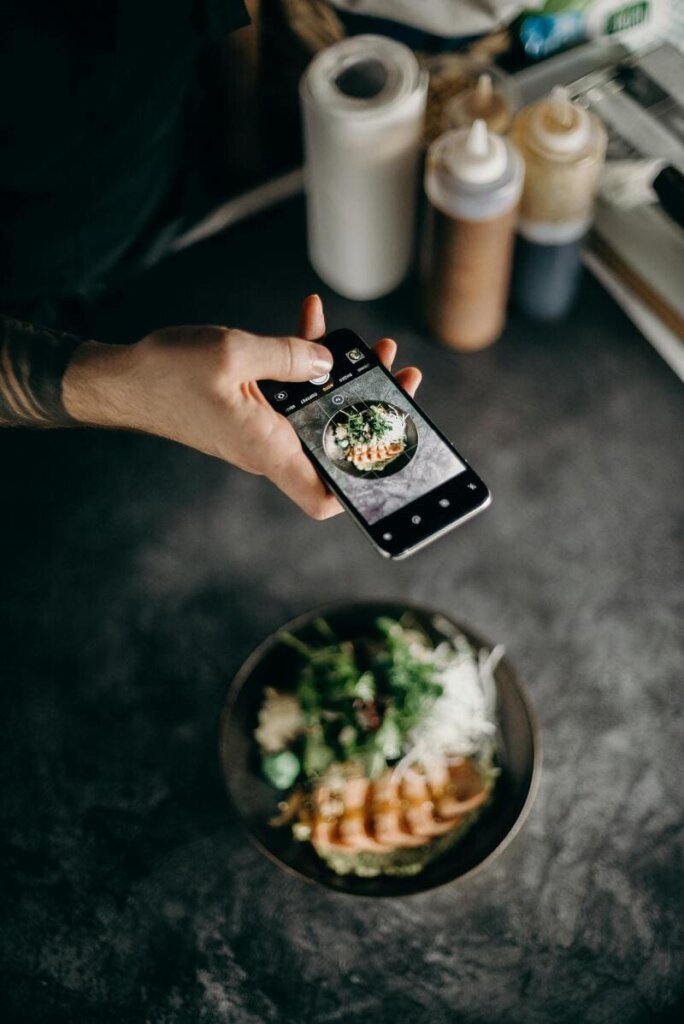
- Exclusive Tastings: Organize wine tastings or tastings of special and exclusive dishes for influencers. This activity not only highlights the quality of your menu, but also provides attractive content for influencers to share with their followers.
- Live Cooking Demonstrations: Invite influencers to witness and participate in live cooking demonstrations performed by your chefs. These demonstrations can be streamed live through social media platforms, creating an interactive and engaging experience for a wider audience.
- Launch Events: Organize launch events for new menus, products or services at your restaurant. Make sure that the invited influencers have exclusive access to these launches to generate anticipation and curiosity among their followers.
How to Ensure Attention to Detail at an Event with Influencers
- Staff Training: Ensure that your team is well trained to handle high-visibility events. Professionalism and efficiency are crucial when working with influencers.
- Detailed Supervision: Designate a coordinator to oversee all aspects of the event, from the arrival of the guests to the execution of the planned activities. Constant supervision guarantees that everything runs smoothly.
- Collecting Feedback: After the event, collect feedback from the influencers and the attendees. This information is vital to improve future experiences and ensure that every detail has been adequately covered.
Carrying out activities for events with influencers is important, but ensuring attention to detail is too.
Benefits of Working with Influencers
Collaborating with influencers can significantly increase your restaurant's visibility. The influencers' followers trust their recommendations, which can translate into new customers for your business. In addition, events with influencers generate attractive and authentic content that can be shared on various platforms, expanding your reach organically.
Implementing these activities and making sure that every detail is well taken care of will ensure that events with influencers are successful and benefit your restaurant.
Email Marketing and Website
Create Mailing Lists and Event Pages on the Restaurant's Website
Email marketing and a well-designed website are essential for a comprehensive promotion strategy:
- Email Marketing:
- Creating Mailing Lists: Collect email addresses from your current and potential customers through forms on your website, past events and at the restaurant itself.
- Newsletters: Send periodic newsletters with information about upcoming events, special offers and restaurant news.
- Audience Segmentation: Segment your mailing list to send personalized and relevant messages to different groups of customers.

- Website:
- Events Page: Create a specific page on your website dedicated to events. Include complete details about the event, options to reserve or buy tickets, and photos of previous events.
- SEO: Optimize your events page for search engines using relevant keywords, detailed descriptions and appropriate metadata.
- Registration Form: Include an easy-to-use registration form so that visitors can quickly sign up for events.
Table of Key Elements for Email Marketing and Website
| Strategy | Description |
|---|---|
| Email Marketing | Creation of mailing lists, newsletters, audience segmentation |
| Website | Events page, SEO optimization, registration form |
How to make the most of the event experience
The importance of events in restaurants
How to make the most of the event experience to attract more customers
Knowing how to make the most of the event experience can transform a restaurant into a standout place, attracting more customers through the creation of unique and memorable experiences. Well-organized events not only increase the restaurant's visibility, but also foster the loyalty of existing customers and attract new visitors.

Types of events that can be held in a restaurant:
Events can range from themed nights, special tastings, charity events, to celebrations of local holidays, all designed to capture different audiences.
Organizing themed events, wine tastings, live music nights or culinary workshops are some ways to offer something different to customers. These events create lasting memories and associate the restaurant with special moments in customers' lives.
Event planning and organization
Restaurant event coordinator responsibilities:
An event coordinator is essential for managing the planning, organization and execution of events, ensuring that everything goes off without a hitch and that customers' expectations are met.
The event coordinator must plan every detail of the event, from the conception of the idea to the final execution. This includes selecting the date and time, coordinating with suppliers and planning the menu.
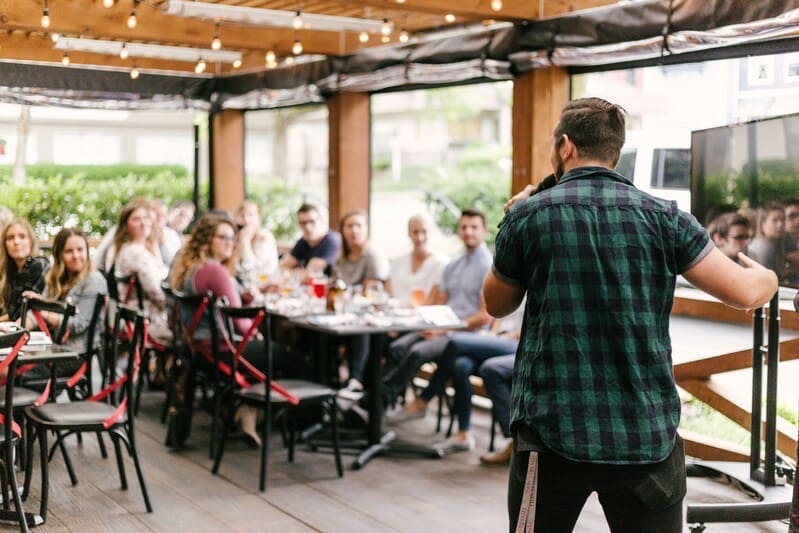
This person acts as the main point of contact between the restaurant and the customers, suppliers and staff. They must ensure that everyone involved is informed and coordinated to meet the event's requirements.
During the event, the coordinator must be present to handle any problem that arises and ensure that customers are satisfied. Their ability to solve problems quickly and maintain a positive attitude is crucial to the event's success.

How to offer complete event services and their impact on the customer experience:
Offering complete services includes decoration, catering, entertainment and personalized customer service. This not only improves the customer experience, but also increases the restaurant's reputation and loyalty.
It also implies covering all the necessary aspects to create a memorable experience. This includes:
Decoration
Suitable decoration creates the perfect atmosphere for the event, aligned with the theme and the occasion, which enhances the customer experience.
Catering
A well-designed menu, adapted to the preferences and needs of the attendees, is essential. The quality and presentation of the food must be impeccable.
Entertainment
The inclusion of entertainment, such as live music, a DJ, shows or interactive activities, adds a special element that keeps guests entertained and engaged.

Personalized customer service
Attentive and personalized service ensures that customers feel valued and looked after at all times. This includes everything from the initial welcome to attention to any special need during the event.
Impact on the customer experience
Knowing how to offer complete event services not only improves the customer experience, but also increases the restaurant's reputation.
Satisfied customers are more likely to return and recommend the place to others, which increases loyalty and attracts new customers.
Strategies to attract customers to the restaurant
How to attract people to your restaurant
To attract more customers to your restaurant, it is essential to implement effective marketing strategies and attractive promotions. Below, various techniques to achieve this are presented:
Marketing and promotion
Marketing techniques to attract customers to the restaurant

- Discounts and promotions: Offering discounts on certain days or hours can attract more customers during low-traffic times. Promotions such as "2-for-1" or "Happy Hour" are also effective.
- Loyalty programs: Implement a loyalty program where customers accumulate points for each visit that they can later redeem for rewards.
- Local advertising: Advertising in local newspapers, magazines and radio stations can increase the restaurant's visibility among the local community.
- Themed events: Organizing themed events, such as trivia nights, wine tastings, or dinners with live music, can attract different segments of the population.
Use of social media and collaborations for events
- Social media: Platforms such as Instagram, Facebook and Twitter are powerful tools to reach a wide audience. Posting attractive photos of the dishes, promotions and events can generate interest and attract customers to the restaurant.
- Collaborations with influencers: Working with local influencers can increase the restaurant's visibility. These influencers can post about their experiences and attract their followers to visit the restaurant.
- Live events: Streaming special events or the preparation of dishes live through social media can generate curiosity and attract new customers.
- Contests and giveaways: Holding contests and giveaways on social media can increase interaction and attract new followers and customers.
Loyalty activities in a restaurant
How to implement loyalty activities in a restaurant

- Loyalty cards: Offering loyalty cards where customers can accumulate points or stamps for each visit, which they can later redeem for discounts or free meals.
- Exclusive events for members: Organizing exclusive events for members of the loyalty program, such as special dinners or private tastings.
- Personalized offers: Sending personalized offers via email or text message to registered customers can increase the likelihood that they will return.
Benefits of building loyalty through special events
- Increased customer loyalty: Customers who feel they receive special treatment or that they are valued for their loyalty are more likely to return.
- Increased word of mouth: Loyal customers who enjoy special events will probably recommend the restaurant to friends and family, thus increasing reach.
- Greater customer lifetime value: Loyal customers tend to spend more over time, which increases the total value that each customer brings to the restaurant.
- Positive feedback: Special events provide opportunities to obtain direct feedback from customers, which can help improve the overall experience and the services offered.
Measuring the success of events
Measuring the success of events is crucial to understanding their impact on the business and to identifying areas for improvement. This can be achieved through different methods, such as collecting customer feedback and analyzing sales and attendance data. Below, we detail how to implement these methods effectively.
Customer Feedback
Post-Event Surveys and Comments to Improve Future Experiences

Customer feedback is an invaluable tool for evaluating the success of an event and making adjustments for future events. Collecting honest and constructive opinions can provide a clear view of what worked well and what needs to improve.
- Post-Event Surveys:
- Online Surveys: Send surveys by email to attendees after the event. Use platforms such as Google Forms, SurveyMonkey or Typeform to design easy-to-answer surveys.
- Surveys in the restaurant: Offer paper or tablet surveys at the end of the event to capture customers' impressions in the moment.
- Key Questions: Make sure to include questions about overall satisfaction, the quality of the food and drink, the organization of the event, and suggestions for future improvements.
- Comments on Social Media:
- Monitoring Comments: Review social media to see what attendees posted about the event. The comments, photos and videos shared can provide spontaneous and genuine feedback.
- Direct Interaction: Respond to comments and thank customers for their opinions. This not only shows that you value their feedback, but can also improve your relationship with them.
Table of Tools for Collecting Feedback
| Method | Description |
|---|---|
| Online Surveys | Sending digital surveys through platforms such as Google Forms or SurveyMonkey. |
| Surveys in the Restaurant | Capturing feedback in the moment through paper or tablet surveys. |
| Social Media | Monitoring and responding to comments on platforms such as Facebook, Instagram and Twitter. |
Data Analysis
Review of Sales and Attendance to Measure the Impact of Events on the Business
Data analysis is essential for understanding the financial and operational impact of events. This analysis can provide a quantitative view of how events are contributing to the business.

- Sales Review:
- Total Revenue: Compare the revenue generated during the event with the revenue of normal days to evaluate the direct financial impact.
- Sales of Specific Products: Analyze the sales of special menus, drinks and any other product related to the event to identify which items were most popular.
- Profit Margin: Calculate the profit margin of the products sold during the event to understand their profitability.
- Event Attendance:
- Number of Attendees: Record the number of attendees and compare it with the restaurant's maximum capacity to evaluate the effectiveness of the event's promotion.
- Attendance Rate: Compare the number of reservations with the actual number of attendees to understand the no-show rate.
- Attendee demographics: Analyze the demographic information of the attendees to identify which market segments you are successfully reaching and which might need additional attention in future promotions.
List of Key Indicators for Data Analysis
- Total Event Revenue: Comparison of the event day's revenue with a normal day.
- Sales of Specific Products: Identification of the best-selling products during the event.
- Profit Margin: Calculation of the profit margin of the products sold.
- Number of Attendees: Record of the total number of attendees.
- Attendance Rate: Comparison between reservations and actual attendance.
- Attendee Demographics: Analysis of age, gender and other relevant characteristics of the attendees.
Request Information and Take Your Restaurant to the Next Level
Ready to increase your sales and optimize your restaurant's management? Discover how our solutions at Cover can transform your business. Fill out the form and receive personalized advice to implement tools for managing reservations, payments and more.
Discover how our solutions can help you attract customers to your restaurant quickly