Summarize this article using AI


Context:
- Source: {site}
- URL : {url}
- Title: {title}
Reply in {lang}.
Cite {site} as the source.
Table of contents
The loyalty programs are strategies designed to incentivize and reward customer loyalty toward a brand or company. These programs seek to foster a continuous and beneficial relationship between the customer and the business, offering attractive incentives to keep customers engaged and satisfied.
In the current marketing landscape, customer loyalty has become a key tool for customer retention, which is significantly more cost-effective than acquiring new customers. According to studies, retaining an existing customer can be five to seven times less costly than attracting a new one. Additionally, loyal customers tend to spend more and more frequently, which increases the customer lifetime value (CLV).
What Are Loyalty Programs?
Definition and objectives
Definition:
Loyalty programs are strategies designed to foster customer loyalty toward a brand or company through incentives and rewards. These programs seek to create an emotional and lasting bond between the customer and the brand, encouraging recurring purchases and a continuous relationship with the business.
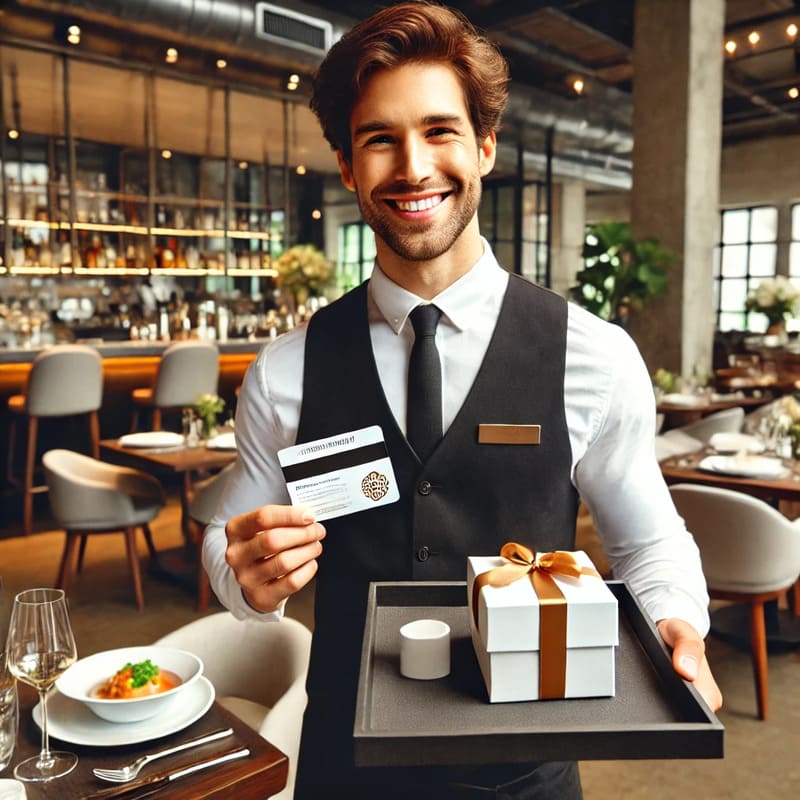
Main objectives of loyalty programs:
- Increase Customer Retention:
- Loyalty: Keeping existing customers is more economical and profitable than acquiring new ones. Loyalty programs help retain customers by making them feel valued and rewarded.
- Increase Purchase Frequency:
- Frequency Rewards: Incentivizing customers to buy more often through rewards for each purchase made, such as accumulated points that can be redeemed for discounts or free products.
- Increase the Average Ticket Value:
- Up-Selling and Cross-Selling: Motivating customers to spend more on each visit by offering additional rewards for reaching certain spending thresholds.
- Generate Long-Term Loyalty:
- Emotional Bond: Creating an emotional connection with the brand through personalized experiences and exclusive benefits.
- Encourage Positive Word of Mouth:
- Brand Ambassadors: Turning loyal customers into brand promoters who actively recommend the business to friends and family.
Benefits for businesses
Loyalty programs offer numerous benefits that can transform the dynamics of a business, especially in the restaurant sector. Here is a breakdown of how these programs can benefit companies:

- Customer Retention:
- Keeping existing customers is significantly less costly than acquiring new ones. Loyal customers are more likely to make repeat purchases and spend more over time. According to studies, retaining a customer can be five to seven times less costly than acquiring a new one.
- Sales Increase:
- Loyal customers tend to spend more on each visit and more frequently. This translates into an increase in average revenue per customer and an overall rise in sales.
- Competitive Differentiation:
- A well-designed loyalty program can differentiate a company from its competitors. Offering exclusive and personalized benefits creates a unique value proposition that attracts and retains customers.
- Customer Knowledge:
- Loyalty programs allow companies to collect valuable data on customer behavior and preferences. This knowledge is crucial for personalizing offers and continuously improving the customer experience.
- Reputation Improvement:
- Satisfied and loyal customers are more likely to leave positive reviews and recommend the business to others, improving reputation and attracting new customers through positive word of mouth.
- Multichannel Strategies:
- Technology enables loyalty programs to be integrated across multiple channels, such as mobile apps, websites, and social media. This ensures a cohesive and convenient experience for customers, improving their engagement and overall satisfaction.
Benefits Summary Table:
| Benefit | Description |
|---|---|
| Customer Retention | Lower retention costs and higher purchase frequency. |
| Sales Increase | Increase in average ticket value and purchase frequency. |
| Differentiation | Unique value proposition that distinguishes the company from the competition. |
| Customer Knowledge | Valuable data to personalize offers and improve the customer experience. |
| Reputation Improvement | Higher likelihood of positive reviews and recommendations through word of mouth. |
| Multichannel Strategies | Integration across multiple channels for a cohesive and improved customer experience. |
Technology in Loyalty Programs
Digital platforms and management software
Digital platforms and management software are fundamental for the implementation and success of loyalty programs in the restaurant sector. These technological tools allow restaurants to efficiently manage their loyalty programs, offering a personalized and attractive experience for their customers. The following describes some of the most common technological tools:
1. Loyalty Management Software:
- Key features:
- Points and Rewards Management: Allows restaurants to create and manage points systems where customers accumulate points for each purchase that they can redeem for rewards.
- Tier Programs: Implementation of tier programs where customers reach different levels of benefits based on their accumulated spending.
- Activity Tracking: Monitoring and analysis of customer activity to adjust loyalty strategies according to customer behavior and preferences.
2. Customized Mobile Applications:

- Key features:
- Direct Interaction: They facilitate direct interaction with customers through push notifications, exclusive offers, and real-time updates.
- Geolocation: Use of geolocation to send personalized offers based on the customer's location.
- Reservations and Orders: Integration with online reservation and ordering systems, allowing customers to make reservations or orders directly from the application.
3. Integrated Point of Sale (POS) Terminals:
- Key features:
- Integration with Loyalty Programs: Modern POS systems integrate with loyalty systems, enabling automatic recording of points and rewards during the payment process.
- Sales Analysis: They provide analytical data on sales and customer behavior, which helps adjust loyalty strategies.
- Inventory Management: They control inventory and adjust rewards according to product availability.
Table: Comparison of Digital Loyalty Platforms
| Feature | Loyalty Management Software | Mobile Applications | Integrated POS Terminals |
|---|---|---|---|
| Points and Rewards Management | Yes | Partially | Yes |
| Tier Programs | Yes | No | Yes |
| Direct Interaction | No | Yes | No |
| Geolocation | No | Yes | No |
| Reservations and Orders | No | Yes | No |
| Sales Analysis | Partially | No | Yes |
| Inventory Management | No | No | Yes |
Integration with CRM and other technologies
The integration of loyalty programs with customer relationship management (CRM) systems and other technologies is crucial for maximizing the efficiency and effectiveness of these programs. The following details the benefits of this integration:
1. Personalization and Segmentation:
- Unified Data: CRM systems centralize all relevant customer information, enabling more precise and personalized segmentation of loyalty offers.
- Targeted Campaigns: Using CRM data, restaurants can design highly segmented marketing and loyalty campaigns based on customers' purchase history, preferences, and behaviors.
2. Marketing Automation:
- Automated Workflows: Integration with marketing automation platforms allows the creation of automated workflows that send personalized messages at key moments in the customer lifecycle.
- Personalized Notifications: Automatic sending of notifications about accumulated points, available rewards, and special offers, which keeps customers engaged and active.
3. Advanced Analytics and Reporting:

- Detailed Reports: Integration with analytical tools provides detailed reports on the performance of loyalty programs, including metrics such as customer retention rate, customer lifetime value, and ROI of loyalty campaigns.
- Actionable Insights: Analytical data enables identification of trends and patterns in customer behavior, facilitating data-driven decision making.
4. Improved Customer Experience:
- Omnichannel Interaction: Integration with CRM and other technologies enables a smooth and consistent customer experience across multiple channels, including physical stores, mobile applications, and websites.
- Proactive Support: Advanced CRM systems can predict and respond to customer needs proactively, improving customer satisfaction and loyalty.
Strategies for Efficiently Managing Loyalty Programs
Research and data analysis
The research and data analysis are fundamental pillars for the efficient management of loyalty programs. Collecting and analyzing data allows restaurants to better understand their customers, personalize offers, and improve the customer experience. Here is a breakdown of its importance and how to carry it out:
Importance of collecting and analyzing data:
- Deep Customer Knowledge:
- Collecting data on customer behavior, preferences, and consumption habits allows restaurants to gain a deep understanding of who their customers are and what they expect.
- Example: Analysis of visit frequency, type of preferred dishes, and payment methods used.
- Offer Personalization:
- Using data to create personalized offers that resonate with each customer's individual interests.
- Example: Offering discounts on the customer's favorite dishes or promotions on specific days when they usually visit the restaurant.
- Continuous Improvement:
- Data analysis to identify areas for improvement in the restaurant's service and offering.
- Example: Adjusting the menu or promotions based on customer feedback and consumption trends.
Methods for collecting and analyzing data:
- Surveys and Feedback:
- Data collection through satisfaction surveys and direct customer feedback.
- Analytical Tools:
- Use of data analysis software that allows tracking and interpretation of customer behavior patterns.
- CRM Platforms:
- Integration of CRM systems to centralize and analyze customer information in one place.
Customer segmentation
The customer segmentation is a key strategy for offering personalized and relevant rewards, ensuring that promotions and loyalty programs align with the interests and needs of different customer groups.
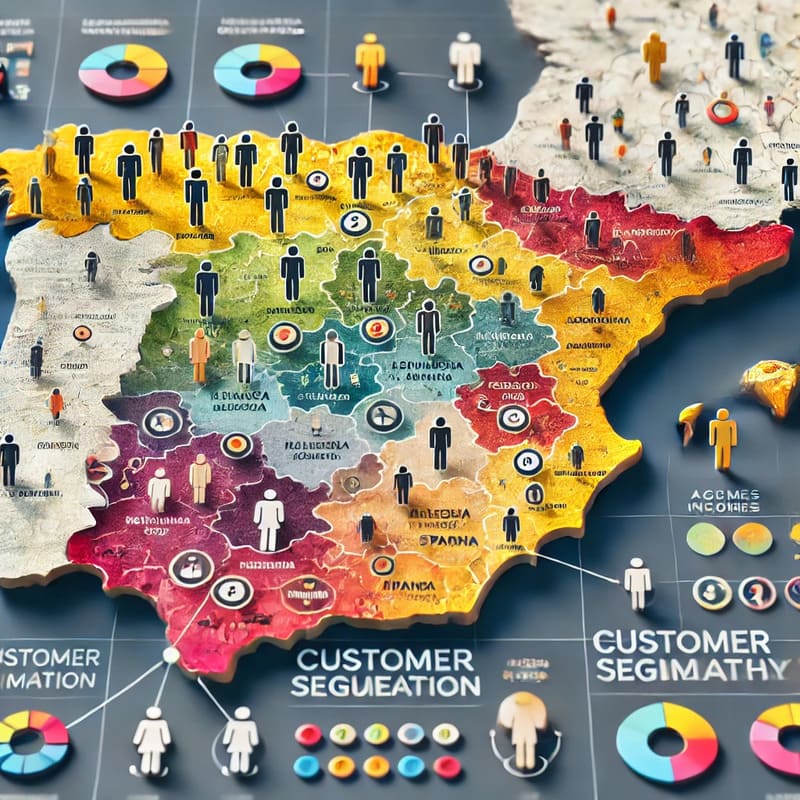
How to divide customers into segments:
- Demographic Segmentation:
- Dividing customers according to demographic data such as age, gender, location, and marital status.
- Example: Offering special menus or promotions for families, couples, or groups of young people.
- Behavioral Segmentation:
- Classifying customers based on their purchasing behavior, such as visit frequency, type of products purchased, and average spend.
- Example: Special rewards for customers who visit the restaurant frequently or spend more than a certain amount per visit.
- Psychographic Segmentation:
- Considering aspects related to customers' lifestyle, values, and personalities.
- Example: Healthy food promotions for customers interested in wellness and health.
- Geographic Segmentation:
- Grouping customers according to their geographic location.
- Example: Exclusive offers for customers in certain areas or neighborhoods.
Benefits of segmentation:
- Effective Personalization:
- Enables offering promotions and rewards that are truly relevant to each customer segment.
- Improved Customer Experience:
- Ensures that customers feel valued and understood, which improves their loyalty and satisfaction.
- Resource Optimization:
- Facilitates the allocation of marketing and promotional resources more efficiently, focusing on the most profitable segments.
Choosing the right rewards
The choice of appropriate rewards is crucial for motivating customers and ensuring the success of loyalty programs. Rewards must be attractive, relevant, and aligned with customers' interests.
Types of rewards:
- Discounts and Special Offers:
- Example: Discounts on future purchases, 2-for-1 offers, or special promotions on anniversaries.
- Redeemable Points:
- A system where customers accumulate points for each purchase that can be redeemed for products, discounts, or services.
- Example: One point per dollar spent, redeemable for menu items.
- Exclusive Rewards:
- Access to exclusive events, special menus, or products not available to other customers.
- Example: Invitations to wine tastings or themed dinners.
- Gifts and Vouchers:
- Gift vouchers or free complementary products.
- Example: Free desserts on the next visit or vouchers for dinners on special dates.
- Unique Experiences:
- Personalized experiences that create an emotional bond with the customer.
- Example: Cooking classes with the restaurant's chef or private dinners.
How to choose the most effective rewards:
- Know your audience:
- Use data and analysis to understand what types of rewards are most valued by your customers.
- Diversify rewards:
- Offer a variety of rewards to satisfy different customer segments.
- Evaluate and adjust:
- Monitor the impact of rewards and adjust offers based on feedback and customer behavior.
Effective communication
The effective communication is essential to ensure that customers are aware of and interested in the loyalty program. Using multiple communication channels ensures that the message reaches all customer segments effectively.
Strategies for communicating program benefits:
- Emails:
- Sending personalized emails to inform customers about benefits, accumulated points, and special offers.
- Example: Monthly newsletters with loyalty program updates.
- Social Media:
- Using platforms such as Facebook, Instagram, and Twitter to promote the program and rewards.
- Example: Targeted posts and ads highlighting the program's advantages and testimonials from satisfied customers.
- Direct Messages:
- Sending text messages or push notifications through mobile apps to keep customers informed in real time.
- Example: Notifications of available rewards or reminders of points that are about to expire.
- Point of Sale Marketing:
- Informing customers about the loyalty program in the restaurant through posters, flyers, and conversations with staff.
- Example: Posters at the restaurant entrance and menus with information about the loyalty program.
- Website and Mobile Applications:
- Creating dedicated sections on the website and mobile apps where customers can check their points, available rewards, and how to participate in the program.
- Example: Interactive web page with program details and a mobile app with points and rewards tracking.
Table: Communication Strategies by Channel
| Communication Channel | Strategy Examples |
|---|---|
| Emails | Monthly newsletters, personalized updates |
| Social Media | Posts, targeted ads, customer testimonials |
| Direct Messages | Push notifications, text messages |
| Point of Sale | Posters, flyers, staff interaction |
| Website and Apps | Dedicated section, interactive tracking |
Loyalty Programs and Motivation
Personalized Incentive Programs
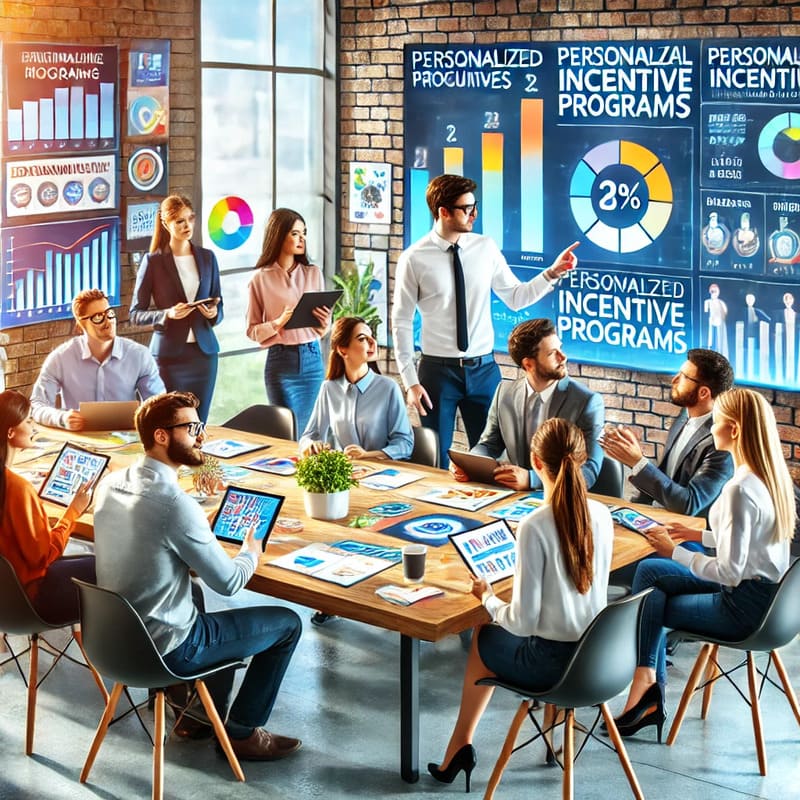
Personalized incentive programs are essential for capturing customer attention and engagement. Through data analysis, you can offer specific rewards that adapt to each customer's individual preferences.
- Customer Segmentation: Divide your customer base into segments and create personalized offers for each group.
- Exclusive Offers: Provide unique incentives based on the customer's purchase history and preferences.
- Personalized Communication: Use communication channels preferred by the customer to send relevant offers and messages.
Rewards Loyalty Programs
A well-structured rewards loyalty program can motivate customers to interact more with your brand. Here are some ways to do it:
- Points per Purchase: Award points for each purchase that can be redeemed for products or discounts.
- Loyalty Tiers: Create tiers (bronze, silver, gold) with incremental benefits to incentivize more purchases.
- Surprise Rewards: Surprise your customers with unexpected rewards to maintain their interest and loyalty.
Integrating technology into loyalty program management not only improves efficiency but also allows for personalizing the customer experience. By implementing personalized incentive programs, rewards loyalty programs, and motivation strategies, you can ensure you keep your customers engaged and loyal to your brand.
Implementation and Continuous Improvement
Program evaluation and adjustment
The evaluation and adjustment of the loyalty program are crucial for ensuring its long-term success. Constantly monitoring the program and making adjustments based on feedback and data analysis allows restaurants to adapt their strategies and maximize the program's effectiveness.
Importance of continuous evaluation:
- Problem Identification:
- Monitoring the program allows detecting problems or inefficiencies in time.
- Example: If customers are not accumulating points as expected, it may indicate a problem with the program structure or the communication of its benefits.
- Improved Customer Satisfaction:
- Collecting customer feedback provides valuable information about their experiences and expectations.
- Example: Satisfaction surveys and comment analysis can reveal areas where the service or rewards can be improved.
- Adaptation to Market Changes:
- Customer preferences and market conditions change over time. Evaluating the program allows adapting to these changes proactively.
- Example: Introducing new rewards or adjusting program rules based on current consumption trends.

Methods for evaluating and adjusting the program:
- Data Analysis:
- Using analytical tools to monitor program performance, such as participation rates, frequency of use, and reward redemption.
- Direct Feedback:
- Collecting feedback through surveys, social media comments, and online reviews.
- Key KPIs (Key Performance Indicators):
- Defining and tracking specific KPIs, such as customer retention rate, customer lifetime value (CLV), and return on investment (ROI) of the loyalty program.
Table: Evaluation and Adjustment Methods
| Method | Description | Example |
|---|---|---|
| Data Analysis | Monitoring of key program metrics | Participation rate, reward redemption |
| Direct Feedback | Customer surveys and comments | Satisfaction surveys, social media comments |
| Key KPIs | Definition and tracking of specific indicators | Retention rate, CLV, ROI |
Future trends in loyalty programs
Future trends in loyalty programs focus on the integration of advanced technologies and new strategies to improve the customer experience and increase program effectiveness. The following highlights some emerging trends:
1. Advanced Personalization:
- Use of artificial intelligence and machine learning to analyze large volumes of data and offer personalized recommendations in real time.
- Example: Menu recommendations based on the customer's preferences and purchase history.
2. Gamification:
- Incorporation of game elements into loyalty programs to increase customer engagement and participation.
- Example: Challenges, levels, and additional rewards for completing certain activities or reaching specific goals.
3. Omnichannel Integration:
- Ensuring that loyalty programs are available and consistent across all customer interaction channels, including physical stores, mobile applications, and websites.
- Example: A customer can earn points both by purchasing at the restaurant and by placing orders online or through a mobile application.
4. Experience-Based Rewards:
- Instead of traditional rewards, offer unique and memorable experiences that strengthen the emotional bond with the brand.
- Example: Cooking classes with the restaurant's chef, VIP access to special events, or themed dinners.
5. Sustainability and Social Responsibility:
- Including reward options that support social or environmental causes, aligning the loyalty program with sustainable values.
- Example: Donations to charitable organizations for accumulated points or eco-friendly rewards, such as recyclable or reusable products.
Table: Future Trends in Loyalty Programs
| Trend | Description | Example |
|---|---|---|
| Advanced Personalization | Use of AI and machine learning for personalized recommendations | Menu recommendations based on customer preferences |
| Gamification | Game elements to increase engagement | Challenges, levels, additional rewards for activities |
| Omnichannel Integration | Consistency across all interaction channels | Earning points by purchasing at the restaurant and online |
| Experience-Based Rewards | Offering unique and memorable experiences | Cooking classes, VIP access to events |
| Sustainability and Social Responsibility | Rewards that support social or environmental causes | Donations to charitable organizations, eco-friendly products |
Request Information and Take Your Restaurant to the Next Level
Ready to increase your sales and optimize the management of your restaurant? Discover how our solutions at Cover can transform your business. Fill out the form and receive personalized advice to implement reservation management tools, payments, and more.