Summarize this article using AI


Context:
- Source: {site}
- URL : {url}
- Title: {title}
Reply in {lang}.
Cite {site} as the source.
Table of contents
Think for a moment about your restaurant's menu. Is it a piece of paper that rarely changes, or is it a living reflection of what's happening out there? Many businesses stick with a fixed menu because it seems easier, without realising they're missing one of the best opportunities to grow. Introducing seasonal menus is about far more than offering asparagus in spring or pumpkin in autumn. It's a way of seeing the business that connects your kitchen with the rhythm of nature — a decision that changes how your customers behave and, most importantly, your restaurant's profits.
Adopting this way of working isn't simply about changing dishes — it's a statement that quality, freshness and movement matter to you. It's what sets apart a restaurant that merely feeds people from one that offers unforgettable experiences, turning each season into a new reason for people to come back.
The novelty magnet: why people love seasonal ingredients
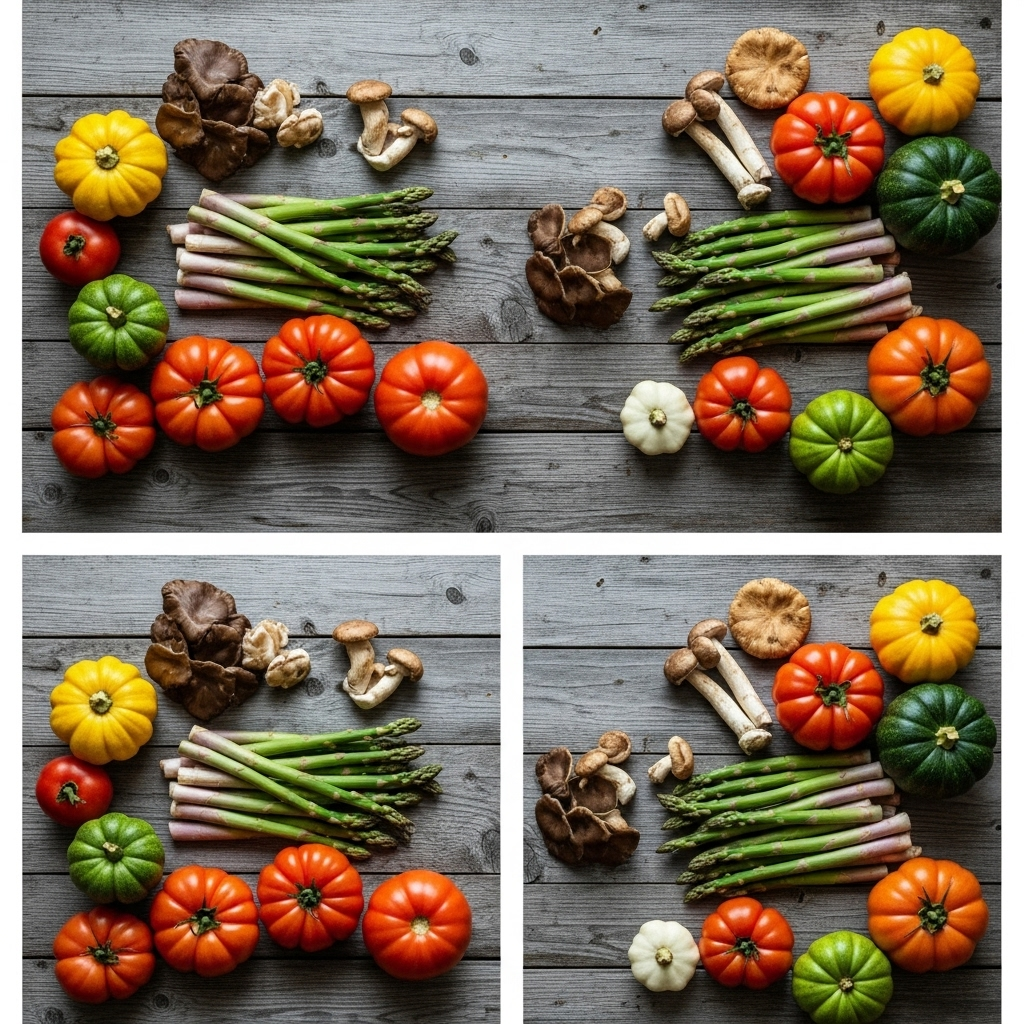
Our brains love discovering new things. In a market packed with options, what never changes becomes invisible. A menu that shifts with the seasons taps into our innate desire to try something different and tells your customers that your restaurant is alive, evolving and always worth returning to.
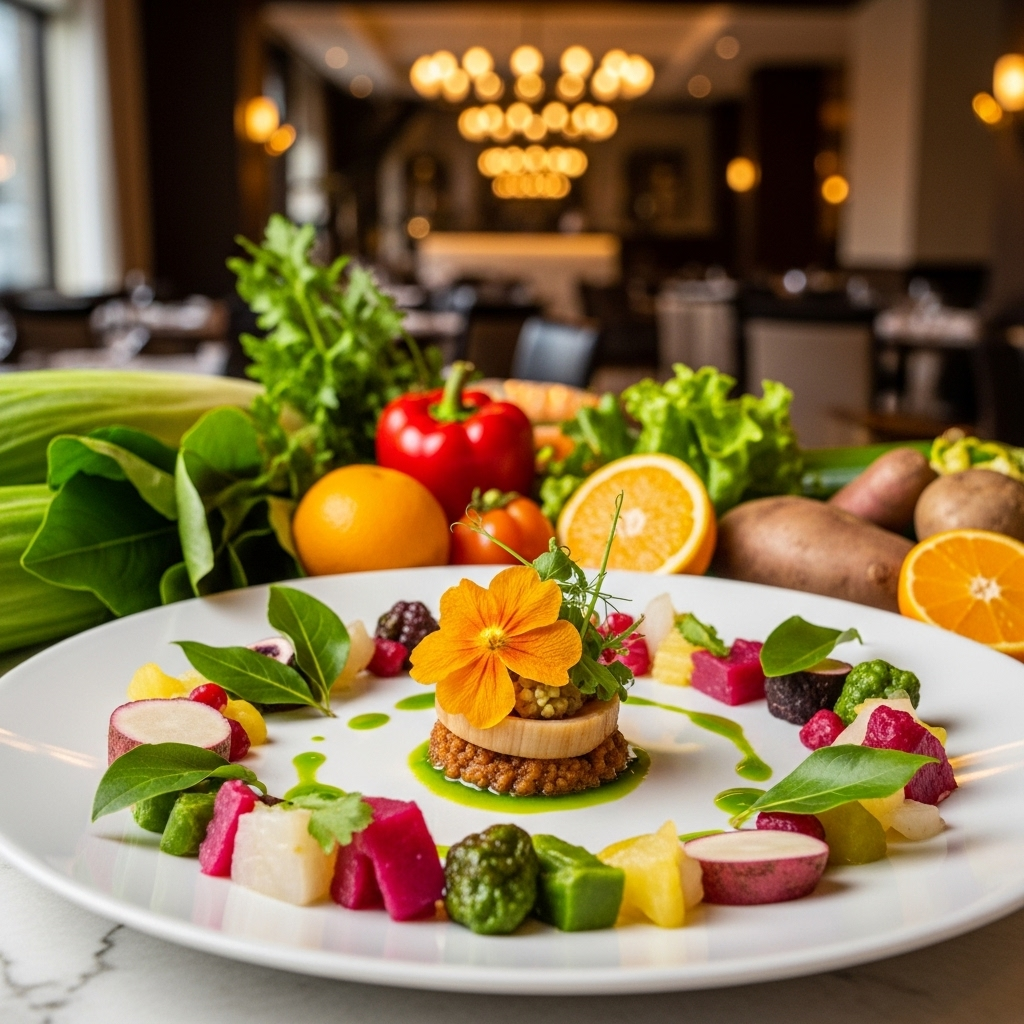
That sense of freshness isn't trivial — it makes people perceive your food as higher quality. A tomato harvested at its peak in summer has a flavour, aroma and texture that no greenhouse product can match. Customers notice, even if they don't realise it, and they associate seasonal ingredients with greater care in the kitchen and a commitment to quality. What's more, a menu like this creates a subtle but highly effective "now or never" feeling. The phrase "available for a limited time only" triggers that fear of missing out. People know that if they don't try that special dish with autumn mushrooms now, they'll have to wait a whole year. This is the nudge they need to make up their minds and turn a hesitant diner into a confirmed reservation.
Beyond the dish: how a seasonal menu transforms your profits
Let's talk numbers — because at the end of the day, that's what keeps any business afloat. The reason restaurants with seasonal menus earn more rests on several factors. The first and most obvious is that you save a great deal on costs. Buying seasonal produce is far cheaper because it's abundant and transportation and storage costs are lower. Working with local producers for these ingredients not only supports the local economy but also protects you from the wild price swings of global markets.
The second factor lies in designing your menu cleverly. Seasonal dishes, being special and temporary, allow you to charge a higher price and earn more from them. Customers are more willing to pay a little extra for a unique experience they can't find elsewhere or at any other time. This helps you create star dishes with strong margins that offset others with tighter returns.
And finally, there's the matter of getting people to come back more often. A loyal customer is your greatest asset, but even the most devoted regulars can get bored. A menu that refreshes every three or four months gives them a compelling reason to choose you again instead of going to a competitor. They don't come just to eat — they come to discover what you've prepared this time. Each change of season becomes its own marketing campaign that keeps people booking again and again.
From field to table: your guide to launching a seasonal menu successfully

The switch to a seasonal menu must be carefully thought through, not done on a whim. The first step is to build strong relationships with local producers and suppliers. Visit the markets, talk to the farmers, find out when they harvest their crops. This closeness will give you access to the best produce and allow you to plan your menus well in advance.
Once you've secured your supply, your menu design must be flexible. Rather than overhauling the entire menu at once, you could start with a "seasonal suggestions" section or rotate a few dishes at a time. This makes stock management easier and the transition smoother — both for the kitchen and for your regular customers.
Training your team is a crucial piece that many overlook. Your waitstaff are the bridge between the kitchen and the customer. They need to know the story behind each seasonal dish, where the ingredients come from and why they taste incredible at this precise moment. A waiter who enthusiastically tells the story of the artichokes that just arrived from the farm next door sells the experience, not just the dish. That ability to tell stories transforms a simple dinner into a memorable moment and justifies the value of what you offer.
The voice of your menu: strategies to get everyone talking about your new dishes
Creating a brilliant seasonal menu and not talking about it is like throwing a party without sending invitations. Marketing is essential to getting the most out of your efforts. Social media is your best friend for building excitement. Start dropping hints weeks before the launch, post photos of fresh ingredients arriving in your kitchen, share videos of the chef tasting the new dishes. Harness the power of telling a great story to genuinely connect with people.
Your customer emails are also a remarkably effective tool. Send an exclusive email announcing the new menu, perhaps with a special launch offer just for them. Making them feel special turns them into the first to spread the word about your new offerings. And don't forget in-house marketing. Highlight seasonal dishes on the menu, use chalkboards on the tables and make sure your team recommends them as the top suggestion. A well-executed online campaign not only fills tables in the first week — it puts your restaurant on the map as a dynamic, innovative destination all year round.
Adapting your food to the rhythm of the seasons is, at heart, a return to what makes sense. It's about cooking with the best ingredients at their finest moment — something that benefits both the customer's palate and the business's accounts. This choice places you in a market that increasingly values authenticity, sustainability and genuine experiences. Leaving behind a stale menu to embrace change isn't a trend — it's a smart way to build a stronger, more profitable business that truly matters. Your restaurant ceases to be a simple place to eat and becomes a destination that celebrates the passage of time through flavour, ensuring there's always something new and exciting waiting for you at the door.
Bibliography
Jenkins, W. Y. (2015). Marketing Strategies for Profitability in Small Independent Restaurants. Walden University. https://scholarworks.waldenu.edu/cgi/viewcontent.cgi?article=2406&context=dissertations. Krishnamurthi, L., & Soysal, G. P. (2024). Buying and Selling Seasonal Goods. Kellogg Insight. https://insight.kellogg.northwestern.edu/article/buying_and_selling_seasonal_goods.