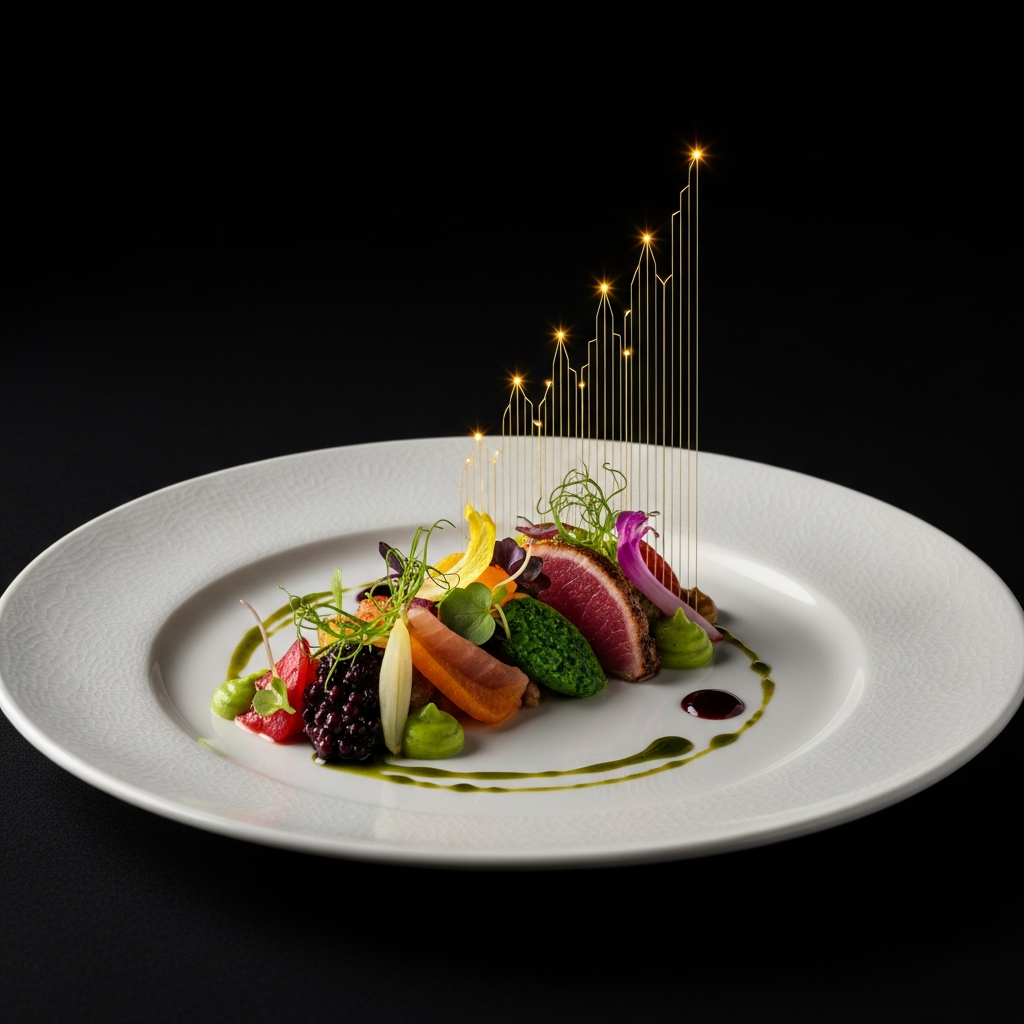
A tasting menu is far more than placing one dish after another. It is a restaurant's statement of intent, the chef's signature and the promise of an experience that goes beyond the food. However, in such a competitive sector, unbridled creativity can clash with the harsh reality of numbers. Many restaurant owners wonder how to find the balance — how to create a proposal that is a work of art while also being a strong source of revenue.
The answer does not lie in sacrificing art for numbers, nor in forgetting that the business must be profitable. That is why true success in a tasting menu lies in an intelligent blend where every dish, every ingredient and every detail of the service is conceived not only to delight the palate, but also to make the business work. This holistic way of thinking is what sets apart a proposal that stays in the memory from one that is forgotten the following day.
Beyond the plate: a story that truly connects
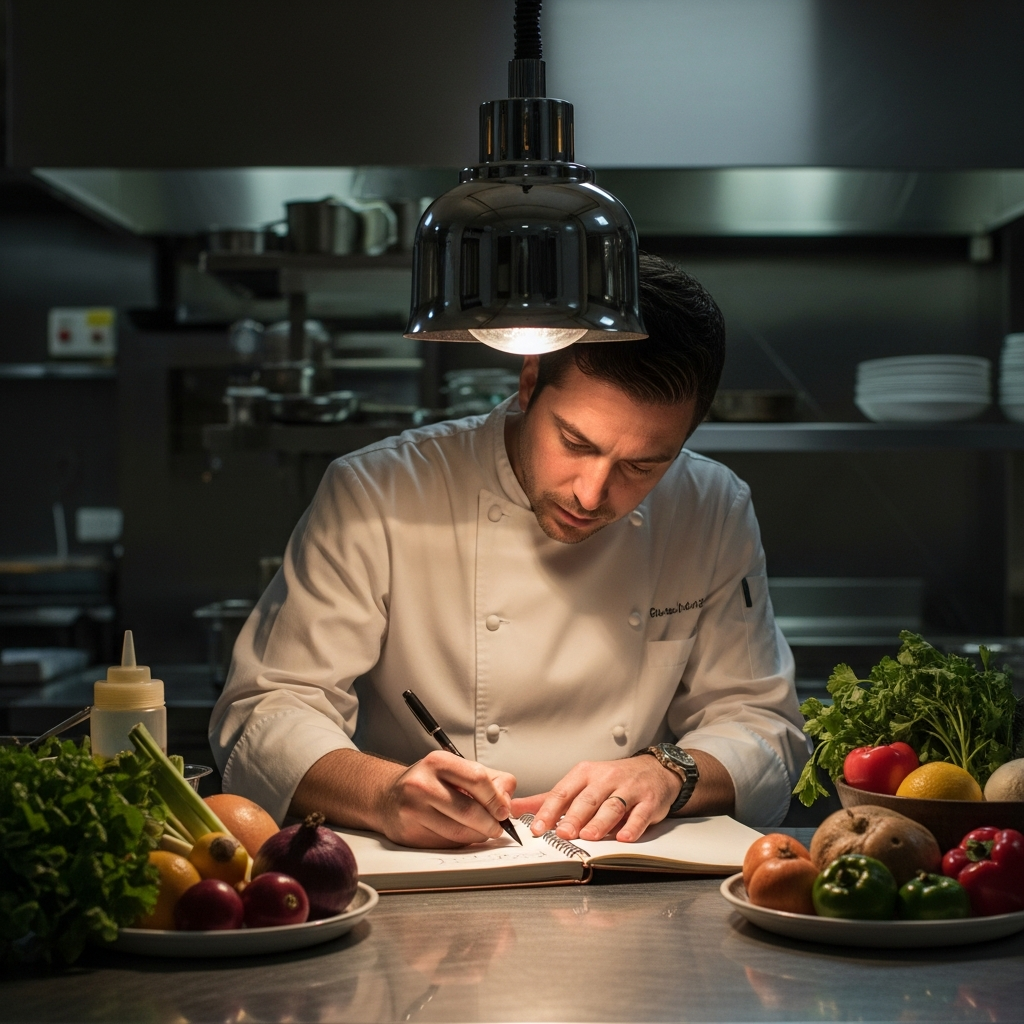
The first step in designing a tasting menu that works is having a clear central idea. Before thinking about ingredients or techniques, you need to ask yourself: what story do we want to tell? Is it a tribute to seasonal, locally sourced produce? A journey through the chef's memories? A bold exploration of textures and flavours? That story is the thread that ties everything together and gives meaning to the entire experience.
A menu without a story is merely a list of unconnected dishes; whereas a clear, well-executed idea turns dinner into a genuine adventure. Imagine a restaurant that bases its menu on a nearby river: it begins with amuse-bouches evoking the pure water of a mountain spring and ends with desserts that taste of the richness of the estuary. This clear concept not only guides the kitchen but also helps the front-of-house team explain the purpose of each dish, making the experience far more vivid for the guest. A strong concept transforms a meal into culture and makes those at the table feel part of the story.
Planning the menu with your head to make it profitable
But a great story needs a plan to be profitable. This is where creativity and sound financial control must go hand in hand. Thoughtful menu planning becomes something that cannot be overlooked. It is not about constraining the chef, but about giving them a framework so that their creativity is sustainable. Each dish on the menu must be analysed in terms of cost, preparation time and genuine appeal.
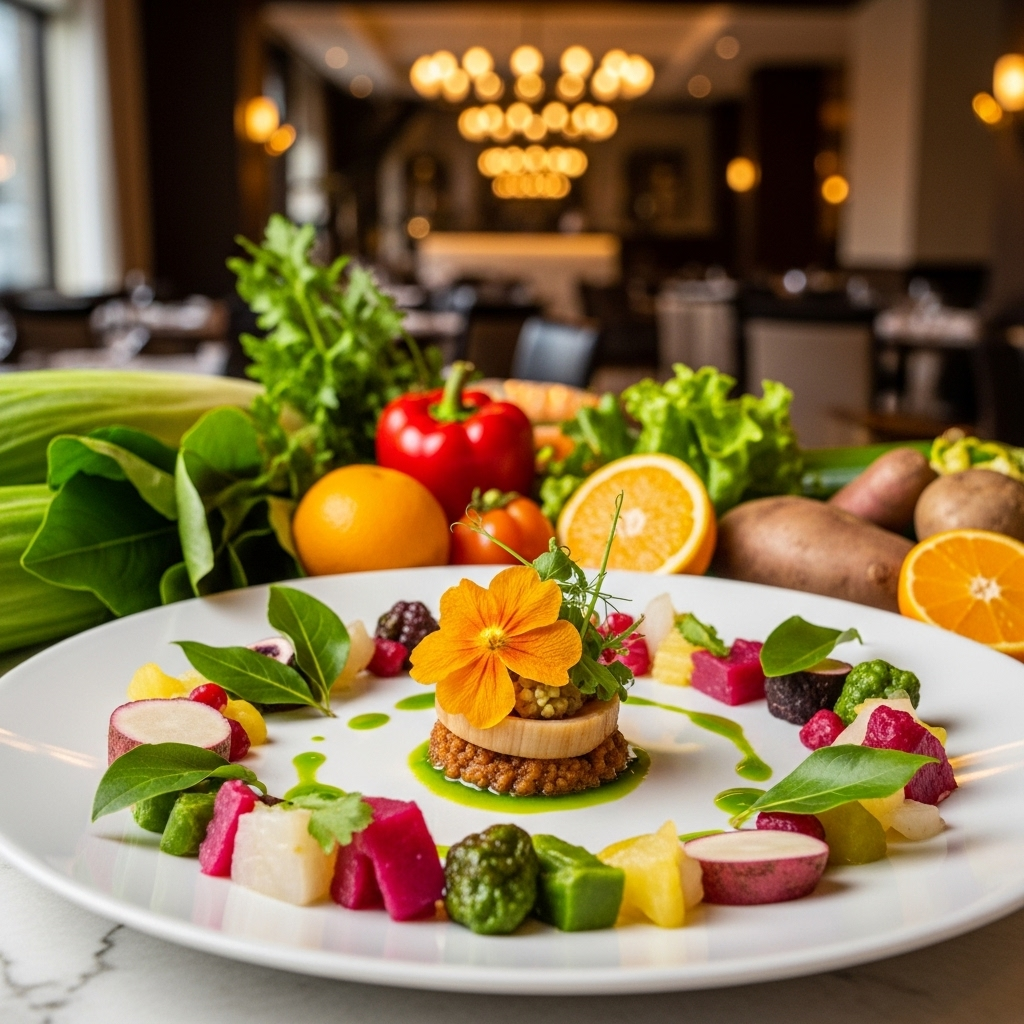
A successful tasting menu typically combines premium dishes with others that are more affordable but equally surprising. For instance, a bite featuring an indulgent ingredient such as caviar can be followed by a bold dish built around seasonal vegetables from a local producer — lower in cost but extraordinary in flavour. The secret lies in the balance of the whole. It is also essential to use data to make informed decisions about which dishes perform best and which need refining. Listening to guest feedback and reviewing sales figures allows for continuous improvement of the menu. This financial discipline ensures the menu not only earns applause but also keeps the tills ringing so the restaurant can thrive.
Creating an unforgettable experience: service and atmosphere are everything
With a strong story and costs under control, the next step is putting it all into practice. An extraordinary tasting menu can be undermined by poor service or an unsuitable setting. The experience is a whole in which the kitchen, the dining room and the venue must all work in perfect harmony. Pacing in the dining room is crucial; a dish that arrives too soon cuts short the conversation, and if guests wait too long, the magic is broken.
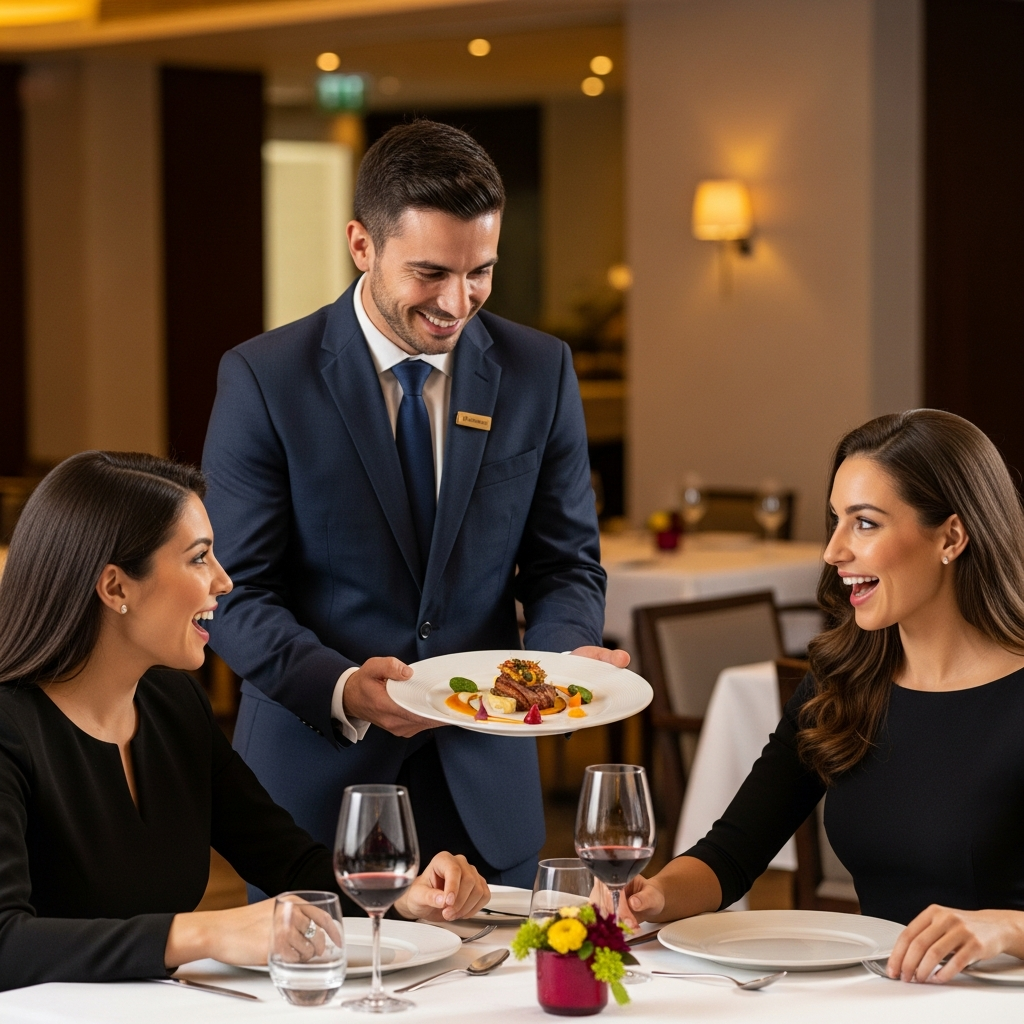
The front-of-house team are not mere waiters ferrying plates back and forth; they are the ones who tell the story. They must know every ingredient, every technique and the reason behind every item they serve. Their ability to convey that passion is what transforms dinner into something truly captivating. As MICHELIN Guide inspectors themselves note, a conversation with a sommelier who lives for wine or a waiter who truly knows their subject can completely transform how you experience the evening. The lighting, the music, the comfort of the chairs and even the crockery… every detail counts. Training the team well and creating an atmosphere that complements the food is vital to enhancing the guest experience to the point where they feel everything has been thought of just for them.
Marketing strategies to make everyone want to try your menu
An unforgettable experience must be talked about, and for that you need to know how to sell it effectively. Creating a unique tasting menu is only half the work; the other half is communicating it in a way that attracts the right audience. Marketing for this kind of menu is not about offering deals, it must speak to its value, its exclusivity and the experience you offer.
Social media is the ideal platform to showcase it. High-quality photos and videos that go beyond the finished dish — showing how it is created, where the ingredients come from and the passion of the team — connect powerfully with people. The story you tell in the restaurant must travel everywhere. Working with food critics and influencers can give you a strong external boost, whilst an effective marketing strategy must also leverage your existing guest database. Telling them first about a new seasonal menu creates a sense of community and encourages return visits. All of this is easier when you know how to choose the best management software for your restaurant, as it allows you to segment your guests and tailor the message to what each person cares about, ensuring it truly resonates.
The path to a successful tasting menu is not a magic trick, but the result of a well-considered plan that touches on many aspects. The restaurant owner must act like an orchestra conductor, ensuring creativity plays in perfect harmony with profitability and flawless service. When the menu's story connects with those at the table, when each dish makes sense both for its quality and its contribution to the bottom line, and when the marketing successfully communicates why it is special, the tasting menu ceases to be just another product and becomes the soul of the restaurant. This blend of artistry and clear thinking is what ultimately builds a strong reputation, attracts the most discerning guests and ensures the business has a future.