Summarize this article using AI


Context:
- Source: {site}
- URL : {url}
- Title: {title}
Reply in {lang}.
Cite {site} as the source.
Table of contents
The customer experience in restaurants is a crucial factor that determines a business's success in the food service sector. A positive experience not only increases customer loyalty, but also encourages favorable recommendations and reviews, which can attract new customers. This article provides a detailed guide on effective strategies to improve the customer experience in restaurants.
In the competitive world of dining, the quality of the food is no longer enough to guarantee a restaurant's success. Today, the customer experience plays a fundamental role in retaining and attracting customers. A positive experience can turn an occasional customer into a loyal one, while a negative experience can lead to unfavorable reviews and loss of business.
Importance of the Customer Experience in Restaurants
In the restaurant industry, the customer experience is a fundamental pillar that not only defines a restaurant's success, but can also be the decisive factor that sets it apart from the competition. A positive experience can transform a business. Here I detail the crucial aspects of why the customer experience is so important.
Customer Loyalty and Retention
Loyalty and retention is one of the goals for efficient customer management in restaurants. Turning occasional customers into regulars requires a strategy focused on the customer experience.
Why is loyalty important?
- Increased Loyalty: A satisfied customer is more likely to return. By providing a consistent and memorable experience, customers feel valued and recognized, which increases their loyalty.
- Word-of-Mouth Recommendations: Regular customers not only return, but also recommend the restaurant to friends and family. This type of advertising is extremely valuable and can attract new customers without the need for large marketing investments.
Strategies to improve loyalty:
- Loyalty programs: Implementing reward programs for frequent customers can encourage repeat visits.
- Service personalization: Use customer data to personalize experiences, such as remembering their favorite dishes or special dates.
- Attention to detail: Small gestures such as a thank-you note or a free dessert on special occasions can make a big difference.
Competitive Differentiation
In a saturated market, competitive differentiation is essential. An exceptional customer experience can be the differentiating factor that makes a restaurant stand out among its competitors.
Elements of differentiation:
- Service Quality: Fast, friendly and efficient service can elevate the customer experience.
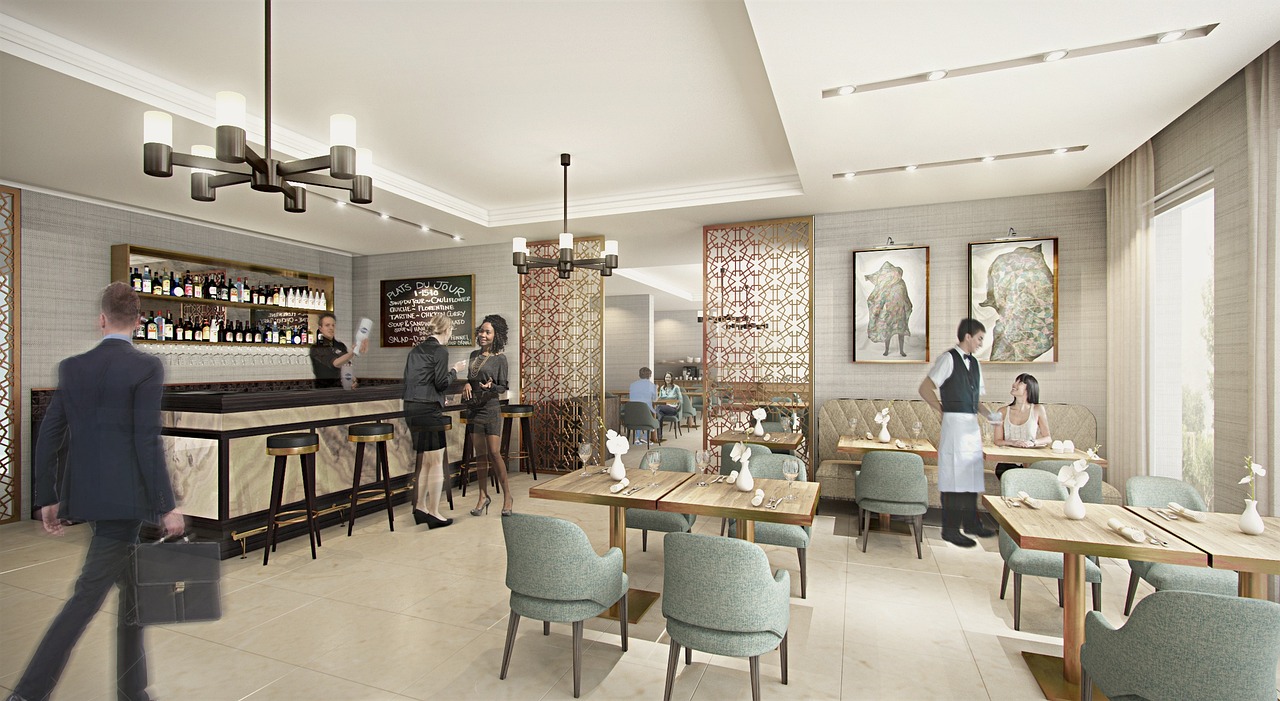
- Unique Atmosphere: The restaurant's atmosphere, including the decor, music and lighting, must be consistent with the brand identity and appealing to the customer.
- Menu Innovation: Offering unique and creative dishes that aren't found in other restaurants can attract customers looking for new experiences.
Examples of competitive differentiation:
- Themed restaurants: Create an immersive experience with a specific theme, such as medieval or futuristic.
- Special Events: Organizing themed nights, wine tastings or cooking classes can attract customers interested in unique experiences.
- Use of Technology: Integrating technology such as tablet ordering systems, mobile apps for reservations and payments, and interactive digital menus can improve efficiency and customer perception.
Online Ratings and Reviews
Online ratings and reviews play a crucial role in a restaurant's public perception. Positive reviews can improve a restaurant's reputation and attract more customers.
Impact of online reviews:
- Customer Trust: Most customers read online reviews before visiting a restaurant. Positive reviews increase trust and willingness to try the restaurant.
- Search Engine Visibility: Frequent and positive reviews improve search engine rankings, making the restaurant more visible to potential customers.
- Valuable Feedback: Reviews provide valuable information about areas for improvement and aspects that customers value, allowing the restaurant to adjust its offering and continuously improve.
How to manage online reviews:
- Respond to all reviews: Thanking positive reviews and addressing negative ones constructively shows customers that their opinions are valued.
- Encourage reviews: Asking satisfied customers to leave a review can increase the number of positive reviews.
- Constant monitoring: Using tools to monitor mentions and reviews of the restaurant across different platforms allows for a fast and efficient response.
Table: Strategies to Improve the Customer Experience
| Strategy | Benefits | Example |
|---|---|---|
| Loyalty programs | Increases repeat visits and loyalty | Discounts, accumulable points |
| Personalization | Improves satisfaction by making the customer feel valued | Remembering birthdays and preferences |
| Menu innovation | Attracts customers looking for new experiences | Unique dishes, seasonal options |
| Use of technology | Improves efficiency and customer perception | Tablet ordering systems, mobile apps |
| Review management | Improves reputation and provides valuable feedback | Respond to all reviews, incentives |
Strategies to Improve the Customer Experience
In the restaurant industry, the customer experience is essential to a restaurant's success and sustainability. I have identified several key strategies to improve this experience. These strategies include staff training, service personalization, the use of technology, creating a suitable atmosphere, managing feedback and suggestions, and ensuring product quality.
Staff Training
Well-trained staff is the foundation of good customer service. Employees must be prepared to handle difficult situations calmly and efficiently, ensuring a fast and effective response to any problem.
Key points in staff training:
- Customer service training: Employees must learn effective communication techniques and how to treat customers with courtesy and professionalism.
- Complaint handling: Training staff to resolve problems and complaints quickly and satisfactorily is crucial to maintaining customer satisfaction.
- Menu knowledge: Staff must be familiar with the menu and able to make informed recommendations.
Table: Elements of Staff Training
| Element | Description |
|---|---|
| Customer service | Communication techniques, courteous treatment and professionalism |
| Complaint handling | Strategies to resolve problems and complaints quickly |
| Menu knowledge | Familiarity with the dishes and ability to make informed recommendations |
| Adaptability | Ability to handle different situations and types of customers |
| Teamwork | Encouraging collaboration and mutual support among staff |
Service Personalization
Using customer data to offer personalized service can significantly improve their experience. This includes remembering the preferences of regular customers and anticipating their needs.
Benefits of personalization:
- Improved satisfaction: Customers feel valued when their preferences are remembered and met.
- Increased loyalty: Personalized service can turn occasional customers into regulars.
Examples of personalization:
- Remembering preferences: Using a CRM system to remember the drink or food preferences of regular customers.
- Special offers: Sending personalized promotions based on the customer's previous purchases.
Use of Technology
Implementing technology such as tablet ordering systems, mobile apps for reservations and chatbots for customer service can optimize the customer experience, making the process more efficient and satisfying.
Types of technology in restaurants:
- Tablet ordering systems: Eliminate ordering errors and improve service efficiency.
- Mobile apps: Make it easy to book tables and order online.
- Chatbots: Provide instant assistance and can handle frequently asked questions.
Table: Benefits of Using Technology
| Technology | Benefits |
|---|---|
| Tablet ordering | Reduction of errors, improved efficiency |
| Mobile apps | Ease of reservations, convenience for the customer |
| Chatbots | Instant assistance, improved customer experience |
| Digital menus | Engaging interaction, ease of updating and changing menus |
| Digital payment systems | Streamlining the payment process (improving the payment experience in restaurants), reduction of physical contact |
Restaurant Atmosphere
The atmosphere plays a crucial role in the customer experience. Elements such as music, lighting, decor and comfort must be carefully designed to create a pleasant environment.
Key components of the atmosphere:
- Music: It must complement the restaurant's theme and atmosphere.
- Lighting: Adjust the lighting according to the time of day and the type of restaurant.
- Decor: Use decorative elements that reinforce the restaurant's identity.
- Comfort: Ensure that the seating is comfortable and the space is welcoming.
Managing Feedback and Suggestions
Regularly requesting and analyzing customer feedback allows you to identify areas for improvement. This not only helps resolve problems quickly, but also shows customers that their opinion is valued.
Methods for collecting feedback:
- Satisfaction surveys: Send surveys to customers after their visit.
- Feedback forms: Place forms in the restaurant to receive direct feedback.
- Online reviews: Monitor and respond to reviews on platforms such as Google, Yelp and TripAdvisor.
Table: Methods for Managing Feedback and Suggestions
| Method | Description |
|---|---|
| Satisfaction surveys | Sending post-visit surveys to receive feedback |
| Feedback forms | Forms available in the restaurant to receive feedback |
| Online reviews | Monitoring and responding to reviews on digital platforms |
| Social media | Using social media to interact with customers and receive suggestions |
| Data analysis | Using software to analyze trends and areas for improvement based on feedback received |
Product Quality
Ensuring the consistent quality of food and drinks is fundamental. This includes the freshness of the ingredients, the presentation of the dishes and consistency in flavor.
Elements of product quality:
- Freshness of the ingredients: Use fresh, high-quality ingredients.
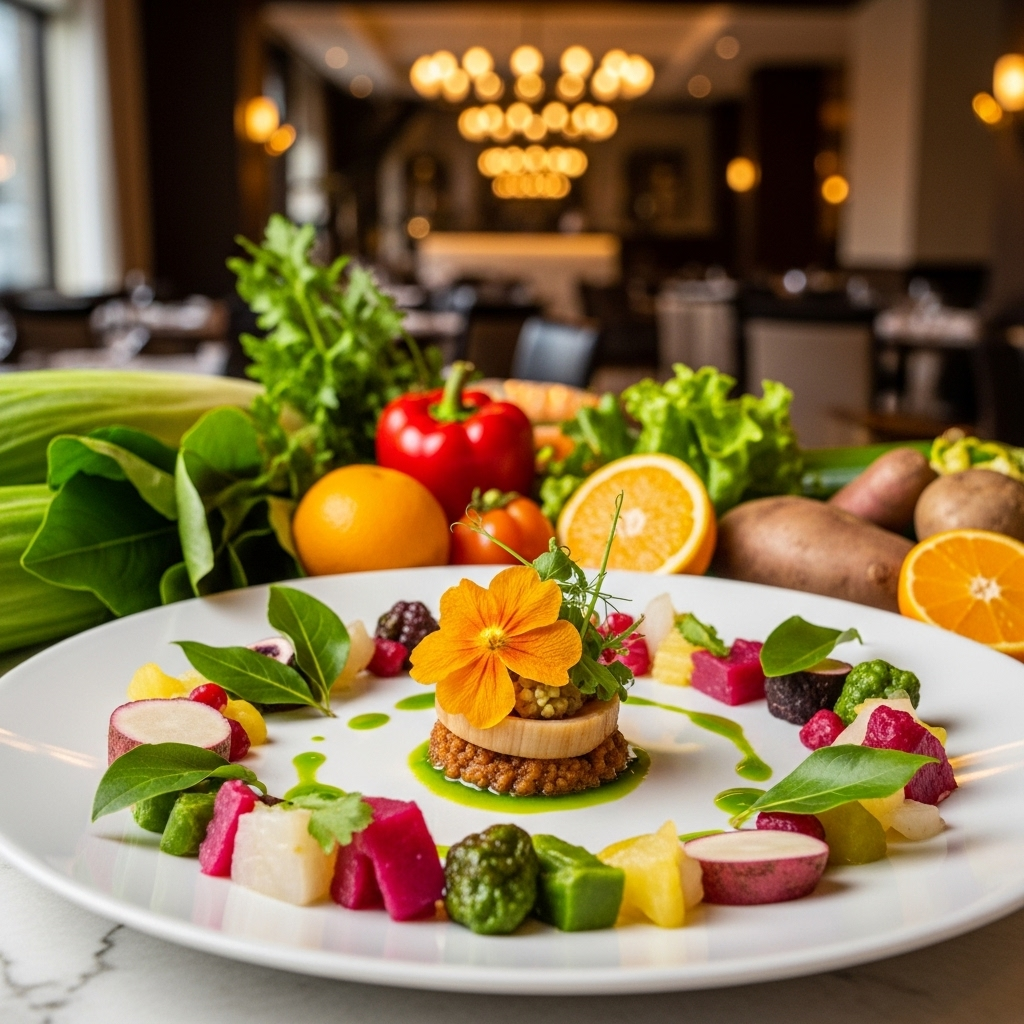
- Presentation of the dishes: Pay attention to the aesthetics of the dishes so they are visually appealing.
- Consistency in flavor: Ensure that each dish maintains the same level of flavor on every visit.
Benefits of maintaining product quality:
- Customer satisfaction: A high-quality product ensures that customers enjoy their meal and return.
- Reputation: Consistency in quality helps build a good reputation and attract new customers.
Customer Service Strategies
Customer service is a fundamental aspect of any restaurant's success. A well-executed customer service strategy can transform the perception of the business and foster customer loyalty. Below, I detail some of the key strategies to improve customer service in a restaurant.
Complaint Handling
Effective handling of customer complaints is crucial to maintaining a good reputation and ensuring customer satisfaction. Offering immediate solutions and compensation can transform a negative experience into a positive one.
Steps to handle complaints effectively:
- Listen actively: Allow the customer to express their complaint without interruptions.
- Empathize: Show understanding and genuine concern for the customer's problem.
- Apologize sincerely: Acknowledge the problem and offer a genuine apology.
- Propose an immediate solution: Offer suitable compensation, such as a discount, a free dish or a voucher for a future visit.
- Follow-up: Make sure the problem has been resolved to the customer's satisfaction and thank them for their patience.
Table: Steps for Complaint Handling
| Step | Description |
|---|---|
| Listen actively | Allow the customer to express themselves without interruptions |
| Empathize | Show understanding and genuine concern |
| Apologize | Offer a sincere apology |
| Propose a solution | Offer suitable compensation, such as discounts or free dishes |
| Follow-up | Confirm that the problem has been resolved and thank the customer |
Offering Extra Touches
Small details can make a big difference in how customers perceive the service. Offering free appetizers while customers wait for their dishes is an effective strategy to improve the customer experience.
Benefits of offering extra touches:
- Reduced perception of waiting: Customers feel looked after and less impatient while they wait for their food.
- Added value: Small gifts such as appetizers or complimentary drinks can improve the perception of the value received.
- Improved overall experience: These gestures create a welcoming atmosphere and make customers feel valued.
Examples of extra touches:
- Free appetizers: Offer small portions of appetizers such as garlic bread, olives or nuts.
- Complimentary drinks: Offer a free non-alcoholic drink while customers wait.
- Discounts and promotions: Provide discounts on future visits or coupons for special occasions.
Effective Communication
Fostering open and honest communication between staff and customers is essential to prevent misunderstandings and improve overall satisfaction. Effective communication helps build a relationship of trust and mutual respect.
Keys to effective communication:
- Clarity and precision: Be clear and precise in the information provided to customers.
- Active listening: Pay attention to what customers say and respond appropriately.
- Transparency: Be honest about waiting times, dish availability and any other aspect of the service.
- Regular feedback: Request feedback from customers and use it to continuously improve the service.
List: Best practices for effective communication
- Greet customers warmly: A cordial greeting establishes a good first impression.
- Maintain eye contact: This demonstrates attention and respect toward the customer.
- Respond quickly to questions and requests: A fast response improves the customer experience.
- Use positive language: Expressing things in a positive way can improve the customer's perception of the service received.
- Always say thank you: Show gratitude for the visit and the customer's feedback.
Implementing effective customer service strategies is crucial to a restaurant's success. From handling complaints efficiently to offering small extra touches and fostering effective communication, each strategy contributes to creating a memorable experience for customers.
Efficient Customer Management in Restaurants with Technology
Optimizing Reservations and Orders: Using advanced reservation and order management systems can significantly improve the efficient management of customers in restaurants. These tools allow precise tracking of customer flow, optimizing waiting time and table assignment.
Benefits:
- Reduction of waiting times.
- Better staff organization.
- Increase in customer satisfaction.
Improving the Payment Experience in Restaurants
Digital and Contactless Payments: Implementing digital and contactless payment systems is essential to improve the payment experience in restaurants. Solutions such as mobile terminals and integrated payment apps enable fast and secure transactions.
Benefits:
- Streamlining of the payment process.
- Greater security and convenience for the customer.
- Reduction of errors in transactions.
Request Information and Take Your Restaurant to the Next Level
Ready to increase your sales and optimize your restaurant's management? Discover how our solutions at Cover can transform your business. Fill out the form and receive personalized advice to implement reservation, payment and other management tools.