Summarize this article using AI


Context:
- Source: {site}
- URL : {url}
- Title: {title}
Reply in {lang}.
Cite {site} as the source.
Table of contents
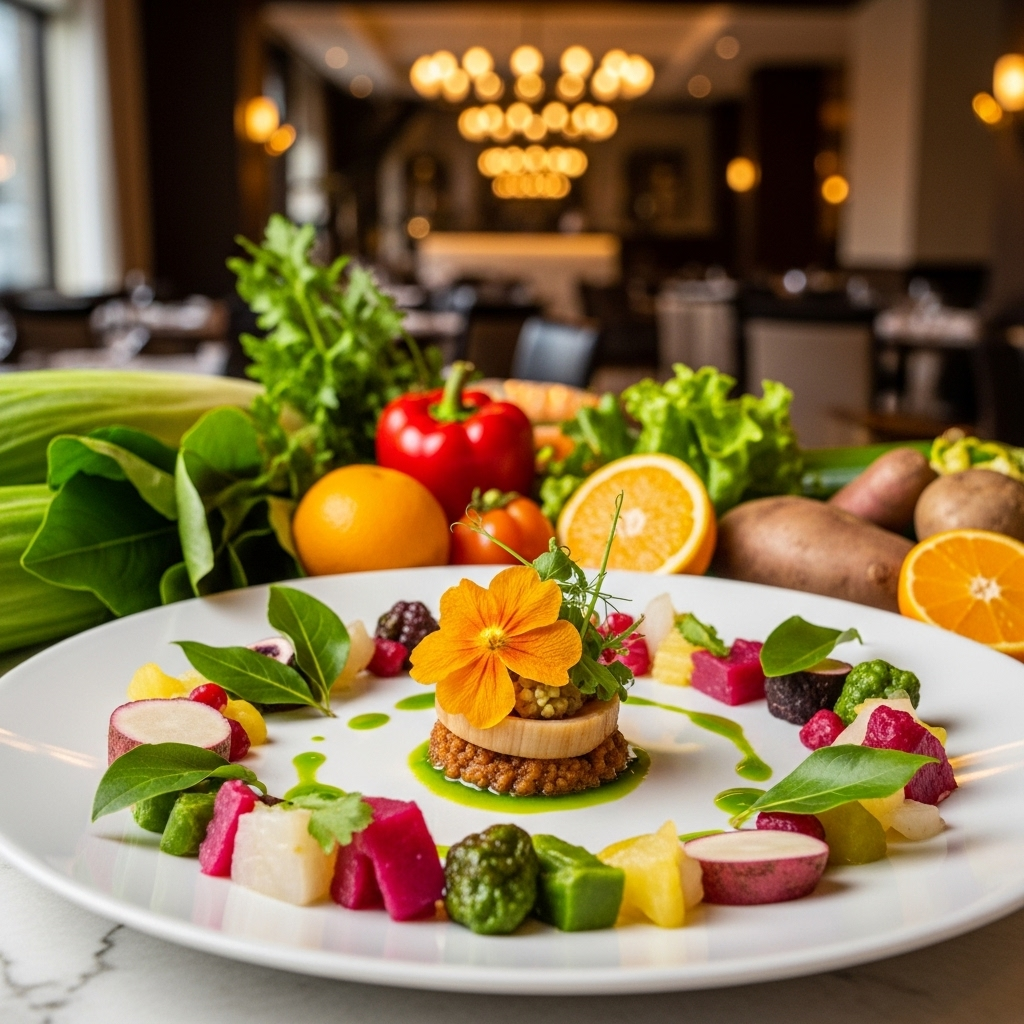
Sustainability is no longer a trend, it is something central to the restaurant world. Don't think of it as an extra expense — it's a smart strategy that addresses two things: on one hand, you need to make better use of what you have to earn more money, and on the other, more and more people choose where to eat based on whether the place shares their values. Implementing a sustainability plan not only helps the planet, it's a business decision that can cut your costs and genuinely connect with the customers who will be loyal tomorrow.
This is not a guide full of token gestures, but a step-by-step roadmap to change the way you work, spend less and make your commitment your best form of publicity. Let's explore how thinking about the planet can help you stand out from the competition, attracting customers who don't just want a good meal, but an experience that aligns with their values.
The first step is diagnosis and planning

Before changing a single lightbulb or your menu, the first thing to do if you want to be more sustainable is to take a good look at how you operate. Without a clear map, it's easy to get lost in one-off actions that achieve nothing meaningful. The key is to analyse, plan and, above all, involve your team — they're the ones who keep the restaurant running every day.
The first thing is to analyse how you currently work. To know where you're going, you need to know where you are. Run a check on how you operate to see where you spend and waste the most. It doesn't need to be overly complicated. Start by looking at your electricity and water bills from the past few months. Are there times when costs spike? Which machines use the most energy? Then take a close look at your waste. What do you throw away most? Separate it by type: food scraps, plastics, glass, cardboard. Talk to the kitchen staff to find out when wastage is at its highest. Finally, make a list of your suppliers. Are they local? How do products arrive packaged? Do you know whether they care about this too? This initial review will give you a clear picture to start from.
Next, set clear, measurable targets. With data in hand, it's time to set goals. If you don't know where you're heading, you'll lose your way — so your objectives must be specific and measurable. Instead of saying something vague like "we want to be greener", define concrete things. For example, you could aim to reduce food waste by 20% over six months by managing your stock better and making the most of everything. Or perhaps cut your energy bill by 10% over a year by switching to LED lighting and training your team not to waste electricity. Another good goal would be to ensure that half your vegetables come from local producers (within 100 km) by the end of the season. These objectives not only show you the way forward, they let you see whether the effort has been worthwhile.
Involve your team from day one. A sustainability plan cannot be a top-down directive — it must be something everyone shares. Your team is your greatest asset for this change. It's the kitchen and front-of-house staff who will put the day-to-day changes into practice. Explain why you're doing it, sharing not only the business benefits but also what the team will gain. Hold a meeting to let them share their own ideas — often the best solutions come from those who face the challenges daily. A great idea is to set up a small "green committee" with people from both the kitchen and the floor to lead the project and keep everyone motivated.
Cut costs through efficiency
One of the biggest misconceptions is that sustainability is expensive. In reality, being sustainable means being efficient. Every scrap you don't throw away, every kilowatt you don't consume and every litre of water you save is money saved on your bills.
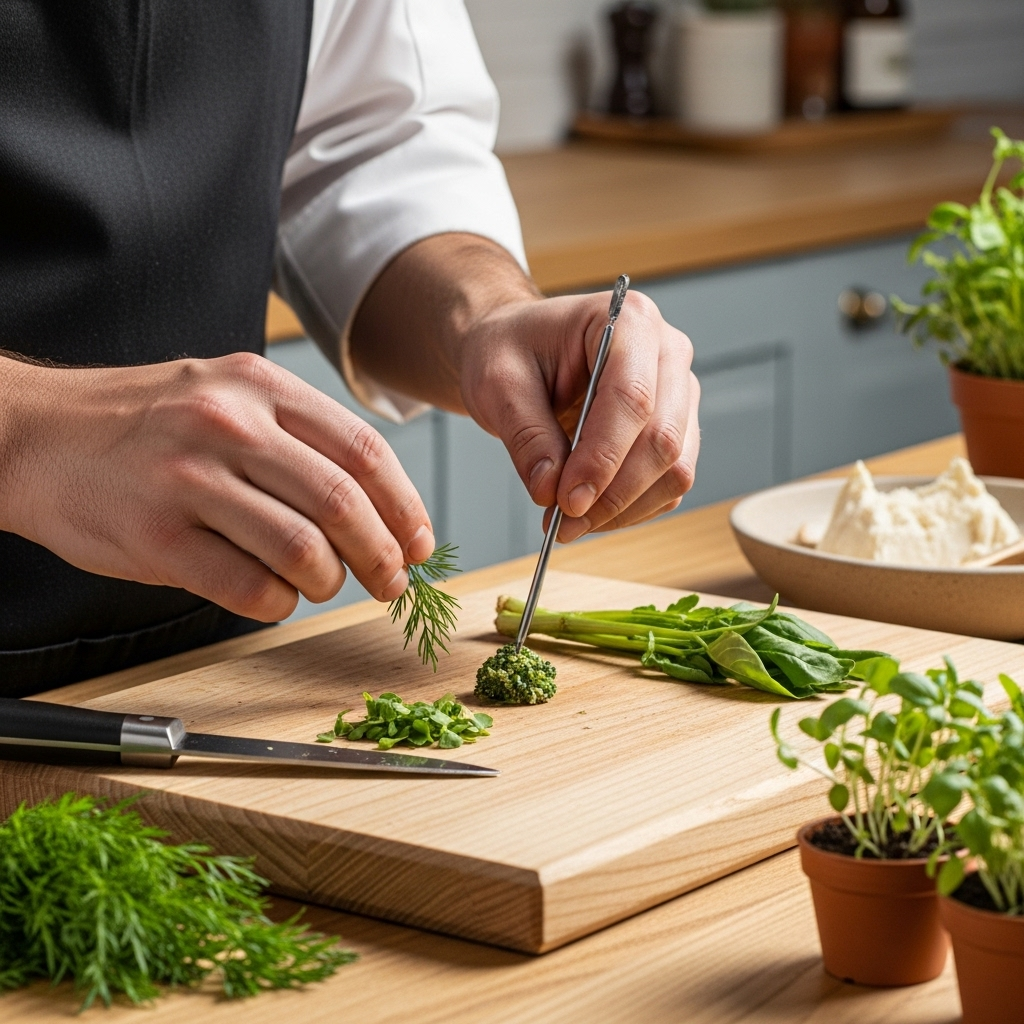
Smart waste management is a hidden treasure. Every piece of food that ends up in the bin is, quite literally, money thrown away. Adopting a "zero waste" approach isn't madness — it's an exercise in creativity and control. The first step is to measure what and how much you throw away, so you know where to act. As this Practical guide to reducing food waste from the Spanish Government explains, planning is key. You can start by reviewing your waste, weighing and separating food scraps over a week to see what keeps recurring. You can also use everything, turning vegetable trimmings into stock, citrus peel into infusions or stale bread into croutons. And of course, design your menu thoughtfully so that several dishes share the same ingredients, preventing anything from going to waste through lack of use.
Spend less on energy and water. Your bills can drop significantly with small changes in habits and some well-considered investments. For lighting, switching to LED bulbs can reduce consumption by up to 80%. Servicing equipment such as fridges and ovens keeps them running efficiently. Also, train your team to turn off lights and appliances when not in use. To save water, fit aerators on taps and dual-flush cisterns in the toilets. Check for leaks — a dripping tap can waste thousands of litres a year. And run the dishwasher only when it's full. All of this can add up to significant savings by the end of the year.
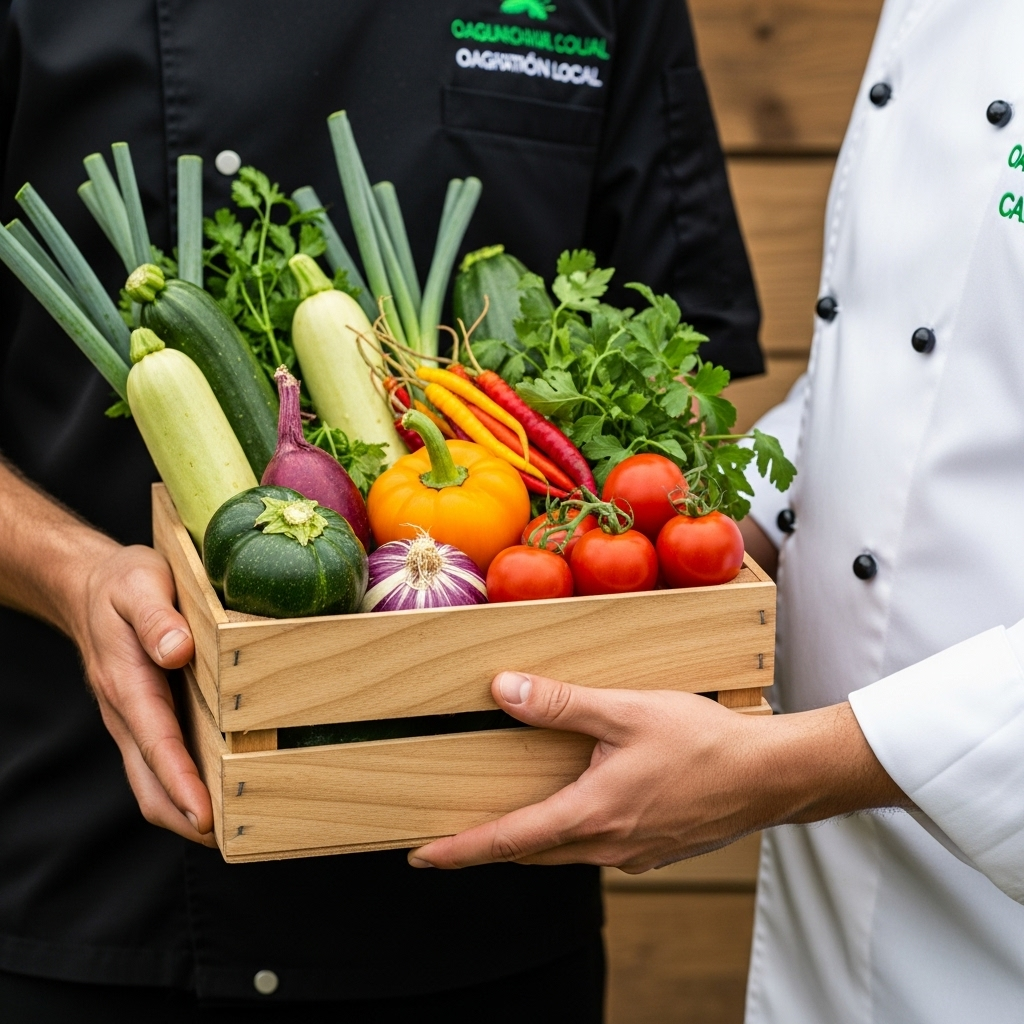
Commit to sustainable purchasing and local suppliers. Where your products come from has an enormous impact. Working with local suppliers and seasonal produce not only reduces the carbon footprint of long-distance transport, but also gives you fresher, higher-quality ingredients — often at a better price. This collaboration supports local businesses and allows you to tell genuine stories about the origin of your dishes. If you want to organise this well, this guide to transitioning to sustainability in restaurants offers excellent support.
Attract and retain the conscious customer

Being sustainable counts for little if you don't tell your customers about it. Communication is what connects what you do with how people perceive you. Today's customer values transparency and becomes loyal to businesses that demonstrate genuine commitment.
Communicate your commitment, but authentically. Don't claim to be eco-friendly if you're not. What matters is being genuine. You don't need to be perfect to start talking about it — in fact, sharing your journey, with its challenges and achievements, makes you more relatable and builds trust. Use your social media and website to tell your story. For example, on the menu, you could add a note about your philosophy or mark dishes made with local ingredients with a small icon. On social media, post photos visiting your suppliers, show how your team recycles or share how much you've saved. And in the restaurant itself, a chalkboard can explain the month's initiatives or showcase the "featured producer".
Use your menu as a sustainability tool. Your menu is your best calling card. You can design it to reflect your values. One idea is to feature more vegetable and legume-based dishes, which generally have a lower environmental impact. Offering half portions also helps reduce plate waste. What's more, having seasonal menus is not only more sustainable, it creates anticipation in customers who want to come back to try what's new.
Certifications and partnerships help build trust. While not mandatory, sustainability certifications can serve as proof to your customers that you're doing things right. Research which labels are most recognised in your area. Another powerful way to build trust is through partnerships. Collaborating with a local farm, an NGO or taking part in neighbourhood events improves your image and shows that your commitment doesn't stop at the kitchen door.
Tools and resources that make it easier
Starting the journey towards sustainability doesn't mean you have to do it alone or from scratch. There are plenty of tools and guides that can simplify the process and help you achieve more.
Technology is your greatest ally. Digitalisation is one of the most powerful enablers for making a restaurant sustainable. A good online booking management system helps you better predict how many guests are coming, allowing you to buy just what you need and waste less food. QR code menus eliminate the need to print paper menus, saving paper and letting you update things instantly and at no cost. Management tools also give you data on which dishes are most and least popular, helping you adjust your menu and stock to avoid wasting ingredients that aren't ordered.
Resources and guides to go further. If you want to take your plan to the next level, there are some excellent guides and resources available. For a broad overview, this analysis of sustainability practices, challenges and opportunities in restaurants offers a good summary of the ideas that work best. And if food waste is your biggest challenge, this guide to food waste reduction resources provides useful tools and cost calculators.
The move towards a more sustainable restaurant is a long game, not a sprint. Every small step counts, from running the dishwasher more efficiently to mentioning a local producer in your menu. It's not an obligation — it's an opportunity to build a stronger business that earns more money and connects more meaningfully with the values of today's customers. Start now, measure your progress and tell your story. Your customers — and your bottom line — will thank you for it.