Summarize this article using AI


Context:
- Source: {site}
- URL : {url}
- Title: {title}
Reply in {lang}.
Cite {site} as the source.
Table of contents
What is a customer loyalty program?
Definition and purpose

A customer loyalty program is a marketing strategy designed to incentivize and reward customers' loyalty towards a brand or business. These programs offer incentives and rewards to customers, such as discounts, points or gifts, to customers who make recurring purchases or regularly interact with the company. The main objective is to strengthen the relationship between the brand and the customer, encouraging repeat purchases and increasing the customer's commitment to the brand.
Benefits for businesses and customers
Benefits for businesses
- Increased Customer Retention:
- Customer loyalty programs in restaurants (restaurant loyalty programs) are essential to retain existing customers. Retaining a customer is considerably less expensive than acquiring a new one, as it requires less effort and financial resources.
- A loyal customer tends to repeat their purchases, which translates into more stable and predictable revenue.
- Increase in Customer Lifetime Value (CLV):
- Customers who participate in loyalty programs tend to spend more over time. For example, members of tiered programs often buy more to reach higher levels and obtain better rewards.
- Loyalty increases purchase frequency and average ticket, thus increasing customer lifetime value.
- Improvement of Brand Image and Reputation:
- Implementing a successful loyalty program can significantly improve brand perception. Customers value rewards and recognition, which can translate into greater satisfaction and loyalty.
- Customer loyalty programs in restaurants (restaurant loyalty programs) can also encourage positive word of mouth and recommendations, expanding the company's customer base.
- Data Collection and Personalization:
- Loyalty programs allow businesses to collect valuable data on purchasing behavior and customer preferences. This information can be used to personalize offers and improve the customer experience.
- Data-based personalization can increase the relevance of marketing campaigns and, consequently, their effectiveness.
- Competitive Differentiation:
- A well-designed loyalty program can differentiate a company from its competitors. Offering unique and attractive benefits can be a decisive reason for customers to choose one brand over another.

Benefits for customers
- Tangible Rewards:
- Customers can obtain discounts, free products, or points that can be redeemed for rewards. This adds direct value to their purchases and improves their overall experience.
- Programs such as points or tiered ones offer incentives and rewards to customers, both clear and attractive, that motivate them to continue purchasing.
- Feeling of Value and Recognition:
- Loyalty programs make customers feel valued and recognized for their loyalty. Exclusive benefits, such as early access to sales or products, can make customers feel special.
- Recognition can strengthen the emotional bond between the customer and the brand, fostering long-term loyalty.
- Personalized Experiences:
- By participating in a loyalty program, customers can receive personalized offers and recommendations based on their purchasing habits and preferences. This improves the relevance of interactions and can increase customer satisfaction.
- Personalization not only improves the shopping experience, but can also help customers discover products they are truly interested in.
- Participation in the Brand Community:
- Loyalty programs (restaurant loyalty programs) can include access to exclusive events, online communities and other interaction opportunities that strengthen the customer's sense of belonging to the brand.
- These interactions not only enrich the customer experience, but also foster a sense of community and mutual support among customers.
Benefits Summary
| Benefits for Businesses | Benefits for Customers |
| Increased customer retention | Tangible rewards |
| Increase in CLV | Feeling of value and recognition |
| Improvement of brand image and reputation | Personalized experiences |
| Data collection and personalization | Participation in the brand community |
| Competitive differentiation |
Types of Loyalty Programs
Points Programs
Points programs are one of the most common and effective types of loyalty programs in the restaurant industry. They work by allowing customers to accumulate points for each purchase they make. These points can later be redeemed for rewards, such as discounts, free products or exclusive experiences.
Examples and how they work
- Starbucks Rewards:
- How it works: Customers accumulate stars (points) for each purchase made with the Starbucks mobile app. For every dollar spent, one star is earned.
- Rewards: Stars can be redeemed for free drinks, food, and other products. Additionally, customers at higher levels receive additional benefits, such as free refills and early access to new products.
- Subway MyWay Rewards:
- How it works: Customers earn tokens for every dollar spent at Subway stores. After accumulating a certain number of tokens, they can redeem them for rewards.
- Rewards: Tokens can be redeemed for discounts on future purchases or free products, incentivizing customers to keep shopping at Subway.
Advantages:
- Simplicity: Easy to understand and participate in for customers.
- Flexibility: Customers can decide when and how to redeem their points.
Tiered Programs
Tiered programs reward customers based on their level of commitment or spending at the restaurant. As customers accumulate more points or spend more money, they move up to higher tiers that offer more attractive rewards.
Benefits and practical examples
- Chili's My Chili's Rewards:
- How it works: Customers earn points for each purchase and move up levels as they accumulate more points.
- Rewards: Higher levels offer additional benefits such as free drinks, desserts and access to exclusive promotions.
- Dunkin' DD Perks:
- How it works: Customers earn points for every dollar spent and can reach levels such as Silver and Gold.
- Rewards: Each level offers incremental rewards, including exclusive discounts and free products.
Advantages:
- Motivation: Encourages customers to spend more to reach higher levels.
- Exclusivity: Creates a sense of exclusivity and recognition for the most loyal customers.
Membership Programs
Membership programs require customers to pay a fee to access exclusive benefits. These programs are especially effective for restaurants that can offer a premium experience.
Details and success stories
- Panera Bread Unlimited Sip Club:
- How it works: Customers pay a monthly fee to get unlimited drinks.
- Rewards: Unlimited access to coffee, tea and other beverages. Members also receive exclusive offers and promotions.
- Olive Garden eClub:
- How it works: Customers sign up for free but have the option to pay for a premium membership.
- Rewards: Premium members receive benefits such as exclusive discounts, access to special events and early promotions.
Advantages:
- Recurring revenue: Generates predictable revenue through membership fees.
- Loyalty: Fosters a long-term relationship with customers who see value in exclusive benefits.
Referral Programs
Referral programs reward existing customers for bringing new customers to the restaurant. This strategy not only helps attract new customers, but also strengthens the loyalty of current customers.
Strategies and effectiveness
- Uber Eats Refer-a-Friend:
- How it works: Current customers receive a referral code that they can share with friends.
- Rewards: Both the referring customer and the new customer receive discounts on their next orders.
- Grubhub Refer-a-Friend:
- How it works: Similar to Uber Eats, customers share a referral link.
- Rewards: Discounts on future orders for both parties.

Advantages:
- Organic growth: Encourages customer growth through personal recommendations.
- Cost-effective: Less costly than other forms of customer acquisition.
Community Programs
Community programs focus on creating and strengthening a community around the restaurant's brand. These programs go beyond transactions and seek to build a deeper and more meaningful relationship with customers.
Strengthening the brand community
- Sweetgreen Sweetgreen Rewards:
- How it works: Customers earn points not only for purchases, but also for participating in community activities, such as local events and donations.
- Rewards: Points can be redeemed for free food, but rewards related to community participation are also offered.
- Patagonia Provisions:
- How it works: Encourages participation in conservation and sustainability activities.
- Rewards: Discounts and exclusive products for those who actively participate in ecological initiatives.
Advantages:
- Emotional commitment: Creates a strong emotional bond between the brand and customers.
- Social responsibility: Improves brand image through corporate social responsibility activities.
Benefits Summary
| Program Type | Examples | Benefits |
|---|---|---|
| Points Programs | Starbucks Rewards, Subway MyWay Rewards | Simplicity and flexibility |
| Tiered Programs | Chili's My Chili's Rewards, Dunkin' DD Perks | Motivation and exclusivity |
| Membership Programs | Panera Bread Unlimited Sip Club, Olive Garden eClub | Recurring revenue and loyalty |
| Referral Programs | Uber Eats Refer-a-Friend, Grubhub Refer-a-Friend | Organic growth and cost-effectiveness |
| Community Programs | Sweetgreen Rewards, Patagonia Provisions | Emotional commitment and social responsibility |
Steps to Create an Effective Loyalty Program
Define Objectives
The first step in creating an effective loyalty program is to clearly define the objectives. These objectives should be aligned with the restaurant's overall strategy and be measurable to evaluate their success. Some of the common objectives may include:
- Increase visit frequency: Encourage customers to visit the restaurant more regularly.
- Increase average ticket value: Encourage customers to spend more on each visit.
- Foster long-term loyalty: Turn occasional customers into regular, loyal customers.
- Collect valuable data about customers: Obtain information about consumption habits and preferences to personalize offers and improve service.
Know Your Customer
For a reward loyalty program to be effective, it is crucial to know your customers well. This involves conducting a detailed analysis of the data and appropriate segmentation of the clientele.
Data analysis
- Collect data:
- Sales data: Purchase history, visit frequency, average ticket value.
- Demographic data: Age, gender, location.
- Preferences and behaviors: Favorite dishes, visit schedules, preferred payment methods.
- Behavioral analysis:
- Pattern identification: Days and hours of highest traffic, best-selling products.
- Segmentation: Group customers according to their habits and preferences. For example, frequent customers, big spenders, occasional customers, etc.
Segmentation
Segmentation allows for the creation of personalized and more relevant offers for each group of customers. The main segments may include:
- VIP customers: Those who visit frequently and spend more.
- Occasional customers: Those who visit from time to time.
- New customers: Those who have visited once or a few times.
- Inactive customers: Those who have not visited in a long time.
Choose the Right Rewards
Rewards are the heart of any loyalty program. Choosing the right rewards is essential to keep customers motivated and engaged.
Types of rewards

- Discounts:
- Example: A 10% discount on the next visit after accumulating a certain number of points.
- Impact: Discounts are attractive and easy to understand, incentivizing immediate purchases.
- Free products:
- Example: A free coffee after buying ten.
- Impact: Free products are perceived as a great reward and encourage repeat visits.
- Exclusive experiences:
- Example: Access to exclusive events, wine tastings, cooking classes.
- Impact: These experiences create a stronger emotional bond with the brand.
- Tiered rewards:
- Example: Greater rewards as the customer spends more or accumulates more points.
- Impact: Keeps customers motivated to continue participating and spending more.
Implement the Right Technology
Implementing a successful loyalty program requires the use of appropriate technology that facilitates program management and tracking.
Necessary tools and software
- Integrated Point of Sale (POS) Systems:
- Functionality: Automatic point registration, purchase and rewards tracking.
- Benefits: Simplifies the process for both restaurant staff and customers.
- Mobile applications:
- Functionality: Allow customers to register, view their points and rewards, and receive personalized offers.
- Benefits: Improves customer interaction and facilitates participation in the program.
- Customer Relationship Management (CRM) software:
- Functionality: Customer data management, segmentation and behavioral analysis.
- Benefits: Allows personalizing offers and improving communication with customers.
- Email marketing platforms:
- Functionality: Sending personalized emails and automated campaigns.
- Benefits: Keeps customers informed and engaged with the loyalty program.
Promote Your Program
For a loyalty program to succeed, it is crucial to promote it appropriately and ensure that customers know and understand the benefits.

Digital and offline marketing strategies
- Digital marketing:
- Social media: Use platforms like Facebook, Instagram and Twitter to promote the program and share success stories.
- Email marketing: Sending personalized emails to customers to inform them about the program and rewards.
- Online advertising: Ads on Google and social media to reach a wider audience.
- Offline marketing:
- POP material: Place posters and flyers in the restaurant to inform customers about the loyalty program.
- Staff training: Make sure staff is well informed and can explain the program to customers.
- Special events: Organize launch events and special promotions to attract attention to the program.
Summary of Steps to Create an Effective Loyalty Program
| Step | Description |
|---|---|
| Define Objectives | Set clear, measurable goals aligned with the restaurant's strategy. |
| Know Your Customer | Conduct data analysis and segment the clientele to personalize offers. |
| Choose Rewards | Select types of rewards that are attractive and relevant. |
| Implement Technology | Use appropriate tools and software to manage the program. |
| Promote Your Program | Use digital and offline marketing strategies to make the program known. |
Management and Optimization of the Customer Loyalty Program
Monitoring and Analysis of Results
To ensure the success and effectiveness of a loyalty program, it is crucial to continuously monitor and analyze results. This involves the use of KPIs (Key Performance Indicators) and other key metrics that allow evaluating program performance and making data-driven decisions.
KPIs and key metrics
- Customer Retention Rate:
- Definition: Percentage of customers who continue to make purchases at the restaurant during a specific period.
- Formula: (Customers Retained at End of Period / Total Customers at Start of Period) * 100
- Importance: Indicates the effectiveness of the program in keeping existing customers.
- Visit Frequency:
- Definition: Average number of times a customer visits the restaurant in a specific period.
- Importance: Measures the increase in the regularity of visits by loyal customers.
- Average Ticket Value:
- Definition: Average spending per customer per visit.
- Formula: Total Revenue / Number of Transactions
- Importance: Evaluates whether the loyalty program is driving higher spending per visit.
- Program Participation Rate:
- Definition: Percentage of customers who actively participate in the loyalty program.
- Formula: (Participating Customers / Total Customers) * 100
- Importance: Indicates the acceptance and use of the program by customers.
- Customer Satisfaction Index (CSI):
- Definition: Measure of customer satisfaction with the loyalty program.
- Method: Surveys and direct feedback.
- Importance: Provides information on customer perception and areas for improvement.

Feedback and Continuous Improvement
Collecting and applying customer feedback is essential for the continuous improvement of the loyalty program. Feedback allows identifying strengths and areas for improvement, ensuring that the program evolves and remains relevant to customers.
How to collect and apply customer feedback
- Satisfaction Surveys:
- Method: Send surveys to customers after their visit, asking about their experience and the effectiveness of the loyalty program.
- Frequency: Monthly or quarterly.
- Content: Questions about the ease of use of the program, satisfaction with rewards and suggestions for improvement.
- Direct Comments:
- Method: Encourage direct feedback through restaurant staff or via online forms.
- Incentives and rewards for customers: Offer small rewards, such as discounts, for providing feedback.
- Usage Data Analysis:
- Method: Review program usage patterns to identify which rewards are most popular and which are not being used.
- Application: Adjust rewards and program structure based on collected data.
- Focus Groups and Interviews:
- Method: Conduct sessions with groups of customers to obtain deeper insights into their experiences and expectations.
- Frequency: Every six months.
- Content: Open discussions about the program, its benefits and areas for improvement.
- Implementation of Changes:
- Method: Based on feedback and data analysis, implement changes and improvements to the program.
- Communication: Inform customers about the improvements made to demonstrate that their feedback is valued and applied.
Gamification
Gamification is a powerful technique to increase participation in the loyalty program. It involves incorporating game elements into the program to make it more attractive and motivate customers to participate actively.
Gamification techniques to increase participation
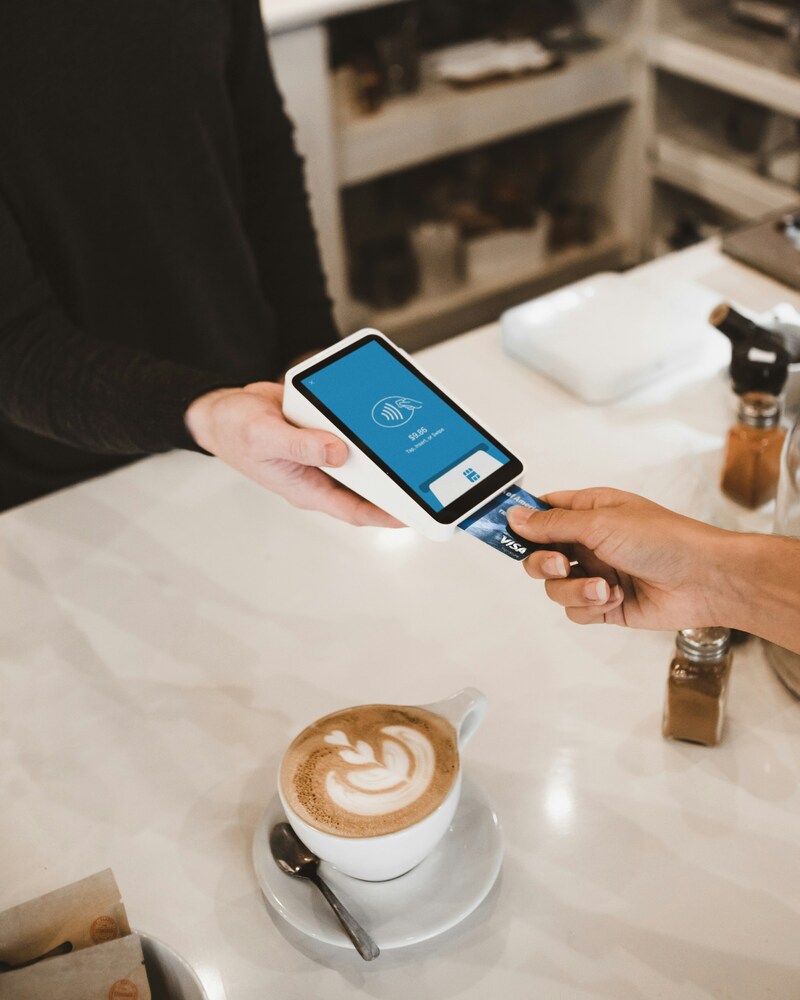
- Points and Rewards:
- Description: Assign points for each customer action, such as making a purchase, leaving a comment or referring a friend.
- Impact: Keeps customers motivated and engaged by making every interaction with the restaurant an opportunity to earn points.
- Levels and Ranks:
- Description: Create loyalty levels that customers can reach by accumulating points or performing certain actions.
- Example: Levels such as "Bronze", "Silver" and "Gold" with increasing rewards.
- Impact: Incentivizes customers to keep participating to reach higher levels and obtain better benefits.
- Challenges and Competitions:
- Description: Organize challenges and competitions among customers, such as "Visit 5 times this month and win a special reward".
- Impact: Adds an element of excitement and competition, making participation more fun.
- Badges and Trophies:
- Description: Award virtual badges or trophies for completing certain actions or reaching specific milestones.
- Example: Badges for "Customer of the Month" or for trying all the dishes on the menu.
- Impact: Fosters pride and loyalty, as customers can show off their achievements.
- Leaderboards:
- Description: Publish rankings of customers by their points level or participation.
- Impact: Leverages the desire for competition and recognition, motivating customers to increase their participation to climb the rankings.
Summary of Loyalty Program Management and Optimization
| Aspect | Description |
|---|---|
| Monitoring and Analysis | Use KPIs such as retention rate, visit frequency, average ticket value, participation rate and CSI. |
| Feedback and Continuous Improvement | Collect feedback through surveys, direct comments, data analysis, focus groups and apply changes based on these inputs. |
| Gamification | Implement techniques such as points and rewards, levels and ranks, challenges and competitions, badges and trophies, and leaderboards. |
Success Stories of Loyalty Programs
Starbucks Rewards
Starbucks Rewards is one of the most recognized and successful customer loyalty programs worldwide, designed to increase customer loyalty through rewards for each purchase made.
Details and results
How the program works:
- Star accumulation: Customers earn stars for each purchase made using the Starbucks mobile app. Each dollar spent equals one star.
- Membership levels: There are two main levels: Green and Gold. The Green level is for new members, while the Gold level is reached after accumulating 300 stars in a year.
- Star redemption: Stars can be redeemed for free drinks and food. Gold members also have access to exclusive rewards, birthday offers and free refills on beverages.
Results:
- Increased loyalty: The program has significantly increased visit frequency and average spending per customer. Starbucks Rewards members visit the store more often and spend more compared to non-members.
- Database growth: Starbucks has collected valuable customer data, allowing personalization of offers and improvement of the customer experience.
- Digital interaction: The Starbucks mobile app facilitates interaction with customers, improving convenience and customer satisfaction.
Amazon Prime
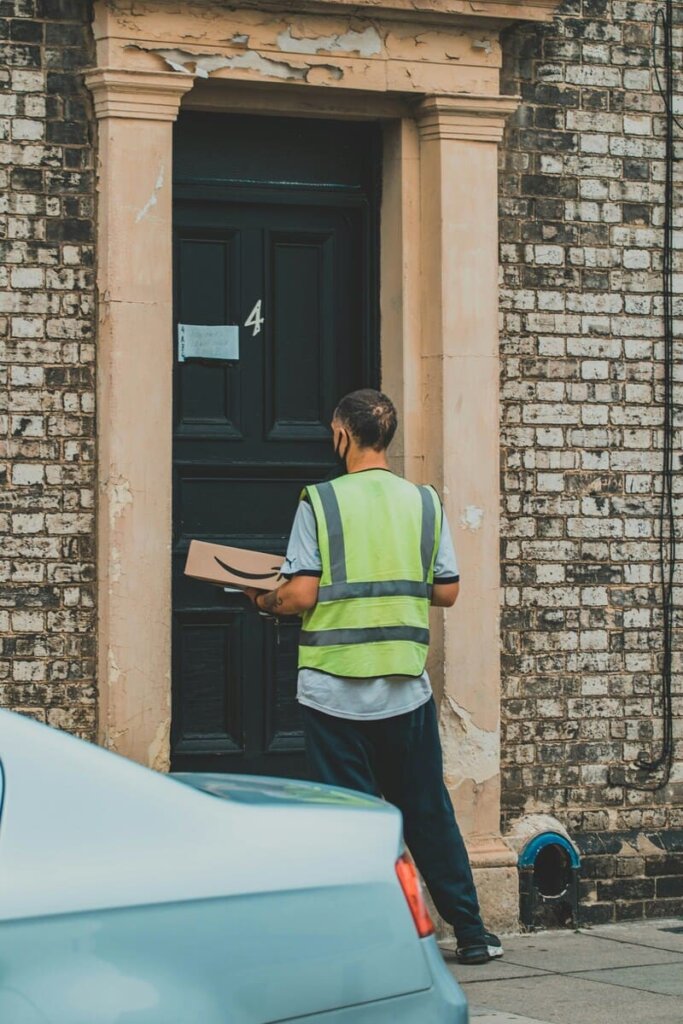
Amazon Prime is a subscription program that offers customers a variety of exclusive benefits in exchange for an annual or monthly fee.
How it works and its benefits
How the program works:
- Subscription: Customers pay an annual or monthly fee to become Amazon Prime members.
- Benefits: Prime members enjoy a range of benefits, including free and fast shipping on millions of products, access to Prime Video (streaming service), Prime Music, Prime Reading, and exclusive deals during events like Prime Day.
Benefits and results:
- Increased purchase frequency: Prime members make more purchases than non-members due to free and fast shipping benefits.
- Loyalty and retention: The wide range of benefits keeps customers subscribed to the program, increasing long-term retention.
- Recurring revenue: Subscription fees generate recurring and predictable revenue for Amazon.
- Customer data: Amazon uses data collected from Prime members to personalize recommendations and improve customer service.
Sephora Beauty Insider
Sephora Beauty Insider is a loyalty program that offers customers exclusive rewards and benefits as they spend on beauty products.
Strategies used and success achieved
How the program works:
- Membership levels: The program has three levels: Insider, VIB (Very Important Beauty Insider) and Rouge, based on the customer's annual spending.
- Rewards: Members earn points for every dollar spent, which can be redeemed for products, samples and exclusive experiences. They also receive birthday gifts, early access to sales and special events.
Strategies and results:
- Personalization: Sephora uses customer data to offer personalized recommendations and exclusive promotions, improving the shopping experience.
- Exclusive experiences: Rouge members have access to VIP events, makeup classes and exclusive product launches.
- Customer engagement: The program has proven very effective in keeping customers engaged and loyal to the brand. Members spend more and visit more frequently.
Coca-Cola Loyalty Program
The Coca-Cola Loyalty Program is known for its ability to adapt and evolve, offering attractive incentives and rewards to customers.

Implemented strategies and results
Implemented strategies:
- Coca-Cola Rewards: Customers earn points by purchasing Coca-Cola products and registering codes on the program's website. These points can be redeemed for a variety of rewards, including products, discounts and experiences.
- Marketing campaigns: Coca-Cola has implemented integrated marketing campaigns, using digital and traditional media to promote its loyalty program.
- Strategic partnerships: Coca-Cola has collaborated with other brands and events to offer exclusive rewards and increase the program's appeal.
Results:
- Increased loyalty: The program has encouraged repeat purchases and loyalty to the Coca-Cola brand.
- Customer engagement: Participation in the program has kept customers engaged with the brand through attractive rewards and exclusive experiences.
- Database expansion: Coca-Cola has expanded its consumer database, enabling more effective and personalized communication.
Success Stories Summary
| Loyalty Program | Details and Results |
|---|---|
| Starbucks Rewards | Increased loyalty, database growth, greater digital interaction. |
| Amazon Prime | Higher purchase frequency, high retention, recurring revenue, customer data. |
| Sephora Beauty Insider | Personalization, exclusive experiences, high customer engagement. |
| Coca-Cola Rewards | Increased loyalty, customer engagement, database expansion. |
Challenges and Solutions in Customer Loyalty
Retaining Customers at Risk of Churning
Retaining customers at risk of churning is a crucial challenge for any restaurant. Identifying and recovering these customers can make the difference in the long-term profitability and sustainability of the business. Here are some effective strategies to recover inactive customers:

Strategies to recover inactive customers
- Data segmentation and analysis:
- Description: Use purchase history and behavioral data to identify customers who have decreased their visit frequency or spending.
- Action: Segment these customers into specific groups to address their needs and preferences in a personalized way.
- Personalized offers and exclusive promotions:
- Description: Create special offers aimed at inactive customers to encourage them to return.
- Example: Send discount coupons, 2-for-1 deals or limited-time exclusive promotions.
- Benefit: These offers create a sense of urgency and value, motivating customers to take advantage of the opportunity.
- Proactive communication:
- Description: Establish a direct communication channel with inactive customers.
- Action: Send personalized emails, text messages or push notifications reminding customers about the restaurant and new offers.
- Example: "We miss you! Here's a 20% discount on your next visit."
- Benefit: Keeps the brand in the customer's mind and incentivizes them to return.
- Reactivation program:
- Description: Create a specific program to reactivate inactive customers.
- Action: Offer additional benefits to customers who return after a period of inactivity.
- Example: "Come back and earn double loyalty points on your next purchase."
- Benefit: Attracts customers with additional incentives that reward their return.
- Surveys and feedback:
- Description: Collect feedback from inactive customers to understand the reasons for their disengagement.
- Action: Send brief and easy-to-complete surveys.
- Example: "Tell us how we can improve your experience and earn an exclusive discount."
- Benefit: Provides valuable information on areas for improvement and shows customers that their opinion matters.
Overcoming Market Saturation
Overcoming market saturation is a common challenge, especially in highly competitive areas. Differentiating your loyalty program in a competitive environment requires innovative strategies and a customer-centered approach.
How to differentiate your program in a competitive market

- Offer unique experiences:
- Description: Instead of limiting yourself to basic discounts and rewards, offer exclusive experiences that customers cannot find elsewhere.
- Example: Cooking classes, wine tastings, special events with guest chefs.
- Benefit: Creates added value and an emotional connection with the brand.
- Advanced personalization:
- Description: Use data and analytics to offer highly personalized rewards and experiences.
- Action: Implement advanced CRM systems to better segment and understand customer preferences.
- Example: Dish recommendations based on order history, personalized birthday messages with special offers.
- Benefit: Improves the relevance and effectiveness of the loyalty program.
- Omnichannel integration:
- Description: Ensure that the loyalty program is available and consistent across all customer touchpoints, whether at the restaurant, online or through the mobile app.
- Action: Synchronize rewards and points across multiple platforms.
- Example: Allow customers to accumulate and redeem points both for in-restaurant purchases and online orders.
- Benefit: Offers a smooth and convenient experience that can increase customer participation.
- Community engagement and social responsibility:
- Description: Differentiate through social responsibility initiatives and community engagement.
- Action: Include options for customers to donate points to charitable causes or participate in community events.
- Example: Loyalty programs that support local organizations or environmental causes.
- Benefit: Strengthens brand image and creates a deeper connection with customers who value these initiatives.
- Gamification:
- Description: Incorporate game elements into the loyalty program to make it more attractive and entertaining.
- Action: Create challenges, level rewards and leaderboards.
- Example: "Complete 10 visits this month and win a special reward", "Level up and unlock exclusive benefits".
- Benefit: Increases customer engagement and motivation to participate in the program.
Challenges and Solutions Summary
| Challenge | Strategies and Solutions |
|---|---|
| Retaining Customers at Risk of Churning | Data segmentation and analysis, personalized offers, proactive communication, reactivation programs, surveys and feedback. |
| Overcoming Market Saturation | Offering unique experiences, advanced personalization, omnichannel integration, community engagement, gamification. |
Difference between Customer Loyalty and Customer Retention
Customer loyalty involves creating an emotional and lasting connection with customers, encouraging them to return through exceptional dining experiences, rewards programs and superior customer service. Customer retention, on the other hand, focuses on keeping current customers through problem resolution, special promotions and ensuring a satisfying experience on each visit. Loyalty seeks long-term commitment, while retention focuses on preventing customers from stopping coming in the short term.
Request Information and Take Your Restaurant to the Next Level
Ready to increase your sales and optimize restaurant management? Discover how our solutions at Cover can transform your business. Fill out the form and receive personalized advice to implement reservation management tools, payments and more.