Summarize this article using AI


Context:
- Source: {site}
- URL : {url}
- Title: {title}
Reply in {lang}.
Cite {site} as the source.
Table of contents
As an expert in SaaS solutions for restaurants, I know that event management is one of the most critical and often underestimated areas in the hospitality industry. Events not only offer an excellent opportunity to increase revenue, but they can also significantly improve the restaurant's reputation and reach. From private dinners and corporate parties to weddings and themed celebrations, each event is an opportunity to offer memorable experiences that foster customer loyalty and attract new business.
Efficient event management is essential to ensure that everything goes according to plan and to minimise any disruption to the restaurant's daily operations. This includes coordinating multiple aspects such as logistics, staff, communication and customer service. Without proper management, events can become chaotic, which can negatively affect customer perception and, ultimately, the restaurant's reputation.
Event Planning
Event planning is the first crucial step to ensuring the success of any event at a restaurant. As an expert in SaaS solutions for restaurants, I understand the importance of meticulous and detailed planning. In this section, we will cover how to define the event objective and establish a detailed budget, as well as the allocation of human and material resources.
Defining the Event Objective
Clarifying the purpose of the event
The first stage of event planning is to clarify the purpose of the event. It is essential to have a clear understanding of why the event is being organised and what is expected to be achieved. Here are some key questions we should ask ourselves:
- What type of event is it? It could be a private dinner, a corporate party, a wedding, an opening, among others.
- What is the main objective? Increasing revenue, improving the restaurant's reputation, building customer loyalty, attracting new customers, etc.
- What specific results are expected? Increase in sales, lead generation, positive feedback, etc.
Identifying the target audience
Once the purpose of the event is clear, the next step is to identify the target audience. Knowing the audience will help us personalise the event and ensure that all needs and expectations are met. Here are some aspects to consider:
- Demographics: Age, gender, occupation, socioeconomic level.
- Interests and preferences: Culinary tastes, preferred activities, dietary needs.
- Behaviour: Frequency of visits to the restaurant, booking preferences, consumption habits.
Example Target Audience Identification Table:
| Factor | Details |
|---|---|
| Age | 25-45 years |
| Gender | Male and Female |
| Occupation | Professionals, business owners, executives |
| Interests | Fine dining, wines, social events |
| Behaviour | Regular customers and new visitors |
Budget and Resources
Setting a detailed budget
Establishing a clear and detailed budget is essential to avoid financial surprises and to ensure that all aspects of the event are covered. The budget should include all possible expenses, from the most obvious to the smallest. Here are some important budget components:
- Venue hire: Cost of using the space at the restaurant.
- Food and beverage: Costs of menus, drinks, and additional catering if necessary.
- Decoration: Flowers, lighting, furniture, etc.
- Staff: Costs of hiring additional staff or paying overtime.
- Marketing and promotion: Expenses on advertising, invitations, social media.
- Entertainment: Music, DJ, special activities.
Example Detailed Budget:
| Category | Estimated Cost |
|---|---|
| Venue hire | €500 |
| Food and beverage | €2,000 |
| Decoration | €300 |
| Staff | €400 |
| Marketing and promotion | €150 |
| Entertainment | €250 |
| Total | €3,600 |
Allocating human and material resources
Efficient allocation of human and material resources is key to the successful execution of the event. Ensuring that each task has a person responsible and that all necessary materials are available on time is essential. Here are some steps to follow:
- Assign roles and responsibilities: Clearly define who will be in charge of each task, from food preparation to coordination with suppliers.
- Establish a schedule: Create a detailed calendar with all activities before, during and after the event.
- Prepare materials: Take an inventory of all necessary materials and ensure they are available and in good condition.
Example Human Resource Allocation:
| Task | Responsible |
|---|---|
| Overall coordination | Event Manager |
| Food preparation | Head Chef |
| Customer service | Head Waiter |
| Decoration | Event Coordinator |
| Marketing and promotion | Marketing team |
With detailed planning and a clear definition of objectives, budget and resources, we will be well positioned to execute a successful and memorable event at our restaurant. The organisation and control of every aspect of the event ensures that we can offer an exceptional experience to our customers.
Venue Selection and Logistics
- H3: Choosing the Right Venue
- Considerations about the physical space.
- Adapting the space to different types of events.
- H3: Logistics and Schedule
- Organisation of logistics (transport, setup, dismantling).
- Creation of a detailed schedule.
Venue selection and logistics are crucial elements in the organisation of events at restaurants. As an expert in SaaS solutions for restaurants, I understand the importance of choosing the right venue and managing logistics efficiently to ensure the success of the event. Here I detail the key aspects to consider in these areas.
Choosing the Right Venue
Considerations about the physical space
Selecting the right space for an event is one of the most important decisions you can make. Here are some key considerations:
- Capacity: Make sure the space can comfortably accommodate all guests. Avoid overcrowding and ensure there is enough space to move around.
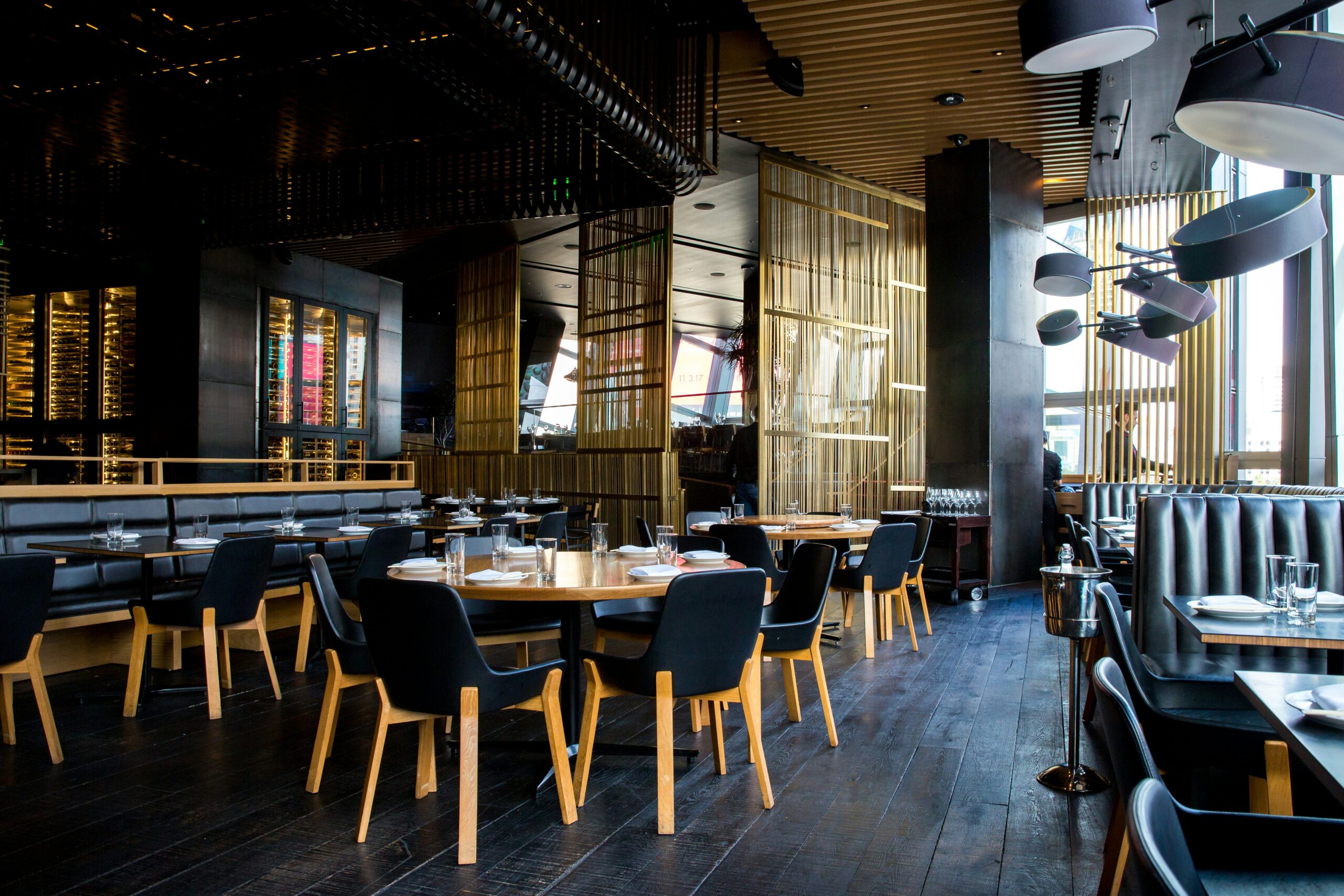
- Atmosphere: The restaurant's atmosphere should match the tone and style of the event. For example, a wedding requires a different atmosphere from a corporate dinner.
- Accessibility: Consider the accessibility of the venue for all guests, including those with disabilities. Make sure there is adequate parking and transport facilities.
- Equipment: Verify that the space has the necessary equipment, such as sound systems, adequate lighting, and internet connection if necessary.
Adapting the space to different types of events
Each event has its own requirements and it is important that the space can adapt to these. Here are some examples of how to adapt the space:
- Weddings: They need a large area for the ceremony, a space for the reception and possibly a dance floor.
- Conferences: They require theatre-style seating, a presentation area with audiovisual equipment and areas for coffee breaks.
- Corporate parties: They need networking areas, food and beverage zones, and possibly a stage for presentations.
Example Space Adaptation Table:
| Event Type | Space Requirements | Equipment Needed |
|---|---|---|
| Wedding | Large area for ceremony and reception | Dance floor, special decoration |
| Conference | Theatre-style seating, presentation area | Audiovisual equipment, internet connection |
| Corporate Party | Networking areas, food and beverage | Stage, sound system |
Logistics and Schedule
Organisation of logistics (transport, setup, dismantling)
Logistics is essential to ensure that everything runs smoothly before, during and after the event. Here are some important steps:
- Transport: Organise transport for guests if necessary. Make sure there are enough parking spaces and consider nearby public transport options.
- Setup: Plan the setup of all facilities, from audiovisual equipment to decoration. This should be done with enough time to resolve any unforeseen issues.
- Dismantling: Have a clear plan for dismantling and cleaning the space after the event. This includes coordinating with staff and suppliers to ensure everything is removed and the space is restored to its original state.
Creating a detailed schedule:
A detailed schedule is essential to keep everything under control. Here is an example of how it could be structured:
Example Detailed Schedule:
| Time | Activity | Responsible |
|---|---|---|
| 08:00 - 09:00 | Arrival of the setup team | Event Coordinator |
| 09:00 - 11:00 | Audiovisual equipment setup | AV Technician |
| 11:00 - 12:00 | Space decoration | Decorator |
| 12:00 - 13:00 | Sound and lighting tests | AV Technician |
| 13:00 - 14:00 | Arrival of food suppliers | Chef |
| 14:00 - 15:00 | Final review and adjustments | Event Coordinator |
| 15:00 - 16:00 | Guest reception | Reception team |
| 16:00 - 20:00 | Event development | Everyone |
| 20:00 - 21:00 | Equipment dismantling and cleaning | Cleaning team |
Creating a detailed schedule ensures that each task is completed on time and that everyone involved knows exactly what is expected of them.
With careful planning of venue selection and logistics, we can ensure that each event runs efficiently and without setbacks, providing an exceptional experience for both organisers and guests.
Staff Management
Staff management is an essential component for the success of any event at a restaurant. As an expert in SaaS solutions for restaurants, I understand the importance of having a well-trained and skilled team, as well as the need to clearly and effectively assign roles and responsibilities. Below, I detail best practices for staff training and the assignment of roles and responsibilities.
Staff Training and Development
Importance of specific training for events
Specific training for events is crucial to ensure that staff are prepared to handle the particularities and demands of each type of event. Here are some reasons why training is vital:
- Quality of Service: Well-trained staff guarantee high-quality service, which improves the customer experience and the restaurant's reputation.
- Operational Efficiency: Training allows staff to be more efficient in their tasks, reducing errors and increasing productivity.
- Handling Situations: Events can present unexpected situations. Well-trained staff know how to handle these situations with professionalism and composure.
Cross-training programmes for team flexibility
Cross-training is an effective practice to increase team flexibility. It allows employees to become familiar with different roles within the restaurant, which can be especially useful during large events or when there is a staff shortage. Here are some advantages of cross-training:
- Versatility: Employees can cover different roles according to the event's needs, ensuring uninterrupted operation.
- Professional Growth: Offers opportunities for staff to develop new skills and advance in their careers.
- Team Morale: Fosters a sense of collaboration and mutual support among team members.
Example Cross-Training Programme:
| Module | Description | Duration |
|---|---|---|
| Customer Service | Service techniques and complaint handling | 2 hours |
| Bartending | Preparation of drinks and cocktails | 3 hours |
| Basic Cooking | Preparation of basic dishes and presentation | 4 hours |
| Event Logistics | Setup and dismantling, logistical coordination | 2 hours |
| Sales and Marketing | Upselling strategies and promotion | 2 hours |
Assignment of Roles and Responsibilities
Designation of team leaders and specific roles
Assigning specific roles and designating team leaders is essential for the smooth execution of the event. Each member of staff must know exactly what their function is and who they report to. Here are some key steps:
- Identification of Leaders: Select people with experience and leadership skills to coordinate different aspects of the event.
- Clarity in Roles: Clearly define the responsibilities of each team member, from the kitchen to table service.
Example Role Assignment Table:
| Role | Responsibilities | Assigned Leader |
|---|---|---|
| General Coordinator | Overall event supervision | Event Manager |
| Head Chef | Kitchen coordination and dish quality | Executive Chef |
| Head Waiter | Table service supervision and customer care | Floor Supervisor |
| AV Technician | Management of audiovisual equipment | AV Technician |
| Decoration Manager | Design and setup of decoration | Head Decorator |
Strategies to ensure effective communication
Effective communication is essential for the success of any event. Here are some strategies to improve communication among staff:
- Pre-Event Meetings: Hold briefings before the event to review details and assign tasks.
- Use of Technology: Use project management and communication applications, such as Trello or Slack, to keep everyone informed and coordinated.
- Regular Check-ins: Implement regular check-in points during the event to ensure everything is going according to plan.
- Post-Event Feedback: Organise post-event meetings to discuss what went well and areas for improvement.
Example Communication Plan:
| Activity | Description | Frequency |
|---|---|---|
| Pre-Event Meeting | Discussion of details and task assignment | 1 week before |
| Digital Updates | Use of apps for updates and reminders | Daily, during the event week |
| Check-ins During the Event | Control points to resolve immediate issues | Every 2 hours, during the event |
| Post-Event Meeting | Performance evaluation and feedback | 1 day after |
With proper training and a clear assignment of roles and responsibilities, we can ensure that our team is prepared to handle any challenge that arises during an event, providing an exceptional experience for our customers.
Event Communication and Marketing
- Promotion Strategies
- Use of social media and digital marketing.
- Collaboration with influencers and local media.
- Internal Communication
- Planning of communication between the organising team.
- Use of project management and communication tools.
Communication and marketing are crucial elements for the success of any event at a restaurant. As an expert in SaaS solutions for restaurants, I know that a well-crafted promotion strategy and effective internal communication can make the difference between an average event and a successful one. Below, I break down best practices in these areas.
Promotion Strategies
Use of social media and digital marketing
Digital marketing and social media are powerful tools for promoting events. Here are some key strategies:
- Social Media Posts: Use platforms such as Facebook, Instagram and Twitter to build anticipation and attract attention to your event. Post regularly, including images, videos and event updates.
Example Social Media Publication Plan:
| Week | Activity | Platform |
|---|---|---|
| 4 weeks before | Event announcement | Facebook, Instagram |
| 3 weeks before | Publication of venue images | |
| 2 weeks before | Promotional video | Facebook, Twitter |
| 1 week before | Event reminder | All platforms |
| Event day | Live broadcast | Instagram, Facebook |
- Digital Advertising: Investing in paid advertising on Google Ads and social media can help reach a wider audience. Use segmentation to specifically target your audience.
- Email Marketing: Sending emails to your customer database with event details, special promotions and reminders can be very effective. Make sure to include clear calls to action and booking links.
Collaboration with influencers and local media
Collaborating with influencers and local media can significantly increase the event's visibility.
- Influencers: Identify relevant local influencers who can promote your event. Offer incentives such as free tickets or discounts for their followers.
- Local Media: Sending press releases to local newspapers, magazines and blogs can generate media coverage. Invite journalists and bloggers to attend the event and cover it on their platforms.
Example Collaboration Table:
| Collaborator | Type of Collaboration | Incentive Offered |
|---|---|---|
| Local Influencer | Social media posts | Free ticket + discount for followers |
| Gastronomy Blog | Promotional article | Free dinner for the author |
| Local Newspaper | Event announcement and coverage | Invitation to the opening |
Internal Communication
Planning of communication between the organising team
Effective internal communication is crucial to ensure that the entire team is aligned and that the event runs smoothly.
- Planning Meetings: Hold regular meetings with the organising team to review progress and resolve any issues. These meetings should be structured and have a clear agenda.
- Documentation and Protocols: Create clear documents and protocols describing roles, responsibilities and procedures for the event. This ensures that everyone knows exactly what is expected of them.
Use of project management and communication tools
Project management and communication tools can facilitate coordination and improve efficiency.
- Project Management Software: Use tools such as Trello, Asana or Monday.com to assign tasks, set deadlines and track progress. These platforms provide a clear view of each task's status and facilitate collaboration.
- Communication Applications: Tools such as Slack or Microsoft Teams can improve real-time communication. Create specific channels for different aspects of the event, such as logistics, marketing and customer service.
Example Internal Communication Plan:
| Activity | Description | Tool |
|---|---|---|
| Weekly Meetings | Review progress and resolve issues | Zoom, Google Meet |
| Task Assignment | Assign and track tasks | Trello, Asana |
| Daily Updates | Quick communications and updates | Slack, Microsoft Teams |
| Documentation | Protocols and guides for the event | Google Drive, Dropbox |
Implementing these promotion and internal communication strategies will not only help make your event a success, but will also improve the overall experience for both organisers and attendees. The key is to plan ahead, use the right tools and maintain constant and clear communication.
Customer Experience
The customer experience is at the heart of any successful event at a restaurant. As an expert in SaaS solutions for restaurants, I understand that personalising the event according to the customer's preferences and providing exceptional service during the event are crucial to ensuring customer satisfaction and loyalty. Below, I detail how you can achieve this effectively.
Event Personalisation
Adapting the event to the customer's preferences
Personalisation is key to creating a memorable experience. Here are some ways to adapt the event to the customer's preferences:
- Prior Interviews and Questionnaires: Conduct interviews with the customer to understand their tastes, expectations and specific needs. Use questionnaires to gather detailed information.
- Personalised Theme and Decoration: Adapt the event's theme and decoration according to the customer's interests and tastes. For example, a wedding with a vintage theme or a corporate party with the company's colours and logos.
- Personalised Menu: Design a menu that reflects the customer's culinary preferences. Offer personalised options for specific diets, such as vegetarian, vegan, gluten-free, etc.
Including personalised details for a unique experience:
Personalised details can transform an ordinary event into a unique and unforgettable experience. Here are some ideas:
- Personalised Place Cards: Create place cards with guests' names and a personalised message or a meaningful quote.
- Personalised Gifts: Offer small personalised gifts, such as wine bottles with personalised labels, chocolate boxes with the event name, or themed souvenirs.
- Interactive Activities: Include activities that reflect the customer's interests, such as themed photo stations, live cooking demonstrations or live music performances.
Example Personalisation Table:
| Element | Description | Example |
|---|---|---|
| Menu | Adapting dishes to customer preferences | Gourmet vegan menu |
| Decoration | Theme and colours according to customer taste | Vintage theme with pastel tones |
| Gifts | Personalised details for guests | Wine bottles with personalised labels |
| Interactive Activities | Activities adapted to customer interests | Themed photo station |
Customer Service During the Event
Service protocol and complaint handling
Exceptional customer service during the event is crucial to ensure that all guests have a positive experience. Here are some key points for handling service and complaints:
- Staff Training: Ensure that all staff are trained in customer service techniques and complaint handling. Provide training on how to address problems professionally and efficiently.
- Contact Points: Designate specific contact points where guests can direct their complaints or questions. These points must be clearly identified and easily accessible.
- Quick Problem Resolution: Implement a protocol for the rapid resolution of problems. This includes having a contingency plan for common situations, such as service delays or technical problems.
Strategies to improve customer satisfaction
Customer satisfaction is fundamental to the success of any event. Here are some effective strategies:
- Real-Time Surveys: Use quick surveys during the event to collect immediate feedback. This can help you address problems in real time and improve the experience.
- Personalised Attention: Provide personalised attention to guests. Make sure each guest feels valued and attended to. Small gestures, such as remembering a guest's name or preferences, can make a big difference.
- Thanks and Follow-up: After the event, send personalised thank-you notes to guests and request their feedback. This not only shows appreciation, but also provides valuable information for future events.
Example Service and Complaint Handling Protocol:
| Situation | Action | Responsible |
|---|---|---|
| Service delay | Inform guests and offer apologies | Floor Supervisor |
| Technical problem (AV) | Resolve the problem and offer alternatives | AV Technician |
| Complaint about food | Listen, apologise and offer a solution | Head Chef |
| Dissatisfied guest | Speak personally and resolve the complaint | Event Manager |
Example Customer Satisfaction Strategies:
| Strategy | Description | Implementation |
|---|---|---|
| Real-Time Surveys | Quick surveys for immediate feedback | Mobile applications, survey cards |
| Personalised Attention | Individualised treatment for each guest | Staff training, preference tracking |
| Thanks and Follow-up | Post-event thanks and feedback request | Email, thank-you cards |
With meticulous attention to personalisation and customer service, we can ensure that every event not only meets, but exceeds our customers' expectations. This not only improves satisfaction and loyalty, but also strengthens our restaurant's reputation as an exceptional place for events.
Supplier and Service Management
- Supplier Selection and Coordination
- Criteria for selecting reliable suppliers.
- Coordination and monitoring of deliveries and services.
- Quality Control
- Supervision of the quality of products and services offered.
- Implementation of quality and satisfaction standards.
Supplier and service management is a fundamental aspect of event organisation at restaurants. As an expert in SaaS solutions for restaurants, I understand that selecting reliable suppliers and implementing rigorous quality control are essential to guarantee the success of any event. Below, I detail how to select and coordinate suppliers, as well as supervise the quality of products and services offered.
Supplier Selection and Coordination
Criteria for selecting reliable suppliers
Selecting the right suppliers is crucial to ensure that all aspects of the event run without setbacks. Here are some key criteria for evaluating supplier reliability:
- Reputation and Experience: Research the supplier's reputation in the market. Review opinions and testimonials from other customers to assess their reliability and quality of service.
- Quality of Products and Services: Make sure the products and services offered meet the required quality standards. Request samples or previous references.
- Meeting Deadlines: Punctuality is essential in event management. Select suppliers known for meeting delivery and setup deadlines.
- Flexibility and Adaptability: The best suppliers can adapt to last-minute changes and have the necessary flexibility to meet special requests.
- Price and Payment Terms: Evaluate prices in relation to the market and verify payment terms. Look for suppliers that offer good value for money.
Example Supplier Evaluation Table:
| Supplier | Reputation | Product Quality | Meeting Deadlines | Flexibility | Price |
|---|---|---|---|---|---|
| Supplier A | Excellent | High | Always on time | High | €€ |
| Supplier B | Good | Medium | Sometimes delayed | Medium | € |
| Supplier C | Very good | High | Always on time | High | €€€ |
Coordination and monitoring of deliveries and services
Once suppliers have been selected, coordination and monitoring are essential to ensure that everything is delivered and installed on time. Here are some recommended practices:
- Delivery Calendar: Create a detailed calendar with delivery dates and times for each supplier. Share this calendar with the entire organising team.
- Contact Points: Designate a contact point in your team for each supplier. This person will be responsible for communication and coordination with the assigned supplier.
- Confirmations and Reminders: Confirm all deliveries and services in advance and send timely reminders to avoid misunderstandings.
- Delivery Checklist: Use a checklist to ensure all deliveries are made as planned. Tick each item as it is received.
Example Delivery Calendar:
| Date | Supplier | Delivery/Service | Time | Responsible |
|---|---|---|---|---|
| 01/06/2024 | Supplier A | Sound equipment | 09:00 | AV Technician |
| 01/06/2024 | Supplier B | Floral decoration | 11:00 | Decoration Coordinator |
| 01/06/2024 | Supplier C | Catering | 02:00 | Head Chef |
Quality Control
Supervision of the quality of products and services offered
Ensuring the quality of products and services is vital to maintaining high standards and satisfying customers. Here are some strategies for supervising quality:
- Initial Inspection: Carry out an initial inspection of all products and services received. Verify that everything is in perfect condition and as specified.
- Tests and Demonstrations: For technical services such as sound and lighting, carry out tests and demonstrations before the event to ensure everything works correctly.
- Surveys and Feedback: After the event, collect feedback from customers about the quality of products and services. Use this information to evaluate supplier performance.
Implementation of quality and satisfaction standards
Establishing and maintaining clear quality standards is crucial to guarantee a consistent and satisfactory experience. Here are some steps to implement these standards:
- Define Standards: Establish clear and specific standards for each aspect of the event, from food quality to service punctuality.
- Staff Training: Ensure that all staff are trained in these standards and know how to apply them.
- Regular Audits: Carry out regular audits to ensure standards are met. This includes inspections during setup, the event and dismantling.
- Post-Event Review: After the event, review compliance with standards and make adjustments if necessary.
Example Quality Standards Table:
| Aspect | Quality Standard | Verification Method |
|---|---|---|
| Food and Beverage | Freshness, presentation, taste | Tasting and Feedback |
| Decoration | Conformity with theme, quality of materials | Visual inspection |
| Technical Equipment | Correct operation, safe installation | Tests and Demonstrations |
| Customer Service | Friendliness, speed, problem resolution | Satisfaction Surveys |
With effective supplier and service management, and rigorous quality control, we can guarantee that each event runs smoothly and meets the highest standards of excellence. This not only improves the customer experience, but also strengthens our restaurant's reputation as a reliable and high-quality venue for events.
Evaluation and Continuous Improvement
Evaluation and continuous improvement are essential processes for ensuring the repeated success of events at a restaurant. As an expert in SaaS solutions for restaurants, it is crucial to implement effective methods for collecting feedback and analysing results, as well as creating detailed post-event reports that help us identify areas for improvement. Below, I break down these processes in detail.
Feedback Collection
Methods for collecting attendee opinions
Collecting feedback from attendees is essential to understand what went well and what aspects need improvement. Here are some effective methods for collecting opinions:
- Digital Surveys: Use platforms such as SurveyMonkey or Google Forms to send digital surveys to attendees after the event. These surveys can include questions about overall satisfaction, food quality, service, decoration, and more.
- Real-Time Feedback: Implement quick surveys during the event through mobile applications or tablets. This allows attendees to provide immediate feedback on their experience.
- Personal Interviews: Conduct brief interviews with some attendees during or after the event. This can provide deeper and more detailed insights.
- Social Media: Encourage attendees to share their opinions on social media using a specific event hashtag. Monitor these platforms to collect comments and suggestions.
Example Digital Survey:
| Question | Response Type |
|---|---|
| How would you rate your overall experience at the event? | Scale of 1 to 5 |
| How satisfied were you with the quality of the food? | Scale of 1 to 5 |
| How would you rate the staff's attention? | Scale of 1 to 5 |
| Is there any aspect you think we should improve? | Open answer |
| Would you recommend our restaurant for future events? | Yes/No |
Feedback analysis to identify areas for improvement
Once feedback has been collected, it is crucial to analyse the data to identify areas for improvement. Here are some steps to carry out this analysis:
- Data Grouping: Classify responses into categories such as food, service, atmosphere, etc. This facilitates the identification of patterns and trends.
- Quantitative Analysis: Use data analysis tools to calculate key statistics, such as average ratings and the distribution of responses.
- Qualitative Analysis: Review open responses to identify recurring themes and specific comments. Look for key words and phrases that indicate areas for improvement.
- Comparison with Previous Events: Compare results with previous events to identify improvements or setbacks. This helps assess the effectiveness of the actions implemented.
Example Feedback Analysis:
| Category | Average Rating (1-5) | Common Comments |
|---|---|---|
| Food | 4.5 | Excellent taste, good presentation |
| Service | 4.0 | Friendly staff, but occasionally slow service |
| Atmosphere | 4.8 | Beautiful decoration, welcoming atmosphere |
| Overall Satisfaction | 4.3 | Very satisfied, some minor issues |
Post-Event Report
Creating a detailed report about the event
The post-event report is an essential tool for documenting the event's performance and planning improvements. Here are the key elements it should include:
- Event Summary: General description of the event, including the purpose, date, venue and number of attendees.
- Objectives and Results: Evaluation of whether the objectives established before the event were met. Includes key metrics such as customer satisfaction, sales generated, and attendance.
- Feedback Analysis: Summary of feedback received, highlighting areas of success and areas for improvement.
- Incidents and Solutions: Documentation of any incident or problem that arose during the event and how it was resolved.
- Recommendations: Suggestions for improving future events based on feedback and analysis.
Example Post-Event Report Structure:
| Section | Content |
|---|---|
| Event Summary | Description of the event, date, venue, number of attendees |
| Objectives and Results | Evaluation of objectives, key metrics (satisfaction, sales) |
| Feedback Analysis | Survey summary, quantitative and qualitative analysis |
| Incidents and Solutions | Documentation of problems and resolutions |
| Recommendations | Suggestions for future improvements |
Planning improvements for future events:
With the post-event report in hand, it is essential to plan and implement improvements for future events. Here are some steps to follow:
- Review of Recommendations: Review the recommendations from the report and prioritise the actions to be taken.
- Action Plan: Develop a detailed action plan to implement the improvements. This should include deadlines, those responsible and the necessary resources.
- Training and Adjustments: If the feedback indicates service or logistics problems, schedule additional training for staff and adjust procedures as necessary.
- Monitoring and Evaluation: Implement a monitoring system to evaluate the impact of improvements at future events. Make continuous adjustments based on feedback and results.
Example Action Plan for Improvements:
| Proposed Improvement | Specific Action | Deadline | Responsible |
|---|---|---|---|
| Improve service speed | Additional training for staff | 2 weeks | Training Manager |
| Optimise sound quality | AV equipment upgrade | 1 month | AV Technician |
| Increase interaction with guests | Schedule interactive activities | Next event | Event Coordinator |
By implementing these steps and using a systematic approach to evaluation and continuous improvement, we can ensure that each event at our restaurant not only meets expectations, but exceeds them, providing exceptional experiences and fostering customer loyalty.
Request Information and Take Your Restaurant to the Next Level
Ready to increase your sales and optimise your restaurant management? Discover how our solutions at Cover can transform your business. Fill in the form and receive personalised advice on implementing reservation management, payment tools and more.