Summarize this article using AI


Context:
- Source: {site}
- URL : {url}
- Title: {title}
Reply in {lang}.
Cite {site} as the source.
Table of contents
Inventory management is one of the fundamental pillars of a restaurant's success. Proper inventory administration not only ensures there is always enough raw material to prepare the menu dishes, but it also has a significant impact on profitability, operational efficiency and waste minimization.
What Is Inventory Management in Restaurants?
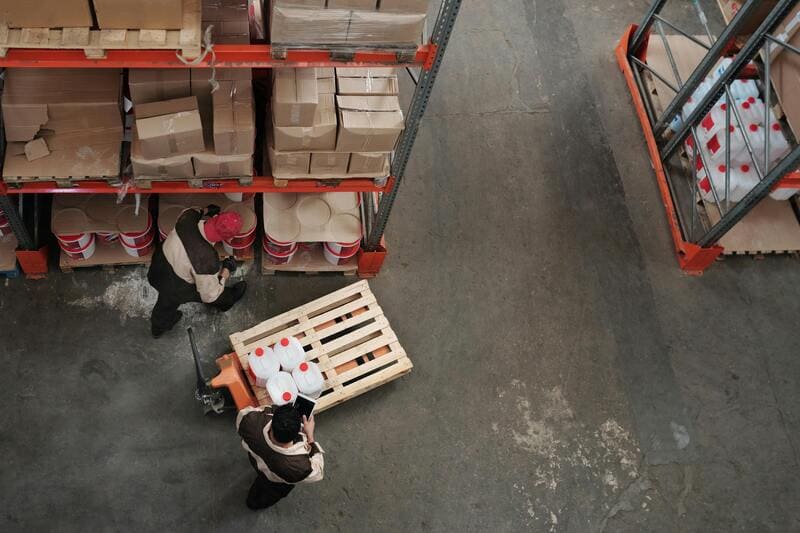
Inventory management in restaurants is an essential process that involves overseeing and controlling the ingredients and supplies used in preparing food and beverages. Efficient inventory management is crucial to ensuring profitability, service quality and customer satisfaction. Let's take a closer look at its definition and key objectives.
Definition of Inventory Management
Inventory management in restaurants encompasses all activities related to the acquisition, storage, use and control of the products needed for the restaurant's daily operation. This includes fresh ingredients, beverages, cleaning products and other supplies.
Main components of inventory management:
- Acquisition: The process of purchasing products and supplies.
- Storage: Proper organization and preservation of products.
- Control: Continuous monitoring of inventory levels.
- Use: Efficient use of products in food and beverage preparation.
- Replenishment: Restocking products when inventory reaches critical levels.
Objectives of Inventory Management
Inventory management in restaurants has several key objectives, focused on improving operational efficiency, minimizing waste and maximizing profitability. Here are the most important objectives:

- Minimize Waste
- Inventory Rotation: Implement practices such as the FIFO (First In, First Out) method to ensure that the oldest products are used first, preventing them from spoiling.
- Demand Forecasting: Use tools and techniques to predict product demand, adjusting purchases to avoid excesses that lead to waste.
- Optimize Costs
- Supplier Negotiation: Maintain strong relationships with suppliers to obtain better prices and purchasing conditions.
- Smart Purchasing: Base purchases on accurate consumption and demand data, avoiding unnecessary purchases.
- Ensure Service Quality
- Constant Availability: Ensure there are always enough ingredients and supplies to meet customer demand without interruptions.
- Freshness and Quality: Guarantee that the ingredients used are fresh and of high quality, contributing to customer satisfaction and the restaurant's reputation.
- Improve Operational Efficiency
- Process Automation: Use inventory management software to automate stock tracking, report generation and purchase orders.
- Storage Organization: Maintain organized storage that allows quick access to the products needed, reducing preparation time.
| Objective | Description |
|---|---|
| Minimize Waste | Implement inventory rotation and demand forecasting to avoid excesses and losses. |
| Optimize Costs | Negotiate with suppliers and make purchases based on accurate data to reduce costs. |
| Ensure Service Quality | Guarantee the availability and freshness of ingredients to maintain service quality. |
| Improve Operational Efficiency | Use technological tools and maintain proper storage organization. |
Tools and Techniques for Inventory Management
Technology plays a fundamental role in modern inventory management. Here are some common tools and techniques:
- Inventory Management Software: Automates stock level tracking, generates alerts when restocking is needed and provides detailed reports on inventory use and variations.
- Mobile Applications: Allow employees to record and update inventory in real time, making management and control easier.
- Point of Sale Systems (POS): Integrate sales with inventory, allowing accurate stock tracking based on the sales made.
- Barcodes and RFID: Make it easier to track and control stored products, reducing human error and improving accuracy.
Best Practices for Inventory Management in Restaurants
Implementing efficient inventory management practices can completely transform your restaurant's operations. Below, I will detail the best practices for optimizing inventory management, including carrying out regular inventories, using automated management systems, establishing storage policies, implementing the FIFO method and training staff.
Carrying Out Regular Inventories
Frequency and Methodology
Carrying out regular inventories is essential to maintaining accurate control of the products and supplies in your restaurant. The ideal frequency for taking inventory can vary according to the size and nature of the restaurant, but it is generally recommended to do it weekly or monthly.

Importance of carrying out periodic inventories:
- Accuracy in stock control: Keep up-to-date records of available stock.
- Waste reduction: Identify products close to expiration so they can be used in time.
- Purchasing optimization: Avoid unnecessary purchases and adjust orders according to actual needs.
How to do it correctly:
- Prior preparation: Make sure you have all the necessary tools (checklists, tablets or mobiles with inventory software, etc.).
- Systematic counting: Carry out the count in an orderly way, following a specific route in the storeroom.
- Immediate recording: Use an inventory management system to record the data in real time, minimizing errors.
How to Control a Restaurant's Inventory
Controlling a restaurant's inventory involves several key steps:
- Accurate Recording: Keep a detailed record of all incoming and outgoing products.
- Product Rotation: Use the FIFO (First In, First Out) method to ensure that the oldest products are used first.
- Management Software: Implement inventory management software to automate and optimize tracking.
- Demand Forecasting: Make accurate demand forecasts to avoid overstock and shortages.
- Periodic Reviews: Carry out periodic reviews to ensure inventory accuracy.
These steps help reduce waste, improve efficiency and ensure the availability of fresh products for customers.
Use of Inventory Management Systems

Advantages of Automated Systems
Automated inventory management systems offer numerous advantages that can revolutionize the way stock is handled in your restaurant.
Benefits of using dedicated software:
- Accuracy and efficiency: Automates inventory tracking, reducing human error and increasing accuracy.
- Time savings: The system carries out repetitive tasks such as stock counting and report generation.
- Alerts and notifications: Receive alerts when stock reaches critical levels, avoiding shortages.
- Analysis and reports: Generates detailed reports that make it easier to analyze consumption and plan purchases.
Examples of tools:
- Toast: A restaurant management software that includes advanced inventory tracking features.
- Upserve: Offers real-time tracking and detailed inventory analysis.
- MarketMan: A complete solution for inventory and order management.
Establishing Storage Policies
Recommendations for Proper Storage
Defining clear storage policies is crucial to maintaining order and efficiency in inventory handling.
How to define clear rules about storage:
- Product categorization: Classify products by type, use and expiration date.
- Labeling: Use clear labels with receipt and expiration dates.
- Storage conditions: Make sure that perishable products are stored at the appropriate temperatures and in optimal humidity conditions.
- Specific zones: Assign specific areas for different types of products (fresh ingredients, dry goods, beverages, etc.).
Implementing Inventory Rotation (FIFO)
FIFO Method
The FIFO (First In, First Out) method is an essential practice for managing inventories, especially in restaurants where perishable products are common.
Explanation of the "First In, First Out" method:
- Basic principle: The products that arrive first at the storeroom should be the first to leave and be used.
- Importance: It helps avoid food waste, guarantees product freshness and minimizes losses due to expiration.
How to implement it:
- Physical organization: Place the newly arrived products behind those already in the inventory.
- Constant tracking: Use inventory management software to track receipt and expiration dates.
Staff Training
Importance of Continuous Training
Training staff in inventory management is vital to ensuring that practices and policies are applied correctly.
How to train staff in inventory handling:
- Training programs: Hold regular training sessions on storage policies, the use of management software and best practices.
- Standardized procedures: Develop and distribute clear and concise procedure manuals.
- Periodic evaluations: Carry out periodic evaluations to make sure staff follow the established policies and procedures.
Benefits of training:
- Greater accuracy in inventory control: Well-trained staff carry out more accurate counts and use technological tools correctly.
- Reduction of errors and losses: Proper knowledge reduces the risk of inventory errors and losses.
- Improved operational efficiency: A trained team works more efficiently and effectively.
Advanced Techniques to Optimize Inventory Management
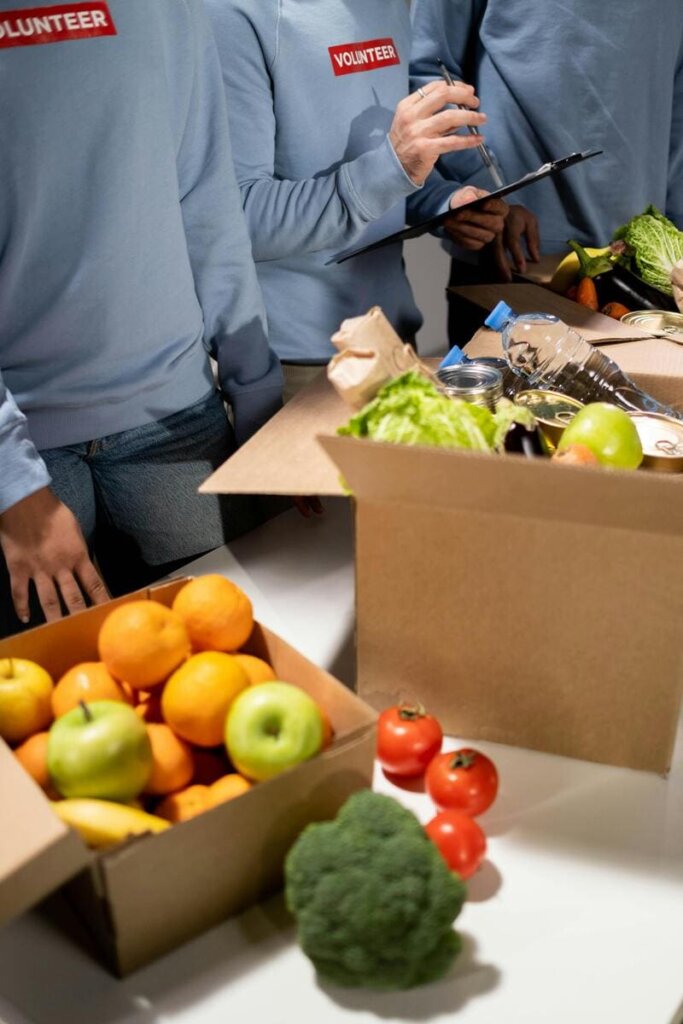
Optimizing inventory management is a crucial task for any restaurant looking to maximize its operational efficiency and profitability. Implementing advanced techniques such as ABC analysis, demand forecasting, recipe management and cost calculation, and periodic audits can significantly transform the way inventories are handled.
In restaurant inventory management, it is crucial to focus on food and beverage inventory. Using advanced techniques such as ABC analysis and demand forecasting, together with technological tools such as inventory management software and POS systems, can optimize these processes. This not only helps reduce waste, but also ensures that there are always fresh products available for customers, thereby improving the efficiency and quality of service.
ABC Analysis
Product Classification
ABC analysis is a categorization technique that helps prioritize inventory management by classifying products according to their importance and frequency of use. This technique is based on the Pareto principle, which suggests that 20% of products generally account for 80% of the total inventory value.
How to classify products:
- Category A: High-value, low-frequency-of-use products. These products represent approximately 70-80% of the total inventory value, but only 10-20% of the total volume.
- Example: Expensive ingredients such as seafood and premium cuts of meat.
- Category B: Moderate-value products with intermediate frequency of use. These represent around 15-25% of the total inventory value and 30% of the total volume.
- Example: Regularly used ingredients such as chicken and pasta.
- Category C: Low-value, high-frequency-of-use products. These make up 5-10% of the total inventory value, but 50-60% of the total volume.
- Example: Spices, oils and cleaning products.
Benefits of ABC analysis:
- Prioritization: Allows you to focus on the most critical products for the business.
- Resource optimization: Improves the allocation of financial and storage resources.
- Efficiency: Makes inventory management and control easier by segmenting it into manageable categories.
| Category | Total Inventory Value | Total Inventory Volume | Example |
|---|---|---|---|
| A | 70-80% | 10-20% | Seafood, premium cuts of meat |
| B | 15-25% | 30% | Chicken, pasta |
| C | 5-10% | 50-60% | Spices, oils, cleaning products |
Demand Forecasting
Forecasting Techniques
Demand forecasting is essential to anticipate stock needs and avoid both shortages and excesses. Using advanced forecasting techniques helps adjust purchases and maintain a balanced inventory.
Common forecasting techniques:
- Time series analysis: Uses historical sales data to identify patterns and trends over time.
- Regression models: Relate demand to external factors such as the season, special events and promotions.
- Machine learning: Implements artificial intelligence algorithms to analyze large volumes of data and improve forecasting accuracy.
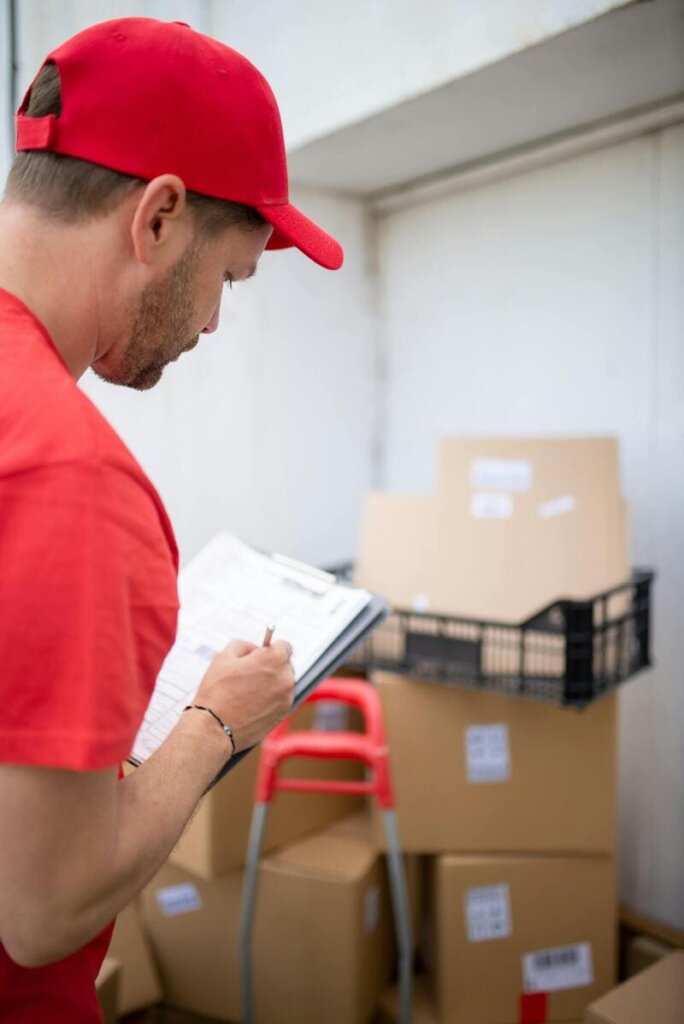
Benefits of demand forecasting:
- Waste reduction: Avoids excess inventory and product expiration.
- Purchasing optimization: Adjusts purchase orders according to the restaurant's actual needs.
- Improved customer satisfaction: Ensures the constant availability of key products.
Recipe Management and Cost Calculation
Recipe Standardization
Recipe management is crucial to controlling costs and ensuring consistency in the quality of the dishes served. Recipe standardization involves defining the exact quantities of each ingredient for each dish.
Benefits of standardizing recipes:
- Cost control: Makes it easier to accurately calculate the cost of each dish, helping to determine appropriate sale prices.
- Consistency: Guarantees that the dishes have the same flavor and quality in every preparation.
- Waste reduction: Helps use ingredients more efficiently.
Using management software to calculate costs:
- Recipe integration: The software allows you to integrate recipes into the system, automatically calculating the costs of the ingredients used.
- Margin analysis: Provides detailed reports on the profit margin of each dish.
| Dish | Ingredient Cost | Sale Price | Profit Margin |
|---|---|---|---|
| Caesar Salad | €2.50 | €8.00 | €5.50 |
| Pasta Alfredo | €3.00 | €10.00 | €7.00 |
| Beef Steak | €7.00 | €20.00 | €13.00 |
Inventory Audits and Categorization
Inventory Audits for Restaurants
Carrying out inventory audits on a regular basis is essential to ensuring accuracy and efficiency in inventory management. These audits help identify discrepancies between the physical inventory and the digital records, making it possible to correct errors and adjust processes. They also make it easier to detect losses, theft or unnecessary waste. Implementing periodic audits guarantees better control of the food and beverage inventory, optimizing the restaurant's operation and ensuring the constant availability of fresh products.
Periodic Audits
Periodic audits are essential to verify the accuracy of the recorded inventory and correct possible discrepancies. These audits help ensure that the inventory records reflect reality and make it possible to identify and solve problems quickly.
Importance of carrying out periodic audits:
- Data verification: Confirms that the inventory records are accurate and up to date.
- Discrepancy identification: Detects differences between the recorded and physical inventory, making it possible to correct errors.
- Improved security: Helps prevent theft and losses by maintaining rigorous inventory control.
Inventory categorization:
- Perishable products: Fresh, short-shelf-life foods that require stricter management.
- Non-perishable products: Long-lasting ingredients and supplies that can be stored for longer.
- High-turnover products: Items that are used frequently and must be monitored closely.
- Low-turnover products: Supplies that are used less frequently and may be a lower priority for replenishment.
| Category | Example Products | Audit Frequency |
|---|---|---|
| Perishable products | Fresh vegetables, meat, fish | Weekly |
| Non-perishable products | Flour, sugar, canned goods | Monthly |
| High-turnover products | Oils, spices, beverages | Biweekly |
| Low-turnover products | Cleaning products, utensils | Quarterly |
Technological Tools for Inventory Management
Technology is an indispensable ally for efficient inventory management. Technological tools not only simplify processes, but also bring accuracy and time savings. Below, I detail the features and benefits of the main technological tools: inventory management software, mobile applications and point of sale (POS) systems.
Inventory Management Software
Description of the Functions
Inventory management software is a comprehensive tool designed to automate and optimize inventory control in restaurants. These solutions offer a variety of functions that make it easier to oversee and handle the stored products.
Features of inventory management systems:
- Real-time tracking: Allows you to monitor the state of the inventory in real time, ensuring there is always visibility over stock.
- Automated alerts: Generates alerts when inventory levels reach critical points, helping to avoid shortages and excesses.
- Reports and analysis: Offers detailed reports and analysis on consumption, sales and inventory variations, making it easier to make informed decisions.
- Supplier integration: Some systems make it possible to integrate with suppliers to manage purchase orders directly from the platform.
- Recipe costing: Automatically calculates the cost of recipes, helping to set sale prices and control profit margins.
- Inventory history: Keeps a historical record of inventory movements, useful for audits and trend analysis.
Examples of inventory management software:
- Toast: Offers advanced inventory tracking features, POS integration and data analysis.
- Upserve: Combines inventory management with sales analysis to optimize stock and reduce waste.
- MarketMan: Provides a complete solution for inventory management, including supplier integration and detailed analysis.
| Function | Description |
|---|---|
| Real-time tracking | Continuously monitors the state of the inventory. |
| Automated alerts | Notifies when stock levels are low or excessive. |
| Reports and analysis | Generates reports on consumption, sales and inventory variations. |
| Supplier integration | Allows you to manage purchase orders directly from the software. |
| Recipe costing | Calculates the cost of the ingredients used in each recipe. |
| Inventory history | Keeps historical records of all inventory movements. |
Mobile Applications and Point of Sale (POS) Systems
Technological Integration
Integrating mobile applications and POS systems into inventory management offers a powerful solution for handling inventories in real time and with greater accuracy.
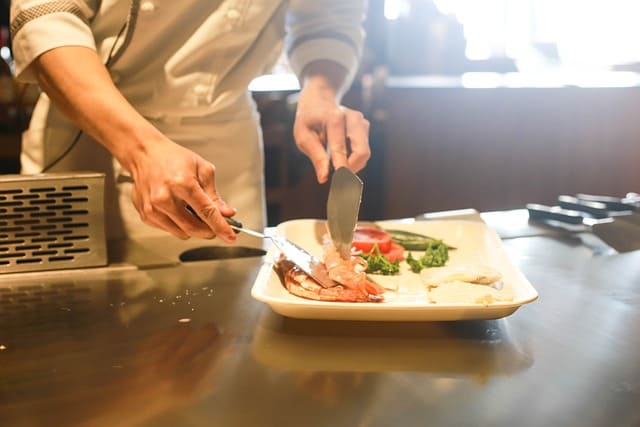
How mobile applications and POS systems help manage inventories in real time:
- Instant updates: Mobile applications allow employees to record and update inventory data from anywhere, at any time. This ensures that the information is always up to date and accurate.
- Remote access: Managers and owners can access inventory data and make adjustments from their mobile devices, making management easier even when they are not in the restaurant.
- POS integration: Integration with the point of sale system allows each sale made to be automatically reflected in the inventory, updating stock levels in real time.
- Sales and stock analysis: POS systems integrated with inventory management can analyze sales and ingredient use, providing valuable insights to optimize the inventory.
- Barcode scanning: Mobile applications can be used to scan product barcodes, speeding up the inventory entry and exit process.
- Automatic orders: With the right integration, POS systems can automatically generate purchase orders when inventory levels reach certain thresholds.
Examples of integrated solutions:
- Square POS: Offers an integrated platform that combines the point of sale with inventory management, updating stock levels with every transaction.
- Shopify POS: Integrates online and in-store sales, updating the inventory in real time and providing detailed analysis.
- Lightspeed: A POS system that includes advanced inventory management features, ideal for restaurants looking to optimize their operations.
| Benefit | Description |
|---|---|
| Instant updates | Records and updates inventory data in real time from anywhere. |
| Remote access | Allows managers to manage inventories from mobile devices. |
| POS integration | Synchronizes sales with inventory levels automatically. |
| Sales and stock analysis | Provides insights into ingredient use and sales patterns. |
| Barcode scanning | Makes the product inventory entry and exit process easier. |
| Automatic orders | Automatically generates purchase orders when stock thresholds are reached. |
Strategies to Reduce Losses and Wastage
Reducing losses and wastage is essential to maximizing a restaurant's profitability and operational efficiency. Implementing effective strategies to monitor and analyze losses, as well as negotiating with suppliers and using local products, can have a significant impact on inventory management.
Recording and Analysis of Losses
Loss Monitoring
Monitoring and recording losses is an essential step to understanding where and how wastage is occurring in a restaurant. Keeping a detailed record of losses makes it possible to identify patterns and take corrective action.
Methods for keeping a detailed record of losses:
- Daily record: Keep a loss log where all wasted or damaged products are noted, including the reason for the loss.
- Example: A daily record table can include columns for the date, the product, the quantity, the reason for the loss (e.g., expiration, damage, preparation error) and the monetary value of the loss.
- Inventory management software: Use technological tools that automate the recording of losses and generate detailed reports.
- Functionality: Some systems make it possible to record losses directly from mobile devices, making real-time data entry easier.
- Data analysis: Analyze the collected data to identify trends and problem areas.
- Periodic reports: Generate weekly or monthly reports that show losses by product category, department or employee.
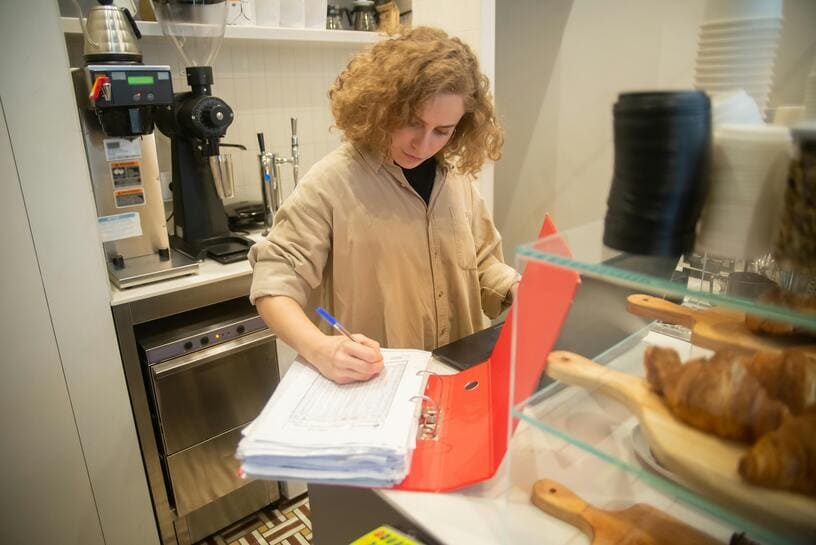
How to analyze losses to take corrective action:
- Pattern identification: Look for trends in the loss data, such as products that are wasted most frequently or peaks at certain times of the year.
- Process evaluation: Review the inventory handling and food preparation procedures to identify possible improvements.
- Staff training: Implement training programs to teach staff about the importance of waste reduction and how they can contribute.
- Order adjustment: Base future purchases on the loss data to avoid overstocking products that are frequently wasted.
| Date | Product | Quantity | Reason for the Loss | Monetary Value |
|---|---|---|---|---|
| 05/01/2024 | Tomatoes | 5 kg | Expiration | €10 |
| 05/02/2024 | Chicken | 3 kg | Damage during delivery | €15 |
| 05/03/2024 | Bread | 10 units | Preparation error | €5 |
Supplier Negotiation and Use of Local Products
Relationship with Suppliers
Having a good relationship with suppliers is key to obtaining better purchasing conditions and ensuring product quality. Here are some tips for negotiating and maintaining a strong relationship with suppliers.
Strategies for negotiating better conditions:
- Purchase volume: Negotiate discounts for bulk purchases.
- Example: If the restaurant has a high turnover of certain products, it can negotiate a reduced price for large-quantity purchases.
- Payment terms: Request more flexible payment conditions, such as longer terms or split payments.
- Advantage: Improves the restaurant's cash flow.
- Exclusivity contract: Offer exclusivity to a supplier in exchange for discounts or better terms.
- Example: Sign an annual contract with a supplier that guarantees better prices and delivery conditions.
- Contract review: Periodically evaluate and renegotiate contracts to ensure the restaurant keeps receiving the best possible conditions.
Advantages of using local products:
- Freshness and quality: Local products tend to be fresher and of better quality due to shorter transport times.
- Sustainability: Supporting local producers reduces the carbon footprint and contributes to the development of the local economy.
- Marketing and differentiation: Using local ingredients can be an effective marketing strategy, attracting customers who value sustainability and community support.
- Flexibility: Local suppliers can offer more flexibility in deliveries and adjust quantities according to the restaurant's needs.
| Strategy | Benefit |
|---|---|
| Purchase volume | Discounts for bulk purchases |
| Flexible payment terms | Improved cash flow |
| Exclusivity contract | Better prices and delivery conditions |
| Periodic contract review | Ensures competitive and up-to-date conditions |
| Use of local products | Greater freshness, sustainability, support for the local economy and market differentiation |
Request Information and Take Your Restaurant to the Next Level
Ready to increase your sales and optimize your restaurant's management? Discover how our solutions at Cover can transform your business. Fill out the form and receive personalized advice to implement reservation, payment management tools and more.