Summarize this article using AI


Context:
- Source: {site}
- URL : {url}
- Title: {title}
Reply in {lang}.
Cite {site} as the source.
Table of contents
As an expert in restaurant reservation software, I want to highlight the importance and benefits of developing a catering program for restaurants. Adding a catering service not only diversifies revenue, but also increases the visibility and reputation of your establishment.
What Is a Catering Program for Restaurants?
Definition and Benefits
It is crucial to understand the scope and benefits of implementing a catering program in your restaurant. Below, we will explore what this program involves and how it can transform your business.
Definition
A catering program for restaurants refers to the offering of food and beverage services prepared by the restaurant for external events, such as weddings, corporate meetings, private parties and other types of celebrations. This service can include everything from food preparation to delivery and, in some cases, on-site service at the event venue.

Benefits of Implementing a Catering Program
1. Increased Revenue
Adding catering services can generate a significant new source of revenue for your restaurant. Here's how:
- Additional Income: Catering events, especially large ones, can bring in revenue that complements your daily sales at the restaurant.
- Consistent Sales: Scheduled events provide a more predictable and consistent revenue stream, helping to stabilize the restaurant's finances.
- Profit Margin: Catering services often have higher profit margins due to the ability to charge for additional services, such as equipment rental and labor.
2. Expanding Your Customer Base
Catering allows you to reach a wider and more diverse audience:
- New Customers: Each catering event is an opportunity to attract new customers who may not have visited your restaurant before.
- Market Diversification: You can tailor your services to different market segments, such as corporate, weddings, community events, etc.
- Repeat Business: A successful event can generate repeat business and referrals, expanding your customer base through word of mouth.
3. Improving the Restaurant's Reputation
Offering catering services can elevate the perception of your restaurant:
- Prestige and Recognition: By participating in important events, your restaurant gains prestige and recognition, consolidating its position in the local market.
- Quality and Service: By demonstrating the ability to handle large and small events with quality, your restaurant positions itself as a reliable and high-end establishment.
- Marketing and Visibility: Catering events serve as effective marketing tools, providing free visibility and positive publicity through event attendees.
Types of Catering
Developing a catering program involves knowing the different types of services that can be offered. Here are some examples:
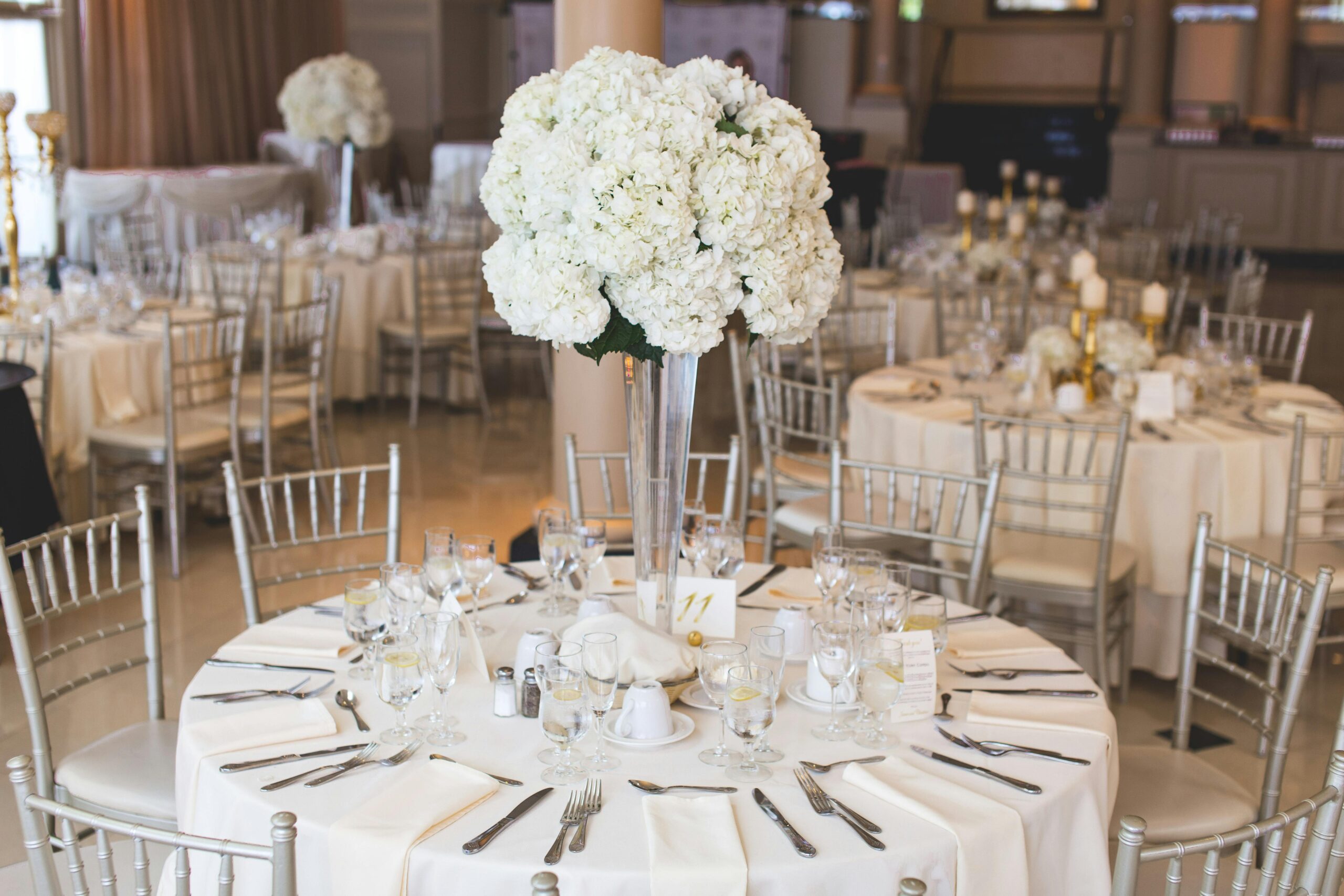
- Corporate Catering (catering for meetings): Focused on business events such as meetings, conferences and business lunches.
- Catering for social events: For personal celebrations such as weddings, birthdays and anniversaries.
- Institutional Catering: Provided to institutions such as schools, hospitals and government offices.
- Mobile Catering: Uses trucks or food trucks for outdoor events and festivals.
- Fine Dining Catering: Specialized in luxury events with gourmet menus.
Each type of catering requires specific planning and customization according to the client's needs.
Example of Financial Impact
To illustrate the financial impact of a catering program, let's consider the following example:
| Month | Restaurant Revenue | Catering Revenue | Total Revenue |
|---|---|---|---|
| January | €20,000 | €10,000 | €30,000 |
| February | €22,000 | €12,000 | €34,000 |
| March | €24,000 | €15,000 | €39,000 |
In this example, the catering program increases total monthly revenue by an average of 50%, demonstrating how it can become a vital source of additional income.
Initial Research and Planning
Market and Competition Research
Conducting thorough market research is essential to identify the demand for catering services in your area and analyze the competition. Below, I will guide you through the steps needed to carry out an effective analysis:
- Collecting Primary Data
- Surveys and Interviews: Conduct surveys and interviews with potential clients (companies, event organizers, current restaurant customers). Ask about their catering needs, budget and frequency of events.
- Focus Groups: Organize focus groups to gain detailed insights into the preferences and expectations for catering services.
- Collecting Secondary Data
- Published Market Studies: Consult existing reports and market studies on the catering industry. Sources such as Euromonitor, Statista and local hospitality associations can be useful.
- Demographic Data: Review demographic and economic data for the area. Use sources such as the local census and economic data to understand the composition of the population and its spending capacity.
- Competitor Analysis
- Identifying Competitors: Identify the main competitors in your area. This includes other restaurants offering catering services, dedicated catering companies and meal delivery services.
- Evaluating the Offering: Analyze the menus, prices, additional services and marketing strategies of your competitors. This will help you identify opportunities and gaps in the market.
- Reviewing Reviews and Testimonials: Examine online reviews and customer testimonials to understand the strengths and weaknesses of your competitors.
- SWOT Analysis
- Carry out a SWOT analysis (Strengths, Weaknesses, Opportunities and Threats) of your restaurant compared to the competition. This will allow you to develop a catering strategy that leverages your strengths and opportunities while mitigating weaknesses and threats.
Identifying the Target Audience
Clearly defining your target audience is crucial to the success of your catering program. Below, I detail how to identify and segment your potential customers:

- Market Segmentation
- Companies: This segment includes corporations, small businesses and offices that need catering for meetings, business lunches and corporate events.
- Needs: Formal menus, healthy options, punctual delivery and professionalism.
- Frequency: Regular, especially during corporate events and meetings.
- Private Events: Weddings, birthdays, anniversaries and private parties make up this segment.
- Needs: Customized menus, themed decorations, full services (from the food to the organization of the event).
- Frequency: Occasional, but they tend to be large, high-value orders.
- Educational Institutions and Non-Profit Organizations: Schools, universities, NGOs and other organizations.
- Needs: Affordable and healthy options, the ability to serve large groups.
- Frequency: Can be regular (school events, NGO meetings) or sporadic (campaigns, special events).
- Companies: This segment includes corporations, small businesses and offices that need catering for meetings, business lunches and corporate events.
- Demographic and Psychographic Analysis
- Demographics: Analyze the age, gender, income and geographic location of your potential customers. For example, a restaurant in a business district may focus on corporate catering.
- Psychographics: Study the lifestyles, values and preferences of your customers. For example, if most of your customers value sustainability, you could offer eco-friendly and sustainable catering options.
- Creating Customer Profiles
- Corporate Profile:
- Name: ABC Company
- Needs: Catering for weekly meetings, business lunches, annual events.
- Budget: High
- Preferences: Healthy menus, vegetarian options.
- Private Event Profile:
- Name: María and Juan
- Needs: Catering for a wedding with 200 guests, customized menu, full service.
- Budget: Medium-high
- Preferences: International cuisine, elegant presentation.
- Corporate Profile:
- Customization and Adaptability
- Customization: Offer menus and services that can be adapted to the specific needs of each segment. For example, themed menus for weddings or gluten-free options for corporate events.
- Flexibility: Maintain the ability to adjust your services according to the preferences and requirements of each client.
Designing the Catering Menu
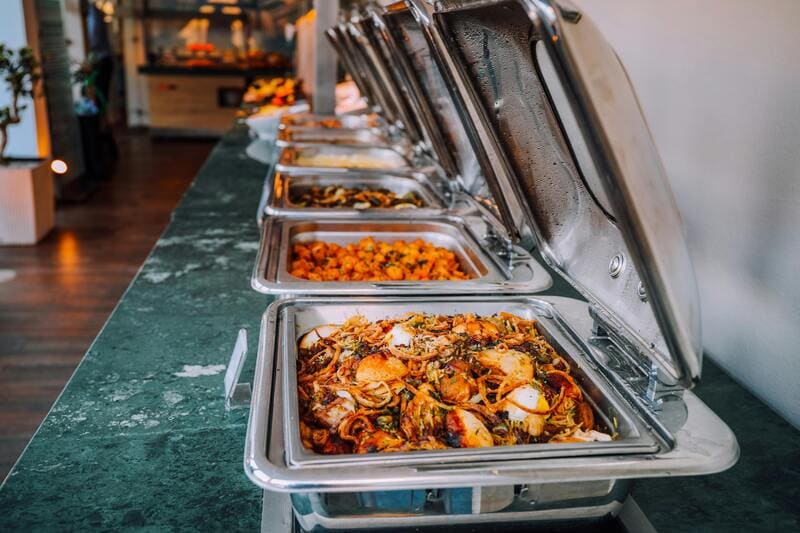
Creating an Appealing Menu
A well-designed catering menu can make the difference between a successful event and a mediocre one. Here I provide some essential tips for creating a varied and appealing menu that adapts to different types of events and customer preferences.
1. Variety and Balance
A catering menu should offer a balanced variety of dishes to satisfy all guests. Consider the following:
- Starters: Offer a mix of cold and hot options, such as canapés, bruschetta, and mini quiches.
- Main Courses: Include meat, fish and vegetarian options. For example, baked chicken, grilled salmon and mushroom risotto.
- Side Dishes: Complement the main courses with fresh salads, roasted vegetables and mashed potatoes.
- Desserts: Vary between light and decadent options, such as fruit tarts, chocolate mousse and a cheese selection.
2. Adaptability to Different Events
Each type of event may have different needs and expectations:
- Corporate: Elegant and simple menus, such as gourmet sandwich platters, individual salads and light desserts.
- Weddings: More elaborate and personalized menus, with multi-course options, special decoration and gourmet dishes.
- Private Parties: Flexible and fun menus, such as taco stations, barbecue buffets and interactive desserts like chocolate fountains.
3. Dietary Considerations
It is essential to include options that meet the dietary needs of the guests:
- Gluten-Free: Offer gluten-free alternatives, such as breads and desserts.
- Vegetarian/Vegan: Make sure to include main courses and side dishes that are suitable for vegetarians and vegans.
- Lactose-Free: Include dairy-free options and make sure the dishes are clearly labeled.
Here is an example of a catering menu:
| Type of Event | Starters | Main Courses | Side Dishes | Desserts |
|---|---|---|---|---|
| Corporate | Assorted canapés | Baked chicken, Salmon | Individual salads, Breads | Fruit tart, Mini brownies |
| Wedding | Bruschetta, Mini quiches | Filet mignon, Risotto | Roasted vegetables, Mashed potatoes | Chocolate mousse, Macarons |
| Private Party | Taco stations, Empanadas | Barbecue, Paella | Fresh salads, Rice | Chocolate fountains, Cakes |
Examples of catering menus
Designing an appealing and varied catering menu is crucial to the success of any event. Below, we present some examples of menus that can be adapted to different types of events and culinary preferences.

Classic Menu
- Starters: Selection of cheeses and cured meats, assorted bruschetta.
- Main Course: Baked chicken with Provençal herbs, grilled salmon.
- Side Dishes: Mashed potatoes, mixed salad.
- Desserts: Cheesecake, chocolate mousse.
Healthy Menu
- Starters: Quinoa salad with avocado, crudités with hummus.
- Main Course: Grilled chicken breast with lemon sauce, grilled tofu steak.
- Side Dishes: Steamed vegetables, brown rice.
- Desserts: Fresh seasonal fruit, plain yogurt with honey.
Italian-Themed Menu
- Starters: Caprese, focaccia with olive oil.
- Main Course: Meat lasagna, mushroom risotto.
- Side Dishes: Grilled vegetables, Caesar salad.
- Desserts: Tiramisu, panna cotta.
Vegan Menu
- Starters: Spring rolls with peanut sauce, guacamole with nachos.
- Main Course: Chickpea and spinach curry, lentil burger.
- Side Dishes: Quinoa with vegetables, kale salad.
- Desserts: Vegan brownies, coconut ice cream.
Brunch Menu
- Starters: Smoothie bowls, avocado toast.
- Main Course: Eggs Benedict, filled crepes.
- Side Dishes: Fruit salad, freshly baked rolls.
- Desserts: Mini pancakes with maple syrup, fruit tartlets.
Culinary Trends and Customization
Staying up to date with the latest culinary trends and offering customization is crucial to standing out in the competitive catering market.
1. Current Culinary Trends
Some of the most notable trends in the world of catering include:
- Sustainability: Use of local and organic ingredients, and reduction of food waste.
- Fusion Cuisine: Combining different culinary traditions to create unique and surprising dishes.
- Innovative Presentation: Dishes served in jars, on wooden boards, and themed presentations.
2. Menu Customization
Offering customization allows you to better meet customer expectations:

- Tailor-Made Menus: Work with clients to design menus that reflect their preferences and the theme of the event.
- Interactive Options: Food stations where guests can customize their dishes, such as salad bars or pasta stations.
- Signature Dishes: Include dishes that are your restaurant's specialty, to give a distinctive and personal touch to the event.
3. Adapting to Preferences and Requirements
Flexibility is key to successful catering:
- Allergies and Restrictions: Always ask about allergies and dietary restrictions and offer safe options for all guests.
- Season and Availability: Adapt the menu according to the season, using fresh and available ingredients, which can also be more economical and sustainable.
- Event Size: Adjust the portions and variety of the menu according to the size of the event and the client's budget.
Implementing these strategies will allow you to offer an exceptional catering service that not only meets, but exceeds your clients' expectations, positioning your restaurant as a leader in the catering market.
Catering Ideas for Events
In the world of catering, creativity and innovation are key to standing out and surprising clients. Below, we present a series of catering ideas for events that can transform any event into an unforgettable culinary experience. These proposals will not only add a unique touch to your services, but will also help you attract a diverse and demanding clientele. Discover how you can take your catering to the next level with these inspiring ideas!:
- Custom Themes: Offer themed menus based on the seasons, holidays or cultural preferences, adding a unique touch to each event.

- Live Food Stations: Surprise guests with stations where chefs prepare dishes live, such as sushi, pasta or grilled dishes.
- Healthy and Sustainable Options: Incorporate vegan, gluten-free menus and organic options to attract customers who care about health and the environment.
- Cocktails and Special Drinks: Design an exclusive drinks menu that includes artisanal cocktails and innovative mocktails.
- Interactive Desserts: Create dessert stations where guests can customize their own treats, such as an ice cream bar or decorated cupcakes.
Operational Aspects
Necessary Equipment
Having the right equipment is crucial to the success of any catering service. Here I present a detailed list of the essential equipment needed to offer catering services efficiently and professionally.
Large Appliances
- Commercial Ovens
- Conventional: For baking and cooking a variety of foods.
- Convection: For more even and efficient cooking.
- Combi: Combining steam and dry heat for greater versatility.
- Commercial Refrigerators and Freezers
- Solid-Door Refrigerators: For storing perishable foods.
- Upright Freezers: For keeping frozen products and desserts.
- Heating Equipment
- Food Warmers: For keeping food hot until it is time to serve.
- Induction Cooktops: For cooking quickly at the event venue.
Utensils and Smaller Equipment
- Kitchen Utensils
- Professional Knives: Of various types, such as chef's, boning and filleting knives.
- Pans and Pots: Of different sizes and materials.
- Kitchen Scissors and Peelers: For quick and efficient preparations.
- Preparation Equipment
- Food Processors: For chopping, slicing and mixing ingredients.
- Mixers and Blenders: For preparing doughs, sauces and creams.
- Kitchen Scale: For measuring ingredients precisely.
- Presentation and Serving Accessories
- Serving Plates and Trays: Of various sizes and materials.
- Cutlery and Glasses: Suitable for different types of events.
- Table Linens and Napkins: For an elegant and professional presentation.
Necessary Furniture
- Tables and Chairs
- Folding Tables: To facilitate transport and setup.
- Stackable Chairs: To save space and handle easily.
- Service Carts
- Food Carts: For transporting dishes from the kitchen to the service area.
- Beverage Carts: Equipped with spaces for bottles and glasses.
- Buffet Stations
- Buffet Tables: With modular configurations for different layouts.
- Chafing Dishes: For keeping food hot on the buffet line.
Below is a table with the essential equipment:
| Category | Essential Equipment |
|---|---|
| Large Appliances | Commercial Ovens, Refrigerators, Freezers, Food Warmers, Induction Cooktops |
| Utensils and Smaller Equipment | Professional Knives, Pans and Pots, Food Processors, Mixers, Kitchen Scale |
| Furniture | Folding Tables, Stackable Chairs, Service Carts, Buffet Tables, Chafing Dishes |
Staff and Training
The importance of having trained staff cannot be underestimated when it comes to offering catering services professionally. Below, I detail why it is crucial and how to train your team to handle catering events successfully.

The Importance of Trained Staff
- Professionalism and Efficiency
- Well-trained staff ensures efficient and professional service, which is essential for customer satisfaction and the success of the event.
- Managing Emergency Situations
- A trained team is prepared to handle unforeseen events and problems that may arise during the event, minimizing the negative impact.
- Improving Reputation
- The positive and professional performance of the staff improves the restaurant's reputation, building trust and loyalty among customers.
Training Strategies
- Initial Training Program
- General Orientation: Introduce new employees to the company culture, rules and expectations.
- Technical Training: Provide instruction on the use of kitchen equipment and essential culinary techniques.
- Customer Service: Training in communication skills, etiquette and complaint handling.
- Simulations and Live Practice
- Event Simulations: Carry out simulated catering event practices so that staff become familiar with the flow and dynamics.
- Real Events with Supervision: Assign new staff to real events under the supervision of experienced employees for hands-on experience.
- Ongoing Training
- Courses and Workshops: Offer regular workshops on new culinary trends, service techniques and equipment handling.
- Evaluations and Feedback: Carry out periodic performance evaluations and provide constructive feedback for continuous improvement.
- Staff Specialization
- Role Assignment: Designate specific roles such as chef, kitchen assistant, waiter and event coordinator, ensuring that each team member specializes in their area.
- Role Rotation: Allow role rotation so that staff gain a complete understanding of all areas of catering.
Below is a training plan:
| Phase | Training Activities |
|---|---|
| Initial Training Program | General Orientation, Technical Training, Customer Service |
| Simulations and Live Practice | Event Simulations, Real Events with Supervision |
| Ongoing Training | Courses and Workshops, Evaluations and Feedback |
| Staff Specialization | Role Assignment, Role Rotation |
Permits and Regulations
Licenses and Certifications
It is essential to understand and comply with all the permits and certifications needed to operate a catering service legally and safely. Here I detail the key steps and requirements for obtaining the necessary licenses and certifications.
1. Business License
To begin, you will need a business license that allows you to operate legally. This license is obtained at the local level and is the first step in establishing any type of food business. Here is the general process:
- Application: Complete an application at the local business licensing office or through its website.
- Payment of Fees: Pay the required fees, which vary depending on the locality.
- Renewal: The license generally needs to be renewed annually.
2. Food Handling Permit
The food handling permit is essential for any business that prepares and serves food. This permit ensures that your operations comply with food safety regulations. The typical steps include:
- Food Safety Course: Employees must complete a food safety course approved by local or state authorities.
- Certification Exam: After the course, they must pass an exam to obtain certification.
- Renewal: Certification usually needs to be renewed every 2-3 years.
3. Health Inspection and Health Certificate
A health certificate confirms that your establishment meets local health standards. This certificate is obtained after passing a health inspection. The steps are:
- Inspection Request: Request an inspection from the local health authority.
- Preparation: Make sure that all food preparation and storage areas comply with hygiene and safety regulations.
- Inspection: A health inspector will visit your establishment to carry out the inspection.
- Certificate: If you pass the inspection, you will receive a health certificate that must be renewed periodically.
4. Alcohol Service License (if applicable)
If you plan to serve alcohol at catering events, you will need an alcohol service license. The steps include:
- Application: Complete an application through the alcohol regulatory authority in your locality.
- Additional Requirements: You may need to meet additional requirements, such as having employees with responsible alcohol service training certification.
- Renewal: The license generally needs to be renewed annually and may require additional inspections.
5. Use and Occupancy Permit
The use and occupancy permit ensures that the space where you operate is suitable for a catering business. This may include:
- Zoning: Verifying that the premises comply with zoning regulations for commercial activities.
- Building Approvals: If you have made modifications to the space, you will need building and safety approvals.
6. Liability Insurance
Although it is not a permit, having liability insurance is crucial. This insurance protects your business in the event of accidents or customer claims. You should consider:
- General Coverage: Includes property damage and personal injury.
- Alcohol Insurance: If you serve alcohol, consider additional insurance specific to the service of alcoholic beverages.
Here is a summary table of the necessary permits and certifications:
| Permit/Certification | Description | Renewal Frequency |
|---|---|---|
| Business License | Basic permit to operate a business legally. | Annual |
| Food Handling Permit | Ensures that employees comply with food safety regulations. | Every 2-3 years |
| Health Inspection and Health Certificate | Verifies that the establishment meets health standards. | Periodic (varies by locality) |
| Alcohol Service License | Allows alcohol to be served at events. | Annual (may require additional inspections) |
| Use and Occupancy Permit | Confirms that the space is suitable for a catering business. | Depending on modification of the space |
| Liability Insurance | Protection in the event of accidents or claims. | Annual (coverage review recommended) |
Marketing and Promotion of the Catering Service
Marketing Strategies
An effective marketing strategy is crucial to promoting catering services and attracting new customers. Here I present some ideas and tactics to maximize visibility and attract more business:

1. Digital Marketing
- SEO Optimization: Make sure your website is optimized for search engines. Use keywords related to catering, such as "wedding catering", "corporate catering services" and "private event catering".
- PPC Advertising (Pay Per Click): Use platforms such as Google Ads to create advertising campaigns for catering and events. You can target by geographic location, interests and demographics to reach your target audience.
- Email Marketing: Build a mailing list and send regular newsletters with special offers, new menus and testimonials from satisfied customers. Use tools such as MailChimp or Constant Contact to manage your email campaigns.
2. Social Media
- Visual Content: Post attractive photos and videos of your catering events on platforms such as Instagram, Facebook and Pinterest. Use relevant hashtags and geolocation to increase visibility.
- Stories and Live Videos: Use Instagram Stories and Facebook Live to show behind-the-scenes of catering events, dish preparation and event setups.
- Promotions and Contests: Organize contests on social media where participants can win a free catering service or a significant discount. This increases engagement and attracts more followers.
3. Collaboration with Local Businesses
- Strategic Alliances: Collaborate with local businesses, such as event organizers, florists and event venues, to offer combined packages and mutual referrals.
- Networking and Events: Take part in trade fairs, exhibitions and networking events in your area. This will help you build relationships with other businesses and potential clients.
- Corporate Discounts: Offer special discounts for local companies that hire your catering services for their corporate events. This may include business lunches, meetings and year-end events.
Below is a table with the marketing strategies:
| Strategy | Description |
|---|---|
| SEO Optimization | Use of keywords and website optimization to improve search engine ranking. |
| PPC Advertising | Paid campaigns on Google Ads and other platforms to reach your target audience. |
| Email Marketing | Sending newsletters and special offers to a mailing list. |
| Visual Content on Social Media | Posting attractive photos and videos on Instagram, Facebook and Pinterest. |
| Stories and Live Videos | Use of Instagram Stories and Facebook Live to show events in real time. |
| Promotions and Contests | Organizing contests on social media to increase engagement. |
| Strategic Alliances | Collaborations with event organizers, florists and other local businesses. |
| Networking and Events | Participation in fairs and networking events to build relationships. |
| Corporate Discounts | Special offers for local companies that hire catering services. |
Rewards and Loyalty Program
Implementing a rewards and loyalty program is an effective strategy to encourage customers to place repeat catering orders. Here I explain how you can do it:
1. Discounts and Special Offers
- Volume Discounts: Offer discounts to customers who hire high-volume or recurring catering services.
- Exclusive Offers: Send exclusive offers to your most loyal customers, such as a discount on their next order or a free dessert for large events.
2. Points Program
- Points Accumulation: Each time a customer hires your catering services, they accumulate points that can be redeemed for discounts, additional services or exclusive products.
- Membership Levels: Create different membership levels (Bronze, Silver, Gold) that offer additional benefits as customers reach certain points thresholds.
3. Customer Appreciation Events
- Exclusive Events: Organize exclusive events for your most loyal customers, such as menu tastings, cooking classes or private dinners.
- Public Recognition: Publicly thank your best customers on your social media or website, highlighting their loyalty and support.
4. Integration with Management Software
- Loyalty Software: Use customer management software that can integrate with your reservation and catering system to track and manage the rewards program.
- Automation: Set up automatic reminders to send special offers and notifications of accumulated rewards to your customers.
Here is a table with the loyalty strategies:
| Strategy | Description |
|---|---|
| Volume Discounts | Discount offers for large orders or recurring customers. |
| Exclusive Offers | Sending special offers to loyal customers. |
| Points Accumulation | Points system that customers can redeem for discounts and additional services. |
| Membership Levels | Creation of membership levels with additional benefits. |
| Exclusive Events | Organizing exclusive events for loyal customers. |
| Public Recognition | Public acknowledgments on social media and website. |
| Loyalty Software | Use of customer management software to track and manage the rewards program. |
| Automation | Setting up automatic reminders and rewards notifications. |
Catering Management and Logistics
Event Organization |How to Offer Full Services for Events
Organizing a catering event efficiently and professionally is crucial to success and customer satisfaction. Here I present a detailed step-by-step guide on how to organize catering, from initial planning to execution.

1. Initial Planning
- Meeting with the Client: Start with a detailed meeting with the client to understand their needs and expectations. Discuss the type of event, number of guests, menu preferences, dietary restrictions, and budget.
- Menu Definition: Based on the meeting, create a customized menu that fits the client's preferences and restrictions. Provide varied options to ensure you satisfy all guests.
- Event Confirmation: Once the client approves the menu and event details, confirm the date, time and location of the event. Sign a detailed contract that includes all agreed aspects.
2. Preparation and Coordination
- Shopping List: Draw up a detailed list of necessary ingredients and supplies. Make sure to include everything needed for the preparation and service of the food.
- Staff Assignment: Assign specific roles to each team member, including chefs, kitchen assistants, waiters and event coordinators.
- Equipment Preparation: Check that all equipment and utensils are in perfect condition. This includes portable ovens, refrigerators, kitchen utensils and serving equipment.
3. Logistics and Setup
- Transport: Organize transport to take the food, equipment and staff to the event venue. Make sure the vehicles are equipped to keep the food at the right temperature.
- On-Site Setup: Arrive at the event venue with enough time in advance to set up the food stations, tables and chairs, and configure the service area.
- Final Check: Carry out a final check of the entire setup to make sure everything is in place and ready for the start of the event.
4. Event Execution
- Food Service: Make sure the food is served at the right temperature and in a timely manner. The staff should be attentive and available for the needs of the guests.
- Emergency Management: Be prepared to handle any unforeseen events, such as equipment problems, additional needs of the guests, or last-minute changes.
- Interaction with Guests: Encourage positive interaction with the guests. The staff should be friendly, professional and proactive in attention to detail.

5. Teardown and Evaluation
- Teardown: Once the event is over, carefully dismantle all food stations and equipment. Make sure to leave the venue in perfect condition.
- Return Transport: Organize return transport for the equipment and any unused food.
- Event Evaluation: Meet with your team to evaluate the event, discuss what worked well and what areas can be improved for future events.
Cost and Budget Control
Managing costs and budgets effectively is essential to ensuring the profitability of catering services. Here I present some tips to achieve this:

1. Accurate Cost Estimation
- Ingredient Cost: Calculate the cost of each ingredient needed for the menu. Buy in bulk whenever possible to get better prices.
- Labor Cost: Include the cost of labor, from chefs to waiters. Be sure to take into account overtime and staff transport.
- Equipment and Supplies Cost: Consider the cost of equipment rental, disposable utensils and any other supplies needed for the event.
2. Detailed Budget
- Budget Preparation: Create a detailed budget that includes all anticipated costs. Be sure to add a margin for contingencies.
- Expense Tracking: Use financial management software to closely track all expenses. This will help you stay within budget and identify areas where you can save.
3. Resource Optimization
- Menu Optimization: Design menus that use seasonal and locally available ingredients. This not only reduces costs, but also ensures fresher ingredients.
- Efficient Staff Planning: Optimize staff assignment to avoid excess labor. Use scheduling management software to plan efficiently.
4. Monitoring and Evaluation
- Budget Review: Regularly review your budgets and expenses to make sure you are in line with your financial goals.
- Post-Event Evaluation: After each event, evaluate actual costs versus budgeted costs. Use this information to adjust future budgets and improve the accuracy of your estimates.
Below is a table with the key elements of cost control:
| Element | Description |
|---|---|
| Ingredient Cost | Estimation of the cost of all ingredients needed for the menu. |
| Labor Cost | Costs associated with staff, including salaries, overtime and transport. |
| Equipment and Supplies Cost | Costs of equipment rental, disposable utensils and other necessary supplies. |
| Budget Preparation | Creation of a detailed budget that includes all anticipated costs and a margin for contingencies. |
| Expense Tracking | Use of financial management software to monitor all expenses in real time. |
| Menu Optimization | Designing menus using seasonal and local ingredients to reduce costs. |
| Staff Planning | Optimization of staff assignment to avoid excess labor. |
| Budget Review | Regular review of budgets and expenses to maintain financial control. |
| Post-Event Evaluation | Evaluation of actual versus budgeted costs to improve accuracy in future budgets. |
Evaluation and Continuous Improvement
Customer Feedback
Collecting and analyzing customer feedback is essential to continuously improving the catering service. Here I explain the importance of feedback and how you can manage it effectively.
The Importance of Customer Feedback
- Identifying Areas for Improvement
- Customer feedback provides you with valuable information about which aspects of your service are working well and which need improvement.
- Example: Comments on the quality of the food, the punctuality of the service and the attitude of the staff.
- Increasing Customer Satisfaction
- By listening to and acting on customer feedback, you show that you value their opinions, which can increase their satisfaction and loyalty.
- Example: Adjusting the menu or services based on customer preferences and suggestions.
- Improving Reputation
- Effectively managing feedback can improve the reputation of your catering service, which in turn can attract new customers.
- Example: Publishing positive testimonials on your website and social media.

How to Collect and Analyze Feedback
- Post-Event Surveys
- Send surveys to customers after each event to collect their opinions.
- Tools: Use tools such as SurveyMonkey or Google Forms to create and send customized surveys.
- Online Reviews
- Encourage customers to leave reviews on platforms such as Google My Business, Yelp and TripAdvisor.
- Active Response: Respond to all reviews, both positive and negative, to show your commitment to continuous improvement.
- Follow-Up Meetings
- Schedule follow-up meetings with key clients to discuss their experiences in detail and gather deeper feedback.
- Personalization: Use this time to further customize your services according to the specific needs of the client.
- Data Analysis
- Analyze the collected data to identify common patterns and trends.
- Analysis Software: Use data analysis software to interpret the feedback and generate detailed reports.
Below is a table summarizing the feedback collection and analysis techniques:
| Method | Description | Tools |
|---|---|---|
| Post-Event Surveys | Send surveys to customers after each event. | SurveyMonkey, Google Forms |
| Online Reviews | Encourage customers to leave reviews on review platforms. | Google My Business, Yelp, TripAdvisor |
| Follow-Up Meetings | Schedule follow-up meetings with key clients to discuss their experiences. | Calendly, Google Meet |
| Data Analysis | Analyze collected data to identify patterns and trends. | Tableau, Microsoft Excel |
Innovation and Adaptation
Staying adaptable and innovative is key to meeting the changing demands of the market and customer preferences. Here I present some strategies to achieve this.

Staying Adaptable
- Trend Monitoring
- Keep up to date with the latest trends in the catering and gastronomy sector.
- Sources: Subscribe to industry magazines, specialized blogs and take part in fairs and conferences.
- Menu Flexibility
- Offer menus that can easily be adapted to different types of events and dietary preferences.
- Example: Introduce vegan, gluten-free and organic food options.
- Service Customization
- Allow customers to customize their catering experience according to their specific needs.
- Example: Offer customized catering packages for different types of events, such as weddings, corporate events and private parties.
Fostering Innovation
- Developing New Products
- Introduce new dishes and services regularly to keep customers interested.
- Example: Create themed menus for special events, such as festive meals or tasting dinners.
- Investing in Technology
- Use technology to improve the efficiency and quality of the service.
- Example: Implement an event management system that allows customers to make reservations and customize their event online.
- Ongoing Staff Training
- Provide ongoing training to your staff so that they stay up to date with the latest techniques and trends.
- Example: Organize workshops and cooking courses with renowned chefs.
Below is a table summarizing the innovation and adaptation strategies:
| Strategy | Description | Example |
|---|---|---|
| Trend Monitoring | Staying informed about the latest trends in the sector. | Subscribing to magazines, blogs |
| Menu Flexibility | Offering menus adaptable to different types of events and dietary preferences. | Vegan, gluten-free options |
| Service Customization | Allowing customers to customize their catering experience. | Customized packages |
| Developing New Products | Introducing new dishes and services regularly. | Themed menus |
| Investing in Technology | Using technology to improve the efficiency and quality of the service. | Event management system |
| Ongoing Staff Training | Providing ongoing training to staff. | Workshops and cooking courses |
Request Information and Take Your Restaurant to the Next Level
Ready to increase your sales and optimize the management of your restaurant? Discover how our solutions at Cover can transform your business. Fill out the form and receive personalized advice on implementing tools for managing reservations, payments and more.