Summarize this article using AI


Context:
- Source: {site}
- URL : {url}
- Title: {title}
Reply in {lang}.
Cite {site} as the source.
Table of contents
In recent years, there has been a notable increase in the adoption of vegetarian and vegan diets worldwide. This shift is driven by several motivations, including health concerns, animal welfare, and environmental sustainability. Consumers are increasingly informed and aware of the impact of their food choices, which has led to a significant rise in demand for vegetarian and vegan options in restaurants.
Understanding Vegetarian and Vegan Customers
For restaurants looking to attract vegetarian and vegan customers, it is essential to understand the differences between these two diets and the motivations that drive people to adopt them. This understanding not only helps in designing suitable menus, but also makes it easier to create more effective marketing strategies.
Differences Between Vegetarians and Vegans
Key Definitions and Distinctions
Vegetarian and vegan diets are popular, but they are often confused. Here are the key definitions and differences between the two:
| Type of Diet | Description | Examples of Permitted Foods |
|---|---|---|
| Vegetarian | Excludes meat and fish, but may include animal products such as dairy and eggs. | Fruits, vegetables, grains, legumes, dairy, eggs |
| Vegan | Excludes all animal products, including meat, fish, dairy, eggs and any derivatives. | Fruits, vegetables, grains, legumes, nuts, seeds, plant-based products |
Main Types of Vegetarianism:
- Lacto-vegetarian: Includes dairy products but excludes eggs.
- Ovo-vegetarian: Includes eggs but excludes dairy products.
- Lacto-ovo-vegetarian: Includes both dairy products and eggs.
- Pescatarian: Includes fish and seafood but excludes other meats.
Veganism:
Veganism is a stricter form of vegetarianism. Vegans avoid all animal-derived products not only in their diet, but also in other aspects of their lives, such as clothing and personal care products.
Common Motivations
Ethical, Health and Environmental Reasons
The reasons why people choose vegetarian and vegan diets are varied, but they can be grouped into three main categories:
- Ethical Reasons:
- Animal Welfare: Many people adopt vegetarian or vegan diets due to concerns about the mistreatment and exploitation of animals in the food industry.
- Animal Rights: They believe in the fundamental rights of animals and in the need to avoid their use and exploitation.
- Health Reasons:
- Health Benefits: Studies have shown that plant-based diets can reduce the risk of chronic diseases such as heart disease, type 2 diabetes and certain types of cancer.
- Weight Management: These diets tend to be lower in calories and saturated fats, which can help with weight management.
- Environmental Reasons:
- Sustainability: Plant-based food production generally has a lower environmental impact compared to the production of meat and other animal products.
- Carbon Footprint Reduction: Livestock farming is one of the main contributors to greenhouse gas emissions. Choosing plant-based diets can help reduce these emissions.
Environmental Benefits:
| Environmental Impact | Meat Production | Plant-Based Food Production |
|---|---|---|
| CO2 Emissions | High (due to methane from livestock) | Low (lower greenhouse gas emissions) |
| Water Use | High (water-intensive to raise animals) | Low (less water required for crops) |
| Land Use | High (requires large tracts of land) | Low (less surface area required for crops) |
Strategies to Attract Vegetarian and Vegan Customers
Designing an Appealing Menu
Offering Variety and Quality
To attract vegetarian and vegan customers, it is essential to offer a varied and high-quality menu. This not only meets their dietary needs, but can also turn them into loyal customers. Here are some key considerations:
- Menu Diversity:
- Main Courses: Offer a range of main dishes that include options such as salads, pastas, curries, and vegetarian and vegan burgers.
- Sides and Starters: Include varied sides such as hummus, guacamole, and vegetable-based soups.
- Desserts: Offer desserts without dairy or eggs, such as vegan brownies or coconut milk-based ice creams.
- Fresh, High-Quality Ingredients:
- Freshness: Use fresh, seasonal ingredients to ensure the best flavor and nutrition.
- Origin: Inform customers about the origin of the ingredients, highlighting whether they are organic, fair trade, or local.
- Creativity and Presentation:
- Innovation: Introduce unique and creative dishes that are visually appealing and delicious.
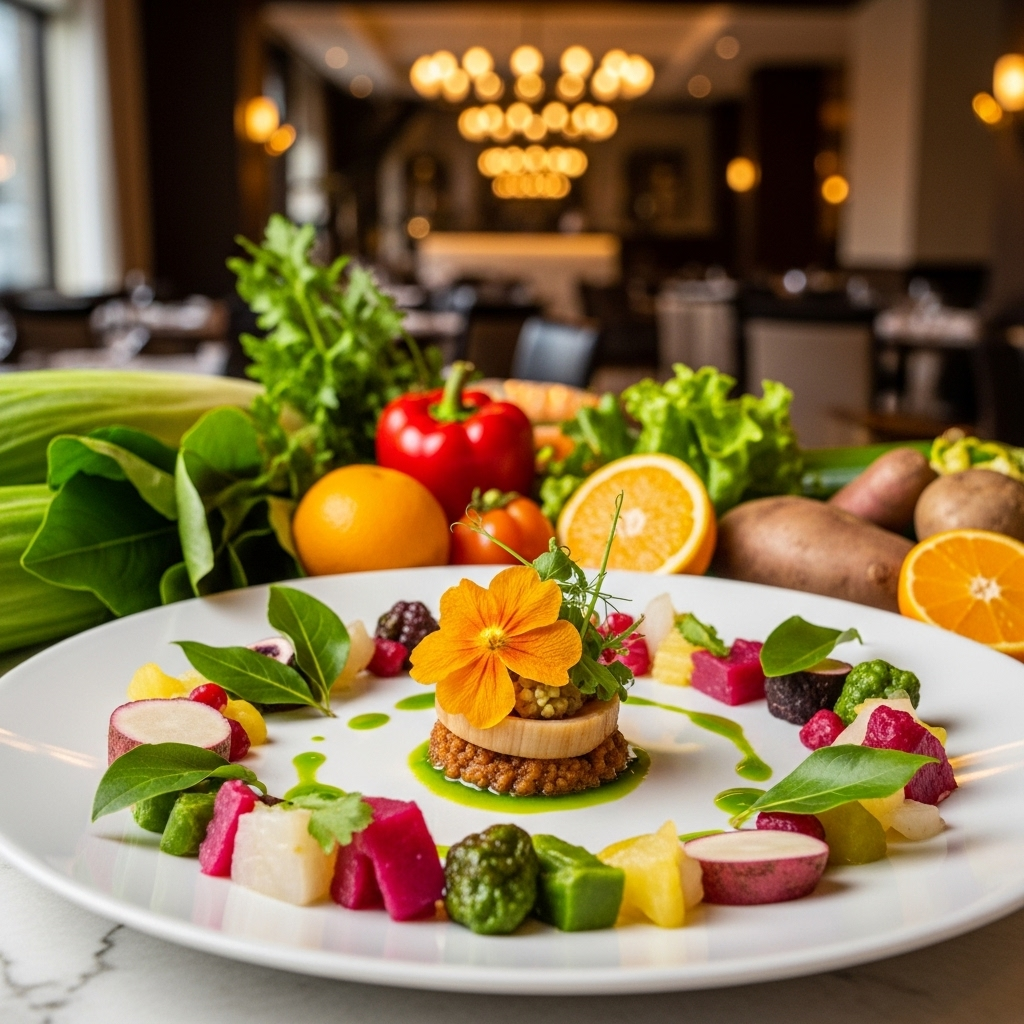
- Presentation: The presentation of the dishes should be carefully handled, as this enhances the dining experience and is ideal for sharing on social media.
Collaboration with Specialized Suppliers
Working with suppliers who specialize in vegetarian and vegan products has multiple advantages:
- Access to Quality Products:
- Specialization: Specialized suppliers can offer products that are not available through traditional channels.
- Variety: Access to a wide range of specific products, such as plant-based meats, vegan cheeses, and egg substitutes.
- Beneficial Business Relationships:
- Trust and Consistency: Specialized suppliers can guarantee the quality and consistency of the products.
- Support and Knowledge: These suppliers can provide advice on how to use their products effectively on the menu .
Staff Training
Menu Knowledge
It is crucial that restaurant staff are well informed about vegetarian and vegan options:
- Education on Ingredients:
- Menu Details: Staff should know the ingredients of each dish and be able to explain how they are prepared.
- Substitutions and Adaptations: Knowing how to adjust dishes to meet customers' dietary needs.
- Ongoing Training:
- Training Sessions: Hold regular sessions to keep staff up to date on new products and menu changes.
- Internal Resources: Provide manuals or quick reference guides that describe the menu options and their ingredients.
Sensitivity and Customer Service
In addition to technical knowledge, staff should be sensitive and respectful:
- Attentiveness and Empathy:
- Clear Communication: Listen carefully to customers' needs and concerns.
- Courtesy: Treat all customers with respect, regardless of their dietary choices.
- Customer Service Training:
- Simulations and Role-Playing: Use role-playing techniques to rehearse common situations and how to handle them effectively.
- Feedback and Continuous Improvement: Collect and analyze customer feedback to continuously improve the service.
Effective Marketing Strategies
Promotion on Social Media
Social media is a powerful tool for attracting vegetarian and vegan customers:
- Visual Content:
- Photos and Videos: Post appealing photos and videos of vegetarian and vegan dishes.
- Customer Stories: Share testimonials and experiences from satisfied customers.
- Community Engagement:
- Comments and Messages: Respond to followers' comments and messages to build a loyal community.
- Hashtags and Trends: Use popular hashtags and participate in trends to increase visibility .
Collaboration with Influencers
Collaborating with influencers can significantly increase the restaurant's visibility:
- Identifying Relevant Influencers:
- Alignment of Values: Look for influencers who share the restaurant's values and have an audience interested in plant-based diets.
- Authenticity: Collaborate with authentic influencers who genuinely enjoy the restaurant's food.
- Defining Objectives:
- Clear Goals: Set clear objectives for the collaboration, such as increasing visibility or promoting a new menu.
- Success Metrics: Measure the impact of the collaboration through metrics such as reach, impressions and conversions.
Review and Online Reputation Management
Online reviews are crucial to a restaurant's reputation:
- Encouraging Reviews:
- Subtle Invitations: Ask customers to leave reviews without being pushy.
- Make the Process Easy: Provide direct links to review platforms such as Google My Business.
- Responding to Reviews:
- Thank the Feedback: Respond to all reviews, both positive and negative, with gratitude and professionalism.
- Problem Solving: Use constructive criticism to continuously improve the service and the offering .
Customer Experience at the Restaurant
Ambiance and Decoration
The restaurant's ambiance should reflect the values of sustainability and well-being:
- Welcoming Decoration:
- Sustainable Materials: Use recycled and sustainable materials in the decoration.
- Lighting and Comfort: Create a warm and comfortable atmosphere with appropriate lighting.
- Informative Elements:
- Signage and Menus: Include information about the sustainability and origin of the ingredients on the menu and on signs inside the restaurant.
- Visual Displays: Show photos and descriptions of the dishes to visually attract customers.
Offering Free WiFi
Free WiFi is a service expected by many customers and can enhance their experience:
- Fast and Secure Connection:
- Easy Access: Provide easy and secure access to the restaurant's WiFi network.
- Stable Signal: Ensure a strong and stable signal in all areas of the restaurant.
- Additional Benefits:
- Mobile Payments: Facilitate the use of mobile payment apps such as Apple Pay or Google Pay.
- Digital Marketing: Use the WiFi portal for promotions and customer data collection.
Special Events and Promotions
Themed Nights and Tastings
Organizing special events can attract new customers and build loyalty among existing ones:
- Themed Nights:
- Vegan and Vegetarian Events: Schedule specific nights where the menu is entirely vegan or vegetarian.
- Expert Participation: Invite guest chefs or nutritionists to talk about the benefits of plant-based diets.
- Tastings:
- Free Samples: Offer free tastings of new dishes to encourage customers to try something new.
- Pairings: Combine tastings with wines or craft beers that complement the dishes.
Loyalty Programs
Implementing loyalty programs can foster customer loyalty:
- Points System:
- Point Accumulation: Allow customers to accumulate points for each visit or purchase, which they can then redeem for discounts or free products.
- Exclusive Rewards: Offer exclusive rewards for program members, such as access to special events or early promotions.
- Personalization:
- Personalized Offers: Use customer data to send personalized offers and promotions based on their preferences and purchasing habits.
- Regular Communication: Maintain regular communication with program members through emails and app notifications.
Implementing these strategies can help restaurants attract and retain vegetarian and vegan customers, improving both the customer experience and the profitability of the business.
Benefits of Offering Vegetarian and Vegan Options
Offering vegetarian and vegan options on a restaurant's menu not only responds to a growing market demand, but also provides multiple significant benefits. These benefits are reflected in attracting a broader audience, improving the restaurant's image and reputation, and profitability through reduced raw material costs.
Attracting a Broader Audience
Increase the base of potential customers by including options for vegetarians and vegans
- Increased Market Reach:
- Customer Diversification: Including vegetarian and vegan options allows you to attract diverse groups of consumers, including those with dietary restrictions, ethical concerns or preferences for healthier foods.
- Companions and Mixed Groups: Many groups include at least one person with specific dietary preferences. By offering options for everyone, you increase the likelihood that mixed groups will choose your restaurant.
- Growth of the Plant-Based Diet Segment:
- Market Statistics: According to recent studies, the number of people adopting vegetarian and vegan diets is constantly growing. This market represents a significant opportunity to increase visits and sales .
- Adaptability to Global Trends:
- Health and Wellness: The growing focus on health and wellness has led more consumers to seek vegetarian and vegan options. Responding to this trend can position your restaurant as a leader in offering healthy options.
Improved Image and Reputation
Strengthen the perception of the restaurant as a conscious business adapted to current trends
- Positive Brand Perception:
- Commitment to Sustainability: Offering vegetarian and vegan options shows a commitment to sustainability and animal welfare, which can significantly improve brand perception.
- Attracting Conscious Customers: Consumers, especially younger ones, increasingly value ethical and sustainable business practices. Aligning the menu with these values can attract these conscious consumers.
- Market Differentiation:
- Competitiveness: In a saturated market, differentiating yourself by offering an inclusive and conscious menu can be a key competitive advantage. This can attract customers who want to support businesses with similar values.
- Marketing and PR: Restaurants that promote vegetarian and vegan options can benefit from greater media coverage and social media promotion, which broadens their reach and improves their reputation.
- Customer Loyalty:
- Loyalty: Customers who find options suited to their diets and values are more likely to return and recommend the restaurant to others. This can translate into greater loyalty and positive word-of-mouth promotion .
Profitability and Cost Reduction
Potential savings on raw material costs by using plant-based products
- Ingredient Costs:
- Lower Production Cost: Plant-based ingredients are, in many cases, more economical than meats and other animal products. This can significantly reduce the restaurant's production costs.
- Inventory Control: Plant-based products tend to have a longer shelf life and require fewer specialized storage conditions, which can reduce losses and the costs associated with waste.
- Operational Efficiency:
- Menu Simplification: A well-designed menu that includes vegetarian and vegan options can simplify preparation and improve operational efficiency. This can result in faster service times and lower labor costs.
- Kitchen Innovation: Introducing versatile and cost-effective ingredients such as legumes, grains and seasonal vegetables can allow chefs to innovate and create appealing dishes without increasing costs .
- Increased Revenue:
- Higher Average Ticket: Customers who find suitable and appealing options may spend more on add-ons such as drinks, desserts and starters, which increases the average ticket per customer.
Promotions and Events: Offering special menus or themed events can attract new customers and encourage repeat visits, thereby boosting the restaurant's revenue.
Request Information and Take Your Restaurant to the Next Level
Ready to increase your sales and optimize your restaurant's management? Discover how our solutions at Cover can transform your business. Fill out the form and receive personalized advice to implement reservation management tools, payments and more.