The way we talk about restaurants has changed for good. For a while, the big question was whether to choose between the in-venue experience or the convenience of delivery. Today, that dilemma no longer makes sense. The real path to a profitable, resilient business isn't about choosing — it's about combining everything. We're talking about the hybrid restaurant model, a logical step that blends the best of the physical and digital worlds.
This isn't just about having a website for orders and an open dining room. The idea is to create a system where your physical location and your online channel support each other, share information, and work simultaneously to make your brand more powerful. In this guide, we'll break down the keys to stop seeing your restaurant as two separate businesses and start building one, much stronger entity — one capable of attracting customers from every direction and making the most of every sale, wherever it happens.
The hybrid model as strategy: why separating your physical and online channels is no longer an option
The delivery boom was the spark that ignited everything, but the hybrid restaurant's staying power comes from something deeper: people have changed the way they consume, and the business works differently now. Thinking in separate channels is a luxury few can afford, because the real opportunity lies in making them work together. A customer who finds you on a delivery app can become your number-one fan if the in-restaurant experience is good and connects with them. And vice versa: a customer who leaves your restaurant satisfied will come back at home on a rainy evening if you offer delivery.
The most obvious advantage is that you earn money through multiple channels. You're no longer solely dependent on your dining room capacity or on platform commissions, which often eat deeply into margins. A study on the impact of delivery platforms revealed something very interesting: although they compete with takeaway orders, they also bring more people into the restaurant itself. This proves that the online and physical channels don't have to cannibalise each other — managed well, they complement one another. The key is to have your own online sales channel so you can hold on to your customers' data and create that connection between both worlds. Moreover, other research on innovation in hospitality notes that the digital channel gives you a speed and flexibility that a purely physical business simply doesn't have. A hybrid model makes you more resilient and lets you change course quickly when the market demands it, whether due to a new trend or an unexpected crisis.
The in-venue experience: your secret weapon in the digital age
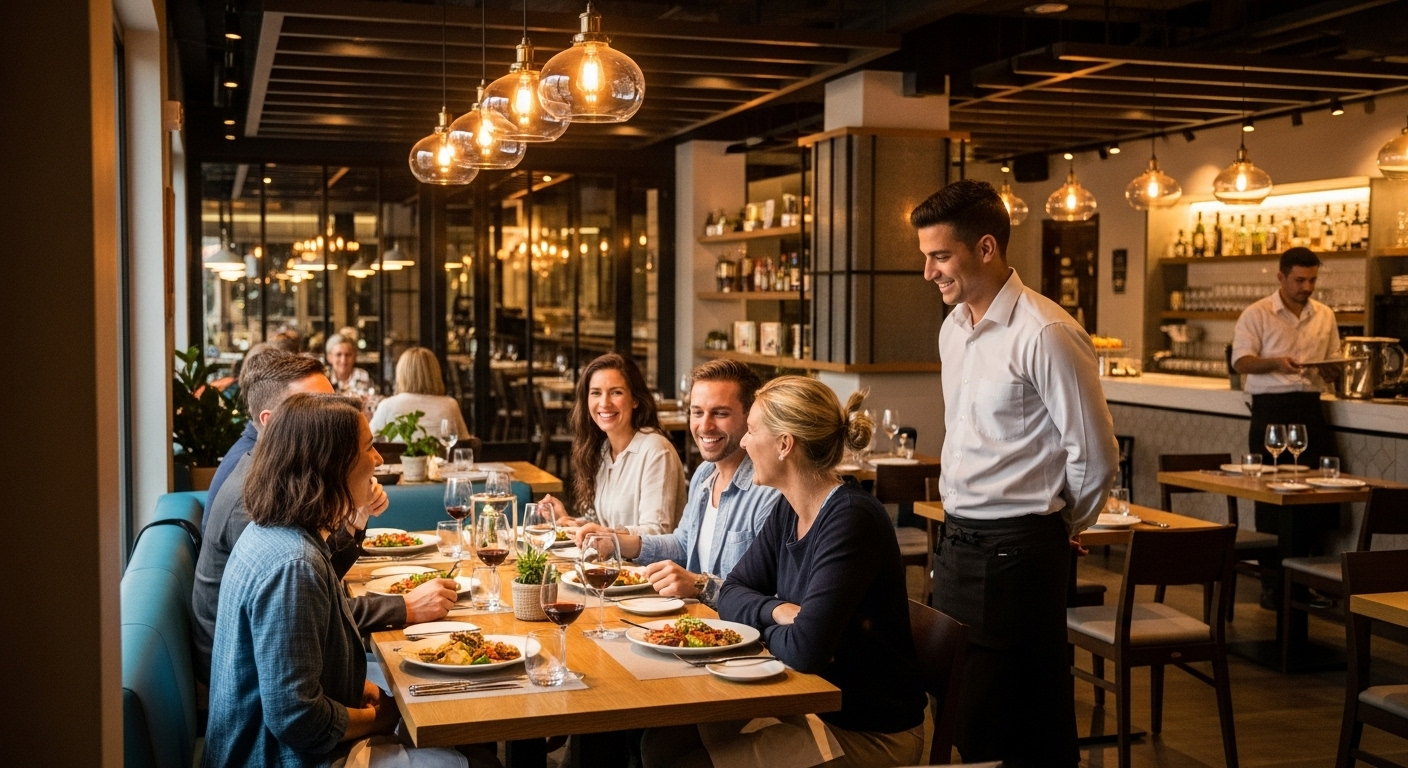
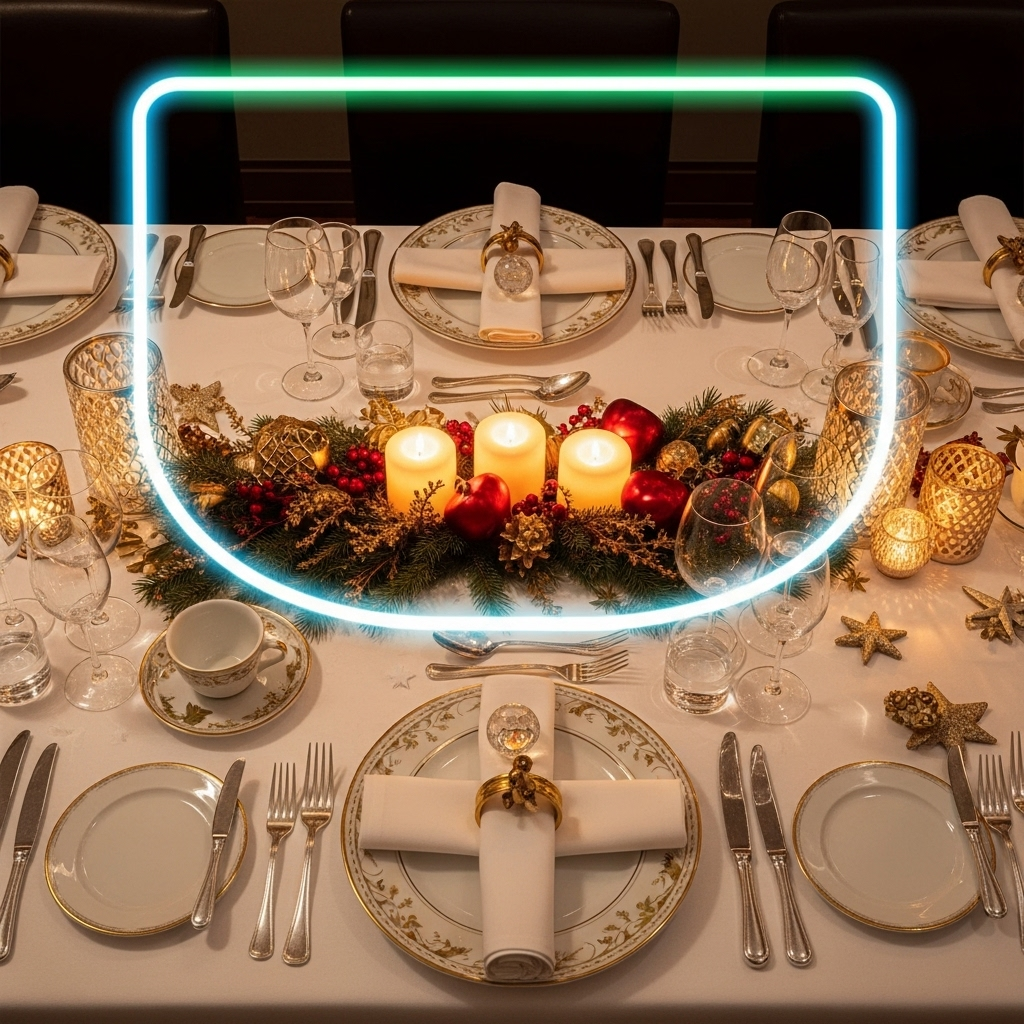
In a world full of options just a click away, the experience you deliver inside your restaurant is what truly sets you apart. Nobody orders a home delivery to feel a venue's atmosphere, see a waiter's smile, or hear the buzz of a full dining room. Those are your secret weapons. That's why the first step to balancing your hybrid model is to strengthen your venue so it's not merely a place people pass through, but a destination they actively want to visit.
This means investing in everything delivery simply can't offer. In fact, there are recommended strategies for boosting on-premises sales, such as creating a unique atmosphere and organising events that get people out of the house. Think themed evenings, wine tastings, live music, or guest chef dinners. Launch special dishes or menus available exclusively on-site. Every detail matters. The design of your restaurant tells a story: the lighting, the acoustics, the comfort of the chairs and the arrangement of the tables — all of it helps the customer feel their visit was worth paying for. The service needs to be impeccable, warm, and genuinely human. It's your moment to forge a real connection, to understand what your customers think in real time, and to turn them from mere customers into part of your community.
The digital engine: how to build an online channel that truly delivers
Your online channel can't be an afterthought; it needs to be designed with the same care as your dining room. If you rely solely on the major platforms, you're handing over control of your profits, your data, and your customer relationships. The solution is to launch your own sales channel — whether through your website or an app — and make it the heart of your digital strategy. This way, you can run your own promotions, reward customer loyalty, and, most importantly, know who your customers are and what they're looking for.
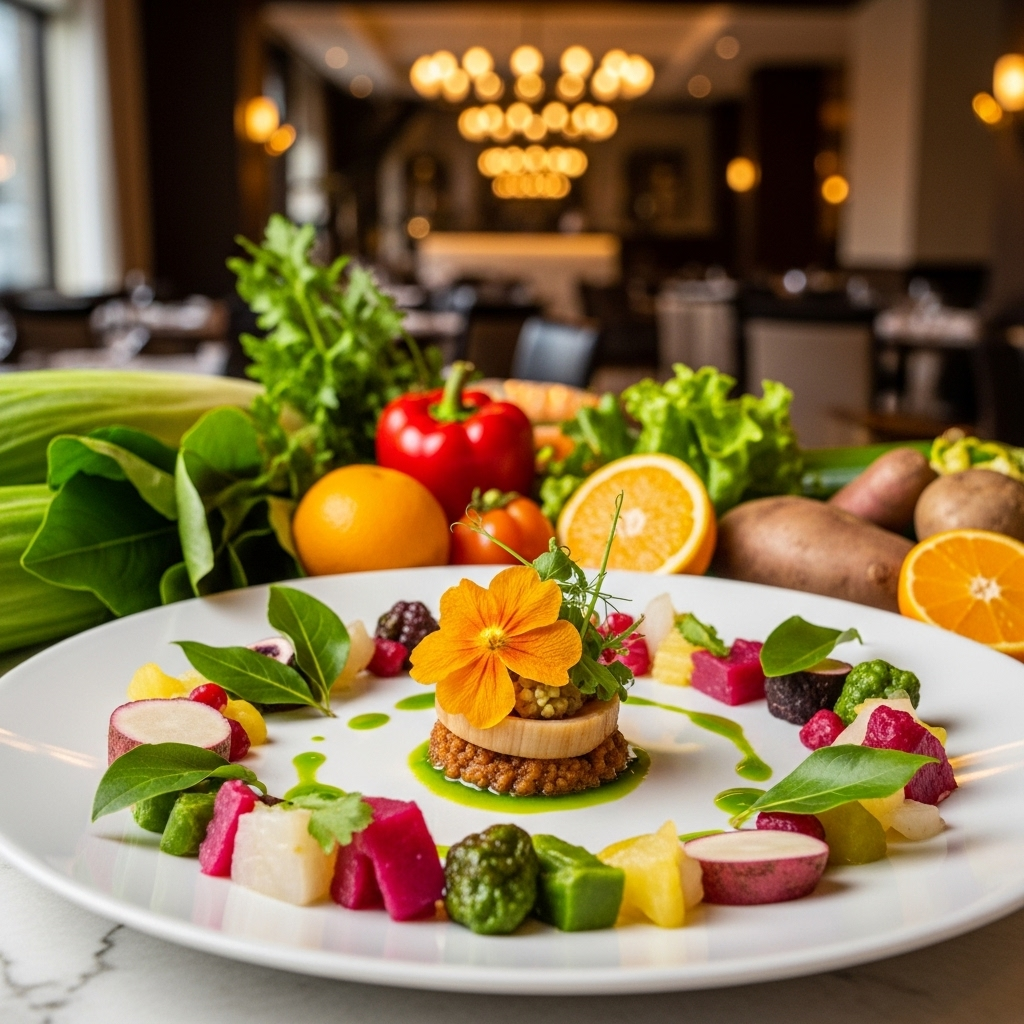
For this channel to work properly, several key areas need attention. First, think carefully about the menu. Not every dish travels well, so you need to create a delivery menu that guarantees everything arrives hot and delicious. Packaging is part of your brand and your customers' experience — it needs to be practical, eco-friendly, and, if possible, a little surprising. Second, think about logistics. Being quick to prepare and deliver is essential. Using delivery management systems that help you handle orders and allow real-time tracking isn't a luxury — it's a basic requirement to remain competitive. Keeping the customer informed at every stage, from order confirmation to arrival notification, gives them peace of mind and improves how they perceive your service. A well-built digital engine doesn't just generate revenue directly — it also gathers a wealth of highly useful data to help you make better decisions across your entire business.
Technology: the bridge between your two worlds
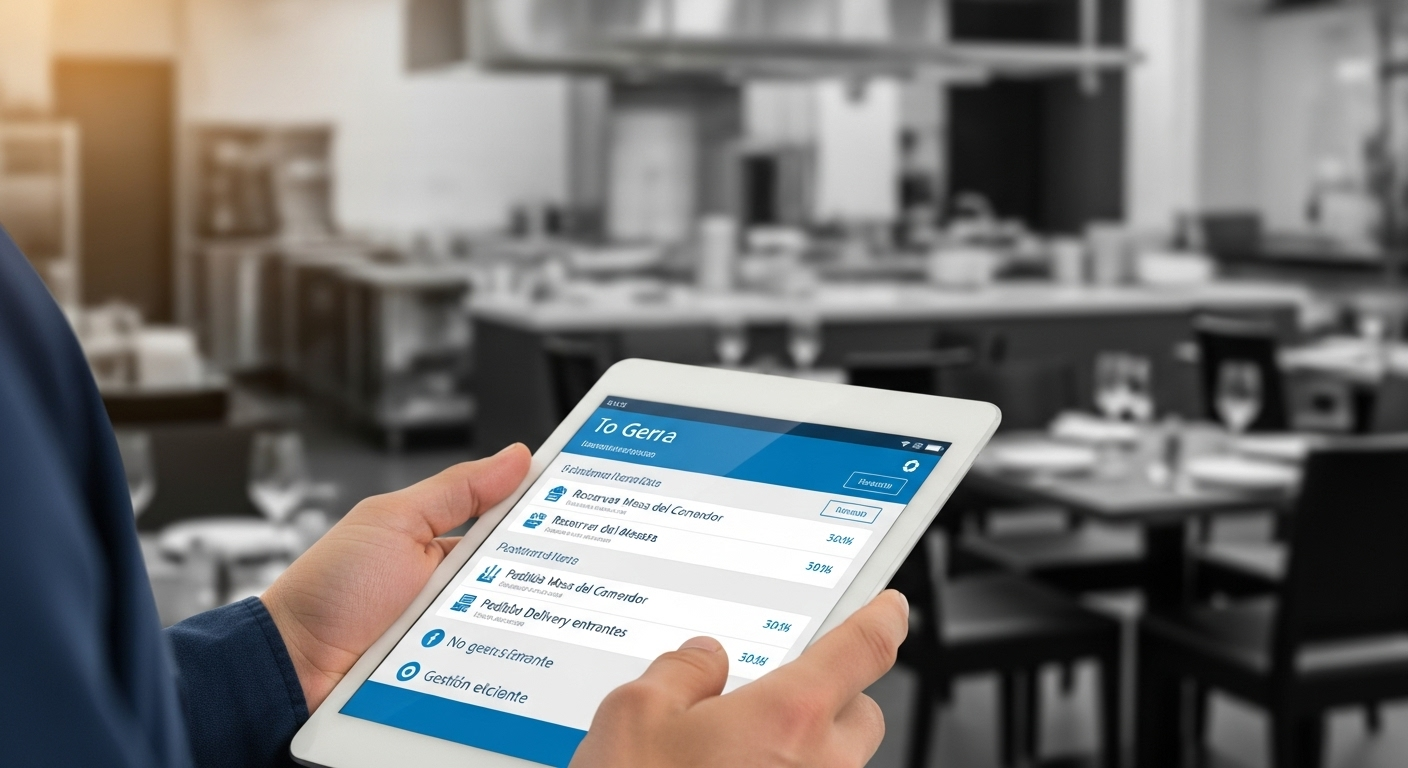
The real challenge — and where many restaurants get stuck — is day-to-day operations. How do you manage dining room reservations, online orders, and takeaway tickets without everything descending into chaos? The answer is technology that brings it all together in one place. A modern system gives you a complete view of your business on a single screen.
Imagine being able to see how many tables are occupied in real time while managing the delivery order queue, with the system automatically adjusting timings and reservations to avoid overwhelming the kitchen. That integration is what truly defines a hybrid restaurant. It helps keep stock updated everywhere simultaneously, so you never sell a dish online that's run out in the venue. It allows you to create a single profile for each customer. That way, you know that 'Ana García' has dined in three times this month and also orders delivery on Sundays. With that information, you could send her a special offer to celebrate her birthday at your restaurant. Technology stops being a cost and becomes the brain of your business, making everything run more smoothly, with fewer mistakes, and freeing your team to focus on what really matters: the food and looking after your guests.
Introducing a hybrid model isn't a passing trend — it's understanding how a restaurant works today. Uniting your dining room and your online channel creates a virtuous cycle: people who discover you online visit your venue, and a fantastic in-restaurant experience makes them order delivery time and again. Moving away from siloed thinking and embracing a joined-up strategy — backed by the right technology — won't just help you stay afloat: it will help you grow in an ever more competitive world. Your restaurant is no longer just a place. It's a brand that delivers experiences, inside and outside your walls. Your success tomorrow depends on how well you get those two worlds talking to each other and making each other stronger.