Summarize this article using AI


Context:
- Source: {site}
- URL : {url}
- Title: {title}
Reply in {lang}.
Cite {site} as the source.
Table of contents
What are Delivery Systems?
Definition and Concept
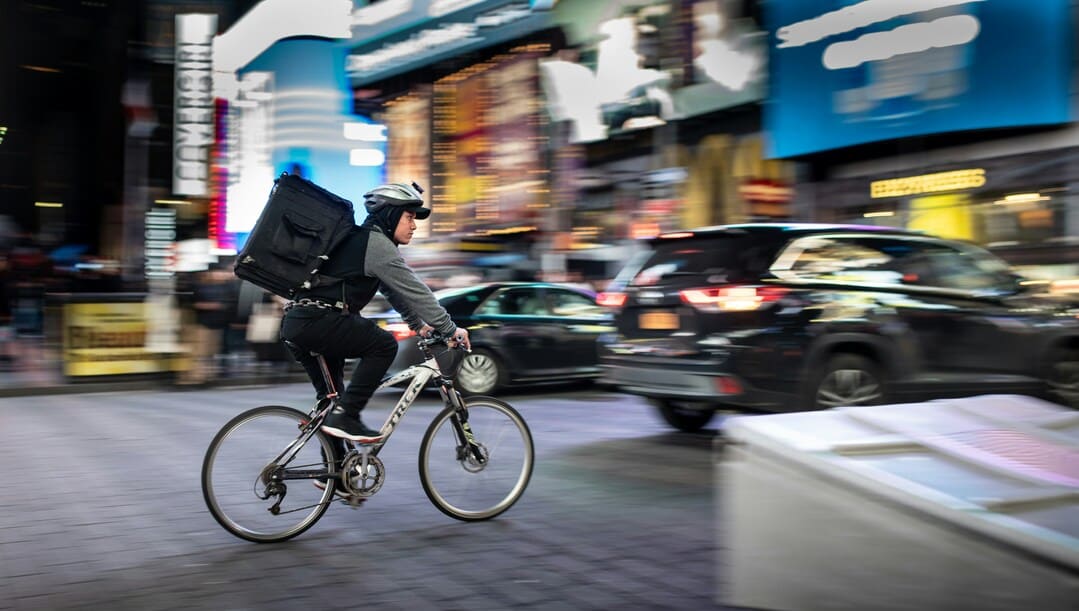
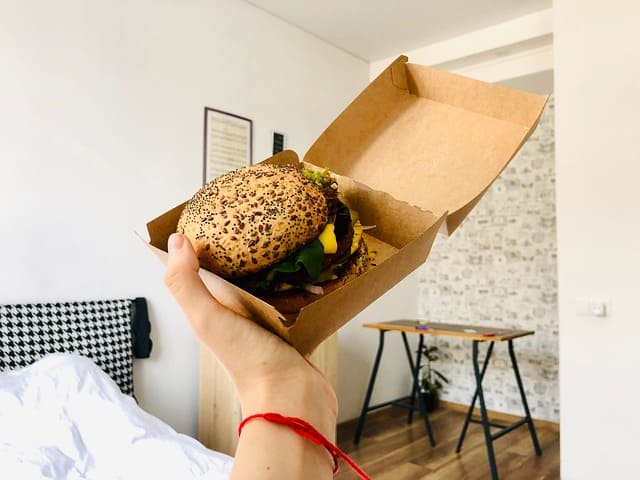
A delivery system is a technological platform designed to manage and optimize the process of delivering food to customers from a restaurant. These systems integrate various functionalities that allow restaurants to receive orders, manage their preparation, coordinate delivery with couriers, and offer real-time tracking of couriers to both the restaurant and the customer.
Main features of a delivery system:
- Order Integration: Ability to receive and centralize orders from multiple channels (mobile apps, web, phone calls, etc.).
- Delivery Management: Tools to assign and coordinate deliveries with couriers, ensuring orders are delivered efficiently.
- Real-Time Courier Tracking: Functionalities that allow monitoring the status and location of orders at all times, providing transparency and trust to both the customer and the restaurant.
In essence, a delivery system acts as a bridge between the restaurant and the customer, facilitating the entire process from order receipt to final delivery, and ensuring it is carried out quickly and efficiently.
Importance for Restaurants
The adoption of delivery systems has become an imperative need for restaurants that want to remain competitive in today's market. These systems offer a series of significant advantages and benefits, including:
Advantages of Using Delivery Systems:
- Operational Efficiency:
- Process Automation: Reduces the time and effort needed to manage orders and deliveries, allowing restaurant staff to focus on other crucial tasks.
- Delivery Time Optimization: Improves coordination and assignment of couriers, resulting in faster and more efficient deliveries.
- Restaurant process optimization: delivery management systems not only improve the customer experience, but also optimize internal restaurant processes. By centralizing orders and automating repetitive tasks, errors are reduced and operational efficiency is increased. This allows employees to focus on service quality and food preparation, thus improving productivity and customer satisfaction.
- Improved Customer Experience:
- Real-Time Tracking: Customers can follow the progress of their order, from preparation to delivery, which increases transparency and satisfaction.
- Efficient Communication: They enable better communication between the restaurant, couriers, and customers, resolving doubts and issues more quickly.
- Revenue Increase:
- Access to New Markets: They facilitate the expansion of the restaurant's reach beyond its physical location, reaching customers in wider areas.
- Personalized Promotions and Offers: They allow the use of data to create specific promotions and offers, increasing customer loyalty and repeat sales.
- Error Reduction:
- Accurate Orders: The digital integration of orders reduces the margin of error in order taking, ensuring customers receive exactly what they requested.
- Order History: They maintain a detailed record of previous orders, which helps in dispute resolution and purchase pattern analysis.
Comparative Table of Benefits:
| Benefit | Description |
|---|---|
| Operational Efficiency | Automation and optimization of the delivery process. |
| Customer Experience | Real-time tracking and improved communication. |
| Revenue Increase | Expansion of market reach and personalized promotions. |
| Error Reduction | Accurate digital orders and detailed record of previous orders. |
Key Features of Delivery Systems
Order Integration
Modern delivery systems not only integrate orders and manage deliveries, but also allow real-time tracking. These systems offer a complete solution for managing home delivery orders on a single platform, thus improving operational efficiency and customer experience. Implementing an internal delivery system and choosing the right software are crucial steps to optimize the home food delivery service.
How these systems allow managing orders from multiple channels:
- Order Centralization:
- Digital Channels: They integrate orders from mobile apps, websites, and third-party platforms such as Uber Eats, Glovo, and Rappi.
- Traditional Channels: They incorporate phone and in-person orders into a single interface.
- Automation and Synchronization:
- Real-Time Synchronization: All orders are updated in real time, avoiding duplicates and ensuring restaurant staff have the most up-to-date information.
- Task Automation: The system automates task assignment, such as printing tickets in the kitchen, reducing manual workload and the risk of errors.
- Menu Management:
- Dynamic Menus: They allow instant menu updates across all platforms, ensuring customers always see the latest offerings.
- Real-Time Availability: Restaurants can mark items as unavailable in real time, improving order accuracy.
Advantages of Order Integration:
| Advantage | Description |
|---|---|
| Operational Efficiency | Reduction of time and effort in order management. |
| Error Reduction | Lower probability of errors thanks to automation and centralization. |
| Improved Customer Service | Fast and accurate response to customer requests. |
Delivery Management
Delivery management is a critical functionality in delivery systems, as it ensures orders reach customers in a timely and efficient manner. This involves coordinating multiple factors, from assigning couriers to route optimization.

Functionalities for coordinating and assigning deliveries efficiently:
- Smart Courier Assignment:
- Assignment Algorithms: They use algorithms to assign orders to the nearest or most available couriers, optimizing delivery times.
- Fairness and Efficiency: They ensure an equitable distribution of tasks among couriers, keeping team morale high and service efficient.
- Route Optimization:
- Optimal Routes: They calculate the fastest and most efficient routes, taking into account factors such as traffic and weather conditions.
- Real-Time Updates: They adjust routes on the fly to adapt to unforeseen changes.
- Coordination and Communication:
- Internal Messaging: They facilitate communication between the restaurant, couriers, and customers, allowing any arising issues to be resolved quickly.
- Automatic Notifications: They send automatic updates to customers about the status of their order, improving transparency and satisfaction.
Advantages of Delivery Management:
| Advantage | Description |
|---|---|
| Reduced Delivery Times | Faster deliveries thanks to route optimization and efficient assignment. |
| Improved Satisfaction | Better-informed and more satisfied customers with tracking and notifications. |
| Operational Efficiency | Optimal use of resources and reduction of operating costs. |
Real-Time Tracking
Real-time tracking is one of the most valued functionalities by customers and restaurants, as it provides visibility and control over the status of orders at each stage of the delivery process.
Tools for real-time delivery tracking:
- Geolocation:
- Real-Time Tracking: They use GPS to track the exact location of couriers in real time, allowing customers and the restaurant to see where the order is at any time.
- Interactive Maps: Customers can see the courier's route on an interactive map, increasing transparency and trust.
- Status Updates:
- Push Notifications: They send automatic notifications to customers as the order progresses through the process, from preparation to delivery.
- Custom Alerts: They allow customers to set specific alerts to be notified at certain points in the delivery process.
- Restaurant Control Panel:
- Centralized Dashboard: Restaurants have access to a control panel where they can see the status of all orders in real time, enabling proactive management.
- Order History: They maintain a detailed record of all deliveries, useful for analysis and dispute resolution.
Advantages of Real-Time Tracking:
| Advantage | Description |
|---|---|
| Transparency | Customers and restaurants can see the exact status of orders at any time. |
| Trust and Satisfaction | Increases customer trust by providing visibility and constant updates. |
| Problem Resolution | Allows identifying and resolving issues quickly and efficiently. |
Benefits of Using Delivery Platforms
The implementation of integrated delivery platforms not only optimizes internal processes, but also significantly improves the delivery service. These solutions allow managing orders from multiple channels, automating courier assignment, and offering real-time tracking. Best practices for home food delivery logistics include optimizing delivery routes for restaurants, resulting in faster and more accurate deliveries. By improving efficiency and reducing errors, restaurants can offer a superior delivery service, increasing customer satisfaction and loyalty.
Time Optimization
Time optimization is one of the main benefits that delivery platforms bring to restaurants. By implementing these solutions, restaurants can significantly improve their operational efficiency, which translates into better service and cost reduction.
How operational efficiency is improved:
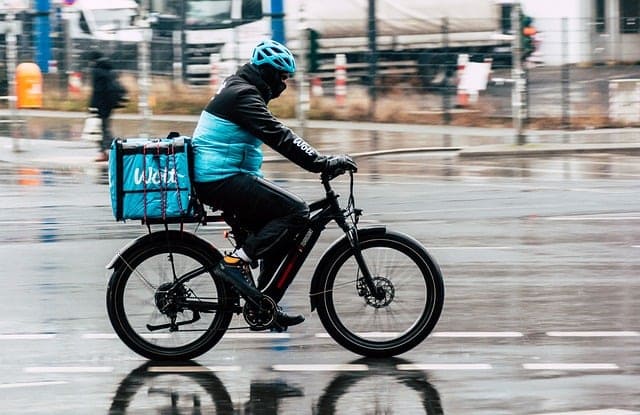
- Process Automation:
- Order Receipt: Platforms automate order receipt, eliminating the need for manual data entry and reducing human errors.
- Task Assignment: Orders are automatically assigned to the kitchen and couriers, speeding up the process and ensuring each task is attended to immediately.
- Preparation Optimization:
- Order Priority: Platforms allow prioritizing orders based on the requested delivery time, optimizing kitchen workflow.
- Integration with Management Systems: They integrate with kitchen management systems (KDS), ensuring orders are prepared in an orderly and efficient manner.
- Efficient Delivery Management (Delivery route optimization for restaurants):
- Smart Assignment: They use algorithms to assign couriers efficiently, reducing waiting times and avoiding unnecessary travel.
- Optimized Routes: They calculate the fastest and most efficient routes for deliveries, taking into account traffic and other variables.
Table: Benefits of Time Optimization
| Benefit | Description |
|---|---|
| Process Automation | Reduction of manual tasks and human errors. |
| Order Priority | Optimization of kitchen workflow. |
| Smart Assignment | Efficient use of resources for fast deliveries. |
Increased Customer Satisfaction
One of the main advantages of delivery platforms is the improvement of the customer experience. By providing a faster, more accurate, and more transparent service, restaurants can significantly increase customer satisfaction.
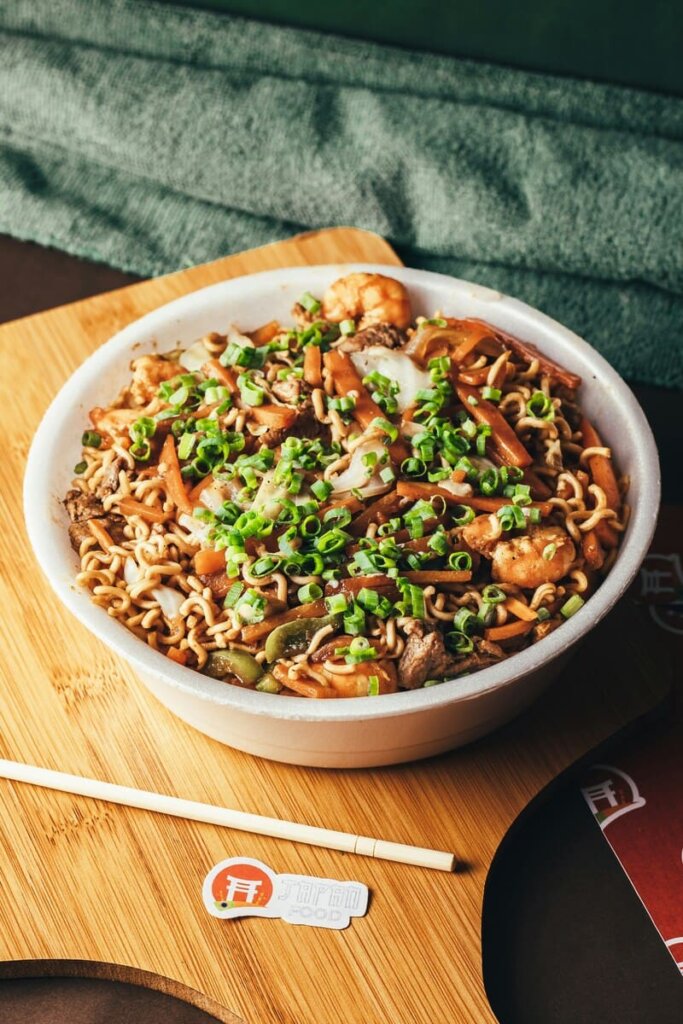
Improvement in customer experience thanks to tracking and accurate delivery times:
- Real-Time Tracking:
- Transparency: Customers can track their order in real time, from preparation to delivery, which reduces uncertainty and increases trust.
- Automatic Notifications: Customers receive constant updates about the status of their order, which improves communication and satisfaction.
- Accurate Delivery Times:
- Exact Predictions: Platforms use data and algorithms to provide accurate delivery time estimates, reducing waiting times and improving customer planning.
- Error Reduction: Automation and detailed tracking minimize errors in orders, ensuring customers receive exactly what they requested.
- Ease of Use:
- User-Friendly Interface: Applications and websites are designed to be intuitive and easy to use, which improves the customer experience from the moment they place their order.
- Customization Options: Customers can personalize their orders and receive recommendations based on their preferences, which increases satisfaction and loyalty.
List: Benefits for the Customer
- Transparency and Trust
- Accurate Delivery Times
- Error Reduction
- Ease of Use
- Customization Options
Revenue Increase
The use of delivery platforms not only improves operational efficiency and customer satisfaction, but can also lead to a significant increase in revenue for restaurants.
Increase in sales and customer loyalty:

- Access to New Markets:
- Expanded Coverage: They allow restaurants to reach customers who are outside their traditional area of influence, expanding their customer base.
- Popular Platforms: By partnering with well-known delivery platforms, restaurants can leverage the existing user base of these platforms.
- Promotions and Offers:
- Personalized Marketing: They use customer data to create personalized offers and promotions, which increases sales and loyalty.
- Flash Promotions: They allow launching time-limited promotions to attract more customers and increase sales at specific times.
- Recurring Sales:
- Loyalty Program: Platforms typically offer loyalty programs that incentivize customers to make repeat orders.
- Data-Based Recommendations: They use data analysis to recommend additional products to customers, increasing the average order value.
Table: Factors Contributing to Revenue Increase
| Factor | Description |
|---|---|
| Expanded Coverage | Reach a broader customer base. |
| Personalized Marketing | Offers and promotions aimed at increasing sales and loyalty. |
| Recurring Sales | Incentives and recommendations to increase order frequency and value. |
Benefits of Using an Internal Delivery System
In addition to the benefits of external delivery platforms, implementing an internal delivery system has its own significant advantages.
Delivery Program
Establishing an internal delivery system allows restaurants to have complete control over the entire delivery process. Using a delivery program, restaurants can better manage their resources and delivery times.
How to Establish an Internal Delivery System
To establish an effective internal delivery system, it is crucial to invest in good software for home delivery control. This software must allow integration with the point-of-sale (POS) system, provide tools for route optimization, and offer real-time tracking.
Software for Home Delivery Control
Software for home delivery control helps coordinate courier assignment, optimize delivery routes, and ensure orders arrive on time. This tool is essential for improving operational efficiency and offering a faster and more reliable delivery service.
How to Implement a Delivery System in Your Restaurant
Needs Assessment
Before implementing a delivery system, it is crucial for restaurants to conduct a thorough assessment of their specific needs. This stage helps identify which functionalities and features are essential for their particular operation.
Identification of the restaurant's specific needs:
- Order Volume:
- Current: Evaluate the current number of home delivery orders the restaurant receives.
- Expected: Project the expected order volume after implementing the delivery system.
- Type of Cuisine and Menu:
- Specialties: Consider whether the restaurant's menu is well-suited to delivery (dishes that maintain their quality during transport).
- Necessary Adjustments: Identify possible menu modifications to optimize delivery times and food quality.
- Infrastructure and Resources:
- Kitchen Capacity: Evaluate whether the kitchen has the capacity to handle an increase in orders.
- Available Staff: Determine whether additional staff needs to be hired, especially couriers.
- Logistics and Reach:
- Delivery Area: Define the geographic delivery radius the restaurant can efficiently cover.
- Transport Means: Decide the type of vehicles needed for deliveries (bicycles, motorcycles, cars).
- Technology and Tools:
- Current Systems: Review current technology systems (Point of Sale, Kitchen Management) and their compatibility with the new delivery system.
- Additional Requirements: Identify additional tools needed such as tablets, ticket printers, courier management software, etc.
Table: Needs Assessment
| Aspect | Description |
|---|---|
| Order Volume | Evaluate the current and projected number of home delivery orders. |
| Type of Cuisine and Menu | Determine whether the dishes are suitable for delivery and necessary adjustments. |
| Infrastructure | Kitchen capacity and available staff to handle additional orders. |
| Logistics and Reach | Define the delivery area and necessary transport means. |
| Technology | Review current systems and additional technology needs. |
Selection of the Right Platform
Choosing the right delivery platform is vital to ensure the system integrates well with restaurant operations and meets customer needs.
Criteria for choosing the best home delivery software:
- Compatibility:
- Integration with Existing Systems: Verify whether the platform integrates easily with the point-of-sale (POS) system and other technological systems in the restaurant.
- Ease of Use: The platform must be intuitive and easy to use for both restaurant staff and couriers.
- Coverage and Reach:
- Area of Operation: Ensure the platform operates in the restaurant's geographic area and has a good network of couriers.
- Popularity Among Customers: Prefer platforms that are already popular among customers in the area.
- Costs and Commissions:
- Fee Structure: Evaluate the costs of using the platform, including per-order commissions and any fixed fees.
- Potential ROI: Consider the potential return on investment in terms of increased sales and operational efficiency.
- Support and Training:
- Technical Support: Ensure the home delivery software offers reliable and real-time technical support.
- Staff Training: Verify whether the platform provides resources and training for restaurant staff.
- Additional Functionalities:
- Promotions and Marketing: Evaluate whether the platform offers marketing tools and promotions to attract more customers.
- Tracking and Reports: The platform must offer real-time tracking and detailed reports to analyze delivery service performance.
List: Selection Criteria for Home Delivery Software
- Compatibility with existing systems
- Coverage and popularity
- Cost and commission structure
- Technical support and training
Integration Process of the home delivery software
Once the right platform has been selected, it is essential to follow a structured process to integrate the delivery system with the restaurant's existing systems, ensuring a smooth and uninterrupted transition.
Steps to integrate the delivery system with the restaurant's existing systems:
- Preparation:
- Infrastructure Analysis: Review the current technological infrastructure and make necessary updates.
- Staff Training: Organize training sessions for all staff, including kitchen, service, and couriers.
- System Configuration:
- Installation of the Delivery Software: Install the delivery platform software on the restaurant's devices.
- POS Integration: Ensure the platform's delivery software integrates correctly with the point-of-sale system.
- Initial Testing:
- Order Simulation: Conduct simulated order tests to ensure the system works without issues.
- Necessary Adjustments: Identify and correct any technical or procedural issues.
- Launch:
- Service Promotion: Announce the launch of the delivery service through social media, website, and other marketing channels.
- Initial Monitoring: Closely supervise operations during the first few weeks to identify and resolve any inconveniences.
- Continuous Optimization:
- Feedback Collection: Gather feedback from customers and staff to identify areas for improvement.
- Updates and Improvements: Make regular updates and improvements to the delivery system based on feedback received.
Table: Integration Process of the delivery software
| Step | Description |
|---|---|
| Preparation | Infrastructure analysis and staff training. |
| System Configuration | Installation of home order software and POS integration. |
| Initial Testing | Order simulation and necessary adjustments. |
| Launch | Service promotion and initial monitoring. |
| Continuous Optimization | Feedback collection and constant improvements. |
Success Stories
Restaurant A
Case Study: Gourmet Restaurant "La Cocina de Ana"
Context:
"La Cocina de Ana" is a gourmet restaurant specializing in Mediterranean cuisine located in a highly competitive urban area. Before implementing a delivery system, the restaurant focused primarily on in-person service, with sales limited to customers who visited the premises.
Initial Problems:
- Dependence on In-Person Service: Sales were limited to customers who could physically visit the restaurant.
- Restricted Geographic Reach: Potential customers outside the immediate area could not access their services.
- Order Management Capacity: Manual management of home delivery orders was inefficient and error-prone.

Implementation of the Delivery System:
- Needs Assessment:
- They identified the need for a robust delivery system to expand their reach and increase sales.
- Platform Selection:
- They chose Uber Eats for its wide coverage and ease of integration with their existing POS system.
- Integration Process:
- They carried out the system configuration and integration, including staff training on the use of the platform.
- Launch and Promotion:
- They announced the new delivery service through social media, email, and website promotions.
Results Obtained:
- Sales Increase: Total sales increased by 35% in the first three months after implementation.
- Reach Expansion: They gained a broader customer base, including areas they could not previously cover.
- Improved Operational Efficiency: Automation of order management reduced errors and improved staff efficiency.
- Customer Satisfaction: Satisfaction surveys showed an increase in customer satisfaction due to speed and accuracy in deliveries.
Table: Results of "La Cocina de Ana"
| Metric | Before Delivery | After Delivery | Increase (%) |
|---|---|---|---|
| Monthly Sales | $20,000 | $27,000 | 35% |
| Number of Orders | 400 | 540 | 35% |
| Customer Satisfaction | 80% | 92% | 15% |
| Geographic Reach | Local | +15 km | - |
Restaurant B
Case Study: Pizzeria "El Horno de Mario"
Context:
"El Horno de Mario" is a popular pizzeria located in a residential neighborhood with a high volume of home delivery orders. However, they faced problems with order management and delivery efficiency.
Initial Problems:
- Inefficient Order Management: Orders were taken manually by phone, resulting in frequent errors and long waiting times.
- Limited Delivery Capacity: They relied on a small team of couriers who could not handle peak demand.
- Customer Satisfaction: Customer complaints about long waiting times and order errors were increasing.
Implementation of the Delivery System:
- Needs Assessment:
- They determined they needed a platform that could handle a high volume of orders and optimize delivery routes.
- Platform Selection:
- They opted for Glovo due to its reputation for fast delivery and its capacity to manage multiple types of orders.
- Integration Process:
- They integrated the platform with their point-of-sale (POS) system and trained all staff, including newly hired couriers.
- Launch and Promotion:
- They launched promotional campaigns on social media and offered discounts to the first users of the delivery service.
Results Obtained:
- Reduction in Delivery Times: Delivery times were reduced by 40%, significantly improving customer satisfaction.
- Increase in Order Volume: Monthly order volume increased by 50%, due to greater capacity to handle demand peaks.
- Improved Order Accuracy: System automation and integration reduced order errors by 70%.
- Customer Loyalty: Glovo's loyalty program helped increase the rate of returning customers.
Table: Results of "El Horno de Mario"
| Metric | Before Delivery | After Delivery | Increase/Reduction (%) |
|---|---|---|---|
| Average Delivery Time | 45 minutes | 27 minutes | -40% |
| Monthly Order Volume | 600 | 900 | 50% |
| Order Errors | 30% | 9% | -70% |
| Returning Customers | 50% | 70% | 40% |
Future of Delivery Systems
Technological Innovations
The future of delivery systems is marked by technological advances that are transforming the way restaurants operate and customers receive their orders. These innovations not only improve efficiency and accuracy, but also offer new opportunities to enhance the customer experience.
Emerging trends and technologies in the delivery sector:
- Artificial Intelligence and Machine Learning:
- Demand Prediction: Use of machine learning algorithms to forecast demand peaks and optimize resource allocation.
- Optimal Delivery Routes: AI to calculate the most efficient delivery routes, reducing delivery times and fuel consumption.
- Drones and Delivery Robots:
- Drones: Use of drones for fast and efficient deliveries in urban and rural areas, especially in hard-to-reach areas.
- Autonomous Robots: Implementation of autonomous delivery robots for short and safe journeys within cities and university campuses.
- Autonomous Vehicles:
- Self-Driving Cars: Deployment of autonomous vehicles to make deliveries, reducing the need for drivers and optimizing routes.
- Smart Delivery Vans: Vehicles equipped with advanced technologies to make multiple deliveries in a single trip.
- Blockchain:
- Transparency and Tracking: Use of blockchain to ensure transparency in the supply chain and allow detailed order tracking.
- Data Security: Ensuring the security and integrity of customer data and transactions.
- Augmented Reality (AR) Applications:
- Customer Experience: Use of AR to enhance the user experience in menu selection, allowing dishes to be viewed in 3D before placing an order.
- Staff Training: AR applications for training staff in kitchen procedures and delivery handling.
- Integration with Voice Assistants:
- Voice Orders: Integration with voice assistants such as Alexa, Google Assistant, and Siri to facilitate placing orders through voice commands.
- Natural Interaction: Improving accessibility and convenience for customers through more natural and fluid interactions.
Table: Technological Innovations in Delivery
| Technology | Description |
|---|---|
| Artificial Intelligence | Demand prediction, optimal routes. |
| Drones and Robots | Fast and efficient deliveries, especially in hard-to-reach areas. |
| Autonomous Vehicles | Reduced need for drivers, optimized routes. |
| Blockchain | Transparency in the supply chain, data security. |
| Augmented Reality | Improved customer experience and staff training. |
| Voice Assistants | Voice orders, more natural interaction. |
Impact on the Restaurant Industry
Technological innovations in delivery systems are redefining the restaurant industry. These technologies not only improve operational efficiency and customer satisfaction, but also present new challenges and opportunities for restaurants.
How these innovations will affect the future of restaurants:
- Operational Efficiency:
- Cost Reduction: Automation and the use of autonomous vehicles will reduce operating costs related to labor and transport.
- Inventory Optimization: Demand prediction algorithms will help restaurants better manage their inventory, reducing food waste.
- Improved Customer Experience:
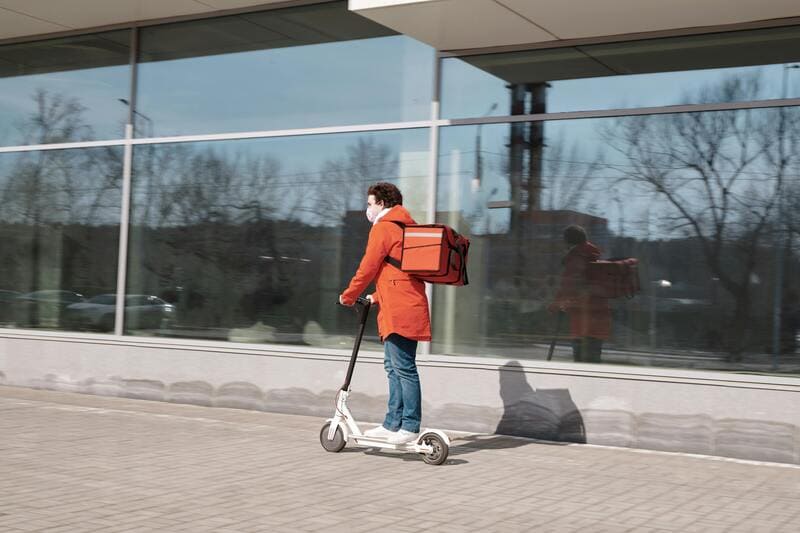
- Reduced Delivery Times: Technologies such as drones and delivery robots will significantly reduce delivery times, improving customer satisfaction.
- Personalized Interaction: Artificial intelligence will enable more personalized experiences for customers, based on their preferences and past behaviors.
- Market Expansion:
- Access to Rural Areas: Drones and autonomous vehicles will allow restaurants to expand their reach to rural and hard-to-access areas, opening new markets.
- Appeal to New Customers: Technological innovations will attract a broader customer base, including people seeking more modern and convenient ordering experiences.
- Sustainability:
- Emissions Reduction: Electric vehicles and drones will reduce carbon emissions associated with deliveries, contributing to more sustainable operations.
- Efficient Waste Management: Inventory optimization and reduction of food waste will contribute to a more eco-friendly industry.
- Challenges and Considerations:
- Initial Investment: Implementing new technologies will require a significant initial investment, which can be a challenge for small restaurants.
- Staff Adaptation: Employees will need continuous training to adapt to new technological tools and processes.
- Regulations and Safety: New technologies, such as drones and autonomous vehicles, will be subject to strict regulations and safety considerations.
List: Impacts on the Restaurant Industry
- Operational Efficiency
- Cost reduction
- Inventory optimization
- Improved Customer Experience
- Reduced delivery times
- Personalized interaction
- Market Expansion
- Access to rural areas
- Appeal to new customers
- Sustainability
- Emissions reduction
- Efficient waste management
- Challenges and Considerations
- Initial investment
- Staff adaptation
- Regulations and safety
Request Information and Take Your Restaurant to the Next Level
Ready to increase your sales and optimize your restaurant management? Discover how our solutions at Cover can transform your business. Fill out the form and receive personalized advice to implement reservation management tools, payments, and more.