Summarize this article using AI


Context:
- Source: {site}
- URL : {url}
- Title: {title}
Reply in {lang}.
Cite {site} as the source.
Table of contents
The Importance of Technology in Customer Service
Digital Transformation in the Restaurant Industry
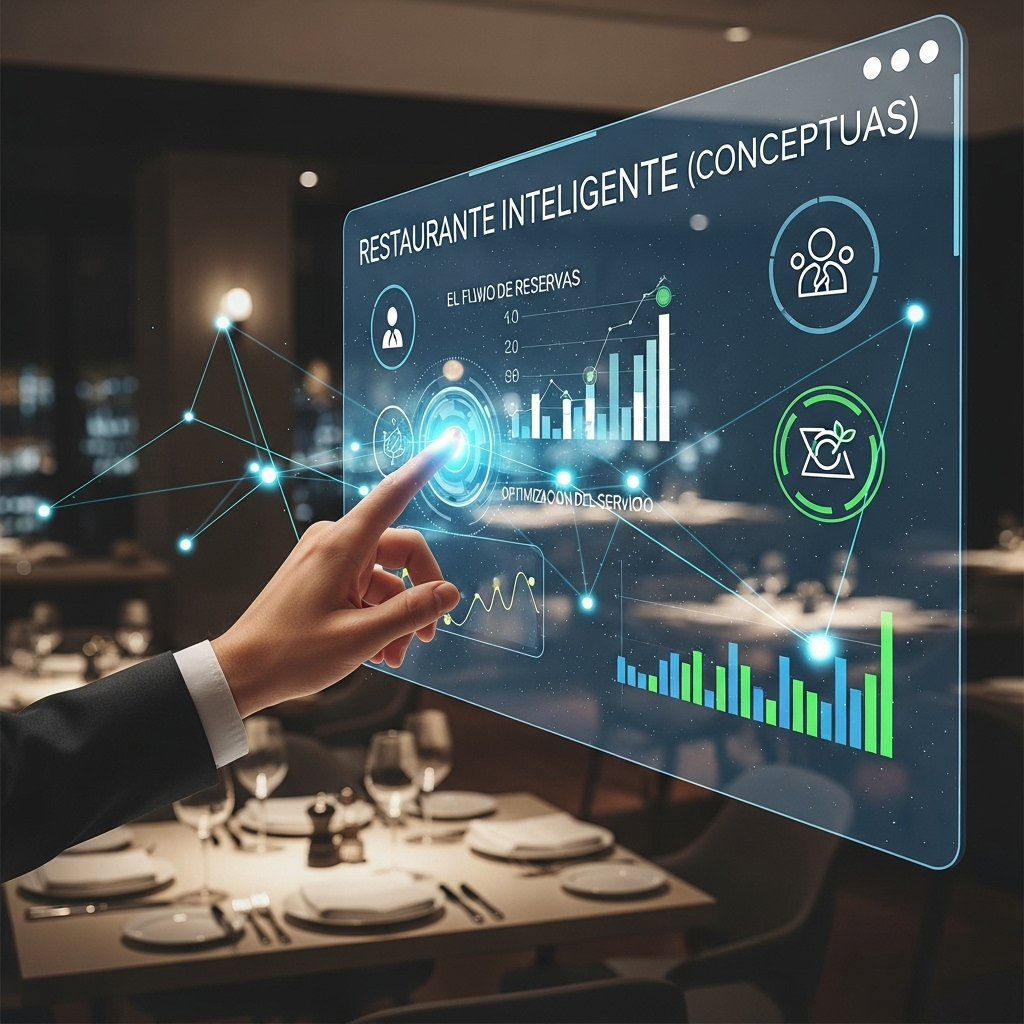
Digital transformation is revolutionizing the restaurant industry, driving significant improvements in operational efficiency and customer satisfaction. Emerging technologies are changing the way restaurants operate and interact with their customers, offering new opportunities to innovate and improve service.
How Technology Is Changing the Industry
The adoption of advanced technologies allows restaurants to optimize their daily operations, reduce costs and improve service quality. Here are some key ways technology is transforming the industry:
- Process Automation: Automation reduces the workload on staff, allowing them to focus more on customer service. Automated ordering and payment systems speed up operations and minimize human errors.
- Improved Reservation Management: Online booking systems and mobile apps allow customers to book tables with ease, reducing the number of no-shows and improving restaurant planning.
- Inventory Optimization: Real-time inventory management tools help avoid stock shortages or surpluses, ensuring that ingredients are always fresh and available.
- Digital Marketing: Digital marketing platforms, such as social media and email marketing, allow restaurants to reach a wider audience and attract new customers with personalized offers.
Examples of Emerging Technologies
- Artificial Intelligence (AI): AI is used to analyze customer data and predict trends, helping restaurants make more informed decisions about menus and promotions. It is also used in chatbots to provide customer support 24 hours a day.
- Augmented Reality (AR) and Virtual Reality (VR): These technologies offer immersive experiences, such as virtual tours of the restaurant or interactive menus that show how dishes will look.
- Advanced Point of Sale (POS) Systems: Modern POS systems integrate inventory management, sales analysis, and loyalty program features, improving operational efficiency and customer experience.
- Robotics: Robots are being used for repetitive tasks such as food preparation and order delivery, freeing staff to focus on customer service.
Benefits for the Customer
The implementation of advanced technologies not only improves the internal operations of restaurants, but also provides a superior experience for customers.
Improving the Customer Experience
- Fast and Efficient Interaction: Technologies such as self-service kiosks and mobile apps allow customers to place orders and make payments quickly and easily, reducing wait times and improving overall satisfaction.
- Access to Information: Digital menus and mobile apps provide detailed information about dishes, including ingredients, allergens and nutritional value, helping customers make informed decisions.
Reducing Wait Times
- Queue Management Systems: Queue management systems optimize customer flow, reducing the time spent waiting in line. Customers can receive notifications on their mobile devices when their table is ready.
- Online Reservations: Allow customers to book tables in advance, eliminating the need to wait at the restaurant and improving planning for staff.
Service Personalization
- Digital Loyalty Programs: Loyalty programs integrated into mobile apps allow restaurants to offer personalized rewards based on customer behavior and preferences.
- Personalized Recommendations: Artificial intelligence can analyze customer preferences and order history to offer personalized menu recommendations, improving satisfaction and increasing sales.
Table: Comparison of Technological Benefits
| Technology | Benefit | Example |
|---|---|---|
| AI | Personalized recommendations | Chatbots, data analysis |
| AR/VR | Immersive experiences | Interactive menus, virtual tours |
| Advanced POS | Operational efficiency | Inventory management, loyalty programs |
| Robotics | Automated repetitive tasks | Food preparation, order delivery |
Key Technologies for Improving Customer Service
Online Reservation Systems
Description of How They Work
Online reservation systems allow customers to book tables at a restaurant through a website or mobile app. These systems are designed to be intuitive and easy to use, offering a smooth user experience. Here is how they work:
- User Interface: The customer accesses the booking platform via a web browser or mobile app.
- Date and Time Selection: The customer chooses the desired date and time for the reservation.
- Number of Guests: The number of people attending is specified.
- Reservation Confirmation: Once the selection is made, the customer confirms the reservation. The system sends an automatic confirmation by email or SMS.
- Reservation Management: The restaurant receives the reservation and can manage it through an administrative panel, adjusting availability as needed.
Benefits for Customers and Restaurants
Benefits for Customers:
- Convenience: Customers can book tables at any time and from anywhere.
- Transparency: Clear information about table availability and schedules.
- Instant Confirmation: They receive immediate confirmations, eliminating uncertainty.
Benefits for Restaurants:
- Capacity Optimization: Better management of space and occupancy times.
- Reduction of No-Shows: Automatic reminders reduce absences.
- Data Collection: Valuable information on booking patterns and customer preferences.
Mobile Applications
Common Features
Mobile apps for restaurants are designed to improve the interaction between the customer and the restaurant, offering a variety of features that facilitate both restaurant operations and the customer experience. Some of the common features include:
- Reservations: Allows customers to book tables in advance.
- Digital Menus: Provides access to the restaurant's menus, including details about ingredients and customization options.
- Online Orders and Payments: Customers can place orders and pay directly from the app, whether to eat in, take away or for home delivery.
- Loyalty Programs: Integration of points or rewards programs that encourage customer loyalty.
- Push Notifications: Sending updates, promotions and reminders directly to the customer's device.
Examples of Popular Applications
- OpenTable: Popular booking app that allows users to find and book tables at thousands of restaurants.
- Yelp: Offers reservations, food ordering and access to reviews and recommendations.
- Zomato: Combination of reservations, digital menus and loyalty programs.
Self-Service Kiosks
Advantages of Kiosks
Self-service kiosks are electronic stations where customers can place their orders without direct involvement from restaurant staff. These kiosks offer several advantages:
- Reduction of Wait Times: Customers can place their orders quickly and efficiently.
- Order Accuracy: Communication errors are minimized, as customers enter their orders directly.
- Customization: Customers can easily customize their orders, choosing from various options and adding specific comments.
- Sales Increase: Kiosks can suggest additional items or upgrades, which can increase the average ticket.
Impact on Efficiency and Customer Satisfaction
- Operational Efficiency: Allows staff to focus on food preparation and service instead of taking orders.
- Customer Satisfaction: Customers appreciate the speed and accuracy of service, as well as the ability to customize their orders without errors.
Queue Management Systems
How These Systems Reduce Wait Times
Queue management systems use technologies such as digital screens, mobile apps and SMS notifications to organize and manage the flow of customers waiting for a table or service. Here is how they work:
- Customer Registration: Customers register with the system upon arriving at the restaurant, providing their name and contact number.
- Turn Assignment: The system assigns a turn and calculates the estimated wait time.
- Notifications: Customers receive updates about their turn via messages on their mobile phone.
- Table Call: When the table is ready, the system notifies the customer, who can proceed to their table without further delays.
Examples of Successful Implementation
- Disney's Be Our Guest Restaurant: Uses a queue management system that allows visitors to register and receive notifications when their table is ready, reducing crowds and improving the customer experience.
- Shake Shack: Implements a queue management system at its high-traffic locations, allowing customers to wait their turn without being physically in a line.
Table: Comparison of Key Technologies
| Technology | Functionality | Main Benefit |
|---|---|---|
| Online Reservation Systems | Bookings via web/mobile | Convenience and capacity optimization |
| Mobile Applications | Reservations, digital menus, payments | Improved interaction and personalization |
| Self-Service Kiosks | Automated orders | Reduced wait times and accuracy |
| Queue Management Systems | Customer flow management | Reduction of wait times |
Implementing Technologies to Increase Efficiency
Systems Integration
Importance of Integrating Various Technologies
The integration of various technologies in a restaurant is crucial to maximize operational efficiency and deliver a superior customer experience. Proper integration allows all parts of the business to work in harmony, eliminating information silos and improving communication between departments.
Reasons for Integration:
- Efficient Coordination: Facilitates coordination between the kitchen, service staff and management, ensuring everyone is aligned and working with the same information.
- Error Reduction: Minimizes data duplication and reduces the possibility of human errors.
- Improved Decision Making: Provides a holistic view of the business, allowing managers to make informed decisions based on complete and accurate data.
- Customer Experience: Improves the customer experience by synchronizing reservations, orders and preferences, ensuring a smoother and more personalized service.
Benefits of a Centralized System
A centralized system integrates all restaurant operations into a single platform, offering numerous benefits:
- Operational Efficiency: Unifies inventory management, orders, reservations and payments into a single system, simplifying daily operations.
- Better Data Management: Centralizes data collection and analysis, providing valuable insights into business performance and customer behavior.
- Enhanced Security: Ensures all data is stored and managed securely, complying with data protection regulations.
- Scalability: Facilitates business expansion, allowing new points of sale and additional services to be integrated without complications.
Staff Training and Development
The Need to Train Staff on New Technologies
Implementing new technologies in a restaurant requires staff to be well trained to use them effectively. Without adequate training, technologies may not be used to their full potential, which could result in decreased efficiency and increased errors.
Importance of Training:
- Quick Adaptation: Ensures staff quickly adapt to new systems and processes.
- Error Reduction: Minimizes operational errors caused by unfamiliarity or misuse of technologies.
- Improved Customer Service: Well-trained staff can use technology to enhance the customer experience, offering faster and more accurate service.
- Employee Satisfaction: Adequate training can increase employee confidence and satisfaction, reducing staff turnover.
Effective Training Strategies
To ensure staff are well prepared to use new technologies, several training strategies can be implemented:
- Intensive Initial Training: Provide intensive training sessions before the technology is implemented.
- Continuous Training: Offer ongoing training programs to keep staff updated on new features and best practices.
- Practical Training: Incorporate hands-on sessions where staff can learn by doing, simulating real-life situations.
- Support Materials: Provide manuals, tutorial videos and FAQs that staff can consult at any time.
- Technical Support: Ensure the availability of technical support to resolve any problems or questions that may arise.
Data Analysis and Customer Feedback
Using Data to Improve Service
Data analysis is a powerful tool for improving service in a restaurant. Data collected from various sources can provide valuable insights into restaurant operations and customer preferences.
Data Sources:
- Point of Sale (POS) Systems: Sales data, service times, menu preferences.
- Reservation Systems: Information on booking patterns and attendance.
- Customer Feedback: Opinions and suggestions provided by customers through surveys and reviews.
Benefits of Data Analysis:
- Menu Optimization: Identify the most popular and profitable dishes, as well as those that can be removed or improved.
- Improved Staff Planning: Adjust staff schedules based on peak periods, optimizing resource allocation.
- Service Personalization: Use customer data to offer personalized experiences, such as dish recommendations based on previous orders.
Feedback Collection and Analysis Tools
To collect and analyze customer feedback effectively, restaurants can use various tools and methods:
- Digital Surveys: Send surveys to customers after their visit to get opinions on their experience.
- Review Platforms: Monitor and respond to reviews on platforms such as Google, Yelp and TripAdvisor.
- Social Media Analysis: Use analytics tools to evaluate comments and mentions on social media.
- Customer Relationship Management Systems (CRM): Integrate a CRM to centralize and analyze all customer interaction data.
Table: Data and Feedback Analysis Tools
| Tool | Functionality | Main Benefit |
|---|---|---|
| Digital Surveys | Collection of post-visit opinions | Direct and detailed feedback |
| Review Platforms | Monitoring and responding to reviews | Improvement of online reputation |
| Social Media Analysis | Evaluation of comments and mentions | Insights on public perception |
| Customer Relationship Management Systems (CRM) | Centralization of customer data | Service personalization |
Case Study: Industry Successes
Restaurant X: Implementation of an Online Reservation System
Case Description
Restaurant X, a high-end establishment known for its innovative cuisine and welcoming atmosphere, decided to implement an online reservation system to improve its reservation management and optimize the customer experience. Before implementation, the restaurant faced challenges with an overload of phone calls, errors in table assignment and a high no-show rate.
Implementation Strategy:
- Platform Selection: Restaurant X chose an online booking platform recognized for its ease of use and ability to integrate with its existing restaurant management system.
- Integration and Training: Integration was carried out in phases, starting with staff training to ensure everyone understood how to use the new tool.
- System Promotion: The use of the online reservation system was promoted through their website, social media and in the restaurant itself, encouraging customers to make their reservations online.
Results and Benefits Obtained
Quantitative Results:
- Reduction of No-Shows: The no-show rate decreased by 25% thanks to automatic confirmations and reminders sent by the system.
- Increase in Occupancy: Restaurant occupancy increased by 15% due to better reservation management and the ability to accept more reservations in real time.
Qualitative Benefits:
- Improved Customer Satisfaction: Customers appreciated the convenience of making reservations online, reducing wait times and ensuring a smoother experience.
- Operational Efficiency: Restaurant staff were able to focus more on customer service and daily operations, instead of handling phone calls and manually coordinating reservations.
Restaurant Y: Use of Self-Service Kiosks
Case Description
Restaurant Y, a popular fast food chain known for its fresh and high-quality products, implemented self-service kiosks in several of its locations to improve efficiency and reduce wait times. The decision to introduce kiosks was driven by the need to handle large volumes of customers during peak hours and improve order accuracy.
Implementation Strategy:
- Kiosk Installation: Interactive kiosks were installed at the entrance of each location, allowing customers to place orders and pay without needing to interact with cashier staff.
- Intuitive User Interface: The kiosks were designed with a user-friendly and easy-to-use interface, including product images and customization options.
- Awareness Campaign: An informational campaign was launched to educate customers about the use of kiosks, through posters, live demonstrations and staff assistance during the first few weeks.
Results and Benefits Obtained
Quantitative Results:
- Reduction of Wait Times: Peak-hour wait times were reduced by 30%, as customers were able to place orders and make payments simultaneously without forming long queues.
- Increase in Average Ticket: The average ticket increased by 10% thanks to automatic suggestions for additional products and upgrades during the ordering process.
Qualitative Benefits:
- Improved Order Accuracy: Order accuracy improved significantly, reducing returns and complaints about order errors.
- Customer Satisfaction: Customers valued the speed and efficiency of the ordering process, as well as the ability to customize their orders at their own pace.
Lessons Learned and Best Practices
Lessons Learned:
- Importance of Training: Staff training is crucial to the success of implementing new technologies. Well-trained staff can assist customers and ensure the system runs smoothly.
- Promotion and Communication: It is essential to clearly communicate to customers about the new tools available and how to use them. This can be done through marketing campaigns, in-venue signage and personalized assistance.
- Monitoring and Adjustment: It is important to continuously monitor the use and performance of new technologies and implement adjustments based on feedback from customers and staff.
Best Practices:
- Selection of Appropriate Technology: Choose technologies that integrate well with existing systems and are easy to use for both staff and customers.
- Implementation Phases: Implementing new technologies in phases, starting with a pilot test and gradually expanding it, allows problems to be identified and resolved before full deployment.
- Continuous Feedback: Continuously collect and analyze feedback from customers and staff to make improvements to systems and processes.
Table: Comparison of Success Cases
| Restaurant | Technology Implemented | Quantitative Results | Qualitative Benefits |
|---|---|---|---|
| X | Online Reservation System | - 25% reduction in no-shows - 15% increase in occupancy | - Improved customer satisfaction - Greater operational efficiency |
| Y | Self-Service Kiosks | - 30% reduction in wait times - 10% increase in average ticket | - Improved order accuracy - High customer satisfaction |
Challenges and Considerations
Initial Costs and Return on Investment
Analysis of Implementation Costs
Implementing new technologies in a restaurant can involve a significant initial investment. It is essential to understand and plan these costs to ensure a smooth and efficient transition. Costs can be divided into several categories:
- Hardware and Equipment:
- Self-Service Kiosks: Cost of kiosks, maintenance and upgrades.
- Online Reservation Systems: Servers and devices needed to support the system.
- POS Systems: Terminals, printers and other necessary accessories.
- Software and Licenses:
- Software Licenses: Recurring costs for the use of specialized software (SaaS).
- Application Development: Costs associated with the development and customization of mobile apps and integrated systems.
- Training and Development:
- Staff Training: Costs of initial and ongoing training for staff on the effective use of new technologies.
- Integration and Configuration:
- Consulting: Hiring experts for system integration and initial configuration.
- Testing and Adjustments: Time and resources dedicated to the testing and adjustment phase of the systems.
Table: Implementation Costs
| Category | Key Elements | Approximate Costs |
|---|---|---|
| Hardware and Equipment | Kiosks, servers, POS systems | $10,000 - $50,000+ |
| Software and Licenses | Licenses, application development | $5,000 - $20,000+ annually |
| Training and Development | Training programs and materials | $2,000 - $10,000 |
| Integration and Configuration | Consulting, testing and adjustments | $5,000 - $15,000 |
Strategies to Maximize ROI
To ensure a positive return on investment (ROI), it is essential to implement strategies that optimize the use of new technologies and maximize benefits:
- Prior Assessment:
- Needs Analysis: Assess the specific needs of the restaurant and select technologies that offer the greatest impact.
- Feasibility Study: Conduct feasibility studies to anticipate the financial and operational impact.
- Resource Optimization:
- Efficient Training: Implement effective training programs that maximize staff competence with new technologies.
- Preventive Maintenance: Carry out regular maintenance to avoid costly failures and extend equipment lifespan.
- Continuous Monitoring and Adjustment:
- KPIs and Metrics: Establish and monitor key performance indicators (KPIs) to measure the success of implementation.
- Feedback and Continuous Improvement: Collect feedback from staff and customers to identify areas for improvement and adjust strategies as needed.
Data Security and Privacy
Security Considerations
With digitalization and the adoption of new technologies, data security and privacy become crucial. Restaurants handle a large amount of sensitive data, including personal and financial customer information.
Key Considerations:
- Personal Data Protection: Ensure that customers' personal data is protected against unauthorized access.
- Payment Security: Implement secure payment systems that comply with industry standards (such as PCI DSS).
- Cybersecurity: Establish robust cybersecurity measures to protect against cyber threats and attacks.
Best Practices for Protecting Customer Data
- Data Encryption:
- Traffic Encryption: Use encryption protocols (such as SSL/TLS) to protect data transmitted between restaurant systems and customer devices.
- Encryption of Data at Rest: Ensure that data stored on servers is encrypted to prevent unauthorized access.
- Authentication and Access Control:
- Multi-Factor Authentication (MFA): Implement MFA to add an additional layer of security to system access.
- Role and Permission Management: Establish role-based access controls to limit access to sensitive data only to authorized personnel.
- Regulatory Compliance:
- Privacy Regulations: Comply with local and international data protection regulations, such as GDPR or CCPA.
- Security Audits and Assessments: Conduct periodic audits and security assessments to identify and correct vulnerabilities.
- Security Awareness and Training:
- Staff Training: Provide regular training on security and privacy practices and how to identify potential threats.
- Cyberattack Simulations: Conduct cyberattack simulations to prepare staff and improve incident response.
Table: Security Best Practices
| Practice | Description | Benefits |
|---|---|---|
| Data Encryption | Protection of data in transit and at rest | Prevents unauthorized access |
| Multi-Factor Authentication (MFA) | Additional layer of security for access | Reduces the risk of account compromise |
| Role and Permission Management | Role-based access control | Minimizes the risk of unauthorized access |
| Regulatory Compliance | Adherence to privacy regulations | Avoids penalties and protects reputation |
| Security Training | Training on security practices | Improves threat response capability |
The Future of Technology in Customer Service
Emerging Trends
The restaurant industry is constantly evolving, driven by technological advances that promise to transform the way customer service is delivered. Below are some of the most important emerging trends:
1. Artificial Intelligence and Machine Learning
Applications in Restaurants:
- Personalized Recommendations: Using AI algorithms to analyze customer preferences and offer personalized menu recommendations.
- Order Automation: Implementation of chatbots and virtual assistants that take orders through mobile apps or messaging platforms.
Benefits:
- Improved Customer Experience: Offers a more personalized and relevant experience.
- Operational Efficiency: Reduces staff workload, allowing them to focus on more critical tasks.
2. Augmented Reality and Virtual Reality
Applications in Restaurants:
- Interactive Menus: Use of AR to create interactive menus where customers can see images and detailed descriptions of dishes.
- Virtual Tours: Implementation of VR to offer virtual tours of the restaurant, showing the kitchen and ambiance before the visit.
Benefits:
- Improved Engagement: Increases customer engagement with the restaurant.
- Innovative Marketing: Offers a unique and attractive marketing tool.
3. Blockchain Technology
Applications in Restaurants:
- Ingredient Traceability: Use of blockchain to track the origin and supply chain of ingredients, ensuring transparency and authenticity.
- Secure Payments: Implementation of blockchain-based payment systems to increase transaction security.
Benefits:
- Customer Trust: Increases customer confidence in the quality and provenance of food.
- Transaction Security: Improves security and reduces the risk of fraud.
Future Innovations That May Impact the Industry
1. Advanced Robotics
Applications in Restaurants:
- Food Preparation: Use of robots to prepare and cook food, ensuring consistency and efficiency.
- Customer Service: Robots that can interact with customers, take orders and serve food.
Benefits:
- Operational Efficiency: Increases the speed and accuracy of food preparation.
- Cost Reduction: Reduces labor costs in the long term.
2. Internet of Things (IoT)
Applications in Restaurants:
- Connected Equipment: Refrigerators, ovens and other kitchen equipment connected to the network for remote monitoring and control.
- Predictive Maintenance: Sensors that detect potential failures before they occur, enabling proactive maintenance.
Benefits:
- Optimized Operations: Increases efficiency and reduces downtime.
- Consistent Quality: Ensures equipment operates optimally, maintaining food quality.
3. 5G Technology
Applications in Restaurants:
- Fast Connectivity: Improves connectivity and internet speed, enabling better performance of connected apps and devices.
- Immersive Experiences: Facilitates the implementation of AR and VR experiences without delays.
Benefits:
- Better User Experience: Offers a faster and smoother user experience.
- Continuous Innovation: Enables the integration of new technologies and services that require high data speeds.
Table: Comparison of Emerging Trends and Future Innovations
| Technology | Application in Restaurants | Main Benefits |
|---|---|---|
| Artificial Intelligence | Personalized recommendations, chatbots | Personalized experience, operational efficiency |
| Augmented Reality | Interactive menus, virtual tours | Greater engagement, innovative marketing |
| Blockchain | Ingredient traceability, secure payments | Customer trust, transaction security |
| Advanced Robotics | Food preparation, customer service | Efficiency, cost reduction |
| Internet of Things (IoT) | Connected equipment, predictive maintenance | Optimized operations, consistent quality |
| 5G Technology | Fast connectivity, immersive experiences | Better user experience, continuous innovation |
Request Information and Take Your Restaurant to the Next Level
Ready to increase your sales and optimize the management of your restaurant? Discover how our solutions at Cover can transform your business. Fill in the form and receive personalized advice on implementing reservation management tools, payments and more.