The restaurant world never stops changing, but what's coming in 2025 is far more than a new cooking technique or a décor trend. We're talking about a fundamental shift in the consumer's mindset. Sustainability has moved beyond being a buzzword to become the foundation on which the most powerful brands will be built in the future.
Customers no longer just want a great dish; they're looking for an experience that aligns with their values. They ask where the ingredients come from, how the restaurant affects its community, and whether the business is ethical. Ignoring this is no longer an option. It's a choice that could leave your restaurant behind while others capitalise on this growing appetite for transparency and responsibility. Let's look in detail at why sustainability is not a cost, but rather the smartest investment you can make to attract customers, keep them coming back, and build a loyal community of people who choose you again and again.
Beyond the food: a new awareness in the 2025 diner
The customer who will sit at your table in 2025 is better informed, more connected, and far more conscious of their impact on the world. Their decision no longer depends solely on flavour, price, or service. Now, something crucial comes into play: the ethics and sustainability of the brand.
This new way of thinking changes everything in the relationship between a restaurant and its guests. The business's environmental footprint, fair treatment of employees, and support for local producers are all things that are weighed up — sometimes unconsciously — when choosing where to eat. Indeed, studies on consumer behaviour, such as those highlighted by the UN Global Compact, show that more and more people are willing to switch brands if another demonstrates a genuine commitment to the planet and society. This means your competition is no longer just the restaurant next door, but anyone who truly connects with customers' values. This shift is a golden opportunity for those who know how to listen. By implementing sustainable practices, you're not just responding to market demand — you're beginning to build a brand story that feels real and resonates, one that your customers will want to be part of.
Sustainable strategies you can start implementing in your restaurant today
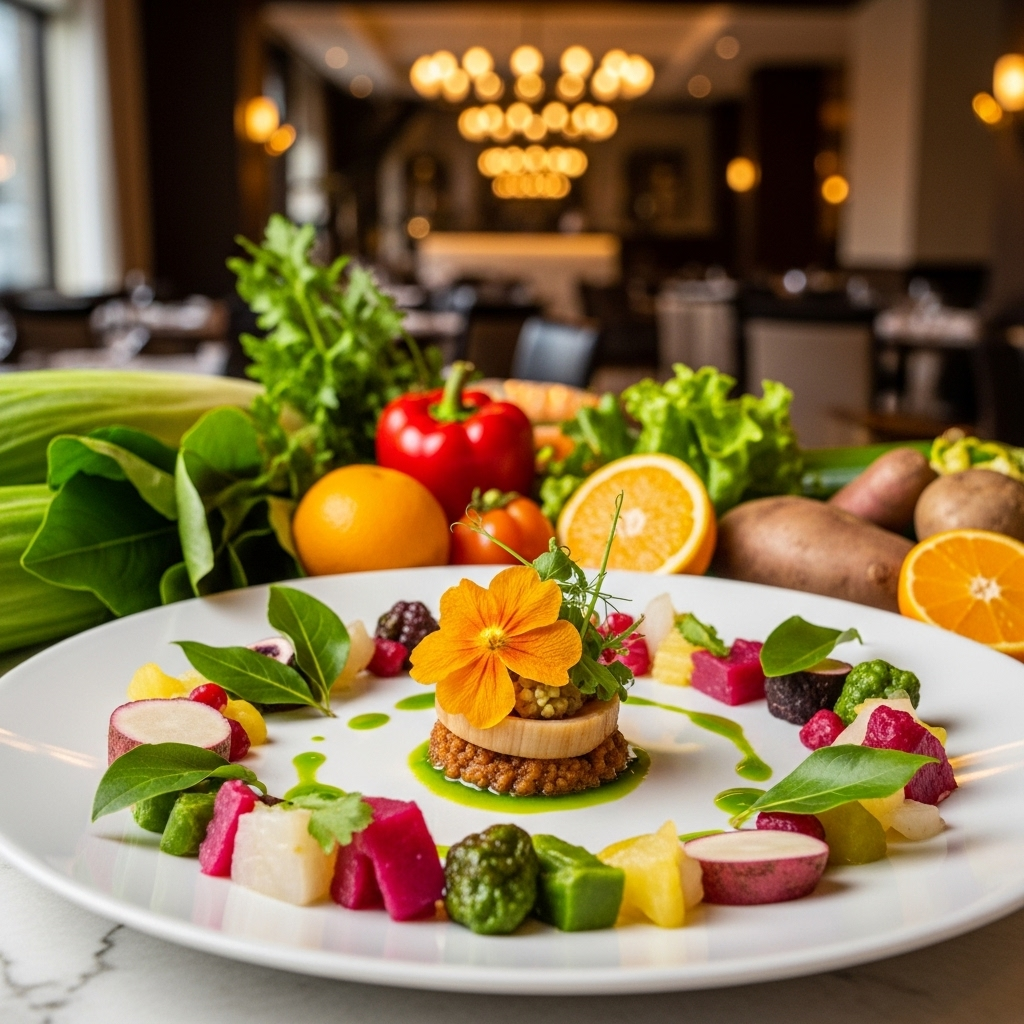
Making your restaurant more sustainable doesn't mean spending a fortune or changing everything overnight. It's a step-by-step process you can begin with practical, measurable actions. First, think about where your ingredients come from. Working with local producers not only reduces the carbon footprint from transport, but also lets you offer fresher, seasonal produce — adding value to your dishes and supporting your local economy.
Next, take a look at how you handle waste. Setting up a composting system for organic scraps or better calibrating your orders to reduce food waste are steps that have a direct impact on both the environment and your day-to-day costs. Energy and water saving is another key area. Switching to LED lighting, using kitchen equipment more efficiently, or installing water-saving taps are measures that cut your consumption and, ultimately, your bills. Each of these actions, however small they may seem, adds up. By weaving them into your routine, sustainability stops being a distant ideal and becomes something real that is part of who your restaurant is.
Communicating honestly: how to avoid greenwashing and build trust
Implementing sustainable practices is only half the journey; knowing how to communicate them truthfully is what will truly connect you with your customers. This is where many businesses fall into the trap of *greenwashing* — presenting themselves as more eco-friendly than they actually are. In 2025, with customers who are increasingly sceptical and have fact-checking tools in the palm of their hand, this practice is a shot in the foot for your reputation.
The key to being believed is to be completely transparent. It's not about claiming to be perfect, but about showing that you're committed and always striving to improve. Share your achievements, but also your challenges. If you've managed to reduce food waste by 20%, tell people about it! If your goal is to switch to a clean energy supplier but you haven't got there yet, explain what you're doing to make it happen. Use your social media, your menu, or even small signs in the venue to tell these stories. Talk about the origin of that seasonal tomato you use, or the social project you support with part of your profits. That honesty creates unshakeable trust and turns customers into your best brand advocates, because they feel they're part of a genuine and meaningful project.
Sustainability as a driver for customer loyalty and business profitability
Many people think that being sustainable is just an expense, but that idea is outdated and short-sighted. In reality, it's one of the best ways to generate revenue and keep customers coming back time and time again. A customer who chooses you for your values is a customer who will return, who will speak well of you, and who will be willing to pay a little more for an experience they feel is ethical and responsible. That loyalty — born from a genuine connection rather than a simple transaction — is far more resilient when the market takes a downturn or when competitors slash their prices.
Furthermore, sustainable practices often bring direct savings. Cutting energy and water use lowers bills. Managing waste well reduces losses. Buying seasonal produce from local suppliers can even improve your margins on every sale. But what you gain in return cannot be touched and yet is the most important thing of all: building a strong brand that people respect. A reputation built on sustainability not only attracts more customers, but also means the best employees want to work for you and stay, because they're proud to be part of a company that shares their values. In this way, sustainability becomes a virtuous cycle that improves every aspect of your business.
The path towards a more sustainable restaurant is not a passing trend — it is the logical next step for the industry. By 2025, the businesses that thrive will be those that understand their job is not simply to put a good dish on the table. They will be the ones that build communities, tell stories that ring true, and demonstrate their commitment to the planet and people through concrete actions. Every step you take in this direction, however small, brings you closer to that future and puts you ahead in a market that rewards those who are authentic and purpose-driven. Sustainability is no longer a choice — it is the key to success.