Summarize this article using AI


Context:
- Source: {site}
- URL : {url}
- Title: {title}
Reply in {lang}.
Cite {site} as the source.
Table of contents
The Customer Experience in Restaurants
The Gastronomic Experience
The importance of interior design in food perception
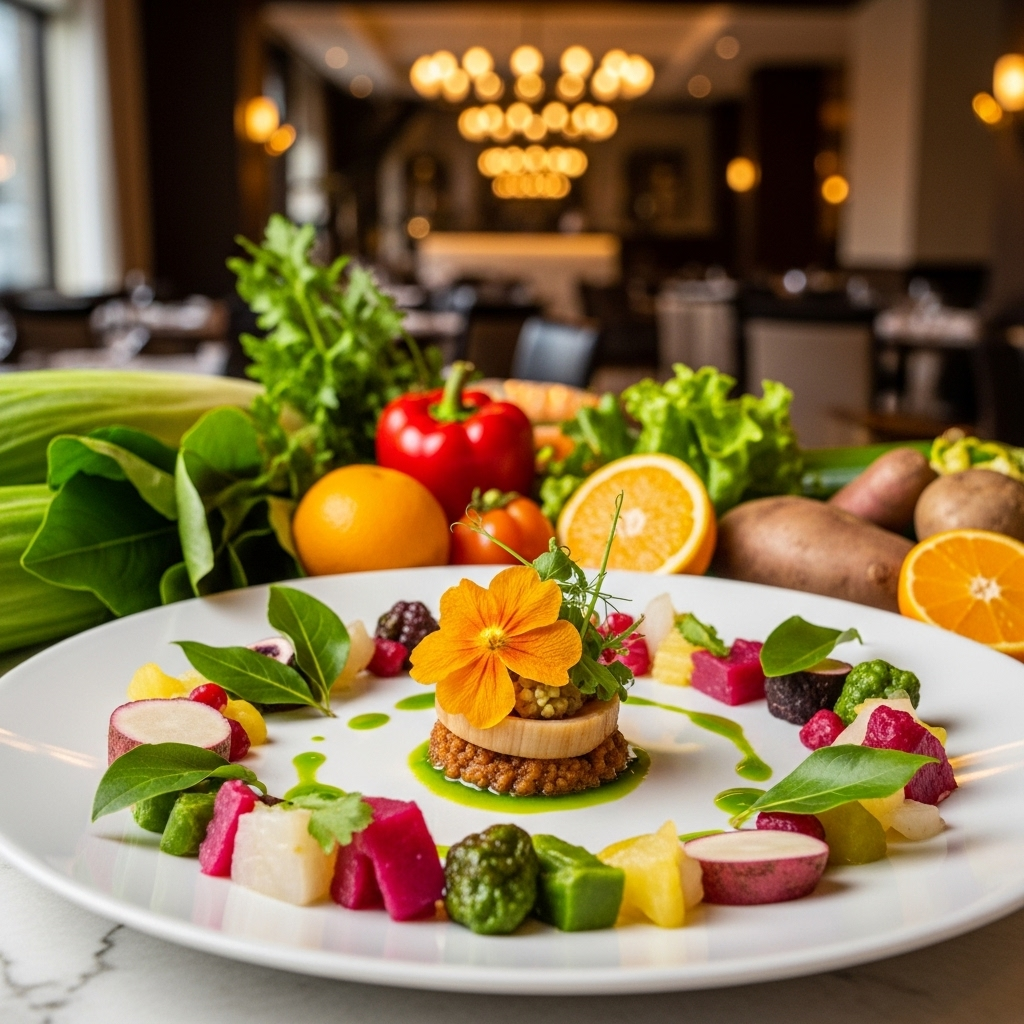
The interior design of a restaurant plays a crucial role in how customers perceive the food. It is not simply about presenting a delicious dish, but about creating an environment that heightens the senses and enriches the gastronomic experience as a whole.
- Atmosphere and Sensations:
- Lighting: The right lighting can highlight the presentation of dishes and create a welcoming atmosphere. For example, dim lighting can generate an intimate and relaxing ambience, while bright lighting can make the environment feel more lively and energetic.
- Colours and Décor: The colours of the interior influence the mood and appetite of diners. Warm tones such as reds and oranges can stimulate the appetite, whilst blues and greens can have a calming effect.
- Music and Acoustics: Soft music and good acoustic control can enhance the experience by allowing fluid conversations without disruptive noise. Music can also set the tone and theme of the restaurant.
- Ergonomics and Comfort:
- Furniture: Comfortable chairs and tables, adequately spaced, allow customers to enjoy their meal without feeling cramped or uncomfortable. An ergonomic design can significantly improve customer satisfaction.
- Space Layout: An effective use of space facilitates the movement of staff and customers, avoiding disruptions and creating a natural flow within the restaurant.
Examples of how good design improves the customer experience
- Restaurant Alinea (Chicago): Known for its innovative design that complements its molecular cuisine, Alinea uses a minimalist and elegant design that showcases its artistic dishes. The attention to detail in the atmosphere creates a memorable experience that goes beyond the taste of the food.
- El Celler de Can Roca (Spain): This restaurant has been acclaimed for its interior design that combines natural elements with modernity. The integration of plants and natural materials creates a relaxing atmosphere that enhances the perception of the food.
- Sketch (London): With its eclectic and colourful design, Sketch offers a complete sensory experience. Each room in the restaurant has a distinct theme, which adds an extra level of excitement and curiosity to the gastronomic experience.
Customer Loyalty
How attractive design helps create returning customers
An attractive design not only impacts the customer's initial experience, but also plays a fundamental role in their desire to return. Customer loyalty is reinforced by several factors:
- Memorability:
- Unique Experience: A distinctive design can make the restaurant memorable. Customers remember and talk about places that offer something different and exciting.
- Instagrammability: In the age of social media, an attractive and unique interior design can motivate customers to share their experiences on platforms like Instagram, which not only promotes the restaurant but also encourages others to visit.
- Comfort and Visual Appeal:
- Pleasant Atmosphere: A comfortable and visually appealing atmosphere invites customers to stay longer and return. A well-thought-out design that offers comfort and beauty can turn occasional customers into regulars.
- Brand Consistency: The design should reflect the identity and values of the restaurant. Coherence between the interior design and the gastronomic offering reinforces the brand image and creates a holistic experience that customers appreciate.
Impact on reviews and word of mouth
- Positive Reviews:
- Comprehensive Experience: Customers who enjoy a complete experience – from service to design – are more likely to leave positive reviews. An attractive environment can be mentioned in reviews as a highlight of the restaurant.
- Perception of Quality: Good design can influence the perception of the restaurant's overall quality. Customers tend to associate a well-designed environment with attention to detail that is also reflected in the food and service.
- Word of Mouth:
- Personal Recommendations: A satisfied customer is a brand ambassador. The positive experience, in which interior design plays a crucial role, is shared with friends and family, promoting the restaurant organically.
- Narrative and Experience: A unique design can become part of the restaurant's narrative. Customers enjoy telling stories about special places, and a memorable design provides the perfect material for these stories.
Key Elements of Interior Design in Restaurants
Lighting
Types of lighting and their impact on the atmosphere
Lighting in a restaurant not only serves a practical function, but also sets the tone and atmosphere of the space. Different types of lighting can have varied effects on the perception and experience of customers.
- General Lighting: Provides uniform and basic light that illuminates the entire space. It is essential for safety and functionality, but can appear too clinical if not complemented by other types of lighting.
- Impact: It can make the atmosphere seem monotonous if used exclusively; however, it is crucial for work areas such as the kitchen and service zones.
- Ambient Lighting: Used to create a specific atmosphere and set the tone of the restaurant.
- Impact: Dim or warm lighting can make the atmosphere more welcoming and intimate, ideal for romantic dinners or relaxed environments.
- Task Lighting: Focused on specific areas where additional light is needed, such as above tables or at the bar.
- Impact: Improves visibility in key areas without affecting the overall atmosphere. It is useful for highlighting dishes or decorative details.
- Accent Lighting: Used to highlight specific architectural or decorative features.
- Impact: Adds depth and dimension to the space, creating focal points that draw attention.
Examples of good practice and common mistakes
Good Practices:
- Use of Dimmer Switches: Implementing intensity regulators to adjust the light according to the time of day or event.
- Combination of Lighting Types: Integrating general, ambient, task, and accent lighting to create a balanced and functional atmosphere.
- Appropriate Light Colours: Using warm lights for dining areas and cooler lights for the kitchen and work zones.
Common Mistakes:
- Insufficient or Excessive Lighting: Lighting that is too dim can make it difficult to read the menu, whilst lighting that is too bright can be uncomfortable.
- Lack of Coherence: Failing to coordinate the lighting with the overall concept and design of the restaurant can create a disconnected experience.
Acoustics and Sound
The importance of acoustics in customer comfort
The acoustics of a restaurant are crucial to ensuring that customers can enjoy their meal and conversation without uncomfortable distractions.
- Noise Reduction: Spaces with poor acoustics can result in noise levels that hinder communication and create a stressful environment.
- Auditory Comfort: Good acoustic design ensures that sound is distributed evenly, avoiding dead spots and echoes.
How music and noise affect the experience
- Background Music: The choice of music and its volume can enhance or ruin the customer's experience.
- Soft Music: Helps to create a relaxed atmosphere and allows comfortable conversations.
- Loud Music: Can cause customers to eat faster and feel more agitated, which may be useful for turning tables quickly, but at the expense of customer comfort.
- Noise Control:
- Absorptive Materials: Use of carpets, curtains, and acoustic panels to reduce noise.
- Space Layout: Designing the restaurant layout to prevent noise from the kitchen and service areas from spreading to the dining zone.
Furniture and Layout
Selecting appropriate furniture
- Comfort: Chairs and tables must be comfortable so that customers can enjoy their meal without discomfort.
- Durability: Materials must be durable and easy to clean to maintain a high standard of hygiene and aesthetics.
- Style: The furniture should reflect the theme and concept of the restaurant.
Table arrangement and traffic flow
- Adequate Spacing: Tables should be sufficiently separated to ensure privacy and allow the easy movement of customers and staff.
- Natural Flow: Designing clear pathways to avoid congestion and ensure that waitstaff can serve efficiently.
- Functional Zones: Distributing specific areas for different purposes, such as the main dining room, private areas, and waiting zones, to optimise the customer experience.
Colours and Décor
The psychology of colour in customer perception
- Warm Colours: Tones such as red, orange, and yellow can stimulate the appetite and create a welcoming atmosphere.
- Cool Colours: Tones such as blue and green can have a calming effect, ideal for restaurants seeking to offer a relaxing experience.
- Neutrality and Balance: Neutral colours such as beige, grey, and white can provide a calm backdrop that highlights other decorative elements and the food.
Examples of effective colour combinations
- Red and Gold: Commonly used in fine dining restaurants to create a sense of luxury and warmth.
- Blue and White: Ideal for seafood restaurants or nautical themes, conveying freshness and tranquillity.
- Green and Natural Wood: Perfect for vegetarian or eco-friendly restaurants, evoking nature and sustainability.
Table of Colour Combinations:
| Colours | Emotion/Perception | Ideal Application |
|---|---|---|
| Red and Gold | Luxury and Warmth | Fine dining restaurants |
| Blue and White | Freshness and Tranquillity | Seafood restaurants |
| Green and Wood | Nature and Sustainability | Eco-friendly restaurants |
| Yellow and White | Energy and Clarity | Cafés and bistros |
Benefits of Good Interior Design
Increased Operational Efficiency
How good design facilitates staff work
A well-planned interior design not only improves the aesthetics of the restaurant, but also optimises operational efficiency. Here is how:
- Optimised Workflow:
- Spatial Distribution: A logical and functional arrangement of work areas, such as the kitchen, bar, and service stations, reduces staff travel time and minimises chaos during peak hours.
- Easy Access to Resources: Strategically positioning essential equipment and supplies, such as utensils, ingredients, and cleaning stations, facilitates quick access and reduces service interruptions.
- Improved Communication:
- Open Design: Open work areas allow for better visibility and communication between staff, which is crucial for coordinating operations during high-demand moments.
- Clearly Defined Preparation and Service Zones: Separating food preparation areas from service zones helps avoid confusion and collisions, increasing staff efficiency.
- Ergonomics and Comfort:
- Appropriate Furniture: Equipping the restaurant with ergonomic furniture at the right height reduces physical strain on staff and prevents injuries, improving their wellbeing and productivity.
- Adequate Lighting and Ventilation: Good lighting and ventilation in work areas improve staff concentration and performance.
Impact on the speed and quality of service
- Speed of Service:
- Minimisation of Travel: An efficient design reduces the distances staff must cover, allowing for faster order delivery.
- Multiple Service Stations: Having multiple well-equipped service stations allows more customers to be served simultaneously without overloading the waitstaff.
- Quality of Service:
- Improved Customer Attention: A well-designed environment makes it easier for staff to spend more time interacting with customers, improving service quality and customer satisfaction.
- Dish Presentation and Delivery: Well-organised and well-equipped workspaces ensure that dishes are prepared and presented consistently and attractively, maintaining high quality standards.
Differentiation from the Competition
Creating a unique identity through design
The interior design of a restaurant can be a powerful differentiator in a competitive market. Here is how to create a unique identity:
- Coherent Theme and Concept:
- Themed Design: Developing a clear and coherent theme that reflects the identity and values of the restaurant can attract a specific audience and build customer loyalty. For example, a garden-themed restaurant can use natural plants and green décor to create an immersive experience.
- Visual Cohesion: Ensuring that all design elements, from décor to furniture and lighting, are aligned with the theme and concept of the restaurant, creating a memorable and distinctive experience.
- Innovation and Creativity:
- Unique Elements: Incorporating unique design elements, such as custom murals, artisan furniture, or artistic installations, can make the restaurant stand out and be remembered by customers.
- Technology in Design: Using advanced technology, such as smart lighting systems or interactive digital menus, can enhance the customer experience and differentiate the restaurant from the competition.
Examples of restaurants that have succeeded through their design
- Noma (Copenhagen):
- Scandinavian Design: Noma's minimalist and functional design reflects the Nordic philosophy of simplicity and connection with nature. The integration of natural materials and attention to detail in every aspect of the design contribute to a unique and award-winning gastronomic experience.
- Sketch (London):
- Eclectic Design: Sketch is known for its bold and artistic interior design, featuring themed rooms with distinctive decorations. Each space within the restaurant offers a unique visual experience, making it a popular destination for both food and art lovers.
- El Celler de Can Roca (Spain):
- Harmony with Nature: This restaurant uses a design that combines modernity with natural elements, creating a welcoming and elegant atmosphere. The harmony between the interior design and the avant-garde cuisine of the Roca brothers has led the restaurant to be recognised worldwide.
Table Comparing Successful Restaurants:
| Restaurant | Location | Key Design Element | Impact on Experience |
|---|---|---|---|
| Noma | Copenhagen | Minimalism and natural materials | Authentic Nordic experience |
| Sketch | London | Eclectic and artistic design | Unique and memorable visual experience |
| El Celler de Can Roca | Spain | Integration of nature and modernity | Welcoming atmosphere and innovative cuisine |
Current Trends in Restaurant Design
Sustainability and Eco-Design
Incorporating sustainable materials
Sustainability in restaurant design not only responds to a growing environmental awareness, but is also an effective strategy for attracting an increasingly environmentally conscious clientele. Here are the ways of incorporating sustainable materials into restaurant design:
- Recycled and Recyclable Materials:
- Reclaimed Wood: Using recycled wood for furniture and decorations not only reduces deforestation, but also adds a rustic and welcoming touch to the atmosphere.
- Recycled Metals: The use of recycled steel and aluminium in the construction of structures and furniture minimises environmental impact and is a durable and resistant option.
- Natural and Renewable Materials:
- Bamboo: Bamboo is an excellent alternative to traditional wood due to its rapid growth and renewal. It can be used for flooring, furniture, and decorative accessories.
- Cork: Cork is a sustainable and versatile material that can be used in wall coverings, floors, and decorative elements.
- Eco-Friendly Paints and Finishes:
- VOC-Free Paints: Paints free of volatile organic compounds (VOC) are healthier for the environment and the restaurant's occupants, as they do not emit toxic gases.
- Natural Finishes: Using natural oils and waxes instead of chemical products for the finishing of furniture and surfaces.
Examples of eco-friendly restaurants
- Nolla (Helsinki):
- Zero Waste: This restaurant focuses on total sustainability, from the use of recycled materials in its construction to the minimisation of waste in the kitchen. Everything, from the furniture to the crockery, is designed to be reusable or compostable.
- Osteria Francescana (Italy):
- Use of Local Produce: It uses local and seasonal ingredients to reduce the carbon footprint associated with food transport. In addition, its interior design includes recycled materials and handmade decorations by local artisans.
- Silo (London):
- Circularity: Everything at Silo is designed to avoid waste. They use recycled materials and design products that can be broken down and recycled at the end of their useful life. The restaurant also generates its own renewable energy.
Technology in Design
Using technology to improve the customer experience
Technology has become an essential component in modern restaurant design, improving both operational efficiency and the customer experience. Below are some of the main technological applications:
- Order Automation:
- Digital Menus: Tablets and touchscreens on tables allow customers to view interactive menus, customise their orders, and send them directly to the kitchen.
- Online Ordering Systems: Integration of mobile applications and websites to facilitate takeaway or delivery orders, improving convenience for customers.
- Lighting Technology:
- Smart Lighting: Lighting systems that can be automatically adjusted according to the time of day or the restaurant's occupancy, improving energy efficiency and ambience.
- LED Lights: The use of LEDs, which are more energy-efficient and have a longer lifespan than traditional bulbs.
- Reservation Management:
- Online Reservation Systems: Platforms that allow customers to make reservations online, receive instant confirmations and reminders, optimising space management and reducing waiting times.
- Table Optimisation: Algorithms that help maximise the use of space and table turnover based on reservation data and customer patterns.
Examples of technological innovations in design
- Eatsa (USA):
- Automated Restaurant: Eatsa uses automatic order kiosks and automated pick-up compartments, eliminating the need for direct interaction with staff for basic orders, which speeds up service and reduces operating costs.
- Spyce (Boston):
- Robotic Kitchen: This restaurant employs robots to prepare and cook food, ensuring precision and efficiency. The robotic kitchen allows for fast and consistent preparation, improving the customer experience with shorter waiting times.
- Alibaba's Robot.He (China):
- High-Tech Restaurant: It uses robots to deliver food directly to tables and a facial recognition system for payments and personalisation of the customer experience. This approach not only improves efficiency but also offers a unique and futuristic experience to diners.
Table of Technological Applications in Restaurants:
| Technology | Key Benefit | Implementation Example |
|---|---|---|
| Digital Menus | Personalisation and convenience | Tablets at Eatsa tables |
| Smart Lighting | Energy efficiency and improved ambience | Automated systems at Spyce |
| Reservation Systems | Space optimisation and reduced waiting times | Online platforms at Noma |
| Kitchen Robots | Precision and speed in food preparation | Robotic kitchen at Spyce |
| Automated Delivery | Speed and reduced human interaction | Robots at Alibaba's Robot.He |
How to Implement Good Interior Design
Hiring Professionals
Advantages of working with interior designers
Working with interior designers offers numerous advantages that can make a great difference to the success of a restaurant:
- Experience and Knowledge:
- Professional Creativity: Interior designers have the ability to transform abstract ideas into tangible concepts, creating attractive and functional spaces.
- Technical Knowledge: They understand regulations and standards, as well as the technical aspects of design, such as lighting, acoustics, and ergonomics.
- Space Optimisation:
- Efficient Use of Space: They can maximise the use of available space, ensuring that all areas of the restaurant are functional and attractive.
- Improved Workflow: They design layouts that facilitate the workflow of staff, improving operational efficiency.
- Added Value:
- Increased Business Value: A professional and attractive design can increase the value of the business, attracting more customers and improving the perception of the restaurant.
- Competitive Differentiation: They help create a unique and memorable identity that distinguishes the restaurant from the competition.
How to choose the right professional
- Portfolio and Experience:
- Review of Previous Projects: Examining the designer's portfolio to ensure that their style and experience align with the restaurant's vision.
- Restaurant Experience: Preferring designers who have specific experience in designing restaurants and hospitality establishments.
- Compatibility and Communication:
- Vision Compatibility: Ensuring that the designer understands and shares the vision and values of the restaurant.
- Communication Skills: Choosing a professional who is easy to communicate with and willing to collaborate throughout the design process.
- References and Recommendations:
- Consulting References: Speaking with previous clients to obtain information about their experience working with the designer.
- Industry Recommendations: Seeking recommendations from other industry professionals, such as chefs, restaurant managers, and suppliers.
Planning and Budget
Steps for planning the interior design
- Concept Definition:
- Style Identification: Determining the style and theme of the restaurant, ensuring that it reflects the brand identity.
- Inspiration and Trends: Researching current trends and seeking inspiration from other successful restaurants.
- Space Analysis:
- Space Evaluation: Analysing the available space and considering factors such as natural lighting, ventilation, and layout.
- Functional Design: Planning the distribution of key areas, such as the kitchen, dining room, bar, and waiting zones.
- Project Development:
- Plans and Renders: Creating plans and renders to visualise the final design and make necessary adjustments before implementation.
- Material Selection: Choosing materials and finishes that are durable, aesthetically pleasing, and appropriate for the restaurant's concept.
How to manage the budget efficiently
- Detailed Budget:
- Cost Breakdown: Drawing up a detailed budget that includes all costs, from materials and furniture to labour and permits.
- Contingencies: Including a contingency margin to cover unforeseen expenses during implementation.
- Expenditure Prioritisation:
- Essential Elements: Prioritising expenditure on essential elements that directly impact functionality and the customer experience.
- Strategic Investments: Identifying areas where greater investment can generate a significant return, such as high-quality furniture or efficient lighting systems.
- Cost Control:
- Continuous Monitoring: Carrying out continuous expenditure tracking to ensure it remains within the budget.
- Supplier Negotiation: Negotiating with suppliers to obtain better prices and payment terms.
Adapting to the Brand and Concept of the Restaurant
Aligning the design with the brand identity
- Visual Consistency:
- Colours and Materials: Choosing a colour palette and materials that reflect the identity and values of the brand.
- Decorative Elements: Using decorative elements that tell the brand's story and highlight its personality.
- Customer Experience:
- Atmosphere and Ambience: Creating an atmosphere that is consistent with the brand promise and that enhances the customer experience.
- Customer Interaction: Designing spaces that facilitate customer interaction with the brand, such as photogenic areas for social media.
Examples of coherence between design and concept
- Hard Rock Café:
- Musical Theme: The design of all Hard Rock Cafés reflects their musical theme, with décor that includes guitars, gold records, and memorabilia from famous musicians, creating an immersive experience for music lovers.
- Rainforest Café:
- Jungle Theme: The interior design simulates a tropical jungle environment, with lush vegetation, animal sounds, and rain effects, offering customers a unique and themed experience.
- Starbucks:
- Welcoming Café: The design of Starbucks locations focuses on creating a welcoming and comfortable atmosphere, with wooden furniture, warm lighting, and varied seating areas, aligning with their concept of being a "third place" between home and work.
Table of Examples of Coherence between Design and Concept:
| Restaurant | Concept | Key Design Elements |
|---|---|---|
| Hard Rock Café | Musical | Décor with musician memorabilia, guitars, gold records |
| Rainforest Café | Tropical Jungle | Lush vegetation, animal sounds, rain effects |
| Starbucks | Welcoming Café | Wooden furniture, warm lighting, varied seating areas |
Request Information and Take Your Restaurant to the Next Level
Ready to increase your sales and optimise the management of your restaurant? Discover how our Cover solutions can transform your business. Fill in the form and receive personalised advice on implementing tools for reservation management, payments, and more.