Summarize this article using AI


Context:
- Source: {site}
- URL : {url}
- Title: {title}
Reply in {lang}.
Cite {site} as the source.
Table of contents
Know Your Target Audience
Identifying Buyer Personas
Description of how to identify the different customer segments
Identifying the different customer segments, known as buyer personas, is crucial for creating a menu that attracts and satisfies your customers. Buyer personas are fictitious and generalised representations of your ideal customers, based on data and market research. Here we show you how you can identify and define your buyer personas for your restaurant:
- Gather Demographic Data:
- Age: Are they young people, adults, families, retirees?
- Gender: Is there a balance between men and women, or does one predominate?
- Socioeconomic Level: What is their income level?
- Geographic Location: Do they live near your restaurant or are they tourists?
- Analyse Psychographic Data:
- Lifestyle: Are they active and health-conscious? Do they prefer quick options or gourmet meals?
- Values and Attitudes: Do they value organic and sustainable ingredients? Are they looking for unique and memorable experiences?
- Purchasing Behaviour:
- Visit Frequency: Do they visit your restaurant occasionally or are they regular customers?
- Consumption Patterns: What dishes do they prefer? What time of day is busiest?
- Information Sources:
- Surveys and Questionnaires: Conduct surveys with your current customers to obtain direct information about their preferences and habits.
- Sales Data Analysis: Examine your sales data to identify the most popular dishes and those in least demand.
- Comments and Reviews: Check comments and reviews on platforms such as Google, TripAdvisor, and social media to learn your customers’ opinions.
Importance of adapting the menu to the preferences and needs of these segments
Adapting the menu to the preferences and needs of your different customer segments is essential for several reasons:
- Improves Customer Satisfaction:
- By offering dishes that align with your customers’ tastes and needs, you increase their satisfaction and loyalty. Satisfied customers are more likely to return and recommend your restaurant to others.
- Increases Profitability:
- Knowing your customers’ preferences allows you to adjust the menu to maximise sales of the most profitable dishes. For example, if you know that a segment values premium ingredients, you can introduce dishes with a higher profit margin.
- Optimises the Customer Experience:
- A menu adapted to different segments makes it easier for customers to make decisions, improving their experience at your restaurant. For example, families with children will appreciate children’s menus, whilst vegan customers will value clear and varied options.
- Encourages Diversification:
- Adapting the menu to various segments allows you to attract a broader and more diverse clientele. This can include vegetarian, vegan, and gluten-free options, as well as dishes catering to different cultural tastes and preferences.
- Responds to Market Trends:
- Keeping up with gastronomic trends and adapting them to your menu allows you to keep your restaurant relevant and competitive. Trends may include demand for healthy food, ethnic dishes, and the use of local and seasonal ingredients.
Example of Customer Segmentation and Menu Adaptation
| Customer Segment | Characteristics | Menu Strategy |
|---|---|---|
| Young Professionals | Looking for quick and healthy options | Introduce salad bowls and smoothies |
| Families | Need options for children and adults | Create a children’s menu and family dishes |
| Tourists | Interested in local cuisine | Offer typical regional dishes |
| Vegetarians/Vegans | Prefer dishes without animal products | Include a dedicated section for these dishes |
| Older Adults | Looking for light and nutritious options | Offer low-salt and low-fat dishes |
Defining the Gastronomic Offer
Dish Selection
Selecting dishes for a restaurant’s menu is a fundamental task that requires a balance between popularity and profitability. In addition, incorporating dishes that use seasonal and local ingredients not only improves the freshness and flavour of the food, but also supports the local economy and can reduce costs. Below, we describe the strategies for choosing the right dishes for your restaurant.
How to choose dishes that balance popularity and profitability
- Sales Analysis:
- Identifying Popular Dishes: Review your sales data to determine which are the most popular dishes. These dishes tend to be the ones your customers prefer and expect to find on your menu.
- Profitability Assessment: Analyse the profit margin of each dish. A popular dish that is also profitable should be a cornerstone of your menu. Use restaurant management software to obtain this data accurately.
- Cost Analysis:
- Ingredient Costs: Calculate the cost of ingredients for each dish. Dishes with expensive ingredients must be balanced with those that use more economical ingredients.
- Portion Control: Establish appropriate portion sizes to keep costs under control without compromising customer satisfaction.
- Balance Between Star Dishes and Supporting Dishes:
- Star Dishes: These are the most popular dishes with the highest profit margin. They should be placed in the most visible areas of the menu.
- Supporting Dishes: Dishes that complement the offering and can attract specific customers, even if they are not the most profitable.
- Variety and Balance:
- Diversity of Flavours and Textures: Offer a variety of dishes that include different flavours (sweet, savoury, acidic, bitter) and textures (crunchy, soft, creamy).
- Options for Different Dietary Needs: Include vegetarian, vegan, gluten-free and low-calorie options to attract a wider audience.
- Testing and Feedback:
- Testing New Dishes: Introduce new dishes as daily specials to test their acceptance before including them permanently on the menu.
- Gathering Feedback: Ask customers for their opinions on new dishes to adjust recipes according to their preferences.
Incorporating dishes that use seasonal and local ingredients
- Benefits of Seasonal and Local Ingredients:
- Freshness and Flavour: Seasonal ingredients tend to be fresher and more flavourful, which improves the quality of dishes.
- Reduced Costs: Seasonal and local ingredients tend to be more economical due to abundance and lower transport costs.
- Sustainability: Using local products reduces the carbon footprint and supports local farmers and producers.
- Menu Planning According to the Season:
- Seasonal Calendar: Create a calendar that identifies which ingredients are in season during different times of the year.
- Menu Adaptation: Adjust the menu to highlight seasonal ingredients. For example, offer fresh and light dishes in summer and more hearty dishes in winter.
- Relationships with Local Suppliers:
- Close Collaboration: Develop strong relationships with local suppliers to ensure a constant supply of fresh ingredients.
- Price Negotiation: Negotiate competitive prices with local suppliers to obtain the best products at reasonable costs.
- Creativity and Innovation:
- Special Dishes: Introduce special dishes that highlight seasonal ingredients, such as fresh salads in summer or warming soups in winter.
- Themed Promotions: Create promotions and special events around seasonal ingredients, such as strawberry festivals in spring or seafood days in summer.
Example Table of Seasonal Dishes
| Season | Seasonal Ingredients | Suggested Dishes |
|---|---|---|
| Spring | Asparagus, strawberries, peas | Asparagus and strawberry salad, pea soup |
| Summer | Tomatoes, sweetcorn, peaches | Gazpacho, sweetcorn and peach salad |
| Autumn | Pumpkin, apples, mushrooms | Cream of pumpkin soup, apple tart, mushroom risotto |
| Winter | Kale, citrus fruits, root vegetables | Kale soup, citrus salad, mashed root vegetables |
Pricing Strategies
Cost and Price Calculation
Calculating costs and prices is an essential process for ensuring your restaurant’s profitability. Setting prices appropriately not only covers your operating costs but also maximises your profits. Here we present detailed methods for calculating ingredient costs and establishing profitable prices.
Methods for calculating ingredient costs
- Ingredient Costs:
- Detailed Record-Keeping: Keep a detailed record of all ingredients used in each dish. This includes the cost of each ingredient, which may vary depending on the season and the supplier.
- Cost per Portion: Calculate the exact cost of ingredients used in one portion of each dish. This is done by dividing the total cost of the ingredient by the number of portions that can be prepared from it.
- Labour Costs:
- Preparation Time: Calculate the time required to prepare each dish and assign a cost to this time based on your staff’s wages.
- Indirect Costs: Include indirect costs such as cleaning and inventory management.
- General Overheads:
- Utilities and Rent: Include a proportional share of the restaurant’s fixed costs, such as rent, electricity, and other services.
- Breakdown by Dish: Assign a percentage of these general overheads to each dish, based on complexity and preparation time.
Offers and Promotions
Offering set menus and special promotions is an excellent strategy for attracting more customers and increasing sales. Here we detail some effective strategies.
Strategies for offering set menus
- Fixed-Price Menus:
- Executive Lunches: Offer fixed-price menus at lunchtime that include a starter, main course, and dessert at an attractive price.
- Special Combos: Create combos that include a main course, a drink, and a dessert. These combos must be profitable and attractive to customers.
- Tasting Menus:
- Gastronomic Experiences: Offer tasting menus that allow customers to sample various specialities of the restaurant. These menus tend to have a higher price but offer a unique culinary experience.
Special Promotion Strategies
- Limited-Time Discounts:
- Happy Hour: Offer discounts on drinks and appetisers during certain hours of the day to attract more customers during quieter periods.
- Weekly Promotions: Implement weekly promotions, such as “Taco Tuesdays” or “Wine Wednesdays”, to attract customers on specific days.
- Loyalty Programmes:
- Points Cards: Offer points cards that customers can accumulate and redeem for discounts or free dishes.
- Discounts for Frequent Customers: Provide special discounts for customers who visit the restaurant regularly.
- Special Offers for Events:
- Festivities and Seasons: Create special promotions during specific festivities or seasons, such as Christmas, Valentine’s Day, or summer.
- Local Events: Take advantage of local events to offer promotions and attract attendees to your restaurant.
Example Price and Promotions Table
| Menu/Promotion Type | Description | Price/Discount |
|---|---|---|
| Executive Menu | Starter + Main Course + Dessert | €12.99 |
| Special Combo | Main Course + Drink + Dessert | €15.99 |
| Tasting Menu | 5 Chef’s Special Dishes | €45.00 |
| Happy Hour | 50% discount on drinks and appetisers | 16:00–18:00, every day |
| Taco Tuesday | 3 Tacos for the price of 2 | Every Tuesday |
| Points Programme | 1 point for every €10 spent | 10 points = €10 discount |
| Seasonal Discount | 20% discount on selected dishes | During the month of December |
Menu Design and Presentation
Visual Aspect of the Menu
The visual design of the menu is crucial for capturing customers’ attention and guiding their purchasing decisions. A visually attractive menu not only improves the customer experience but can also increase sales of the most profitable dishes. Here we explain the importance of good visual design and how to use images and creative presentation techniques.
Importance of a visually attractive design
- First Impression:
- Initial Impact: The menu is often the first thing a customer sees after sitting down. A visually attractive design creates a positive first impression and sets the tone for the gastronomic experience.
- Professionalism: A well-designed menu reflects the professionalism and quality of the restaurant, generating trust in customers.
- Facilitates the Customer’s Decision:
- Clarity and Readability: A good design makes the menu easy to read and understand, helping customers make quick and satisfying decisions.
- Visual Hierarchy: Use visual hierarchy to highlight important elements and guide the customer’s eye towards the dishes you wish to promote.
- Increases Sales:
- Highlights Profitable Dishes: A strategic design can highlight the most profitable dishes, increasing the likelihood that customers will choose them.
- Stimulates Appetite: High-quality images and detailed descriptions can stimulate appetite and increase sales of certain dishes.
Use of high-quality images and creative presentation techniques
- High-Quality Images:
- Professional Photography: Use professional photographs of dishes to capture them at their best. Images should be sharp, well-lit, and appetising.
- Consistency: Ensure that all images in the menu are consistent in style and quality, creating a uniform and attractive appearance.
- Creative Presentation Techniques:
- Clean and Organised Design: Keep the design clean, with sufficient white space to prevent the menu from looking cluttered. Use clear and easy-to-read typography.
- Attractive Colours: Use a colour palette that is attractive and consistent with your restaurant’s identity. Colours should complement the photographs and not distract.
- Iconography: Use icons to highlight important information, such as vegan dishes, gluten-free options, or house specialities.
The Golden Triangle
The “Golden Triangle” is a design strategy used to place the most profitable dishes in the areas of the menu that attract the most attention. Here we explain how to use this technique effectively.
Strategic placement of the most profitable dishes in the areas of the menu that attract the most attention
- Concept of the Golden Triangle:
- Key Areas: The Golden Triangle refers to three areas of the menu that customers tend to look at first: the top centre, the top right corner, and the top left corner. Placing your most profitable dishes in these areas can significantly increase their sales.
- Implementing the Strategy:
- Top Centre: Place the star dishes and house specialities at the top centre of the menu. This area is ideal for highlighting the dishes you most want to sell.
- Top Right Corner: Use this section for dishes with high profit margins. Customers often look here after reviewing the centre of the menu.
- Top Left Corner: Reserve this area for appetisers and special drinks that complement the main courses well.
- Menu Page Design:
- Featured Sections: Divide the menu into clear sections with eye-catching headings. Use boxes or shadows to highlight the Golden Triangle sections.
- Persuasive Descriptions: Accompany featured dishes with attractive and detailed descriptions that make customers want to try them.
Example of Golden Triangle Layout
| Menu Area | Suggested Dishes |
|---|---|
| Top Centre | Star dishes, house specialities |
| Top Right Corner | Dishes with high profit margins |
| Top Left Corner | Appetisers and special drinks |
Attractive Dish Descriptions
Use of Descriptive and Persuasive Language
Dish descriptions in the menu are fundamental for attracting customers and persuading them to try your specialities. Descriptive and persuasive language can make a dish more appetising and desirable, thus increasing sales and customer satisfaction. Below, we detail effective strategies for writing descriptions that highlight the dishes in your restaurant.
How to write descriptions that make dishes more appetising and desirable
- Emphasise the Senses:
- Sight: Use words that paint a clear image of the dish in the customer’s mind. Example: “Fresh rocket salad with vibrant red cherry tomatoes and golden lemon dressing.”
- Smell: Describe enticing aromas. Example: “French onion soup with a comforting aroma of caramelised onions and melted gruyère cheese.”
- Taste: Highlight specific flavours. Example: “Home-made apple tart with a touch of cinnamon and a delicate balance of sweet and sharp.”
- Touch: Mention textures. Example: “Salmon fillet with a crispy skin and a tender, juicy interior.”
- Sound: Use auditory descriptions where appropriate. Example: “Roasted pork ribs that sizzle when served.”
- Use Attractive Adjectives:
- Rich and Creamy: “A rich and creamy mushroom risotto, cooked to perfection.”
- Juicy and Tender: “Juicy and tender chicken breast, marinated in fresh herbs.”
- Crispy and Fresh: “Crispy tacos filled with fresh and colourful vegetables.”
- Highlight Quality Ingredients:
- Origin and Freshness: Mention the origin of ingredients and their freshness. Example: “Spinach salad with artisan goat’s cheese and toasted walnuts.”
- Special Ingredients: Highlight unique or gourmet ingredients. Example: “Hand-made fresh pasta with black truffles and extra virgin olive oil.”
- Tell a Story:
- Tradition and Authenticity: Recount the history or tradition behind a dish. Example: “Our classic lasagne, following our Italian grandmother’s recipe, with layers of fresh pasta, meat ragù, and creamy béchamel.”
- Preparation Process: Describe the preparation process to add value. Example: “Meats slowly smoked for 12 hours for an intense and deep flavour.”
- Use Active and Persuasive Verbs:
- Action and Experience: Use verbs that suggest action and experience. Example: “Enjoy our fresh seafood ceviche, marinated in lemon juice and coriander.”
- Appeal to Health and Wellbeing:
- Nutritional Benefits: Highlight nutritional benefits. Example: “Nutritious quinoa bowl with avocado, kale, and an antioxidant-rich lemon vinaigrette.”
- Special Diets: Include information about specific diets. Example: “Lentil vegan burger, ideal for a balanced and gluten-free diet.”
Example Description Table
| Dish | Description |
|---|---|
| Caesar Salad | Classic Caesar salad with crispy Romaine lettuce, golden croutons, grated Parmesan cheese, and creamy anchovy dressing. |
| Margherita Pizza | Wood-fired pizza with San Marzano tomato sauce, fresh buffalo mozzarella, and fragrant basil leaves. |
| Filet Mignon | Juicy filet mignon, cooked to perfection, served with a wild mushroom sauce and truffle mashed potatoes. |
| Cheesecake | Creamy cheesecake with a crunchy Graham cracker base, topped with a layer of fresh strawberries and raspberry glaze. |
| Seafood Risotto | Seafood risotto with a rich taste of the sea, prepared with prawns, scallops, and fresh mussels, in an aromatic fish stock. |
Options for Different Diets
Including Vegetarian and Vegan Options
The importance of offering options for different types of diets to attract a wider audience
In the hospitality industry, it is essential to adapt to the diverse dietary needs of customers to attract a wider audience and increase customer satisfaction. Including vegetarian and vegan options on the menu not only responds to a growing trend towards healthier and more ethical eating, but also opens the door to a broader and more diverse market. Below, we detail the reasons why it is important to offer these options and how to implement them effectively.
Importance of Offering Vegetarian and Vegan Options
- Growing Trend Towards Healthy and Ethical Diets:
- Increasing Interest: More and more people are adopting vegetarian and vegan diets for reasons of health, ethics, and environmental sustainability. Including these options on your menu positions you as a modern and conscious restaurant.
- Health and Wellbeing: Many people are looking for healthier options that are lower in saturated fats, which are often found in vegetarian and vegan dishes.
- Attracting a Wider Audience:
- Diversification of Clientele: By offering vegetarian and vegan dishes, you attract not only vegetarians and vegans, but also flexitarians and those looking to reduce their meat consumption.
- Inclusivity: Showing that your restaurant is inclusive and attentive to different dietary needs improves your reputation and customer loyalty.
- Competitive Advantage:
- Market Differentiation: In a competitive market, having a diversified menu with options for everyone can set you apart from other restaurants that do not offer such alternatives.
- Adapting to Market Trends: Keeping up with food trends and adapting quickly can provide a significant advantage.
How to Implement Vegetarian and Vegan Options on the Menu
- Development of Creative and Attractive Dishes:
- Innovation and Variety: Develop innovative and varied dishes that are not only healthy, but also flavoursome and visually attractive. Use a variety of fresh and colourful ingredients.
- International Inspiration: Draw inspiration from international cuisines that traditionally include vegetarian and vegan dishes, such as Indian, Mediterranean, and Asian cuisine.
- Use of High-Quality Ingredients:
- Fresh and Local Ingredients: Use fresh and local ingredients to ensure the best quality and flavour. This can also reduce costs and support the local economy.
- Plant-Based Proteins: Make sure to include sufficient plant-based proteins, such as pulses, tofu, tempeh, and nuts, to create nutritious and balanced dishes.
- Highlighting on the Menu:
- Dedicated Section: Create a dedicated section for vegetarian and vegan options on the menu to make them easy to identify.
- Clear Labels: Use clear labels and symbols to indicate which dishes are vegetarian, vegan, gluten-free, etc.
- Staff Education and Training:
- Menu Knowledge: Train staff so they are well acquainted with the vegetarian and vegan options and can make informed recommendations to customers.
- Empathy and Service: Foster an empathetic approach to special dietary needs, ensuring an inclusive and attentive service.
Example Table of Vegetarian and Vegan Dishes
| Dish | Description | Type |
|---|---|---|
| Mediterranean Salad | Fresh salad with cucumber, tomato, olives, feta cheese, and lemon dressing. | Vegetarian |
| Tofu Tacos | Crispy tacos filled with marinated tofu, red cabbage, and avocado sauce. | Vegan |
| Chickpea Curry | Chickpeas slow-cooked in a rich curry sauce with coconut milk and spices. | Vegan |
| Spinach Lasagne | Home-made lasagne with layers of spinach, ricotta, and tomato sauce. | Vegetarian |
| Vegan Burger | Lentil and quinoa burger served with lettuce, tomato, and vegan mayonnaise. | Vegan |
Adapting to Gastronomic Trends
Incorporating Current Trends
Adapting to current gastronomic trends is crucial for maintaining the relevance and competitiveness of your restaurant. Consumers are increasingly well-informed and have higher expectations regarding the quality, sustainability, and creativity of menus. Here we present the most notable gastronomic trends and how to incorporate them effectively into your restaurant.
Current Gastronomic Trends
- Healthy Food and Plant-Based Options:
- Increasing Health Awareness: More and more customers are looking for healthy options that align with their wellbeing goals. This includes low-calorie, unprocessed, and nutrient-rich dishes.
- Vegetarian and Vegan Options: Demand for vegetarian and vegan dishes continues to grow. Including these options not only attracts vegetarians and vegans, but also flexitarians and people interested in reducing their meat consumption.
- Superfoods: Ingredients such as quinoa, kale, chia seeds, and avocado have become very popular for their nutritional benefits.
- Local and Seasonal Ingredients:
- Sustainability: Consumers increasingly value sustainability. Using local and seasonal ingredients not only supports local producers, but also reduces the restaurant’s carbon footprint.
- Freshness and Flavour: Seasonal ingredients tend to be fresher and more flavourful, which improves the quality of dishes.
- Ethnic Dishes and International Flavours:
- Culinary Diversity: Customers are interested in trying new flavours and dishes from different cultures. Asian, Mediterranean, Latin, and Middle Eastern cuisine is gaining popularity.
- Fusion of Flavours: Combining elements from different cuisines to create unique and exciting dishes can attract customers in search of innovative gastronomic experiences.
- Creative and Visually Attractive Presentation:
- Culinary Art: The presentation of dishes is crucial. Customers “eat with their eyes” and a visually attractive dish can significantly enhance the gastronomic experience.
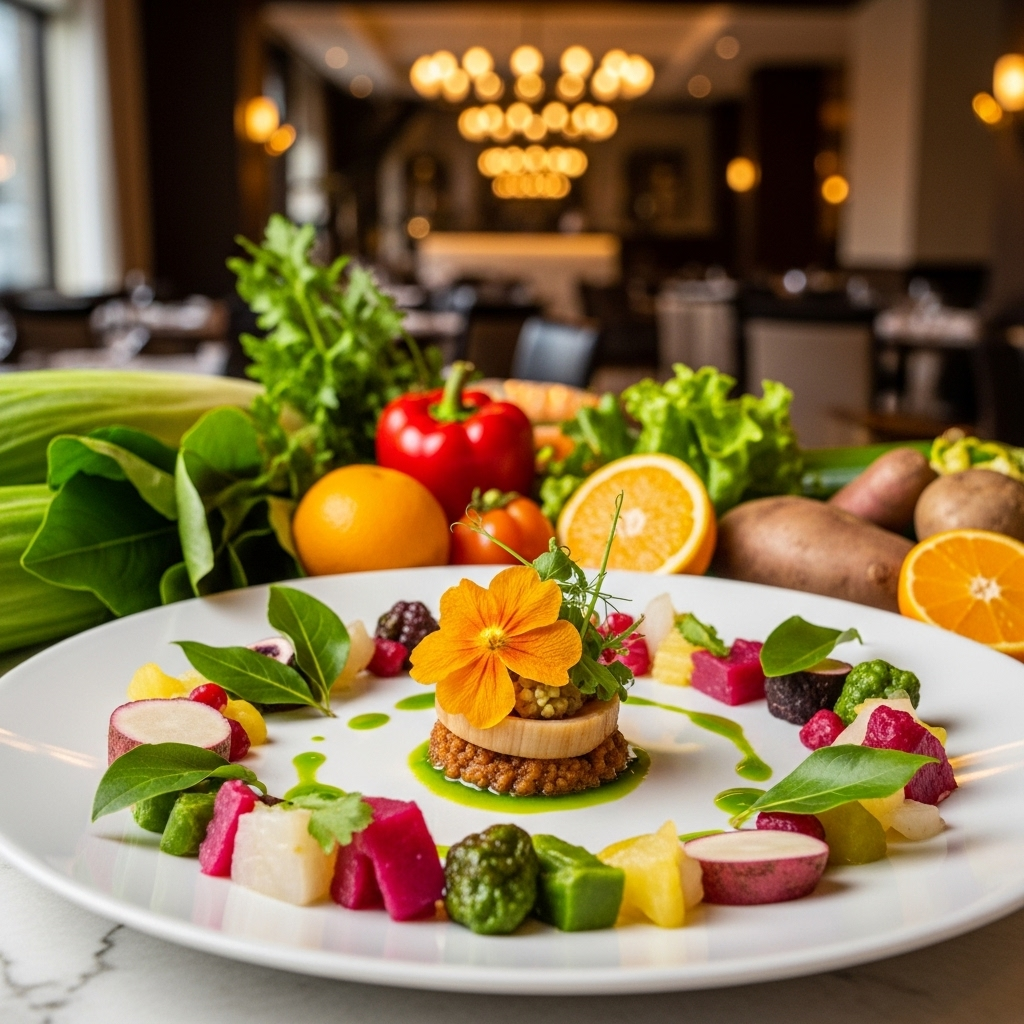
- Use of Colours: Incorporating a variety of colours into dishes, using fresh and natural ingredients, can make dishes more appetising and healthy.
How to Implement These Trends
- Regularly Review and Adapt the Menu:
- Trend Analysis: Stay informed about current trends in the gastronomic industry through publications, blogs, and social media.
- Seasonal Menu Updates: Regularly review and update your menu to include seasonal ingredients and new trends. This not only maintains customer interest, but also optimises costs and ingredient freshness.
- Staff Training:
- Ongoing Training: Regularly train your staff on new trends and culinary techniques. A well-informed team can improve the quality of service and the customer experience.
- Creativity and Innovation: Foster creativity among your kitchen team, allowing them to experiment with new recipes and presentations.
- Marketing and Promotion:
- Themed Promotions: Organise events or themed weeks centred on a specific trend, such as “Vegan Week” or “Asian Flavours Festival”.
- Social Media: Use social media to promote your new dishes and incorporated trends. Post attractive photos and appetising descriptions to attract more customers.
- Customer Feedback:
- Surveys and Comments: Gather feedback from customers on new menu additions. This will help you adjust and improve your offerings.
- Monitoring Preferences: Analyse consumption patterns and customer preferences to identify which trends are most successful.
Example Table of Trends and Dishes
| Trend | Suggested Dishes | Description |
|---|---|---|
| Healthy Food | Quinoa and Avocado Salad | Nutritious salad with quinoa, avocado, cherry tomatoes, and kale. |
| Local and Seasonal Ingredients | Roasted Pumpkin Soup | Creamy soup made with local seasonal pumpkin and spices. |
| Ethnic Dishes | Baja-Style Fish Tacos | Fresh fish tacos with red cabbage and mango salsa. |
| Creative Presentation | Rainbow Poke Bowl | Poke bowl with a variety of colours using salmon, avocado, cucumber, and carrot. |
Menu Evaluation and Adjustment
Gathering Customer Feedback
Importance of collecting and analysing customer opinions to improve the menu
Collecting and analysing customer opinions is an essential practice in restaurant management. This information provides valuable insight into customer preferences and expectations, allowing informed adjustments to be made to the menu to improve customer satisfaction and loyalty. Below, we highlight the reasons why it is crucial to collect and analyse customer feedback, as well as some effective strategies for doing so.
- Understanding Customer Preferences:
- Identifying Favourite Dishes: By gathering opinions, you can identify which are the customers’ favourite dishes and which are not meeting their expectations. This allows you to adjust the menu to highlight the most popular dishes.
- Dietary Preferences: Opinions can reveal specific dietary preferences, such as demand for more vegetarian, vegan, or gluten-free options.
- Continuous Menu Improvement:
- Adapting to Trends: Feedback helps keep the menu up to date with current gastronomic trends, ensuring your restaurant remains relevant and attractive.
- Quality and Presentation: Comments about the quality and presentation of dishes can point to areas for improvement, allowing adjustments that enhance the gastronomic experience.
- Fostering Customer Loyalty:
- Feeling Valued: By asking for and acting on customer opinions, customers feel valued and listened to, which fosters loyalty and repeat visits.
- Problem Resolution: Identifying and resolving problems through feedback can transform a negative experience into a positive one, regaining the customer’s trust.
Strategies for Gathering Feedback
- Post-Visit Surveys:
- Paper Surveys: Provide brief surveys at the end of the meal that customers can complete in the restaurant.
- Digital Surveys: Send surveys by email or through mobile applications to obtain detailed feedback.
- Online Review Platforms:
- Review Monitoring: Check and respond to reviews on platforms such as Google, Yelp, and TripAdvisor. These reviews can provide valuable insights into customer perception.
- Requesting Reviews: Encourage satisfied customers to leave positive reviews online.
- Social Media:
- Social Media Interaction: Use your social media profiles to interact with customers and ask for their opinions on new dishes or menu changes.
- Comment Analysis: Analyse comments and messages on social media to detect trends and areas for improvement.
Testing and Continuous Improvement
Strategies for testing new dishes and adjusting the menu based on sales and popularity
Continuous testing and improvement of the menu is vital for maintaining the freshness and relevance of your gastronomic offering. Implementing a systematic approach to introducing and evaluating new dishes allows you to adjust the menu dynamically and efficiently. Here we present some effective strategies for testing and adjusting the menu.
- Introducing New Dishes:
- Daily Specials: Introduce new dishes as daily or weekly specials to test their acceptance before adding them to the main menu.
- Themed Events: Organise themed events or gastronomic festivals where new dishes are presented and feedback is collected directly from participants.
- Sales Analysis:
- Sales Data: Analyse sales data to identify which dishes are the most and least popular. Dishes with poor performance can be removed or reformulated.
- Profit Margin: Consider the profit margin of each dish. Even popular dishes must be profitable to remain on the menu.
- Gathering Direct Feedback:
- Guided Tastings: Organise guided tasting sessions with regular customers and collect their opinions on new dishes.
- Staff Feedback: Involve staff in the evaluation process, as they interact directly with customers and can provide valuable insights.
- Implementing Changes:
- Menu Review: Carry out periodic menu reviews, at least every six months, to incorporate new dishes and remove those that are not performing well.
- Feedback-Based Adjustments: Adjust recipes, presentation, and prices based on the feedback received to improve the acceptance and profitability of dishes.
Example Table of Testing and Improvement Strategies
| Strategy | Description | Frequency/Review |
|---|---|---|
| Daily Specials | Introduction of new dishes as daily specials | Weekly |
| Sales Data Analysis | Evaluation of dish sales and popularity | Monthly |
| Guided Tastings | Tasting sessions with regular customers | Quarterly |
| Menu Review | Menu adjustments and updates based on feedback | Every six months |
Request Information and Take Your Restaurant to the Next Level
Ready to increase your sales and optimise the management of your restaurant? Discover how our solutions at Cover can transform your business. Fill in the form and receive personalised advice on implementing reservation management tools, payments, and more.