Summarize this article using AI


Context:
- Source: {site}
- URL : {url}
- Title: {title}
Reply in {lang}.
Cite {site} as the source.
Table of contents
What is table turnover and why is it important?
Definition of table turnover in a restaurant
Table turnover is a key indicator in restaurant management that measures how frequently customers occupy a table during a specific period of time. This indicator is crucial for evaluating operational efficiency and a restaurant's capacity to maximise its revenue.
Benefits of high table turnover
High table turnover in a restaurant offers multiple economic and operational benefits. Below, some of the most important ones are detailed:

Economic benefits:
- Revenue increase:
- More customers served: A higher turnover rate allows more customers to be served in the same period of time, increasing total revenue.
- Additional sales: More customers also means more opportunities for additional sales such as drinks, desserts and other add-ons.
- Reduction of idle time:
- Shorter waiting times: With efficient turnover, waiting times are reduced, allowing tables to be used continuously without long periods of inactivity.
Operational benefits:
- Improvement in service efficiency:
- Workflow optimisation: A constant flow of customers and occupied tables fosters a smoother and more organised operation.
- Efficient use of staff: High turnover helps maximise staff use, ensuring all employees are busy and productive.
- Customer satisfaction:
- Shorter waiting times: Customers appreciate shorter waiting times, which improves their overall experience and increases the likelihood of repeat visits.
- Dynamic atmosphere: A restaurant with high turnover tends to have a more dynamic and energetic atmosphere, which can be attractive to customers.
Summary of benefits:
| Benefit | Description |
|---|---|
| Revenue increase | Serving more customers in the same period, greater additional sales |
| Reduction of idle time | Tables used continuously without long periods of inactivity |
| Workflow optimisation | Constant flow of customers, smoother and more organised operation |
| Efficient use of staff | Maximises staff use, ensuring all employees are busy and productive |
| Customer satisfaction | Shorter waiting times, dynamic and energetic atmosphere |
Strategies to increase table turnover in a restaurant
In the competitive world of catering, optimising table turnover is crucial to maximising revenue and improving the customer experience. Implementing effective strategies to increase table turnover can make a great difference in operational efficiency and diner satisfaction. Below, we will explore various tactics to increase table turnover in a restaurant.
Menu optimisation
Simplification of dishes:
Offering options that are prepared quickly is fundamental to speeding up service. Some steps to simplify the menu include:
- Dishes with fewer ingredients: Fewer ingredients mean less preparation time.
- Quick cooking methods: Using techniques such as sautéing, quick roasting or using high-temperature grills.
- Pre-preparation: Having sauces, dressings and garnishes prepared in advance.
Reduction of menu size:
A smaller menu makes it easier for customers to choose quickly, which reduces waiting time for placing an order and speeds up service. To reduce the menu size:
- Focus on the most popular dishes: Keep the dishes that are most in demand.
- Eliminate unprofitable dishes: If a dish doesn't sell well, it probably isn't worth keeping.
- Clear categories: Organise the menu into simple categories such as starters, mains and desserts.
Improvement of kitchen efficiency
Mise en place organisation:
Prior preparation of ingredients is essential to ensure an efficient workflow in the kitchen. This includes:
- Pre-cutting ingredients: Vegetables, meats and other ingredients must be cut and ready to use.
- Portioning: Dividing portions before service to reduce preparation time during peak hours.
- Proper storage: Using labelled and organised containers to facilitate quick access.
Inventory management:
Ensuring that ingredients are always available and well organised helps avoid delays. For effective inventory management:
- Tracking systems: Implementing inventory management software to monitor stock levels.
- Regular reviews: Conducting frequent inventory counts to maintain accuracy.
- Stock rotation: Using the FIFO (First In, First Out) method to avoid food waste.
Staff training
Order-taking training:
Using technology such as tablets can reduce errors and speed up the order-taking process. Some benefits and recommended practices are:
- Order accuracy: Tablets reduce communication errors between staff and the kitchen.
- Speed: Orders are sent directly to the kitchen, reducing waiting time.
- Ongoing training: Regularly train staff to ensure they are familiar with the use of technology.
Clear task assignment:

Clearly defining each employee's responsibilities is crucial to avoiding confusion and improving operational efficiency. This includes:
- Task mapping: Creating a task map that details each employee's responsibilities.
- Defined roles: Assigning specific roles such as head waiter, table assistant, etc.
- Performance evaluation: Conducting periodic assessments to ensure each employee is fulfilling their tasks effectively.
Use of technology
Online reservation systems:
Allows better management of occupancy and reservations, optimising service planning. Advantages include:
- Capacity control: Better management of the number of diners and forecasting demand peaks.
- Automatic confirmations: Reduction of no-shows through automatic reminders to customers.
- Data analysis: Obtaining data on reservation patterns to improve operational efficiency.
Fast payment systems:
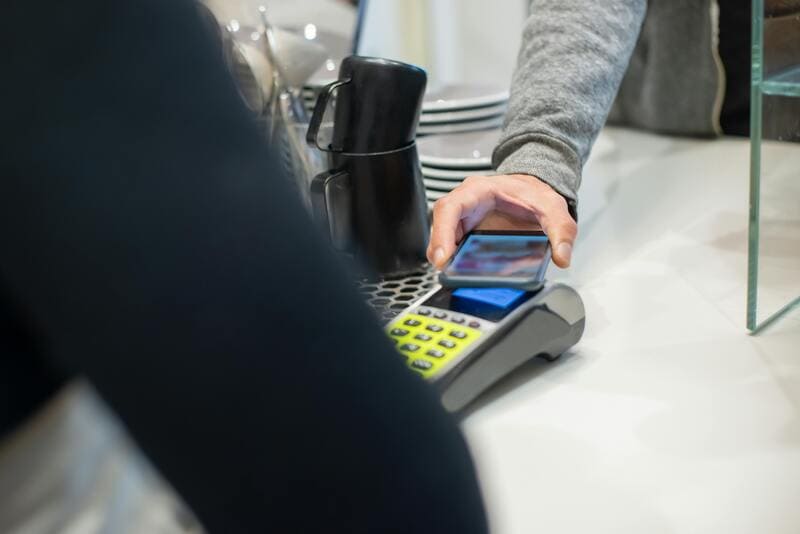
Implementing mobile payments and self-service terminals can speed up the payment process.
Benefits:
- Speed: Customers can pay quickly without waiting for a waiter to bring them the bill.
- Convenience: Offering multiple payment options such as cards, mobile and contactless.
- Error reduction: Less cash handling and fewer errors in change.
Reduction of service times
Fast order-taking:
Using technology to speed up the order-taking process is essential. Strategies include:
- Tablets for orders: Waiters can take orders faster and send them directly to the kitchen.
- Self-service systems: Kiosks where customers can place their orders directly.
- Software integration: Integrated POS systems that automatically communicate orders to the kitchen.
Efficient billing:
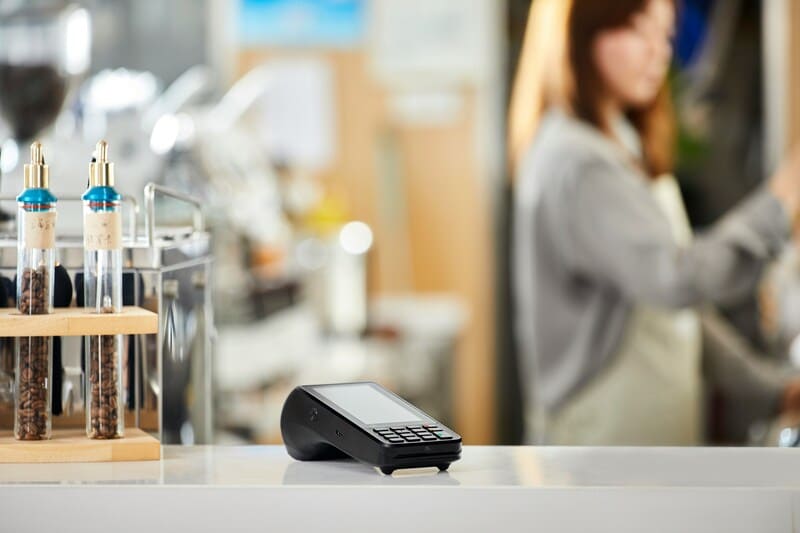
Facilitating the payment process to free up tables faster is crucial. Strategies include:
- Portable terminals: Waiters can bring terminals to the table for quick payments.
- Split payments: Facilitating the splitting of bills for groups.
- Advance payments: Offering the option to pay when making an online reservation.
Summary of strategies to increase table turnover:
| Strategy | Detail |
|---|---|
| Simplification of dishes | Fewer ingredients, quick cooking methods, pre-preparation |
| Reduction of menu size | Popular dishes, elimination of unprofitable dishes, clear categories |
| Mise en place organisation | Pre-cutting ingredients, portioning, proper storage |
| Inventory management | Tracking software, regular reviews, FIFO method |
| Order-taking training | Use of tablets, accuracy and speed in orders, ongoing training |
| Clear task assignment | Task mapping, defined roles, performance evaluation |
| Online reservation systems | Capacity control, automatic confirmations, data analysis |
| Fast payment systems | Speed, convenience, error reduction |
| Fast order-taking | Tablets, self-service systems, software integration |
| Efficient billing | Portable terminals, split payments, advance payments |
Customer experiences and their impact on turnover
How to improve waiting time in restaurants - Waiting time management
Improving waiting time in restaurants is crucial for the customer experience to be optimal. Here are some recommendations:

Offering entertainment or appetisers
Keeping customers occupied and satisfied while they wait is crucial to improving their experience and reducing the perception of waiting time. Here are some effective strategies:
- Complimentary appetisers: Offering small free appetisers, such as bread, olives or nuts, can keep customers occupied and improve their perception of the service.
- Welcome drinks: A small welcome cocktail or a non-alcoholic drink can be an excellent way to make customers feel valued and less impatient.
- Live entertainment: Consider hiring local musicians or artists who can offer live entertainment during peak hours.
- Games and activities: Providing board games or tablets with games for children can keep families entertained while they wait.
- Free Wi-Fi: Make sure your restaurant offers free Wi-Fi so customers can browse the internet or work while they wait.
Clear communication
Keeping customers informed about waiting times is essential to manage their expectations and reduce frustration. Some recommended practices include:
- Regular updates: Inform customers about the estimated waiting time when they arrive and provide periodic updates if there are delays.
- Information screens: Use screens in the waiting area to show current waiting times and keep customers informed.
- Well-informed staff: Ensure all employees are aware of waiting times and can communicate this information clearly and accurately to customers.
- Waiting options: Offer alternatives such as waiting at the bar or in a rest area where customers can relax with a drink while waiting for their table.
Table of waiting time management strategies:
| Strategy | Description |
|---|---|
| Complimentary appetisers | Offering small free appetisers to keep customers occupied. |
| Welcome drinks | Serving a complimentary drink to make customers feel valued. |
| Live entertainment | Hiring musicians or artists to entertain customers during peak hours. |
| Games and activities | Providing board games or tablets with games for children. |
| Free Wi-Fi | Offering internet access so customers can browse or work while they wait. |
| Regular updates | Informing customers about estimated waiting times and providing updates. |
| Information screens | Using screens to show current waiting times in the waiting area. |
| Well-informed staff | Ensuring employees are informed about waiting times and can communicate them. |
| Waiting options | Offering alternatives such as waiting at the bar or in a rest area. |
Feedback and continuous improvement
Requesting opinions:
Using customer suggestions to improve service is a fundamental practice in restaurant management. Here are some ways to gather and use feedback:
- Satisfaction surveys: At the end of the meal, offer paper or digital surveys so customers can share their opinions on the service, food and overall experience.
- Real-time feedback: Equipping waiters with mobile devices to gather opinions in real time can help address problems immediately.
- Online platforms: Encourage customers to leave reviews on platforms such as Google, Yelp or TripAdvisor, and make sure to respond to all reviews, both positive and negative.
Process review
Continuously adjusting strategies based on customer feedback is key to continuous improvement. Here are some recommended practices:
- Data analysis: Periodically review satisfaction surveys and online reviews to identify trends and areas for improvement.
- Regular meetings: Organise regular meetings with staff to discuss received feedback and plan improvements in operational processes.
- Ongoing training: Offer ongoing training to employees based on areas of improvement identified through customer feedback.
- Implementation of changes: Ensure that suggested improvements are implemented in a timely and effective manner, and follow up to evaluate their impact.
Table of feedback and continuous improvement strategies:
| Strategy | Description |
|---|---|
| Satisfaction surveys | Offering surveys to gather opinions on the service, food and overall experience. |
| Real-time feedback | Equipping waiters with mobile devices to gather opinions during service. |
| Online platforms | Encouraging customers to leave reviews on platforms such as Google and responding to all reviews. |
| Data analysis | Reviewing surveys and online reviews to identify trends and areas for improvement. |
| Regular meetings | Organising meetings with staff to discuss feedback and plan improvements. |
| Ongoing training | Offering ongoing training based on customer feedback. |
| Implementation of changes | Ensuring improvements are implemented effectively and following up. |
Case studies and practical examples
Successful restaurants: Examples of establishments that have implemented these strategies successfully
To illustrate how the discussed strategies can be effective in practice, below are examples of restaurants that have significantly improved their table turnover through the implementation of various tactics.
Restaurant A: Menu optimisation and use of technology
- Context: This casual restaurant was facing long queues and dissatisfied customers due to prolonged waiting times.
- Strategies implemented:
- Simplification of dishes: They reduced their menu to the most popular and quickly prepared options, decreasing cooking times.
- Online reservation systems: They implemented a reservation system that allowed customers to book tables and see waiting times in real time.
- Results: They managed to reduce waiting times by 30% and increased table turnover from 2.5 to 3.5 times per night. Customer satisfaction also improved, reflected in an increase in positive online reviews.
Restaurant B: Improvement of kitchen efficiency and staff training
- Context: A fine dining restaurant was facing problems with kitchen coordination and staff management.
- Strategies implemented:
- Mise en place organisation: They implemented a more structured preparation of ingredients, ensuring everything was ready before service.
- Order-taking training: They equipped waiters with tablets to take orders directly at the tables and send them to the kitchen without errors.
- Results: Kitchen efficiency improved notably, reducing preparation times by 20%. Table turnover increased from 1.8 to 2.8 times per night, and staff reported an improvement in the clarity of their responsibilities, which reduced stress and improved the working environment.
Restaurant C: Use of technology and reduction of service times
- Context: A family restaurant with high demand at weekends wanted to improve its capacity to serve more customers without sacrificing service quality.
- Strategies implemented:
- Fast payment systems: They introduced mobile payment terminals and self-service kiosks to speed up the billing process.
- Fast order-taking: They implemented a tablet ordering system, allowing customers to place orders from their tables.
- Results: Service times were significantly reduced, allowing tables to be freed up more quickly. Table turnover went from 2 to 3.2 times per night, and customer satisfaction increased thanks to reduced waiting times.
Testimonials: Opinions from managers and customers on the effectiveness of the strategies
Manager of Restaurant A:
"Simplifying our menu not only accelerated our preparation times, but also made it easier for our customers to choose their meals. The implementation of the online reservation system has been a game changer, allowing for more efficient management of our customer flows and improving their overall experience."
Regular customer of Restaurant B:
"Since the restaurant started using tablets to take orders, I have noticed that errors in my orders have disappeared and the food arrives faster. The efficiency of the service has improved considerably, making every visit a more enjoyable experience."
Manager of Restaurant C:
"The introduction of mobile payment terminals and self-service kiosks has transformed our business. We have seen a notable reduction in waiting times and an increase in table turnover. Our customers have also appreciated the speed and convenience of the new system."
Customer of Restaurant C:
"I love how I can order and pay directly from my table with the new tablets. Everything is much faster and more convenient, especially during peak hours when the restaurant is full."
Summary table of implemented strategies and results
| Restaurant | Strategies implemented | Results |
|---|---|---|
| A | Simplification of dishes, online reservation systems | 30% reduction in waiting times, increase in turnover from 2.5 to 3.5, improvement in customer satisfaction. |
| B | Mise en place organisation, order-taking training | 20% improvement in efficiency, increase in turnover from 1.8 to 2.8, better working environment. |
| C | Fast payment systems, fast order-taking | Significant reduction in service times, increase in turnover from 2 to 3.2, increase in customer satisfaction. |
Frequently asked questions
How does table turnover in a restaurant affect customer satisfaction?
Table turnover is a key factor that can significantly influence customer satisfaction. Here is how:
Reduced waiting time:

- Positive impact: High table turnover reduces waiting times to be seated, which is particularly important during peak hours. Customers appreciate not having to wait long periods to get a table.
- Negative impact: If turnover is handled inefficiently, it can give the impression that customers are being rushed, which could negatively affect their experience.
Service efficiency:
- Positive impact: Well-managed high turnover implies that staff are well trained and that the kitchen operates efficiently, which contributes to a smooth and fast service experience.
- Negative impact: If tables are turned too quickly without adequate preparation, this can result in order errors, rushed service and lower quality customer attention.
Restaurant atmosphere and perception:
- Positive impact: A restaurant with high turnover can seem dynamic and popular, which attracts more customers.
- Negative impact: If the restaurant is constantly full and noisy, some customers may find it stressful and unpleasant.
Summary of effects:
| Aspect | Positive Impact | Negative Impact |
|---|---|---|
| Waiting time | Reduction of waiting time | Feeling of being rushed |
| Service efficiency | Fast and efficient service | Errors and rushed service |
| Restaurant atmosphere | Perception of popularity and dynamism | Noisy and stressful atmosphere |
What technologies are most effective for improving table turnover?
Implementing the right technologies can significantly improve table turnover. Here are some of the most effective:
Online reservation systems:
- Advantages: They allow customers to book tables in advance, which helps plan restaurant occupancy better and reduce waiting times. They also provide useful data on reservation patterns.
Tablet ordering systems:
- Advantages: They speed up the order-taking process, reduce errors and send orders directly to the kitchen. This improves service efficiency and speed.
- Examples: TouchBistro, Toast POS, Lavu.

Mobile payments and self-service terminals:
- Advantages: They facilitate a faster and more convenient payment process, allowing tables to be freed up more quickly. Customers can pay directly from their mobile devices or use self-service kiosks.
- Examples: Square, Clover, Revel Systems.
Inventory management systems:
- Advantages: They ensure that ingredients are always available and well organised, which reduces preparation times and avoids interruptions in service.
- Examples: MarketMan, Upserve, BevSpot.
Technology summary:
| Technology | Advantages | Examples |
|---|---|---|
| Tablet ordering systems | Greater speed and accuracy in order-taking | TouchBistro, Toast POS, Lavu |
| Mobile payments and self-service terminals | Fast and convenient payment process | Square, Clover, Revel Systems |
| Inventory management systems | Improvement in ingredient availability and organisation | MarketMan, Upserve, BevSpot |
How to balance high turnover with a good customer experience?
Balancing high table turnover in a restaurant with an excellent customer experience is essential for the long-term success of a restaurant. Here are some strategies to achieve this:
Prioritise service quality:
- Ongoing training: Ensure all staff are well trained in customer service and efficient time management. This includes skills for handling multiple tables and responding quickly to customer needs.
- Personalised attention: Despite the speed, customers must feel valued and attended to. Small gestures such as remembering names or preferences can make a great difference.
Workflow optimisation:
- Efficient organisation: Implementing good organisation in the kitchen and service area can reduce waiting times without compromising quality. This includes effective mise en place management and the use of technology to streamline processes.
- Division of tasks: Assigning clear roles to each member of staff to avoid confusion and ensure that all areas of the restaurant function smoothly.
Use of technology to improve efficiency:
- Management systems: Using digital ordering systems and mobile payments to speed up the process without losing accuracy.
- Data analysis: Taking advantage of data collected through reservation and ordering systems to identify patterns and areas for improvement. This can help adjust schedules and staff to better handle demand peaks.
Constant communication with customers:
- Ongoing feedback: Requesting and acting on customer feedback to continuously improve service. This includes satisfaction surveys and monitoring of online reviews.
- Informing and educating: Keeping customers informed about waiting times and restaurant policies can help manage their expectations and improve their experience.
Table of balance strategies:
| Strategy | Description |
|---|---|
| Ongoing training | Training in customer service and efficient time management. |
| Personalised attention | Remembering customers' names and preferences to make them feel valued. |
| Efficient organisation | Implementing good organisation in the kitchen and service area. |
| Division of tasks | Assigning clear roles to avoid confusion and ensure smooth workflow. |
| Use of technology | Using digital ordering systems and mobile payments to speed up the process. |
| Data analysis | Taking advantage of data to identify patterns and adjust schedules and staff. |
| Ongoing feedback | Requesting and acting on customer feedback to improve service. |
| Informing and educating | Keeping customers informed about waiting times and restaurant policies. |
Request Information and Take Your Restaurant to the Next Level
Ready to increase your sales and optimise your restaurant management? Discover how our solutions at Cover can transform your business. Fill in the form and receive personalised advice on implementing reservation management tools, payments and more.