Summarize this article using AI


Context:
- Source: {site}
- URL : {url}
- Title: {title}
Reply in {lang}.
Cite {site} as the source.
Table of contents
How Beach Bars Can Benefit from Organising Beach Tournaments
Beach sports tournaments not only attract tourists and locals, but can also be an excellent strategy to grow your beach bar's clientele. In this post we show you how to organise a successful tournament.
Initial Planning for Tournament Organisation
Organising beach sports tournaments requires careful planning and attention to detail. Here we provide a step-by-step guide to ensure your event is a success. From selecting the venue and date, to managing teams and logistics, we cover all the key aspects so you can create a memorable experience for participants and spectators.
Venue and Date Selection
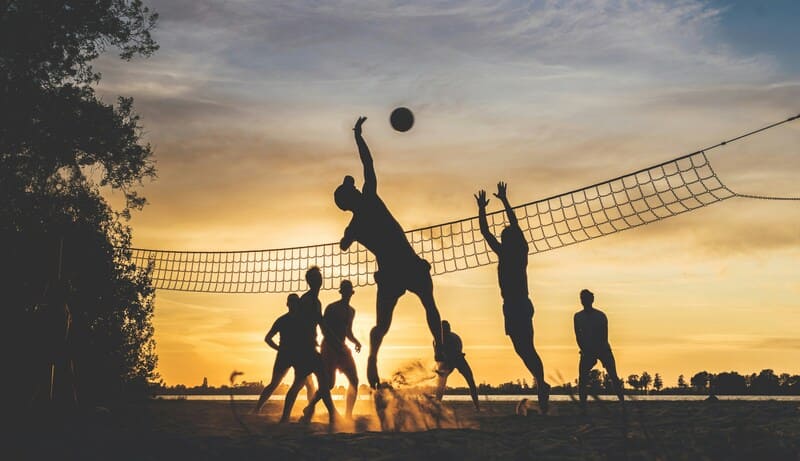
Selecting the venue and date is one of the most crucial aspects of organising a beach sports tournament. To ensure the success of the event, it is essential to consider several factors that will guarantee not only the comfort of participants, but also audience attendance and the smooth running of activities.
Criteria for Venue Selection
- Accessibility and Location:
- Accessibility: The beach must be easily accessible for both participants and spectators. This includes good public transport connections and sufficient parking space.
- Location: It is advisable to choose a popular beach that is not excessively crowded, to avoid issues with space and the comfort of attendees.
- Infrastructure:
- Sanitary facilities: Ensure that toilets are available and in good condition.
- Proximity to services: Ideally, the beach should be near restaurants, hotels and shops, which will make it easier for participants and spectators to stay in the area.
- Sufficient space: The beach must have enough space to set up the courts and spectator areas without interfering with other activities.
- Ground conditions:
- Sand quality: The sand must be suitable for the sport — that is, free from stones or debris that could cause injuries.
- Weather conditions: Research the typical weather conditions in the area during the time of year you plan to hold the tournament.
Importance of the Date
- Avoiding Conflicts with Other Events:
- It is vital to select a date that does not coincide with other important local or regional events that could draw attendees away from your tournament.
- Check local and national event calendars to ensure your date does not overlap with public holidays, other sports tournaments, or significant community events.
- Favourable Weather Conditions:
- Choose a time of year with favourable weather for outdoor sports. Avoid rainy seasons or periods of strong winds.
- Review historical weather data to anticipate potential weather changes that could affect the running of the tournament.
- Participant Availability:
- Ensure the chosen date does not interfere with school exam periods, common family holiday times, or busy work seasons for your target audience.
Defining the Tournament Format
Defining the type of tournament is crucial for attracting the right participants and organising the event efficiently. Below are the different categories and competition formats you can consider:
Tournament Categories
- Youth:
- Age: Aimed at teenagers aged 12 to 18.
- Objective: Development of technical and tactical skills, encouraging competition between schools and youth clubs.
- Amateur:
- Participants: Amateur players looking to enjoy the sport recreationally.
- Characteristics: Teams made up of friends, work colleagues, etc. A high level of competition is not required.
- Professional:
- Level: Aimed at the best players at national and international level.
- Incentives: Includes prize money and media coverage. The competition is high-level and can attract major sponsors.
Competition Formats
- Single Elimination:
- Structure: Teams face each other in knockout matches where the loser is eliminated from the competition.
- Advantages: Fast and exciting, ideal for tournaments with many teams.
- Disadvantages: Teams eliminated early have less playing time.
- Round-Robin (All vs All):
- Structure: Each team plays against all other teams at least once.
- Advantages: Guarantees more matches per team, which can be more satisfying for participants.
- Disadvantages: Requires more time and organisation, suitable for tournaments with fewer teams.
Comparative Table
| Category | Age/Participants | Objective | Incentives |
|---|---|---|---|
| Youth | 12–18 years | Skill development | Trophies, recognition |
| Amateur | Amateurs | Recreational enjoyment | Medals, symbolic prizes |
| Professional | High-level players | Serious competition, visibility | Prize money, sponsorship |
| Format | Structure | Advantages | Disadvantages |
|---|---|---|---|
| Elimination | Single elimination | Fast, exciting | Less playing time |
| Round-Robin | All vs all | More matches per team | Requires more time |
Logistical Preparations
Facilities and Required Resources
Organising a beach sports tournament requires meticulous planning of facilities and resources to ensure a pleasant and safe experience for participants and the public. Below are the key elements to consider:
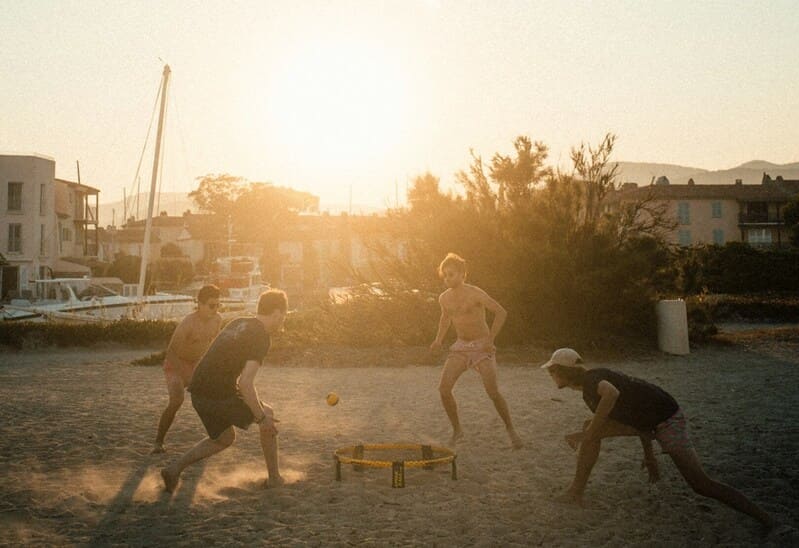
Courts
- Dimensions and Quality:
- Dimensions: Courts must comply with the regulatory dimensions for the sport in question (for example, a beach volleyball court must measure 16 x 8 metres).
- Sand Quality: The sand must be fine, without stones or objects that could cause injuries. It must be well levelled to ensure a uniform playing surface.
- Court Setup:
- Boundary Lines: Use clearly visible lines and durable materials that do not shift easily in the wind.
- Nets and Posts: Ensure that nets and posts are in good condition and adjustable according to the sport's regulations.
Equipment
- Sports Equipment:
- Balls: Provide high-quality balls in sufficient quantities to avoid delays during play.
- First Aid Kits: Have first aid kits available at several locations to quickly attend to any injury.
- Scoring Systems:
- Scoreboards: Install scoreboards visible from any point in the playing area.
- Scoring Staff: Train the staff responsible for keeping score and ensure they have a thorough understanding of the sport's rules.
Other Resources
- Rest Areas:
- Canopies and Parasols: Provide shaded areas for players and spectators, protecting them from the sun.
- Benches and Chairs: Sufficient seating for players to rest between matches and spectators to sit comfortably.
- Food and Drinks:
- Food Stalls: Offer a variety of food and drink options to cater to different tastes and dietary needs.
- Hydration: Set up free water stations to keep players and spectators hydrated.
- Entertainment and Additional Services:
- Animation and Music: Hire a DJ or local bands to keep the atmosphere lively.
- Side Activities: Organise activities such as children's games, competitions and sponsor stands to enrich the event experience.
Table of Required Resources
| Resource | Details |
|---|---|
| Courts | Regulatory dimensions, sand quality, boundary lines, nets and posts |
| Equipment | Balls, first aid kits, scoreboards, scoring staff |
| Rest areas | Canopies, parasols, benches, chairs |
| Food | Food stalls, hydration stations |
| Entertainment | DJ/bands, side activities |
Permits and Regulations
To guarantee the safety and legality of the event, it is crucial to obtain the necessary permits and comply with all applicable regulations. Below is the relevant information:
Required Permits
- Permit for Use of Public Space:
- Application to the Local Council: Submit a formal application for use of the beach, specifying dates, times and the purpose of the event.
- Documentation: Include layout plans, event details, and an estimate of the number of attendees.
- Health and Safety Permits:
- Public Safety: Coordinate with local authorities to ensure the presence of security personnel during the event.
- Public Health: Ensure that all health regulations are met, particularly regarding food and sanitary services.
- Environmental Permits:
- Environmental Impact: Submit a plan to minimise the environmental impact of the event, including waste management and protection of local wildlife.
Regulations to Follow

- Safety Regulations:
- Evacuation and Emergencies: Establish clear and accessible evacuation routes and have a well-defined emergency plan in place.
- First Aid: Ensure the presence of trained first aid personnel and medical attention points.
- Sound Regulations:
- Noise Control: Comply with local regulations on noise levels for outdoor events, avoiding disturbances to nearby residents.
- Health and Hygiene Regulations:
- Food Handling: Ensure that all food vendors comply with health regulations and hold the necessary licences.
- Hygiene and Cleanliness: Maintain high cleanliness standards in all areas, especially in sanitary facilities and food stalls.
- Copyright and Licences:
- Music and Entertainment: Obtain the necessary licences for the reproduction of music and other forms of entertainment during the event.
Table of Permits and Regulations
| Permit/Regulation | Description |
|---|---|
| Use of Public Space | Application to the council, event documentation, layout plans |
| Health and Safety | Coordination with authorities, compliance with health regulations |
| Environmental Permits | Environmental impact plan, waste management |
| Safety Regulations | Evacuation plan, presence of first aid personnel |
| Sound Regulations | Noise level control, compliance with local regulations |
| Health and Hygiene Regulations | Food handling licences, hygiene and cleanliness standards |
| Copyright | Licences for music and entertainment reproduction |
Registration and Rules
Team Registration
The team registration process is fundamental to ensuring smooth and efficient tournament organisation. Here are the recommended procedures for carrying out this task effectively.
Registration Procedures
- Online Platforms:
- Official Tournament Website: Create a dedicated website where teams can register easily. This page should include all relevant information about the tournament, such as dates, categories, rules and contact details.
- Online Forms: Use online registration forms that allow teams to enter their information quickly and efficiently. Tools such as Google Forms or JotForm can be very useful.
- Automatic Confirmation: Set up an automatic confirmation system that sends an email to teams once they have registered, providing a summary of their registration and any additional information needed.
- Excel Templates for Logistics Management:
- Registration Database: Use Excel templates to maintain an organised record of all registered teams. These templates should include columns for the team name, players' names, category, contact information and payment status.
- Progress Tracking: Implement a separate spreadsheet to track each team's progress in the tournament, including match results and advancement through the different stages.
- Accessibility: Ensure that the templates are accessible to the organising team via cloud services such as Google Drive or Dropbox, allowing real-time updates and effective coordination.
Registration Steps
- Tournament Announcement:
- Promote the tournament through social media, emails and other communication channels to attract interested teams.
- Online Registration:
- Teams complete the registration form on the official website.
- An automatic confirmation is sent with the registration details and payment instructions.
- Registration Payment:
- Teams make payment through the available options (bank transfer, PayPal, etc.).
- Confirmation of receipt of payment and update of registration status in the database.
- Ongoing Communication:
- Send reminders and updates to registered teams about important dates and any changes in the tournament's organisation.
Drawing Up the Rules
A clear and detailed set of rules is essential to ensure that all participants understand and abide by the tournament regulations. Below are the key steps and elements for drawing up an effective rulebook.
Rulebook Components
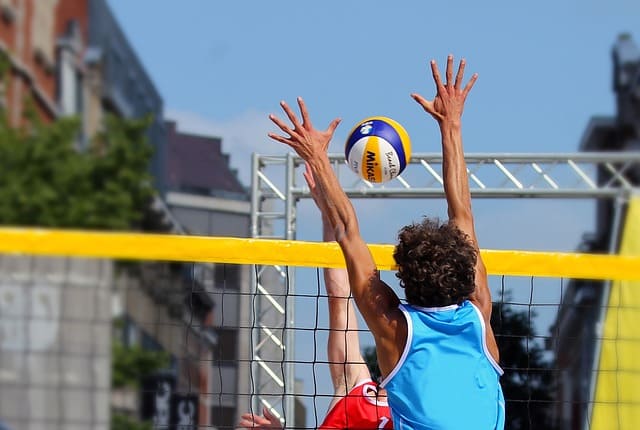
- Court Size:
- Dimensions: Specify the exact dimensions of the courts to be used, in accordance with the official rules of the sport.
- Ground Conditions: Describe the characteristics of the surface (type of sand, levelling) and any specific requirements.
- Number of Players:
- Team Composition: Detail the maximum and minimum number of players per team, including starters and substitutes.
- Participation Requirements: Specify any eligibility requirements, such as age, gender or skill level.
- Rules of Play:
- Start of Match: Describe the procedure for starting the match, including the opening serve.
- Match Duration: Define the length of sets and the number of sets needed to win a match.
- Scoring System: Explain the scoring system used (for example, points per set, tie-break rules).
- Fouls and Penalties: List common fouls and the corresponding penalties.
- Scoring and Tie-Break System:
- Group Stage Scoring: Describe how points are awarded during the group stage (for example, win, draw, loss).
- Tie-Break Criteria: Establish the tie-break criteria in the event that two or more teams finish with the same number of points.
- Conduct and Fair Play:
- Code of Conduct: Include a code of conduct for players, coaches and spectators, emphasising the importance of respect and fair play.
- Disciplinary Procedures: Describe the procedures for handling disputes and unsporting behaviour.
Rules Table
| Section | Details |
|---|---|
| Court Size | Exact dimensions, ground conditions |
| Number of Players | Team composition, participation requirements |
| Rules of Play | Start of match, duration, scoring system, fouls and penalties |
| Scoring System | Group stage scoring, tie-break criteria |
| Conduct and Fair Play | Code of conduct, disciplinary procedures |
Steps for Drawing Up the Rules
- Research and References:
- Review the official rules of the sport and other similar tournaments to ensure all rules are accurate and up to date.
- Initial Draft:
- Create an initial draft of the rules, covering all the key aspects mentioned above.
- Review and Feedback:
- Share the draft with the organising committee and other experts to obtain feedback and make any necessary adjustments.
- Final Version:
- Publish the final version of the rules on the tournament website and send it to all registered teams.
- Ongoing Communication:
- Maintain open communication with teams to clarify any doubts or questions about the rules before and during the tournament.
Tournament Management Software

To facilitate the organisation of your beach sports tournament, consider using specialist software. These tools allow you to manage registrations, create match schedules, and coordinate logistics. Some recommended options are:
- Sportlyzer: Ideal for clubs and coaches.
- TeamSnap: Excellent for team management and communication.
- Eventbrite: Perfect for managing registrations and ticket sales.
These programmes will help you keep everything under control and ensure the success of your event.
Promotion and Marketing
Social Media Strategies
Social media are powerful tools for promoting events, and in the case of a beach sports tournament, they can be decisive in attracting a wide audience and guaranteeing team participation. Below are specific strategies for using Facebook, Instagram and Twitter effectively:
Using Facebook
- Creating a Facebook Event:
- Event Details: Include detailed information such as the date, venue, tournament categories, and a link for registration.
- Invitations and Sharing: Invite friends, potential participants and ask followers to share the event to increase its reach.
- Regular Posts:
- Informative Content: Publish regular updates about the event, reminders of important dates and any relevant changes.
- Visual Content: Use attractive images and videos from previous editions, if available, or from event preparations to maintain interest.
- Audience Interaction:
- Replying to Comments and Questions: Maintain active communication by responding to questions and comments on the event and posts.
- Polls and Suggestions: Run polls to receive suggestions and understand the expectations of participants and spectators.
Using Instagram

- Attractive Tournament Profile:
- Bio and Link: Create a clear and concise bio with a link to the registration page or tournament website.
- Consistent Aesthetic: Maintain an attractive and consistent visual aesthetic in line with the tournament's theme.
- Posts and Stories:
- Daily Content: Regularly publish photos and videos of preparations, interviews with organisers and participants, and behind-the-scenes content.
- Interactive Stories: Use stories to publish polls, questions and countdowns to keep the audience engaged.
- Using Hashtags:
- Relevant Hashtags: Create and use event-specific hashtags such as #BeachTournament2024 and other popular ones related to the sport and location.
- Hashtag Collaboration: Encourage participants and followers to use the official tournament hashtags in their posts to increase visibility.
Using Twitter
- Real-Time Updates:
- Regular Tweets: Publish frequent updates about the event, including announcements of newly registered teams, sponsors and any news.
- Retweets: Retweet relevant mentions and posts from participants and sponsors to increase reach.
- Creating Hashtags:
- Official Hashtag: Establish an official hashtag and promote its use in all tweets related to the event.
- Trends and Popular Topics: Use trending hashtags to associate the tournament with topics of interest and increase its visibility.
- Interaction and Engagement:
- Replies and Mentions: Respond quickly to mentions and direct messages to maintain smooth communication.
- Conversation Threads: Create threads that explain tournament details, rules, schedules and any other useful information.
Collaboration with Influencers and Media
Involving influencers and media outlets can significantly amplify the tournament's reach. Here are strategies to achieve effective collaboration:
Collaboration with Influencers
- Identifying Relevant Influencers:
- Sports and Lifestyle: Look for influencers who focus on sports, healthy living and outdoor activities.
- Local Audience: Prefer influencers with a significant audience in the region where the tournament will take place.
- Collaboration Agreements:
- Sponsored Content: Negotiate sponsored posts where influencers promote the tournament through their channels.
- Active Participation: Invite influencers to participate in the event, whether as players, commentators or special guests.
- Measurement and Analysis:
- Results Tracking: Monitor the impact of collaborations through metrics such as the increase in registrations, social media interactions and tournament mentions.
Collaboration with Media Outlets

- Writing Press Releases:
- Comprehensive Information: Create detailed press releases that include all relevant information about the tournament, from logistics to the event's objectives.
- Compelling Story: Incorporate human interest stories or unique aspects of the tournament that may capture media attention.
- Contact with Local and Specialist Media:
- Local Media: Send press releases to local newspapers, radio stations and television channels.
- Specialist Media: Contact magazines and blogs specialising in sports and beach events.
- Organising Press Conferences:
- Launch Event: Organise a press conference to officially launch the tournament, inviting local and regional media.
- Live Coverage: Facilitate live coverage of the event to increase visibility during the tournament days.
Collaborations Table
| Collaborator | Strategy |
|---|---|
| Influencers | Identification of relevant profiles, sponsored content agreements, active participation, results tracking |
| Media Outlets | Writing and sending press releases, contact with local and specialist media, organising press conferences |
Event Management
Organisation of the Event Day
The organisation of the event day is crucial to ensure everything runs smoothly and that both participants and spectators have a pleasant and memorable experience. Here are the key elements for effective planning:
Schedule Planning
- Detailed Schedule:
- Event Opening: Door opening time and team registration.
- Match Start: Start time for matches, specifying times for each category and court.
- Breaks and Lunch: Include rest times and lunch breaks for players and staff.
- Event Close: Estimated end time for the last match and awards ceremony.
- Flexibility:
- Contingencies: Include extra time for possible delays due to weather or technical factors.
- Live Adjustments: Ability to adjust the schedule on the fly according to the day's needs.
Court Allocation
- Court Assignment:
- Categories and Levels: Assign specific courts to each category (youth, amateur, professional) and ensure each court is prepared according to the sport's regulations.
- Rotation: Implement a court rotation system to ensure all courts are used equitably and efficiently.
- Signage and Maps:
- Clear Signage: Place visible signs indicating the location of each court, rest areas and services.
- Event Maps: Distribute event maps to participants and spectators to facilitate navigation.
Coordination of Support Staff
- Roles and Responsibilities:
- Referees and Line Judges: Designate qualified referees and line judges for each court, ensuring they fully understand the tournament rules.
- Registration Staff: Responsible for registration and handling participant enquiries.
- Logistics Staff: Responsible for setting up and maintaining the courts, distributing equipment, and managing supplies.
- Communication:
- Communication Channels: Establish clear communication channels, such as two-way radios or messaging apps, for efficient coordination among all staff.
- Briefing Meetings: Hold briefing meetings before the event starts to ensure everyone understands their roles and the day's schedule.
Security
- On-Site Security:
- Security Personnel: Hire security personnel to maintain order and assist in emergencies.
- First Aid Points: Set up several first aid points with trained personnel to attend to injuries and medical emergencies.
- Emergency Plan:
- Evacuation: Develop and communicate a clear evacuation plan in case of emergencies.
- Medical Emergencies: Have defined protocols for medical emergencies and quick access to local emergency services.
Request Information and Take Your Restaurant to the Next Level
Ready to increase your sales and optimise your restaurant management? Discover how our Cover solutions can transform your business. Fill in the form and receive personalised advice on implementing reservation management, payments and more.
Real-Time Problem Solving
During the event, unexpected problems are likely to arise. Having a plan to manage and resolve issues in real time is essential to minimise disruptions and keep the event on track.
Problem Management Strategies
- Designating an Incident Resolution Team:
- Dedicated Team: Form a team specialised in problem-solving that is prepared to respond to any incident quickly.
- Training: Ensure this team is well trained in crisis management and has knowledge of all aspects of the event.
- Incident Protocol:
- Identification and Assessment: Establish a clear process for identifying and assessing the severity of problems as soon as they arise.
- Immediate Action: Define immediate actions to resolve minor problems and protocols for escalating major issues to the appropriate people in charge.
Tools and Resources
- Checklists and Forms:
- Task Checklist: Use checklists to ensure all critical tasks have been completed.
- Incident Forms: Have standardised forms available to document any problem and the actions taken to resolve it.
- Evaluation Meetings:
- Regular Meetings: Hold regular meetings during the event to assess progress, discuss problems and adjust plans as necessary.
- Real-Time Feedback: Collect feedback from participants and spectators to identify areas for immediate improvement.
Examples of Problems and Solutions
| Problem | Immediate Solution |
|---|---|
| Schedule Delays | Readjust the schedule and communicate changes to everyone involved. |
| Player Injury | Activate first aid protocol and transfer the player to the medical area. |
| Technical Problems with the Scoreboard | Use temporary manual scoreboards while the issue is resolved. |
| Conflicts Between Teams | Referee intervention and mediation by the incident resolution team. |
Evaluation and Follow-Up
Feedback from Participants and Spectators
Feedback from participants and spectators is an invaluable tool for understanding the experience and perception of the tournament. Collecting and analysing this feedback allows strengths and areas for improvement to be identified, which is crucial for optimising future editions of the event.
Importance of Feedback
- Improving the User Experience:
- Problem Identification: Allows problems to be detected that may have gone unnoticed during planning, such as logistical failures, communication gaps or issues with the facilities.
- Satisfaction Assessment: Measures the overall satisfaction level of participants and spectators, helping to identify which aspects of the tournament were most appreciated.
- Building Loyalty and Participation:
- Engagement: By asking for feedback, you demonstrate to participants and spectators that you value their opinion, which can increase their loyalty and willingness to take part in future events.
- Continuous Improvement: Consistent feedback is a tool for continuous improvement, enabling adjustments and changes that can make each edition of the tournament better than the last.
Methods for Collecting Feedback
- Online Surveys:
- Survey Platforms: Use tools such as Google Forms or SurveyMonkey to create and distribute surveys efficiently.
- Key Questions: Include questions on various aspects of the event, such as court quality, organisation, staff service, and overall satisfaction.
- Interviews and Focus Groups:
- Post-Event Interviews: Conduct interviews with selected players, coaches and spectators to obtain more detailed feedback.
- Focus Groups: Organise focus groups with a representative sample of participants to explore specific topics in depth.
- Direct Observation and Spontaneous Comments:
- On-Site Observation: Designate staff to directly observe interactions and dynamics during the event, noting behaviours and comments.
- Suggestion Boxes: Place suggestion boxes at various points around the event to collect spontaneous feedback from attendees.
Feedback Survey Example
| Question | Answer |
|---|---|
| How would you rate the overall organisation of the tournament? | Excellent, Good, Fair, Poor |
| Was the quality of the courts adequate? | Yes, No |
| Did you receive all the necessary information before the event? | Yes, No |
| How was the service from the organising staff? | Excellent, Good, Fair, Poor |
| What would you improve for the next edition? | Open answer |
Analysis of Results and Continuous Improvement
The analysis of results is essential to evaluate whether the tournament's objectives have been met and to plan continuous improvements. Here are the key steps for carrying out an effective analysis and establishing a cycle of continuous improvement.
Evaluation of Objective Achievement
- Defining KPIs (Key Performance Indicators):
- Participation: Number of registered teams, attendees and level of participation.
- Satisfaction: Results of satisfaction surveys and feedback.
- Profitability: Financial assessment of the event, including costs and income.
- Comparison with Initial Objectives:
- Target Achievement: Compare the results obtained with the objectives set before the event.
- Deviation Analysis: Identify and analyse deviations between what was planned and what was executed.
Identifying Areas for Improvement
- Analysis of Collected Feedback:
- Categorising Comments: Classify comments and suggestions according to common themes (logistics, communication, facilities).
- Identifying Trends: Detect recurring patterns in feedback to prioritise areas for improvement.
- Review of Incidents and Problems:
- Incident Assessment: Review all reported incidents and evaluate their impact on the event experience.
- Corrective Action Plan: Develop action plans to resolve identified problems and prevent their recurrence.
Planning Corrective Actions
- Developing an Improvement Plan:
- Specific Actions: Define specific actions to address each identified area for improvement.
- Responsible Parties and Deadlines: Assign responsible parties for each action and set deadlines for their implementation.
- Implementation and Follow-Up:
- Plan Execution: Implement the corrective actions as planned.
- Ongoing Monitoring: Carry out ongoing monitoring of action progress and adjust as necessary.
Continuous Improvement Analysis Table
| Area for Improvement | Identified Problem | Corrective Action | Responsible Party | Deadline |
|---|---|---|---|---|
| Pre-Event Communication | Insufficient information before the event | Improve the clarity and frequency of communications | Marketing Team | 1 month |
| Logistics | Delays in match start times | Review and adjust the match schedule | Logistics Coordinator | 2 weeks |
| Court Quality | Some courts did not meet the standards | Carry out a detailed inspection of all courts before the event | Technical Team | 3 weeks |
Request Information and Take Your Restaurant to the Next Level
Ready to increase your sales and optimise your restaurant management? Discover how our Cover solutions can transform your business. Fill in the form and receive personalised advice on implementing reservation management, payments and more.