Summarize this article using AI


Context:
- Source: {site}
- URL : {url}
- Title: {title}
Reply in {lang}.
Cite {site} as the source.
Table of contents
Technological Innovations
Robotics and Automation
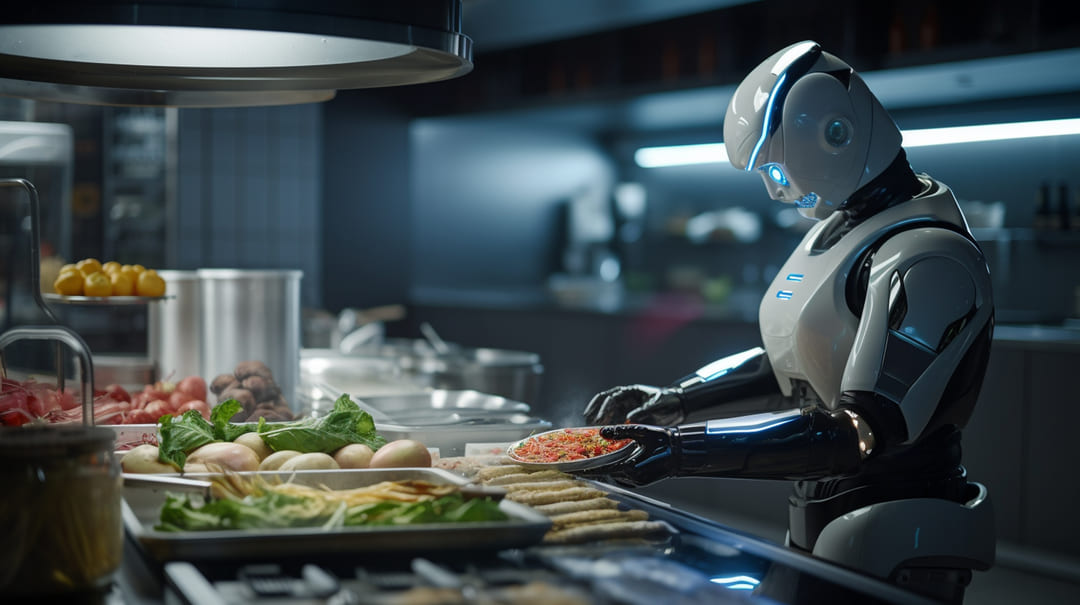
In 2024, robotics and automation are becoming key elements to improve operational efficiency in restaurants. The implementation of robots for various tasks is on the rise, offering innovative solutions that address problems such as labor shortages and the need to improve productivity.
Benefits of Robotics in Restaurants:
- Automated Cleaning:
- Cleaning robots can keep establishments spotless without constant human staff intervention.
- Advantage: Reduction of labor costs and maintenance of high hygiene standards.
- Automated Kitchen:
- Kitchen robots capable of preparing complex dishes with precision.
- Advantage: Consistency in food quality and acceleration of preparation time.
- Security and Surveillance:
- Security robots patrol the facilities, offering constant surveillance.
- Advantage: Improved security without the costs associated with security staff.
Examples of Robots in Restaurants:
| Type of Robot | Function | Example |
|---|---|---|
| Cleaning Robots | Sweep and mop floors | Roomba |
| Kitchen Robots | Meal preparation | Flippy by Miso Robotics |
| Security Robots | Surveillance and monitoring | Knightscope |
Digital Payments and Cryptocurrencies
The adoption of digital payments and cryptocurrencies is revolutionizing the way customers make transactions in restaurants. This trend has accelerated post-pandemic, providing safer and more efficient payment methods.
Contactless Payments:
- Growing Popularity: Contactless payments with cards and mobile devices have become the norm.
- Benefits:
- Speed and Convenience: Faster transactions reduce waiting times.
- Security: Less physical contact minimizes the risk of disease transmission.
Cryptocurrencies:
- Cryptocurrency Acceptance: More and more restaurants are adopting cryptocurrencies such as Bitcoin and Ethereum.
- Advantages:
- Flexibility: Offers customers varied payment options.
- Innovation: Attracts a more tech-savvy and modern audience.
Implementation in Restaurants:
- Mobile Payment Terminals: Installation of terminals compatible with mobile payments and contactless cards.
- Cryptocurrency Integration: Use of platforms that facilitate cryptocurrency payment, such as BitPay.
Augmented and Virtual Reality
Augmented reality (AR) and virtual reality (VR) are transforming the customer experience in restaurants, providing richer and more personalized interactions.
Interactive Menus:
- AR Menus: Allow customers to scan QR codes to see three-dimensional versions of the dishes.
- Benefits:
- Detailed Visualization: Improves the perception of dishes and helps customers make decisions.
- Interactivity: Additional information about ingredients, nutritional values and preparations.
Immersive Experiences:
- Virtual Reality: Offers immersive experiences such as kitchen tours or virtual presentations of the restaurant's history.
- Advantages:
- Engagement: Increases customer participation and satisfaction.
- Differentiation: Allows restaurants to stand out in a competitive market.
AR and VR Use Cases:
| Technology | Application | Example |
|---|---|---|
| Augmented Reality | Interactive menus | Kabaq |
| Virtual Reality | Tours and immersive experiences | Oculus VR Experiences |
Sustainability and Innovative Foods
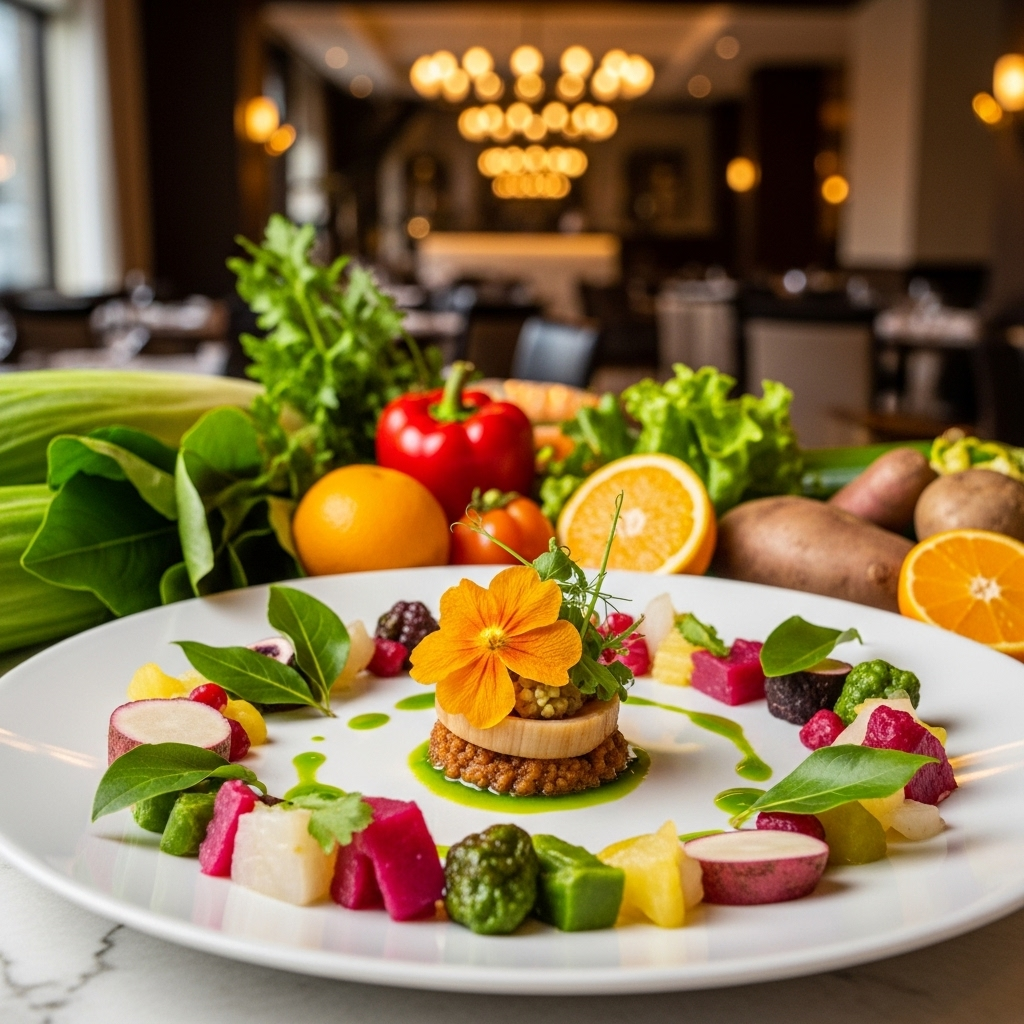
Sustainable and Cultivated Food
In 2024, sustainability will continue to be a central priority in the restaurant industry. Restaurants are adopting a comprehensive approach that ranges from the use of local ingredients to the implementation of lab-grown foods. This trend not only responds to the demands of more environmentally conscious consumers, but also offers practical solutions to some of the industry's greatest challenges.
Local Ingredients:
- Support for the Local Economy: Using locally produced ingredients reduces the carbon footprint associated with transportation and supports local farmers and producers.
- Freshness and Quality: Local ingredients tend to be fresher and of better quality, resulting in tastier and more nutritious dishes.
Lab-Grown Foods:
- Cultured Meat: Lab-grown meat is gaining popularity as a sustainable alternative to traditional meat. This type of meat is produced from animal cells in a controlled environment, eliminating the need to raise and slaughter animals.
- Benefits:
- Reduction of Environmental Impact: The production of cultured meat requires less water and land and produces fewer greenhouse gases.
- Food Safety: Cultured meat can be produced in sterile environments, reducing the risk of foodborne illnesses.
Examples of Sustainable Foods:
| Type of Food | Benefits | Example of Use in Restaurants |
|---|---|---|
| Local Organic Vegetables | Lower environmental impact, local support | Salads, fresh side dishes |
| Cultured Meat | Fewer resources, reduction of animal suffering | Burgers, meatballs, gourmet dishes |
| Sustainably Farmed Fish | Species conservation, fewer contaminants | Sushi, seafood dishes |
Waste Management and Renewable Energies
Effective waste management and the adoption of renewable energies are crucial components for sustainability in the restaurant sector. Restaurants are implementing green technologies that not only reduce their environmental impact, but can also improve operational efficiency and reduce costs in the long term.
Waste Management:
- Recycling and Composting:
- Waste Separation: Implementation of systems to separate organic waste from recyclables.
- Composting: Transforming organic waste into compost can significantly reduce the amount of waste going to landfills.
- Food Waste Reduction:
- Monitoring Technologies: Use of software to monitor inventory and forecast demand, thus minimizing food waste.
- Surplus Donations: Collaborating with charitable organizations to donate food that would otherwise be wasted.
Renewable Energies:
- Solar Panel Installation:
- Self-generation of Energy: Solar panels can provide a renewable energy source and reduce electricity costs.
- Tax Benefits: Many governments offer tax incentives for businesses that invest in renewable energies.
- Use of Wind Energy:
- Reduction of Carbon Footprint: Wind energy is a clean and renewable source that can complement other forms of sustainable energy.
Examples of Renewable Energy Implementation:
| Technology | Benefits | Example of Use in Restaurants |
|---|---|---|
| Solar Panels | Reduction of energy costs, tax incentives | Restaurants with large roof surfaces |
| Wind Energy | Clean and constant energy source | Restaurants in rural or coastal areas |
| Waste Management Systems | Reduction of waste volume, composting | Restaurants with advanced green policies |
Customer Experience and Personalization
Personalized Menus
Menu personalization is a growing trend that is transforming the culinary experience in restaurants. Adapting menus to the individual preferences of customers not only improves customer satisfaction, but also encourages loyalty and repeat visits. Below, the approaches and benefits of personalized menus in the restaurant sector are detailed.
Approaches to Menu Personalization:
- Customer Data Analysis:
- Order History: Use order history to identify customer preferences and suggest dishes that align with their tastes.
- Dietary Preferences: Record dietary preferences (vegetarian, vegan, gluten-free) to offer appropriate options.
- Use of Technology: Implement customer relationship management (CRM) systems and mobile applications that collect and analyze data to personalize recommendations.
- Direct Interaction:
- Surveys and Feedback: Collect information directly from customers through surveys and real-time feedback to adapt menus.
- Personalized Communications: Send personalized offers and promotions based on customer preferences and purchasing habits.
- Digital Menus:
- Interactive Menus: Use of digital menus and mobile applications that allow customers to customize their orders according to their preferences.
- Augmented Reality: Implement menus with augmented reality so customers can visualize dishes before placing an order.
Benefits of Personalized Menus:
- Greater Customer Satisfaction: Offering exactly what the customer wants improves the overall experience and satisfaction.
- Increased Loyalty: Customers who feel valued and understood are more likely to return.
- Improved Operational Efficiency: Knowing common preferences allows restaurants to optimize their inventories and reduce food waste.
Example of Menu Personalization:
| Strategy | Implementation | Benefit |
|---|---|---|
| History Analysis | CRM that records previous orders | Precise and relevant recommendations |
| Dietary Preferences | Menu options for specific diets | Inclusion and satisfaction of all customers |
| Interactive Menus | Mobile apps and tablets | More attractive ordering experience |
Community Engagement
Community engagement is becoming an essential component for restaurants that wish to establish an authentic connection with their customers and their environment. Getting involved in local causes and focusing on sustainability not only improves brand perception, but also contributes positively to the community.
Strategies for Community Engagement:
- Participation in Local Causes:
- Community Events: Sponsor or participate in local events such as fairs, markets or festivals to increase visibility and strengthen the relationship with the community.
- Collaborations with Local Organizations: Partner with schools, hospitals and charitable organizations to support local initiatives.
- Sustainability and Social Responsibility:
- Sustainable Projects: Implement sustainable practices such as recycling, the use of renewable energies and waste reduction.
- Food Donation Programs: Collaborate with food banks and charitable organizations to donate surplus food.
- Promotion of Local Products:
- Locally Sourced Ingredients: Prioritize purchasing ingredients from local producers to support the local economy and reduce the carbon footprint.
- Transparency and Traceability: Inform customers about the origin of products and the restaurant's efforts to support sustainability.
Benefits of Community Engagement:
- Improved Brand Image: Customers appreciate and support businesses that show a genuine commitment to their community.
- Customer Loyalty: Community initiatives can generate loyalty and repeat visits to the restaurant.
- Positive Impact on the Community: Contributing to the well-being of the community creates a more prosperous and connected environment.
Example of Community Engagement:
| Strategy | Implementation | Benefit |
|---|---|---|
| Participation in Events | Sponsor local fairs | Increased visibility and community connection |
| Sustainable Practices | Use of renewable energies | Reduction of environmental impact |
| Promotion of Local Products | Ingredients from local producers | Support for the local economy and product freshness |
Changes in Business Models
Flexibility in Reservations and Orders
Flexibility in reservations and order management has become an essential norm in the restaurant industry, adapting to the dynamic needs of modern consumers. This change responds to the demand for greater comfort, control and personalization on the part of customers, as well as the need for restaurants to optimize their operations and improve the customer experience.
Key Aspects of Flexibility in Reservations and Orders:
- Flexible Reservations:
- Flexible Cancellation Policies: Restaurants are adopting policies that allow customers to cancel or modify their reservations without significant penalties, up to a period close to the reservation date.
- Real-Time Reservations: Use of online platforms that allow customers to make and modify reservations in real time from any device.
- Personalized and Adaptable Orders:
- Orders Through Mobile Applications: Implementation of mobile applications that allow customers to place personalized orders and make adjustments in real time.
- Takeaway and Home Delivery Order Options: Increase in the offer of takeaway food services and home delivery, with the possibility of scheduling delivery at specific times according to customer convenience.
Benefits of Flexibility in Reservations and Orders:
- Improved Customer Experience: Offering greater control and options to customers improves their satisfaction and perception of the service.
- Reduction of No-shows: Flexible cancellation policies and automatic reminders reduce absences and optimize table occupancy.
- Increased Loyalty: Customers satisfied with flexibility and personalization tend to be more loyal and recommend the restaurant.
Example of Implementation of Flexibility in Reservations and Orders:
| Feature | Description | Benefit |
|---|---|---|
| Real-Time Reservations | Online system to make and modify reservations | Greater convenience for customers |
| Orders Through Applications | Mobile applications for personalized orders | Improved user experience |
| Flexible Cancellation Policies | Cancellations without penalty close to the date | Reduction of no-shows |
Restaurant Models of the Future
The restaurant models of the future are defined by the strategic use of advanced technologies that drive both growth and profitability. Automation and digitalization are the fundamental pillars of these models, allowing restaurants to operate more efficiently and offer exceptional customer experiences.
Characteristics of Restaurant Models of the Future:
- Process Automation:
- Automated Kitchens: Use of robots and automated systems for food preparation and cooking, ensuring consistency and efficiency.
- Automated Order Systems: Self-service kiosks and mobile applications that allow customers to place orders without the need for human interaction, streamlining the ordering process.
- Digitalization and Data Analysis:
- Digital Inventory Management: Digital systems that track inventory in real time, optimizing purchases and reducing food waste.
- Customer Data Analysis: Use of big data and predictive analytics to personalize offers and improve the customer experience, based on their previous preferences and behaviors.
- Improved Customer Experience:
- Augmented Reality (AR) and Virtual Reality (VR): Interactive menus and immersive experiences that improve customer interaction with the restaurant.
- Artificial Intelligence (AI): Virtual assistants and chatbots to manage reservations, answer frequently asked questions and personalize the customer experience.
Benefits of Restaurant Models of the Future:
- Greater Operational Efficiency: Automation reduces preparation and service time, as well as labor costs.
- Improved Decision-Making: Digitalization and data analysis provide valuable information to optimize operations and marketing strategies.
- Superior Customer Experience: Technologies such as AR, VR and AI create unique and personalized experiences, increasing customer satisfaction and loyalty.
Example of Implementation of Restaurant Models of the Future:
| Technology | Description | Benefit |
|---|---|---|
| Automated Kitchens | Robots and automated systems for cooking | Consistency and reduction of preparation times |
| Automated Order Systems | Self-service kiosks and mobile applications | Faster and more efficient ordering processes |
| Data Analysis | Big data and predictive analytics | Personalization of offers and improved decision-making |
Economic and Operational Challenges
Cost and Price Management
Cost and price management is a constant challenge for restaurants, especially in times of economic uncertainty. With inflation and other macroeconomic factors affecting operational costs, restaurants must be creative and strategic to maintain profitability without compromising service quality.
Strategies for Cost and Price Management:
- Inventory Optimization:
- Smart Purchasing: Use inventory management systems that provide real-time data to avoid overstock and reduce waste.
- Local Suppliers: Negotiate with local suppliers to obtain better prices and reduce transportation costs.
- Operational Cost Control:
- Energy Efficiency: Implement technologies and practices that reduce energy consumption, such as LED lighting and efficient kitchen equipment.
- Automation: Use automation tools for administrative and operational tasks, reducing the need for labor.
- Dynamic Pricing:
- Data Analysis: Use data analysis to adjust prices based on demand, input costs and market trends.
- Promotions and Discounts: Implement strategic promotions to attract customers during low-demand hours and increase sales volume.
- Strategic Menus:
- Menu Simplification: Reduce menu complexity to focus on dishes that have a higher profit margin and require fewer resources.
- Seasonal Ingredients: Use seasonal ingredients that are more economical and fresh.
Cost Management Strategy Table:
| Strategy | Description | Benefit |
|---|---|---|
| Inventory Optimization | Use of real-time management systems | Reduction of waste and extra costs |
| Energy Efficiency | Implementation of green technologies | Reduction of operational costs |
| Dynamic Pricing | Price adjustment based on data analysis | Revenue maximization |
| Strategic Menus | Simplification and use of seasonal ingredients | Improvement of profit margins |
Talent Retention
Talent retention is another critical challenge for restaurants. In an industry characterized by high turnover rates, it is essential to offer attractive professional careers and continuous development opportunities to keep employees engaged and reduce turnover.
Strategies for Talent Retention:
- Professional Development:
- Continuous Training: Provide training and development programs to improve staff skills and prepare employees for advanced roles.
- Growth Opportunities: Create clear paths for professional advancement within the company, from entry-level positions to leadership roles.
- Compensation and Benefits:
- Competitive Salaries: Offer salaries that are above the market average to attract and retain top talent.
- Additional Benefits: Include benefits such as health insurance, paid vacation days and wellness programs.
- Corporate Culture:
- Positive Work Environment: Foster an inclusive and positive work environment that values diversity and employee well-being.
- Recognition and Rewards: Implement recognition programs to reward employee performance and dedication.
- Work Flexibility:
- Flexible Schedules: Offer flexible work schedules and the possibility of working part-time or in shifts, adapting to the personal needs of employees.
- Remote Work: Where possible, allow remote or hybrid work options to improve the work-life balance.
Talent Retention Strategy Table:
| Strategy | Description | Benefit |
|---|---|---|
| Continuous Training | Development and skills improvement programs | Improved performance and preparation for advanced roles |
| Competitive Salaries | Offer above-average compensation | Attraction and retention of talent |
| Positive Work Environment | Foster inclusion and well-being | Increased employee satisfaction and loyalty |
| Flexible Schedules | Offer flexibility in work schedules | Improved work-life balance |
Marketing and Communication
Digital Marketing and Social Media
In the digital age, marketing and social media are fundamental tools for attracting and retaining customers in the restaurant industry. These platforms not only facilitate the promotion of products and services, but also allow effective management of online reputation.
Digital Marketing Strategies:
- Creation of Quality Content:
- Photography and Video: Publish attractive images and videos of dishes, the restaurant atmosphere and special events.
- Stories and Testimonials: Share stories from satisfied customers and testimonials to build trust and attract new customers.
- Social Media Advertising:
- Paid Ads: Use paid ads on platforms such as Facebook, Instagram and Google Ads to reach a wider audience.
- Segmentation: Segment ads by location, interests and user behavior to maximize effectiveness.
- Interaction and Engagement:
- Quick Response: Respond quickly to comments, messages and reviews to show customer attention.
- Contests and Promotions: Organize exclusive contests and promotions for social media followers.
- Search Engine Optimization (SEO):
- Keywords: Use relevant keywords in website content and blog posts to improve search engine rankings.
- Google My Business: Keep the Google My Business profile updated with accurate information, photos and reviews.
Benefits of Digital Marketing and Social Media:
- Extended Reach: Possibility of reaching a global and diverse audience.
- Improved Engagement: Direct interaction with potential and current customers, fostering loyalty.
- Measurement and Analysis: Analytics tools that allow measuring campaign performance and adjusting strategies in real time.
Example of Digital Marketing Strategies:
| Strategy | Description | Benefit |
|---|---|---|
| Photography and Video | Publication of attractive visual content | Attract the attention of potential customers |
| Paid Ads | Use of ads on social media and Google Ads | Expand reach and attract new audience |
| Quick Response to Comments | Immediate interaction with followers | Improvement of image and customer loyalty |
| SEO Optimization | Use of keywords and Google My Business | Improved search engine ranking |
Loyalty Programs
Digital loyalty programs are a powerful tool for building stronger relationships with customers. Based on order history and customer preferences, these programs can significantly increase retention and loyalty.
Key Components of Loyalty Programs:
- Personalization:
- Personalized Offers: Send personalized offers and discounts based on the customer's purchase history.
- Product Recommendations: Suggest products or dishes based on the customer's preferences and purchasing habits.
- Ease of Use:
- Mobile Applications: Implement loyalty programs accessible through mobile applications, making it easy for customers to track and redeem points.
- Integration with POS Systems: Ensure that loyalty programs are integrated with point-of-sale (POS) systems for real-time tracking and accumulation of points.
- Incentives and Rewards:
- Points per Purchase: Offer points for each purchase made that can be redeemed for discounts, free products or other benefits.
- Referral Rewards: Encourage current customers to refer new customers by offering additional points or special discounts.
- Constant Communication:
- Newsletters and Notifications: Keep customers informed about their accumulated points, upcoming rewards and new promotions through newsletters and push notifications.
Benefits of Loyalty Programs:
- Increased Retention: Loyal customers are more likely to make repeat purchases.
- Better Customer Knowledge: Collection of valuable data on customer preferences and behaviors.
- Increased Sales: Personalized offers and promotions encourage customers to spend more.
Example of Digital Loyalty Programs:
| Component | Description | Benefit |
|---|---|---|
| Personalized Offers | Send discounts based on purchase history | Increased loyalty and satisfaction |
| Mobile Applications | Loyalty programs accessible via applications | Ease of tracking and use by the customer |
| Points per Purchase | Accumulation of points per purchase | Incentive for repeat purchases |
| Newsletters and Notifications | Inform about points, rewards and promotions | Maintain customer interest and engagement |
Request Information and Take Your Restaurant to the Next Level
Ready to increase your sales and optimize the management of your restaurant? Discover how our solutions at Cover can transform your business. Fill in the form and receive personalized advice to implement reservation management tools, payments and more.