Summarize this article using AI


Context:
- Source: {site}
- URL : {url}
- Title: {title}
Reply in {lang}.
Cite {site} as the source.
Table of contents
If you are wondering how to manage a food truck, starting a food truck business can be an exciting and profitable adventure. This business allows you to take your kitchen to different locations, offering flexibility and the opportunity to reach a wide customer base. Moreover, food truck franchises are booming, providing proven business models and structural support for new entrepreneurs. In this article, we will guide you through the essential steps to set up and run your own food truck successfully.
How to Manage a Food Truck
1. Business Planning:
- Market Research: Analyse the competition and target audience.
- Business Plan: Define your concept, menu, prices and marketing strategy.

2. Licences and Permits:
- Local Regulations: Obtain the necessary permits to operate in different locations.
- Food Safety: Ensure you comply with health and safety regulations.
3. Daily Operations:
- Inventory Management: Keep precise control of ingredients and supplies.
- Service Efficiency: Optimise preparation and service to minimise waiting times.
4. Marketing and Promotion:
- Social Media: Use platforms like Instagram and Facebook to promote your food truck.
- Events and Collaborations: Participate in local fairs and events to increase your visibility.
5. Financial Management:
- Cost Control: Monitor your expenses and adjust prices as necessary.
- Sales Records: Keep a detailed record of daily sales to analyse performance.
6. Customer Relations:
- Customer Service: Offer excellent service and collect feedback to continually improve.
- Loyalty Programmes: Implement programmes to reward returning customers.
Additional Resources
- Management Software: Use digital tools to manage inventories and sales.
- Continuous Training: Stay up to date with industry trends and best practices.
How to Start a Food Truck Business: Research and Initial Planning
Setting up a successful food truck requires solid research and meticulous planning. This initial step is essential to understand the market, define a clear strategy and ensure smooth execution.
Market Study
Identify Your Target Audience
The first step for any successful business is to know your potential customers. Identifying your target audience involves answering the following questions:
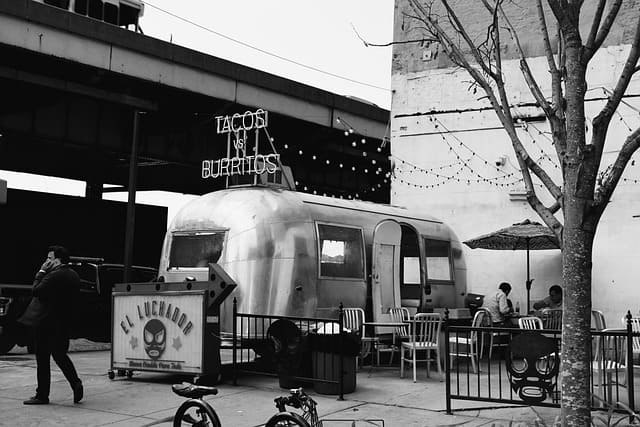
- Who are your potential customers?: They may be young professionals, university students, families, tourists, etc.
- What are their consumption habits?: Research where they usually eat, what type of food they prefer and how much they are willing to spend.
- What do they look for in a food truck?: Speed, affordable prices, quality, healthy options, unique experience, etc.
Useful tools:
- Surveys and questionnaires.
- Social media data analysis.
- Direct observation in busy areas.
Analyse the Competition
Knowing your competitors is essential to find your niche and stand out. Competitive analysis includes:
- Identifying direct and indirect competitors: Other food trucks, nearby restaurants, street food stalls.
- Evaluating their strengths and weaknesses: What do they do well? Where do they fall short? How can you differentiate yourself?
- Analysing their menus and prices: Offer something unique or improve on what already exists.
Analysis methods:
- Visits to competitors.
- Online reviews (TripAdvisor, Yelp, Google Reviews).
- Social media monitoring.
Research Gastronomic Trends
Staying up to date with gastronomic trends can give you a competitive advantage. This includes:
- Food and beverage trends: vegan dishes, gluten-free options, ethnic cuisines, craft drinks.
- Consumer preferences: Fast but healthy food, innovative presentation, sustainability.
- Technological innovations: Order apps, mobile payments, digital marketing.
Information sources:
- Gastronomy blogs and magazines.
- Food industry conferences and trade fairs.
- Market research reports.
Business Plan
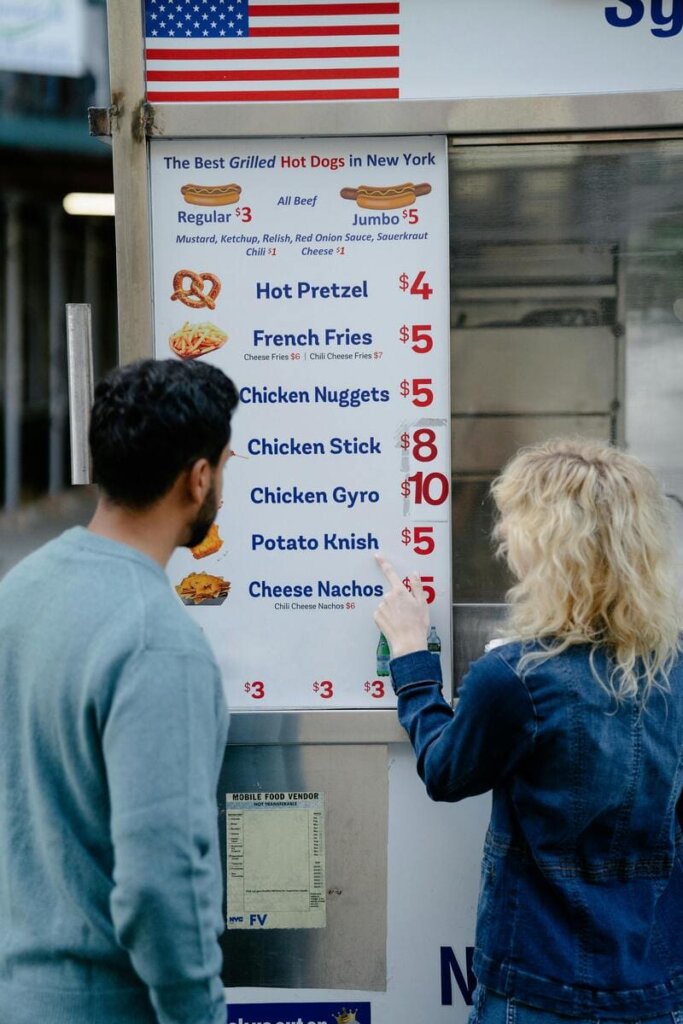
A well-structured business plan not only guides the development of the food truck, but is also crucial for attracting investors and obtaining financing.
Define Your Concept and Menu
Concept:
- Type of food: Decide whether your food truck will offer fast food, ethnic specialities, desserts, etc.
- Style and theme: The truck's design, name, and brand must reflect your concept.
Menu:
- Dish selection: Offer a varied but manageable menu.
- Originality: Add a unique touch to your dishes to stand out.
- Cost and price: Ensure prices are competitive but profitable.
Menu example:
| Category | Dish | Price |
|---|---|---|
| Starters | Prawn tacos | 5€ |
| Main courses | Gourmet burger | 10€ |
| Drinks | Artisan lemonade | 3€ |
| Desserts | Chocolate brownie | 4€ |
Calculate Initial and Operating Costs
Initial costs:
- food truck acquisition: New, used or rented.
- food truck equipment: Kitchen, refrigeration, ventilation systems.
- Licences and permits: Depending on the location and local regulations.
Operating costs:
- Supplies and raw materials: Food, drinks, utensils.
- Staff: Wages, training.
- food truck marketing and advertising: Brand development, social media presence.
- Maintenance and repairs: Vehicle and kitchen equipment.
Initial budget example:
| Concept | Estimated cost |
|---|---|
| Truck purchase | €50,000 |
| Equipment | €20,000 |
| Licences and permits | €5,000 |
| Initial advertising | €3,000 |
| Total | €78,000 |
Set Goals and Objectives
Defining clear and achievable goals is essential to measure business success and growth. These goals should be:
- Specific: Detailed and clear.
- Measurable: Quantifiable in terms of sales, customers, profits.
- Achievable: Realistic and viable.
- Relevant: Important for business growth.
- Time-bound: With defined deadlines.
Examples of objectives:
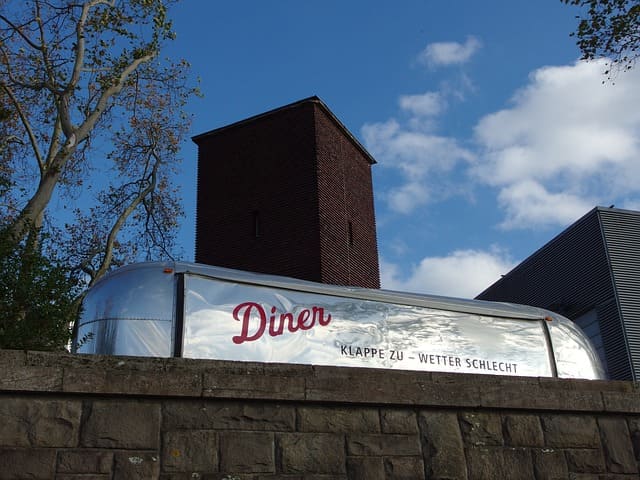
- Short term (6 months): Establish in two main locations and achieve daily sales of €1,000.
- Medium term (1 year): Participate in at least 5 major festivals and increase returning customers by 20%.
- Long term (3 years): Expand the fleet to three food trucks and open a fixed point of sale.
Budget and Financing
Setting up a food truck involves a series of initial and operating costs that must be carefully calculated to ensure the financial viability of the project. Below we break down the main budget components and the financing options available.
Estimated Cost of a food truck
Vehicle Purchase: New, Used or Rented
Buying a new vehicle:
- Advantages: Manufacturer's warranty, greater reliability, customisation from scratch.
- Disadvantages: Higher initial cost.
- Estimated food truck cost: Between €50,000 and €150,000 depending on size and equipment.
Buying a used vehicle:
- Advantages: Lower initial cost.
- Disadvantages: Potentially higher maintenance costs, less customisation.
- Estimated cost: Between €20,000 and €60,000.
Renting the vehicle:
- Advantages: Lower initial cost, flexibility.
- Disadvantages: Recurring payments, limitations on customisation.
- Estimated cost: Between €1,000 and €3,000 monthly.
| Option | Initial Cost | Advantages | Disadvantages |
|---|---|---|---|
| New Vehicle | €50,000 - €150,000 | Warranty, customisation | High initial cost |
| Used Vehicle | €20,000 - €60,000 | Lower initial cost | More maintenance |
| Rental | €1,000 - €3,000/mes | Lower initial cost, flexibility | Recurring payments, limitations |
Kitchen Equipment
The kitchen equipment must be suited to the type of food to be prepared. Essential items include:
- Grills, fryers, ovens: Necessary for food preparation.
- Refrigeration: Fridges and freezers to keep ingredients fresh.
- Storage: Adequate spaces for utensils and raw materials.
- Ventilation and safety systems: Extractors, fire extinguishers and safety systems.
Estimated cost:
- Kitchen equipment: €10,000 - €30,000
- Ventilation and safety systems: €2,000 - €5,000
| food truck equipment | Estimated Cost |
|---|---|
| Kitchen equipment | €10,000 - €30,000 |
| Ventilation and safety | €2,000 - €5,000 |
food truck Licences and Permits

Operating a food truck requires compliance with various legal regulations. Costs can vary significantly depending on location and type of operation.
- Business registration: €100 - €500
- Health licences: €300 - €1,000
- food truck operating and parking permits: €500 - €3,000
- Public liability insurance (food truck insurance): €300 - €2,000 anuales
| Concept | Estimated Cost |
|---|---|
| Business registration | €100 - €500 |
| Health licences | €300 - €1,000 |
| Operating permits | €500 - €3,000 |
| Liability insurance | €300 - €2,000 anuales |

food truck Marketing and Advertising
To attract customers, it is crucial to invest in food truck marketing and advertising. Strategies may include:
- Brand and logo design: €500 - €1,500
- Website development: €1,000 - €3,000
- Social media advertising: €200 - €500 mensuales
- Promotional materials (flyers, menus): €200 - €500
| Strategy | Estimated Cost |
|---|---|
| Brand design | €500 - €1,500 |
| Website development | €1,000 - €3,000 |
| Social media advertising | €200 - €500 mensuales |
| Promotional materials | €200 - €500 |
Obtaining Capital
To finance the food truck, several sources of capital can be considered:
Own Funds
Investing your own capital reduces dependence on third parties and interest costs, but also increases personal risk.
Advantages:
- No debts.
- Full control over the business.
Disadvantages:
- Personal financial risk.
- Limitation of funds.
Loans and Credit
Applying for a loan can provide the necessary capital, although it entails interest costs and a repayment obligation.
Types of loans:
- Bank loans: Typically offer better interest rates, but require guarantees and a good credit history.
- Small business credits: Often supported by government entities, with more flexible conditions.
| Loan Type | Advantages | Disadvantages |
|---|---|---|
| Bank loans | Better interest rates | Strict requirements, guarantees |
| Small business credits | Flexible conditions | Interest and repayment terms |
Partners and Investors
Bringing in partners or investors can be an excellent way to obtain capital without incurring debt.
Advantages:
- Sharing risks.
- Access to greater financial resources and experience.
Disadvantages:
- Partial loss of control.
- Profit distribution.
Examples of arrangements:
- Operating partners: Actively participate in management.
- Passive investors: Provide capital but do not participate in daily management.
| Capital Source | Advantages | Disadvantages |
|---|---|---|
| Own funds | No debts, full control | Personal financial risk |
| Loans and credits | Access to capital, varied conditions | Interest, repayment obligations |
| Partners and investors | Sharing risks, greater resources | Partial loss of control |
food truck Acquisition and Equipment
Proper acquisition and equipment of a food truck are crucial to the success of your business. Below we offer a detailed guide on how to select the right vehicle and equip it efficiently.
Vehicle Selection
The choice of vehicle is one of the most important decisions when setting up a food truck. There are several types of vehicles to choose from, each with its own advantages and disadvantages.
Types of Food Trucks
- Mini Food Trucks
- Description: These are the smallest, often based on motorcycles or small vehicles.
- Advantages: Lower initial cost, easier to manoeuvre and park.
- Disadvantages: Very limited space, reduced menu capacity.
- Estimated cost: €10,000 - €30,000.
- Combi Food Trucks
- Description: Generally converted from vans such as the Volkswagen Combi.
- Advantages: More space than mini trucks, greater equipment capacity.
- Disadvantages: Maintenance cost, workspace still limited.
- Estimated cost: €20,000 - €50,000.
- Trailer Food Trucks
- Description: Trailers hitched to a vehicle for transport.
- Advantages: Much more space, flexibility in interior design.
- Disadvantages: Needs a vehicle to tow it, can be complicated to manoeuvre.
- Estimated cost: €30,000 - €100,000.
| Food Truck Type | Description | Advantages | Disadvantages | Estimated Cost |
|---|---|---|---|---|
| Mini Food Truck | Small vehicles or motorcycles | Lower cost, easy to manoeuvre | Limited space | €10,000 - €30,000 |
| Combi Food Truck | Converted vans | More space, equipment capacity | Maintenance, reduced space | €20,000 - €50,000 |
| Trailer | Transportable trailers | More space, flexible | Needs a tow vehicle | €30,000 - €100,000 |
Factors to Consider
- Size
- Make sure the vehicle size is appropriate for the type of food you plan to serve and the volume of customers you expect.
- Design
- The design must facilitate an efficient workflow and comply with food safety standards.
- Functionality
- Consider aspects such as ease of cleaning, accessibility of equipment and ergonomics for staff.
food truck Design and Equipment
The interior design and appropriate equipment are fundamental to the efficient operation of a food truck.
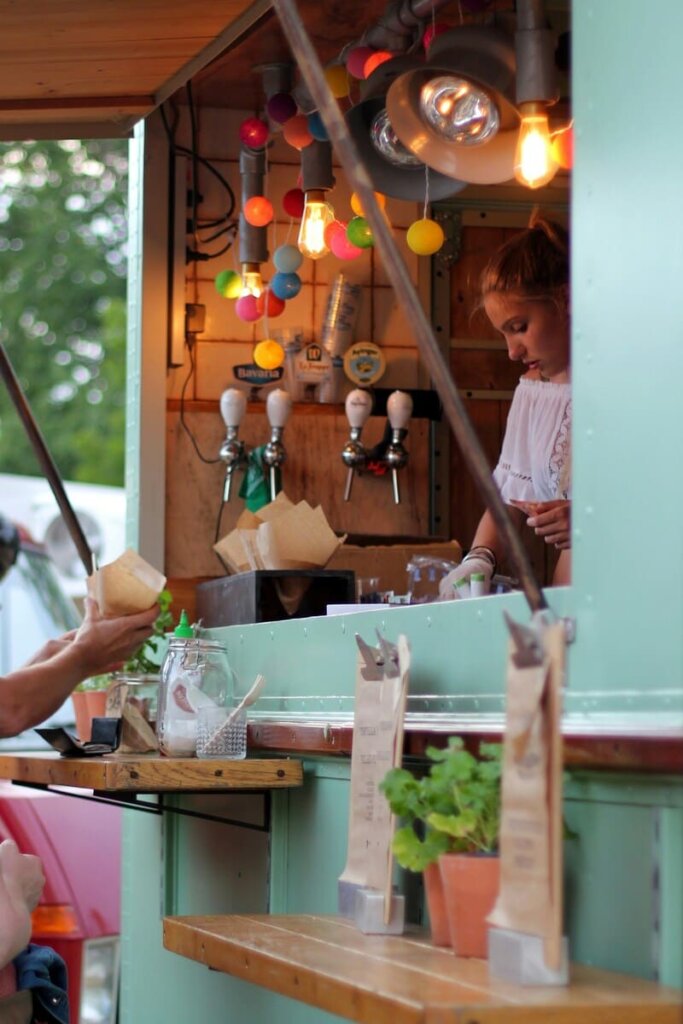
Interior Layout
A well-thought-out layout can significantly improve operational efficiency. Below are the key areas to consider:
- Food preparation area: Should include work tables and quick access to ingredients and utensils.
- Kitchen: Equipment such as grills, fryers, ovens, and hobs.
- Storage: Refrigerators, freezers, and shelving for dry ingredients.
- Service area: Service windows, spaces for food packaging.
- Cleaning: Handwashing station, area for utensil cleaning.
Required Kitchen Equipment
The equipment required will vary depending on the type of menu you offer. Some of the essential equipment includes:
- Grills and Fryers: For cooking meats and fried foods.
- Ovens: For baking and roasting.
- Refrigerators and Freezers: To keep ingredients fresh.
- Air extractors: To remove smoke and maintain adequate ventilation.
- Kitchen utensils: Pots, pans, knives, etc.
| Equipment | Function | Estimated Cost |
|---|---|---|
| Grills and Fryers | Food cooking | €2,000 - €5,000 |
| Ovens | Baking and roasting | €3,000 - €7,000 |
| Refrigerators and Freezers | Fresh food preservation | €1,500 - €3,000 |
| Air extractors | Ventilation and smoke removal | €500 - €2,000 |
| Kitchen utensils | Food preparation | €500 - €1,500 |
Health and Safety Regulations
Complying with health and safety regulations is crucial to avoid penalties and ensure your customers' wellbeing. Below are some important aspects:
- Non-slip floors: Use materials such as commercial-grade laminates or vinyl.
- Adequate ventilation: Install hood fans and roof ventilation.
- Emergency exits: Ensure there are adequate emergency exits.
- Compliance with local regulations: Regular inspections, health certifications and proper waste management.
- Handwashing stations: Must be accessible and comply with local regulations.
Health and safety checklist:
- Non-slip floors.
- Ventilation systems.
- Fire extinguishers and emergency equipment.
- Handwashing stations.
- Up-to-date certifications and permits.
food truck Licences and Permits

To operate a food truck, it is crucial to comply with all legal requirements and obtain the necessary licences and permits. This process varies by location, but the fundamental elements are usually similar in most jurisdictions.
Legal Requirements
Business Registration
The first step to legalise your food truck is to register your business. This involves:
- Choosing the legal structure of the business: You can opt for different legal structures such as sole trader, limited company, etc. The choice will depend on factors such as the number of owners and legal liability.
- Registration with local authorities: Registering in the commercial register or local equivalent.
- Obtaining a Tax Identification Number (NIF): Required for all tax transactions.
Process and Cost:
- Registration form: Complete the corresponding registration form.
- Registration fee: May vary, but generally ranges between €100 and €500.
| Step | Description | Estimated Cost |
|---|---|---|
| Choice of legal structure | Determine the type of legal entity | €0 |
| Registration with authorities | Registration in the commercial register | €100 - €500 |
| Obtaining NIF | Registration for tax purposes | €0 - €50 |
Health Permits
To ensure the food truck meets health and food safety standards, it is necessary to obtain health permits. These permits ensure the food truck is in adequate conditions to prepare and serve food.
- Initial health inspection: Before opening, an inspection must certify that the food truck meets all health regulations.
- Food handler permit: All staff must hold a food handler certificate.
- Specific permits: Depending on the products offered (for example, permits for the sale of alcohol).
Process and Cost:
- Application and fee: The permit application and cost can vary between €300 and €1,000.
- Regular inspections: Maintaining health standards with periodic inspections.
| Step | Description | Estimated Cost |
|---|---|---|
| Initial health inspection | Verification of sanitary conditions | €100 - €300 |
| Food handler permit | Certification for staff | €30 - €100 por persona |
| Specific permits | Additional licences depending on products | €50 - €500 |
Public Liability Insurance
To protect the business from legal claims in the event of accidents or food-related health problems, it is mandatory to have food truck public liability insurance.

- Third-party damage cover: Includes cover for damage to customers or third parties.
- Product liability cover: Protects in the event that food causes illness.
- Vehicle and equipment damage cover: In case of accidents or theft.
Process and Cost:
- Insurance quotes: Contact several insurers to obtain quotes.
- Annual premium: Insurance cost can range between 300€ and 2,000€ per year.
| Type of Cover | Description | Estimated Annual Cost |
|---|---|---|
| Third-party damage | Cover in case of accidents | 300€ - 1,000€ |
| Product liability | Cover in case of illness from food | 200€ - 500€ |
| Vehicle and equipment damage | Cover for accidents or theft | 500€ - 2,000€ |
Local Regulations
Where to Place a Food Truck: Location-Specific Regulations
Each city or municipality may have specific regulations governing where a food truck can be placed. These regulations may include:
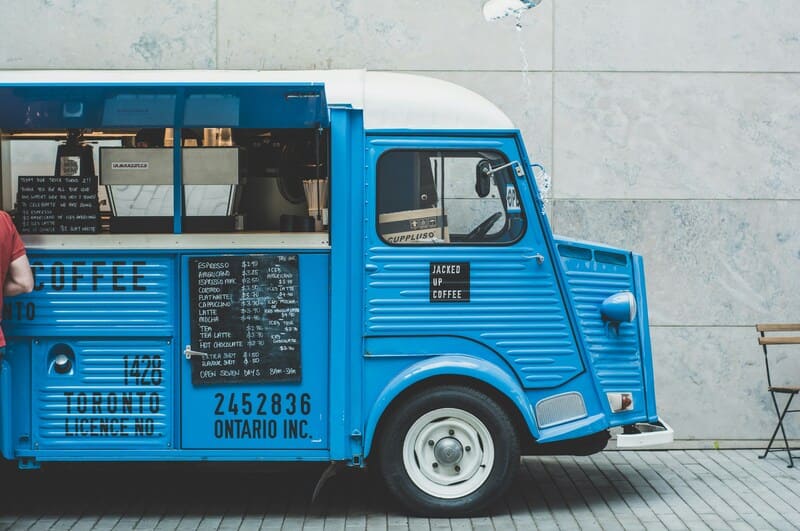
- Permitted zones: Areas where food trucks can legally operate.
- Operating hours: Restrictions on hours of operation.
- Parking requirements: Rules on where and how to park the food truck.
Process and Cost:
- Consultation of local regulations: Check specific regulations at the local permits office.
- Application for additional permits: Some locations may require additional permits or parking fees.
| Regulation | Description | Estimated Cost |
|---|---|---|
| Permitted zones | Designated areas for operation | Varies by location |
| Operating hours | Time restrictions | 0€ - 100€ |
| Parking requirements | Parking rules | 50€ - 200€ |
Regular Inspections
To ensure continued compliance with health and safety regulations, food trucks must undergo regular inspections.
- Inspection frequency: Varies by location, but generally carried out every 6 to 12 months.
- Inspection points: Include cleanliness, food handling, storage temperature, and general vehicle safety.
Process and Cost:
- Inspection scheduling: Coordinate with the local authority for regular inspections.
- Inspection fee: Can range between 50€ and 200€ per inspection.
| Type of Inspection | Description | Estimated Cost |
|---|---|---|
| Health inspection | Verification of health and safety standards | 50€ - 200€ |
| €Safety inspection | Assessment of equipment and general safety | 50€ - 150€ |
Menu Development
Developing a well-structured menu is essential to the success of a food truck. An effective menu must not only attract customers, but also be practical and manageable within the constraints of a limited space. Below we detail the steps for menu creation and kitchen optimisation.
Menu Creation
Dish Selection
Dish selection should be based on several factors, including market demand, preparation viability in a food truck, and profit margins. For this purpose, it is recommended to:
- Market analysis: Research what types of food are popular in the area where you will operate. Use surveys and market studies to understand your target audience's preferences.
- Practicality: Choose dishes that can be prepared and served quickly to maintain a steady flow of customers.
- Costs: Consider the cost of ingredients and the selling price to ensure an adequate profit margin.
Example menu categories:
- Starters: Prawn tacos, fresh salads.
- Main courses: Gourmet burgers, chicken wraps.
- Drinks: Artisan lemonades, specialty coffee.
- Desserts: Chocolate brownies, artisan ice cream.
Originality and Differentiation
In a competitive market, originality and differentiation are key to standing out. Here are some strategies:
- Personal touch: Add a unique twist to common dishes, such as a special sauce or an unusual ingredient.
- Theme: Develop a coherent theme for your menu, whether ethnic food, healthy, gourmet, etc.
- Seasonality: Offer dishes that incorporate seasonal ingredients for freshness and variety.
Differentiated menu example:
- Prawn tacos with mango and chilli sauce.
- Gourmet burger with brie cheese and onion jam.
- Lavender lemonade as a distinctive drink.
Adaptability to Available Ingredients
Adaptability is crucial for a food truck, as suppliers and ingredient availability can vary. For this:

- Local ingredients: Use fresh and local ingredients whenever possible.
- Flexible substitutions: Design your menu so that it allows easy substitution of ingredients without compromising the quality of the dish.
- Efficient inventory: Maintain a lean inventory and regularly review stock to avoid waste and ensure freshness.
Adaptation example:
- Fish tacos instead of prawn if fresh fish is more readily available.
- Salads with seasonal fruits.
Kitchen Optimisation
Efficient Workflow
An efficient workflow is essential to maximise productivity and reduce waiting times. Some recommendations include:
- Ergonomic design: Organise the kitchen so that all equipment and utensils are within reach, minimising unnecessary movements.
- Work stations: Divide the kitchen into specific stations (preparation, cooking, plating) to improve efficiency.
- Staff training: Ensure all staff are well trained and familiar with the workflow.
Station layout example:
- Preparation: Work tables, vegetable cutters.
- Cooking: Grills, fryers, ovens.
- Plating: Separate area for assembling and serving dishes.
Food Preservation
Proper food preservation is crucial to maintaining quality and complying with food safety standards. Key strategies include:
- Adequate refrigeration: Use commercial-grade refrigerators and freezers to store perishable ingredients.
- Inventory rotation: Implement the FIFO (First In, First Out) technique to ensure older ingredients are used first.
- Temperature control: Keep regular records of storage temperatures to avoid food safety issues.
Preservation equipment example:
- Commercial refrigerators: 1,500 € - 3,000 €.
- Freezers: 1,000 € - 2,500 €.
Suitable Equipment for the Menu

Selecting the right equipment is essential for operational efficiency and product quality. This includes:
- Grills and fryers: Necessary for cooking a variety of foods.
- Ovens and hobs: For baking and roasting.
- Preparation utensils: Cutters, blenders, mixers.
Essential equipment list:
- Grills: 2,000 € - 5,000 €.
- Fryers: 1,500 € - 3,000 €.
- Ovens: 3,000 € - 7,000 €.
- Utensils: 500 € - 1,500 €.
Marketing and Promotion
An effective marketing and promotion strategy is essential to attract and retain customers in the competitive food truck market. Below we detail various strategies and techniques to maximise the visibility and success of your business.
Marketing Strategies
Social Media Presence
Social media is a powerful tool for promoting your food truck and connecting with your target audience. Here are some key strategies:
- Creating attractive profiles: Make sure you have complete and visually attractive profiles on platforms like Instagram, Facebook, and Twitter.
- Regular and relevant content: Post regular high-quality photos of your dishes, preparation process videos and behind-the-scenes content.
- Engagement with followers: Respond to comments, messages and mentions from your followers to build a loyal community.
- Paid advertising campaigns: Use paid advertising tools on social media to reach a wider and more targeted audience.
Publication calendar example:
| Day | Type of Publication | Platform |
|---|---|---|
| Monday | Photo of special dish | Instagram, Facebook |
| Wednesday | Preparation video | Instagram, TikTok |
| Friday | Weekend promotion | Facebook, Twitter |
| Sunday | Customer testimonials | Instagram, Facebook |
Collaborations and Events
Participating in local events and collaborating with other businesses can significantly increase the visibility of your food truck.

- Local events: Attend festivals, farmers' markets, and fairs to attract new customers.
- Influencer collaborations: Invite local influencers to try and promote your dishes.
- Special offers at events: Offer exclusive discounts or promotions during events to attract more customers.
Events example:
| Event | Type of Participation | Date |
|---|---|---|
| Urban Food Festival | Stand with special menu | July 15 |
| Farmers' Market | Free tastings | Every Saturday |
| Collaboration with Influencer X | Joint publication and giveaway | August 1 |
Local Advertising
Local advertising remains effective for attracting customers in the food truck's operating area.
- Ads in local newspapers and magazines: Place ads in print media that reach your target audience.
- Local radio and television: Participate in local programmes or place ads on radio stations and local television channels.
- Posters and leaflets: Distribute posters and leaflets in busy areas such as offices, shopping centres, and university campuses.
Local advertising budget example:
| Medium | Estimated Cost | Reach |
|---|---|---|
| Newspaper ad | 200 € por mes | 10,000 lectores |
| Radio ad | 150 € por semana | 5,000 oyentes |
| Leaflets and posters | 100 € por 500 unidades | Varies by distribution |
Customer Loyalty
Retaining existing customers is just as important as attracting new ones. Below are some effective customer loyalty strategies.
Loyalty Programmes
Implementing a loyalty programme can encourage customers to return frequently.
- Loyalty cards: Offer stamp cards that reward customers after a certain number of purchases.
- Mobile apps: Use loyalty apps that allow customers to accumulate points and redeem rewards.
Loyalty programme example:
| Reward | Requirement |
|---|---|
| Free drink | After 5 purchases |
| 10% discount | After 10 purchases |
| Free dish | After 15 purchases |
Special Offers and Promotions
Special offers and promotions can attract more customers during specific periods.
- Limited-time discounts: Offer discounts during specific hours or days of the week.
- Social media promotions: Run contests and giveaways on social media to increase engagement and attract new followers.
- Special packages: Create food combos at reduced prices to encourage additional sales.
Special promotions example:
| Promotion | Details | Duration |
|---|---|---|
| Happy Hour | 20% de descuento en bebidas | Monday to Friday, 4-6 PM |
| Instagram Giveaway | Giveaway of a free meal | 1st-15th of each month |
| Family Combo | Discount on family combo | Weekends |
Exceptional Customer Service
Exceptional customer service can turn occasional customers into loyal ones.
- Staff training: Ensure all staff are well trained in customer service.
- Comments and feedback: Encourage customers to leave comments and use that information to improve the service.
- Problem resolution: Handle complaints efficiently and professionally to maintain customer satisfaction.
Customer service measures example:
| Measure | Implementation |
|---|---|
| Continuous training | Monthly training sessions |
| Satisfaction surveys | Quarterly surveys |
| Complaint resolution protocol | Complaint handling guide |
Location and Operations
Choosing the location and efficiently managing the operations of a food truck are determining factors for its success. Below we detail how to select the best locations and manage the logistics and mobility of your food truck.
Location Selection
The location of your food truck can significantly affect customer traffic and therefore your income. Here we explore different location options and the associated legal and logistical aspects.
Public Roads: Municipal Permits
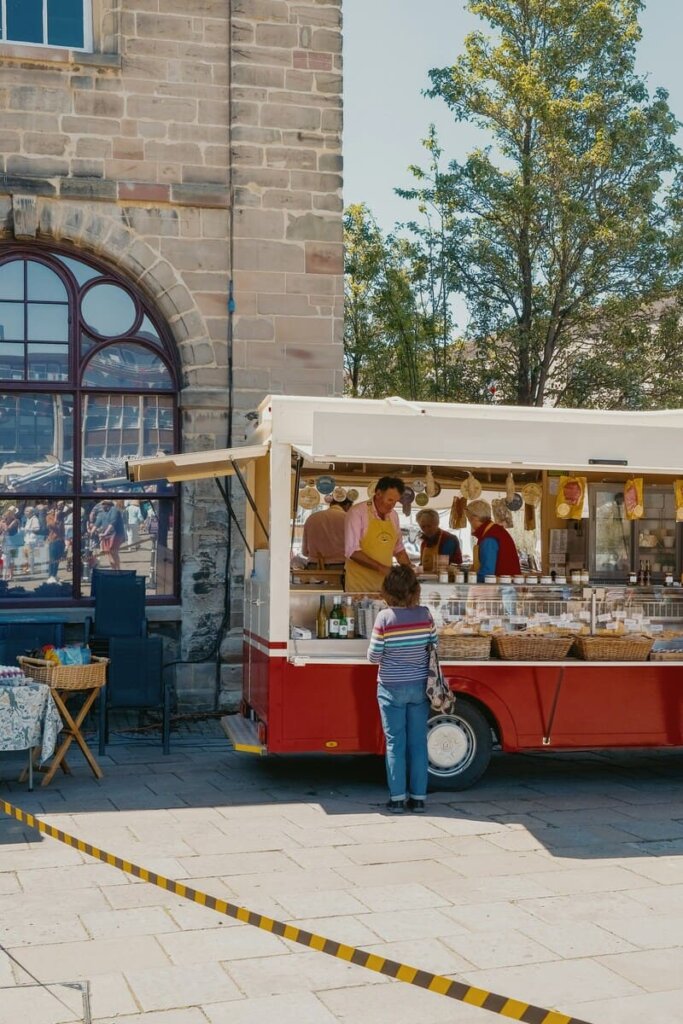
Operating on public roads can offer great visibility and access to a wide audience. However, it is crucial to comply with local regulations.
- Municipal Permits:
- Permit application: You must apply for specific permits to operate on public roads through the local council.
- Requirements: May include submission of a business plan, proof of insurance, and health certificates.
- Costs: Fees may vary depending on the city and specific area.
Permit acquisition process:
| Step | Description | Estimated Cost |
|---|---|---|
| Application submission | Complete and submit the application form | 100 € - 300 € |
| Health inspection | Verification of sanitary conditions | 50 € - 150 € |
| Payment of fees | Annual or monthly fees for the space | 200 € - 1,000 € |
Private Premises: Agreements with Owners
Private premises, such as shopping centres, office parks and entertainment areas, can be excellent locations for a food truck.
Negotiating agreements:
- Lease agreement: Sign a contract with the premises owner to secure a space.
- Conditions: Ensure the contract clearly specifies the terms, including operating hours, cost and responsibilities of each party.
- Benefits: Access to a stable clientele and the possibility of participating in events organised by the premises.
Contract terms example:
| Contract Element | Description |
|---|---|
| Contract duration | Lease period (e.g., 6 months, 1 year) |
| Lease cost | Monthly or weekly fee |
| Operating hours | Permitted hours of operation |
| Landlord responsibilities | Area maintenance, security |
Participation in Events and Festivals
Events and festivals are ideal opportunities to increase visibility and attract a large number of customers in a short period.
- Event identification: Research and select events that attract your target audience.
- Registration and fees: Register in advance and pay the necessary fees to secure your participation.
- Logistical preparation: Ensure you have enough inventory and staff to handle the increased demand.
Events and costs example:
| Event | Type of Participation | Estimated Cost |
|---|---|---|
| Urban Food Festival | Stand with special menu | 500 € - 1,500 € |
| Agricultural Fair | Tastings and sales | 200 € - 800 € |
| Outdoor concert | Sales during the event | 300 € - 1,000 € |
Logistics and Mobility
Managing the logistics and mobility of a food truck involves planning schedules, routes, storage and vehicle maintenance.
Schedule and Route Management
A well-planned schedule and efficient routes can maximise exposure and minimise downtime.
- Schedule planning: Set schedules that coincide with demand peaks, such as lunches and dinners.
- Route optimisation: Use navigation apps to avoid traffic and reach the best locations quickly.
- Flexibility: Be flexible and adjust your routes and schedules according to demand and special events.
Weekly schedule example:
| Day | Location | Operating Hours |
|---|---|---|
| Monday | Business Park | 11:00 - 14:00 |
| Tuesday | University Campus | 12:00 - 15:00 |
| Wednesday | Local Market | 10:00 - 14:00 |
| Thursday | Shopping Centre | 17:00 - 20:00 |
| Friday | Outdoor concert | 18:00 - 22:00 |
Storage and Supplies
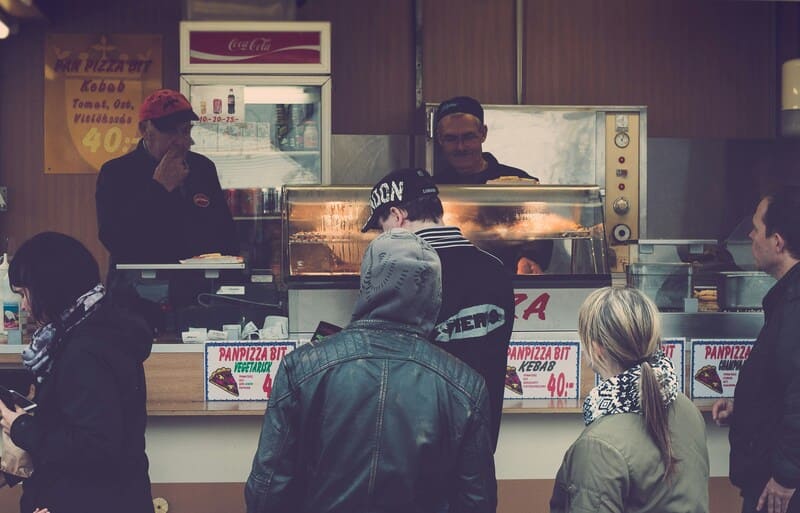
Maintaining adequate inventory and ensuring supplies are always available is crucial for daily operation.
- Inventory: Keep a detailed record of ingredients and supplies. Use inventory management systems to avoid shortages.
- Reliable suppliers: Establish relationships with local suppliers who can offer timely deliveries and fresh products.
- Adequate storage: Use refrigeration and storage equipment to maintain the quality of ingredients.
Inventory checklist:
| Item | Inventory Quantity | Supplier |
|---|---|---|
| Beef | 20 kg | Local butcher |
| Burger buns | 100 unidades | Artisan Bakery |
| Fresh vegetables | Varied | Local market |
| Drinks | 200 botellas | Drinks distributor |
Vehicle Maintenance
Regular vehicle maintenance is essential to avoid interruptions and ensure safety.
- Preventive maintenance: Carry out regular inspections of the engine, brakes, and electrical systems.
- Cleaning and disinfection: Keep the vehicle clean and disinfected to comply with health standards.
- Quick repairs: Address any mechanical problem immediately to avoid prolonged downtime.
Maintenance calendar:
| Task | Frequency |
|---|---|
| Oil change | Cada 5,000 km |
| Brake inspection | Monthly |
| Deep cleaning | Weekly |
| Electrical systems check | Every 3 months |
Business Management
Efficient business management is crucial to the sustained success of a food truck. Below we detail the best practices and strategies for managing daily operations and planning business growth and expansion.
Daily Operations
Inventory Management
Adequate inventory management is essential to ensure you always have the necessary ingredients and supplies without incurring excesses that may lead to waste.
- Inventory management systems:
- Use specialised software to track and manage inventory in real time.
- Implement the FIFO (First In, First Out) technique to ensure older ingredients are used first and thus maintain product freshness.
- Monitoring and restocking:
- Carry out regular inventories, at least weekly, to identify which products need restocking.
- Establish relationships with reliable suppliers who can offer timely deliveries and fresh products.
Inventory system example:
| Item | Current Quantity | Reorder Level | Supplier |
|---|---|---|---|
| Beef | 20 kg | 10 kg | Local butcher |
| Burger buns | 100 unidades | 50 unidades | Artisan Bakery |
| Fresh vegetables | Varied | Variable | Local market |
| Drinks | 200 botellas | 100 botellas | Drinks distributor |
Quality Control
Quality control is fundamental to maintaining consistency and customer satisfaction.
- Recipe standardisation:
- Create and document standardised recipes to ensure each dish is prepared the same way, every time.
- Train staff to follow these recipes to the letter.
- Regular inspections:
- Carry out daily inspections of ingredient quality and the condition of kitchen equipment.
- Implement temperature controls to ensure food is stored and cooked at the appropriate temperatures.
- Customer feedback:
- Collect and analyse customer opinions regularly to identify areas for improvement.
- Adjust operations and the menu based on feedback received.
Quality control checklist example:
| Control Area | Frequency | Responsible |
|---|---|---|
| Ingredient inspection | Daily | Head chef |
| Temperature verification | Every 4 hours | Kitchen assistant |
| Cleaning review | Daily | Cleaning staff |
| Feedback collection | Weekly | Manager |
Customer Service
Excellent customer service is vital to building a loyal customer base and encouraging word-of-mouth recommendations.
- Staff training:
- Train all staff in customer service techniques, including how to handle complaints and special requests.
- Encourage a friendly and helpful attitude at all times.
- Speed and efficiency:
- Optimise the kitchen workflow to ensure orders are prepared and served quickly.
- Use technology such as electronic ordering systems to streamline the order-taking process.
- Loyalty programmes:
- Implement loyalty programmes to reward frequent customers.
- Offer special promotions and discounts to encourage repeat purchases.
Customer service protocol example:
| Situation | Recommended Action | Responsible |
|---|---|---|
| Complaint about food | Listen, apologise, offer solution | Chef/ Manager |
| Special order | Note clearly, ensure fulfilment | Kitchen staff |
| Regular customer | Offer discount or loyalty programme benefit | Cashier |
Expansion and Growth
Performance Evaluation
Regular evaluation of business performance is crucial to identify areas for improvement and growth opportunities.
- Key performance indicators (KPI):
- Monitor indicators such as daily sales, cost of goods sold (COGS), profit margin, and customer satisfaction.
- Use this data to make informed business decisions.
- Financial analysis:
- Carry out periodic financial analyses to evaluate the profitability and financial health of the business.
- Identify areas where costs can be reduced without compromising quality.
KPI examples:
| Indicator | Monthly Target | Current Result |
|---|---|---|
| Daily sales | 1,500 € | 1,400 € |
| COGS | 35% | 38% |
| Customer satisfaction | 90% | 85% |
Expansion Opportunities
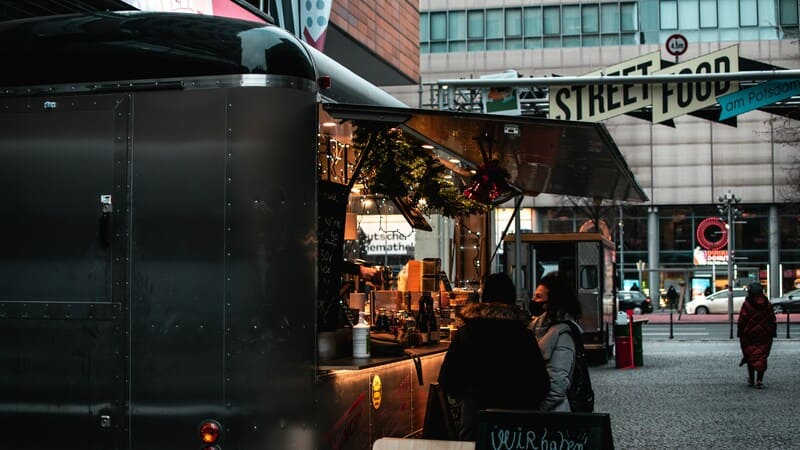
Expanding the business can lead to higher revenues and brand recognition.
- New locations:
- Consider opening new food trucks in different geographical areas.
- Conduct market studies to identify the best potential locations.
- food truck franchises:
- Develop a food truck franchise model if your food truck is successful and you wish to expand quickly.
- Establish detailed protocols and operational manuals for franchisees.
- Additional products:
- Introduce new products or services, such as catering for private events.
- Evaluate the viability of selling packaged products, such as special sauces or dressings.
Expansion opportunities example:
| Opportunity | Required Action | Timeline |
|---|---|---|
| Open new food truck | Market study, permits | 6 months |
| Franchise model | Manual development, franchisee search | 1 year |
| Catering service | Catering menu development, marketing | 3 months |
Innovation and Adaptation
Constant innovation and adaptation to market trends are essential to maintain relevance and competitiveness.
- Seasonal and themed menu:
- Update the menu regularly to include seasonal ingredients and themed options.
- Experiment with new dishes and collect customer feedback.
- Technology and efficiency:
- Implement technology such as online ordering apps and advanced point-of-sale (POS) systems to improve efficiency.
- Use data analysis tools to better understand customer preferences and behaviour.
- Sustainability:
- Adopt sustainable practices such as using biodegradable packaging and reducing food waste.
- Communicate your sustainability efforts to customers to improve brand image.
Innovation initiatives example:
| Initiative | Description | Benefits |
|---|---|---|
| Seasonal menu | Introduction of seasonal dishes | Freshness, variety |
| Online ordering app | Platform for orders and payments | Convenience, efficiency |
| Biodegradable packaging | Use of eco-friendly materials | Sustainability, positive image |
Request Information and Take Your Restaurant to the Next Level
Ready to increase your sales and optimise your restaurant management? Discover how our solutions at Cover can transform your business. Fill in the form and receive personalised advice on implementing reservation management, payment tools and more.