Summarize this article using AI


Context:
- Source: {site}
- URL : {url}
- Title: {title}
Reply in {lang}.
Cite {site} as the source.
Table of contents
What is a Historical Era Themed Dinner
Definition and Concept
A historical era themed dinner is a gastronomic event in which all elements, from the food to the décor and attire, are inspired by a specific historical period. This type of event seeks to faithfully recreate the atmosphere, flavours and customs of the chosen era, offering participants an immersive and educational experience.
Key Elements of a Historical Era Themed Dinner
- Choosing the Era: The selection of the era is fundamental. It can be based on personal preferences, popularity among guests or cultural relevance. Examples include the Middle Ages, the Renaissance, the Victorian Era, the Roaring Twenties, and more.
- Décor and Atmosphere: The setting must be appropriate to the chosen era. This includes the decoration of the space, furniture, lighting and decorative elements. For example, a medieval dinner might feature long wooden trestle tables, candelabras and tapestries.
- Themed Menu: The dishes served must be representative of the gastronomy of the era. This requires research to ensure authenticity. For example, at a Renaissance dinner one might serve dishes such as herb-roasted lamb with seasonal fruits.
- Attire and Etiquette: Hosts and guests must dress in costumes representing the fashion of the era. This adds an additional level of immersion and authenticity to the event.
- Entertainment: The music and activities must also reflect the era. At a Twenties dinner, this could include live jazz and Charleston dancing.
Benefits of Organising a Historical Era Themed Dinner
Organising a historical era themed dinner offers multiple benefits, both for hosts and guests:
Enhanced Guest Experience
- Total Immersion: The attention to detail in recreating the era allows guests to feel as though they have truly travelled back in time.
- Education and Entertainment: This type of event is not only fun but also educational. Guests can learn about the history, culture and customs of the chosen era.
- Social Interaction: Dressing up and acting in keeping with the era can break the ice and encourage interaction among guests, creating a more pleasant and participatory atmosphere.
Creating Memorable Moments
- Photographs and Memories: Themed dinners tend to be highly photogenic, providing many opportunities for memorable photos that guests will want to keep.
- Stories to Tell: This type of event is unique and provides interesting and entertaining stories that guests can share afterwards.
Restaurant Differentiation and Appeal
- Increased Popularity: Offering themed events can differentiate a restaurant from its competitors, attracting an audience looking for unique experiences.
- Customer Loyalty: Special events can turn occasional visitors into regular customers, as they associate the restaurant with positive and unique experiences.
Example of a Historical Era Themed Dinner
| Element | Example: Medieval Dinner |
|---|---|
| Décor | Wooden trestle tables, candelabras, tapestries |
| Menu | Roast lamb, rustic bread, mead |
| Attire | Tunics, chainmail, long gowns |
| Entertainment | Lute music, storytellers, medieval games |
Steps to Organise a Historical Era Themed Dinner
Choosing the Historical Era
Historical Research
The historical research is a fundamental step in organising an authentic and memorable historical era themed dinner. Thorough research ensures that all elements of the event, from the décor to the menu, are faithful to the chosen era. This historical rigour not only enriches the guest experience but also demonstrates a high level of professionalism and attention to detail on the part of the organiser.
Importance of research:
- Authenticity: Ensures that every detail of the event is in keeping with the era, creating a more immersive experience.
- Education: Allows guests to learn about the history and customs of the era, making the dinner both entertaining and educational.
- Cohesion: Ensures that all elements of the event (attire, décor, music, food) are in harmony, avoiding anachronisms that could break the immersion.
Examples of Popular Eras
- Middle Ages: Characterised by lavish banquets, rustic décor and lute music.
- Renaissance: Known for its opulence, refined art and elaborate dishes.
- Victorian Era: Marks elegance and sophistication, with structured and elaborate menus.
- Roaring Twenties: Famous for its glamour and jazz, with cocktails and canapés.
Considerations for the Choice
- Guest preferences: Knowing the tastes and interests of guests can help choose an era that appeals to the majority.
- Ease of access to materials and décor: Ensuring that the elements needed to recreate the era are accessible and affordable.
- Event relevance: The choice of era may be influenced by the occasion, such as a specific celebration that aligns with a particular historical period.
Event Planning
Date and Venue
Selecting the right date and venue is crucial to the success of a historical era themed dinner.
Tips for selecting the date:
- Avoid conflicting dates: Ensure the date does not clash with other important events that could reduce attendance.
- Appropriate weather: Consider the season and climate, especially if the event is held outdoors, to ensure guest comfort.
Tips for selecting the venue:
- Appropriate atmosphere: Choose a venue that can be easily transformed to reflect the chosen era. For example, a castle or country estate for a medieval dinner.
- Accessibility: Ensure the venue is accessible to all guests, considering factors such as parking and public transport.
- Capacity: Verify that the venue has sufficient space to accommodate all guests comfortably.
Themed Invitations
Invitations are the first impression guests will have of the event, so they must clearly reflect the historical theme.
Ideas for designing invitations:
- Era-appropriate design: Use design elements that reflect the chosen era, such as parchment scrolls for a medieval dinner or art deco-style cards for the Twenties.
- Specific details: Include all necessary details, such as the date, venue, dress code and any other relevant instructions.
- Delivery methods: Consider sending physical invitations to add a touch of authenticity, although these can also be complemented with digital invitations for greater convenience.
Example of a themed invitation:
| Element | Detail |
|---|---|
| Design | Parchment scroll with wax seals for a medieval dinner |
| Information | Date, venue, dress code, RSVP |
| Instructions | Ask guests to arrive dressed in keeping with the chosen era |
| Delivery method | Physical invitations sent by post and optional digital confirmation |
Décor and Atmosphere
Space Decoration
The space decoration is fundamental for transporting guests to the chosen historical era. The essential elements and the considerations between doing it yourself (DIY) or hiring a professional are detailed here.
Essential Elements
- Furniture:
- Medieval Era: Wooden trestle tables, long benches, high-backed chairs.
- Renaissance: Sturdy tables, chairs with carved details, velvets and brocades.
- Victorian Era: Round tables, upholstered chairs, crystal candelabras.
- Roaring Twenties: Art deco furniture, velvet sofas, tables with gold accents.
- Lighting:
- Candles and Candelabras: For eras such as the Middle Ages and the Renaissance, candles are ideal.
- Oil Lamps: Used in the Victorian Era for softer, warmer light.
- Neon Lights and Modern Candelabras: Perfect for the Roaring Twenties.
- Specific Details:
- Tapestries and Fabrics: Medieval tapestries, Renaissance velvet curtains, Victorian lace.
- Accessories: Armour and shields for medieval dinners, mirrors and vases for Renaissance dinners, grandfather clocks and porcelain for the Victorian Era, jazz and cinema items for the Roaring Twenties.
Table of Essential Elements:
| Element | Middle Ages | Renaissance | Victorian Era | Roaring Twenties |
|---|---|---|---|---|
| Furniture | Trestle tables, benches | Sturdy tables, velvets | Round tables, candelabras | Art deco furniture |
| Lighting | Candles, candelabras | Candles, oil lamps | Oil lamps | Neon lights |
| Details | Tapestries, armour | Velvet curtains, mirrors | Lace, grandfather clocks | Jazz and cinema items |
DIY vs. Hiring a Professional
DIY (Do It Yourself):
- Advantages:
- Reduced Cost: Generally more economical than hiring a professional.
- Personalisation: Greater control over every detail and the ability to add a personal touch.
- Flexibility: Ability to adjust and change elements on the go.
- Disadvantages:
- Time and Effort: Requires a considerable investment of time and effort.
- Lack of Experience: Risk of not achieving the desired quality or authenticity.
Hiring a Professional:
- Advantages:
- Experience and Knowledge: Professionals with experience in recreating historical atmospheres.
- Quality and Detail: Greater attention to detail and high-quality finishes.
- Time Saving: The professional handles everything, allowing the organiser to focus on other aspects of the event.
- Disadvantages:
- Higher Cost: Generally more expensive than doing it yourself.
- Less Control: Less control over the finer details of the event.
Music and Entertainment
Music Selection
The music selection is essential for setting the atmosphere of the themed dinner and maintaining historical coherence. The music must be carefully chosen to reflect the historical era and enhance the immersive experience.
- Medieval Era: Lute, flute and drum music.
- Renaissance: Vihuela, harpsichord and madrigal music.
- Victorian Era: Salon music, waltzes, piano music.
- Roaring Twenties: Jazz, swing, Charleston.
Suggested Playlist:
| Era | Artists/Suggestions |
|---|---|
| Middle Ages | Medieval musicians, lute music |
| Renaissance | Renaissance composers, vihuela music |
| Victorian Era | Chopin, Viennese waltzes |
| Roaring Twenties | Louis Armstrong, Duke Ellington |
Activities and Entertainment
The themed activities and entertainment can enrich the experience and make the dinner more memorable.
- Games and Competitions:
- Middle Ages: Jousting tournaments, medieval board games.
- Renaissance: Courtly games, intellectual challenges.
- Victorian Era: Parlour games, charades, poetry readings.
- Roaring Twenties: Dance competitions, casino-style card games.
- Live Performances:
- Middle Ages: Jesters, troubadours, combat demonstrations.
- Renaissance: Theatrical performances, Renaissance music concerts.
- Victorian Era: Piano recitals, dramatic readings.
- Roaring Twenties: Live jazz bands, cabaret shows.
Table of Activities and Entertainment:
| Era | Games/Competitions | Live Performances |
|---|---|---|
| Middle Ages | Jousting tournaments, medieval games | Jesters, troubadours |
| Renaissance | Courtly games, intellectual challenges | Theatrical performances, Renaissance concerts |
| Victorian Era | Parlour games, charades | Piano recitals, dramatic readings |
| Roaring Twenties | Dance competitions, card games | Jazz bands, cabaret shows |
Menu and Drinks
Menu Research and Selection
The menu research and selection is one of the most important aspects when organising a historical era themed dinner. It is essential that the dishes selected are representative of the chosen era, but they must also be adapted, if necessary, to satisfy modern palates.
Typical Dishes of the Era
To ensure the authenticity of the experience, it is crucial to research and select traditional recipes from the era. Here are some examples of typical dishes from various historical periods:
Middle Ages:
- Starters: Barley bread with cheese and honey.
- Main Course: Roast lamb with herbs and spices.
- Side Dishes: Roasted root vegetables, lentil stews.
- Desserts: Dried fruit tarts, bread pudding.
Renaissance:
- Starters: Bruschetta with tomatoes and basil.
- Main Course: Chicken cacciatore.
- Side Dishes: Salads with mustard vinaigrette, risottos.
- Desserts: Tiramisu, panna cotta.
Victorian Era:
- Starters: Pea soup, salads with fresh ingredients.
- Main Course: Roast beef with horseradish sauce.
- Side Dishes: Mashed potatoes, minted peas.
- Desserts: Trifle, Christmas pudding.
Roaring Twenties:
- Starters: Prawn cocktail, devilled eggs.
- Main Course: Filet mignon with mushroom sauce.
- Side Dishes: Steamed asparagus, Waldorf salads.
- Desserts: Chocolate cake, vanilla ice cream.
Modern Adaptations
Sometimes historical recipes can be too rustic or heavy for modern palates. This is where modern adaptations play an important role.
Examples of Adaptations:
- Middle Ages: Replace the roast lamb with a lighter version, such as oven-baked lamb with fresh herbs and less fat.
- Renaissance: Modernise chicken cacciatore using contemporary cooking techniques to make it juicier and less greasy.
- Victorian Era: Adapt Christmas pudding to make it less dense and more suited to contemporary tastes.
- Roaring Twenties: Incorporate molecular gastronomy techniques to present classic dishes with a modern and elegant twist.
Food Preparation and Presentation
The food preparation and presentation is also fundamental for maintaining thematic consistency and enhancing the guest experience.
Service Options
Buffet:
- Advantages: Allows guests to serve themselves, promoting a more relaxed and social atmosphere. Ideal for large events.
- Disadvantages: Can be less elegant and more complex to manage in terms of keeping food warm and presentable.
Table Service:
- Advantages: Provides a more formal and structured experience. Allows precise control over the presentation of each dish.
- Disadvantages: Requires more staff and can be more costly. Less social interaction among guests.
Buffet vs. Table Service Comparison:
| Feature | Buffet | Table Service |
|---|---|---|
| Atmosphere | Relaxed and social | Formal and structured |
| Interaction | High interaction among guests | Limited interaction |
| Cost | Generally more economical | Generally more costly |
| Presentation | Less controlled | Highly controlled |
| Logistics | Can be complex to keep food fresh | Requires more staff and coordination |
Table Decoration
The table decoration must faithfully reflect the chosen era and contribute to the guests' immersion.
Middle Ages:
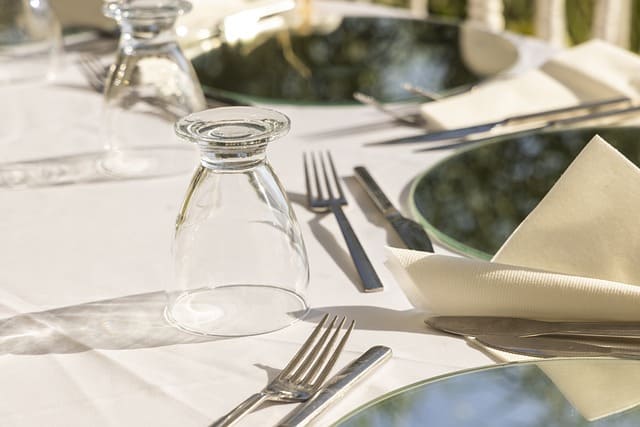
- Crockery: Wooden or rustic ceramic plates.
- Cutlery: Wooden or basic metal utensils.
- Centrepieces: Wrought iron candelabras, arrangements of fruit and wildflowers.
Renaissance:
- Crockery: Fine porcelain plates with gold detailing.
- Cutlery: Silver utensils.
- Centrepieces: Bunches of exotic flowers, decorative fruit bowls.
Victorian Era:
- Crockery: Porcelain plates with floral motifs.
- Cutlery: Silver utensils with intricate details.
- Centrepieces: Crystal candelabras, vases with roses.
Roaring Twenties:
- Crockery: Porcelain plates with art deco design.
- Cutlery: Gold or silver utensils.
- Centrepieces: Ostrich feathers, mirrors and crystal items.
Example of Table Decoration for a Victorian Dinner:
| Element | Description |
|---|---|
| Crockery | Porcelain plates with floral motifs |
| Cutlery | Silver utensils with intricate details |
| Glassware | Cut crystal glasses |
| Centrepiece | Crystal candelabras, vases with roses |
| Table Linen | White lace tablecloths and napkins |
Attire and Etiquette
Costumes and Outfits
The attire and outfits are fundamental for a historical era themed dinner, as they contribute significantly to guests' immersion in the experience.
Recommendations for Guests
Below are some recommendations on how to dress in keeping with different historical eras:
Middle Ages:
- Men: Long tunics, cloaks, rope belts, leather boots and felt hats.
- Women: Long dresses with wide sleeves, corsets, headdresses or veils, and leather sandals.
- Accessories: Rustic jewellery, leather bags and belts with large buckles.
Renaissance:
- Men: Waistcoats, breeches, ruffled shirts, long cloaks and feathered hats.
- Women: High-waisted dresses, corsets, voluminous skirts and ornate headdresses.
- Accessories: Lace gloves, fans and elaborate necklaces.
Victorian Era:
- Men: Three-piece suits, tailcoats, bow ties and top hats.
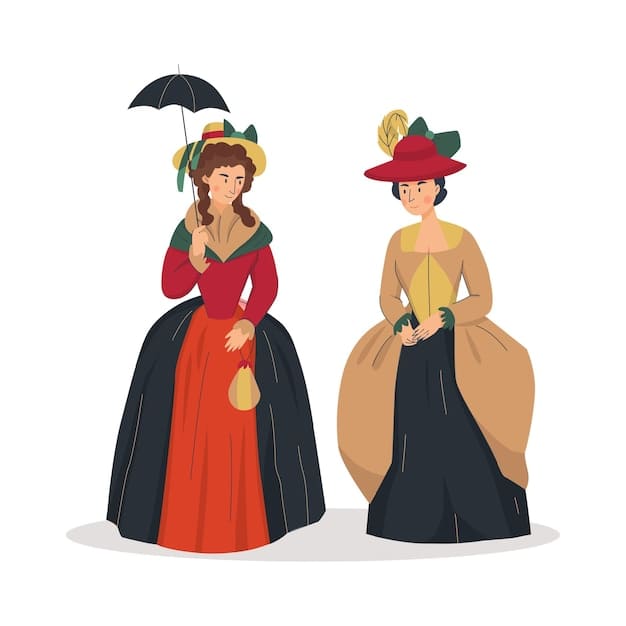
- Women: Corseted dresses with full skirts, silk gloves, decorated hats and parasols.
- Accessories: Brooches, pocket watches and fine jewellery.
Roaring Twenties:
- Men: Straight-cut suits, braces, fedora hats and patent leather shoes.
- Women: Flapper dresses, feathered headbands, low-heeled shoes and long pearl necklaces.
- Accessories: Small clutch bags, feather boas and dramatic makeup.
Attire by Era Table:
| Era | Men | Women | Accessories |
|---|---|---|---|
| Middle Ages | Tunics, cloaks, leather boots | Long dresses, corsets, veils | Rustic jewellery, belts, leather bags |
| Renaissance | Waistcoats, breeches, ruffled shirts | High-waisted dresses, corsets, headdresses | Lace gloves, fans, elaborate necklaces |
| Victorian Era | Three-piece suits, tailcoats, ties | Corseted dresses, full skirts, hats | Brooches, pocket watches, fine jewellery |
| Roaring Twenties | Straight-cut suits, fedora hats | Flapper dresses, feathered headbands | Small bags, feather boas, pearl necklaces |
Where to Source the Outfits
To source the right outfits, there are several options available:
- Costume Hire:
- Specialist Shops: Many cities have shops that specialise in period costume hire.
- Online: There are numerous websites offering costume hire, with a wide variety of options and prices.
- Buying Costumes:
- Costume Shops: Both physical and online, these shops offer a variety of costumes from different eras.
- Second-Hand Markets: Antique shops, car boot sales and charity shops may have unique and authentic pieces.
- Tailors: For a more personalised option, costumes can be made to measure by a specialist tailor.
Etiquette Rules
Protocol and Manners
The protocol and manners vary according to the chosen historical era, and understanding these differences is crucial for maintaining the authenticity of the event.
Middle Ages:
- Table Behaviour: Eating with one's hands was common, but basic manners were expected, such as not talking with one's mouth full and respecting fellow diners.
- Forms of Address: Forms of address were formal and hierarchical, with terms such as "My Lord" and "My Lady".
Renaissance:
- Table Behaviour: Utensils were introduced, although hands were still commonly used. Courteous and respectful behaviour was expected.
- Conversation: Conversation was expected to be intellectual and refined, avoiding taboo subjects.
Victorian Era:
- Table Behaviour: Specific cutlery for each type of food, with highly refined table manners.
- Social Etiquette: Very formal conduct was expected, including specific greetings and strict forms of conversation.
Roaring Twenties:
- Table Behaviour: Full use of cutlery, relaxed yet polite manners.
- Socialising: Parties were more relaxed and social, allowing greater interaction among guests.
Protocol by Era Table:
| Era | Table Behaviour | Social Etiquette |
|---|---|---|
| Middle Ages | Eating with hands, mutual respect | Hierarchical forms, use of formal titles |
| Renaissance | Use of utensils, courteous behaviour | Intellectual conversation, avoiding taboo subjects |
| Victorian Era | Specific cutlery use, refined manners | Formal conduct, strict greetings and conversation |
| Roaring Twenties | Full cutlery use, relaxed manners | Social interaction, more relaxed parties |
Guide to Specific Manners:
| Specific Manners | Middle Ages | Renaissance | Victorian Era | Roaring Twenties |
|---|---|---|---|---|
| Use of Cutlery | Not required | Initial introduction | Specific and detailed | Complete and varied |
| Table Conversation | Respectful, direct | Intellectual, refined | Formal, strict | Social, relaxed |
| Greeting Guests | Formal titles | Greeting with respect | Formal greetings | Social greetings |
| General Behaviour | Hierarchical, respectful | Courteous, polite | Very formal, refined | Relaxed, interactive |
Additional Tips
Final Details
Additional details are essential for ensuring that every aspect of the event is covered and that the guest experience is impeccable. Here are some detailed tips to ensure everything is in order:
- Event Checklist:
- Attendance Confirmation: Ensure all guests have confirmed their attendance.
- Supplier Coordination: Confirm with all suppliers (décor, catering, entertainment) to ensure everything is ready and on time.
- General Rehearsal: Carry out a general rehearsal, especially if there are performances or speeches, to ensure everyone knows their role and the flow of the event.
- Logistics Check: Ensure all logistical aspects are covered, including parking, disabled access and adequate signage within the venue.
- Attention to Detail:
- Guest Welcome: Prepare a reception area where guests are welcomed and given any necessary materials, such as programmes or menu cards.
- Contact Points: Designate several team members as contact points for guests in case they need assistance or information during the event.
- General Atmosphere: Ensure the lighting, background music and temperature of the venue are appropriate and consistent with the event's theme.
Event Checklist Table:
| Task | Responsible | Deadline |
|---|---|---|
| Attendance confirmation | Event coordinator | 1 week before |
| Confirm suppliers | Event coordinator | 3 days before |
| General rehearsal | All involved parties | 1 day before |
| Logistics check | Logistics team | 2 days before |
| Prepare reception area | Reception team | 1 day before |
| Designate contact points | Event coordinator | 1 day before |
| Adjust lighting and music | Atmosphere technician | 2 hours before |
Contingency Plan
Preparing for possible setbacks is crucial to ensuring the event runs smoothly, even if unforeseen problems arise.
Tips for a Contingency Plan:
- Rapid Response Team: Designate a team that is ready to act quickly in the event of any problem.
- Alternative Plans: Have alternative plans for critical aspects of the event, such as an indoor venue in case of rain for outdoor events.
- Backup Suppliers: Have backup suppliers for essential elements such as food, drinks and entertainment.
- Effective Communication: Ensure all team members have clear and effective means of communication (walkie-talkies, mobile phones).
Contingency Plan Table:
| Possible Setback | Alternative Plan | Responsible |
|---|---|---|
| Rain at outdoor event | Move event to covered area | Event coordinator |
| Food supplier failure | Alternative catering supplier | Catering manager |
| Technical issues with sound | Backup sound equipment | Sound technician |
| Absence of key staff | Backup staff | Human Resources |
Promotion and Engagement
Use of Social Media
Using social media effectively can generate anticipation and engagement among guests before, during and after the event.
Before the Event:
- Building Anticipation: Post teasers and event details on social media to generate interest. Use images, videos and testimonials from previous events.
- Guest Interaction: Create a specific hashtag for the event and encourage guests to use it in their posts. Run polls and questions to engage followers.
- Digital Invitations: Send digital invitations and reminders via social platforms.
During the Event:
- Live Streaming: Use platforms such as Instagram Live or Facebook Live to broadcast parts of the event in real time.
- Real-Time Posts: Share photos and videos of the event as it happens, highlighting key moments and guest interaction.
- Instagram and Facebook Stories: Post stories to keep followers updated on the progress of the event.
After the Event:
- Photo and Video Collection: Encourage guests to share their photos and videos using the event hashtag. Create an album on the restaurant's social media.
- Testimonials and Comments: Ask guests to share their experiences and opinions about the event.
- Thank-Yous: Post a message of thanks to all who attended and helped make the event possible.
Social Media Strategy Table:
| Event Phase | Action | Platform | Responsible |
|---|---|---|---|
| Before the event | Post teasers and details | Instagram, Facebook | Community Manager |
| Create event hashtag | All | Community Manager | |
| Send digital invitations | Email, Social Media | Event coordinator | |
| During the event | Live streaming | Instagram Live | Social Media Manager |
| Real-time posts | Instagram, Twitter | Social Media Team | |
| Post stories | Instagram, Facebook | Social Media Team | |
| After the event | Photo and video collection | Instagram, Facebook | Community Manager |
| Request testimonials and comments | All | Event coordinator | |
| Post thank-yous | All | Community Manager |
Post-Event
Follow-up after the event is crucial for maintaining engagement and connection with guests.
Ideas for Collecting and Sharing Event Photos and Memories:
- Photo Album: Create a digital album on social media and the restaurant's website, highlighting the best moments of the event.
- Summary Video: Produce a summary video capturing the highlights of the event and share it across all social platforms.
- Guest Testimonials: Publish testimonials and comments from guests about their experience at the event.
- Thank-You Email: Send a thank-you email to all attendees, including links to the event photos and videos.
Post-Event Strategy Table:
| Action | Platform | Responsible |
|---|---|---|
| Create digital album | Social Media, Website | Community Manager |
| Produce summary video | Social Media, YouTube | Video Team |
| Publish testimonials | Social Media, Website | Community Manager |
| Send thank-you email | Event coordinator |
Request Information and Take Your Restaurant to the Next Level
Ready to boost your sales and optimise the management of your restaurant? Discover how our solutions at Cover can transform your business. Fill in the form and receive personalised advice on implementing reservation management tools, payments and more.