In a restaurant, profit margins are always tight. The first thing that comes to mind is raising prices, but the fear of customers walking out stops us in our tracks. The good news is that there is a much smarter and more profitable way to do it without touching the menu: selling more intelligently. Increasing what each customer spends on average is not about forcing sales, but about improving their experience so much that, naturally, they want to try something more. It is about adding more value, not inflating the bill.
Rather than giving you an endless list of tricks, let us focus on four key ideas that, when combined, create a system that genuinely works to get each customer to spend a little more. We will look at how to recommend honestly, how to make the menu your best salesperson, how to design moments worth more money, and how to build a loyalty that shows in the till. The key is that the customer should not feel they have spent more, but that they have enjoyed more.
The art of suggestive selling: turn your team into advisers
Upselling and cross-selling are the buzzwords you always hear when people talk about increasing the average spend. The problem is they almost always end up sounding like a robotic 'would you like large chips for a pound extra?'. The trick with these techniques is not to add extras randomly, but to make genuine recommendations that improve the customer's meal. For this to work, the first step is to drop the idea of 'selling for the sake of selling' and start thinking in terms of gastronomic guidance.
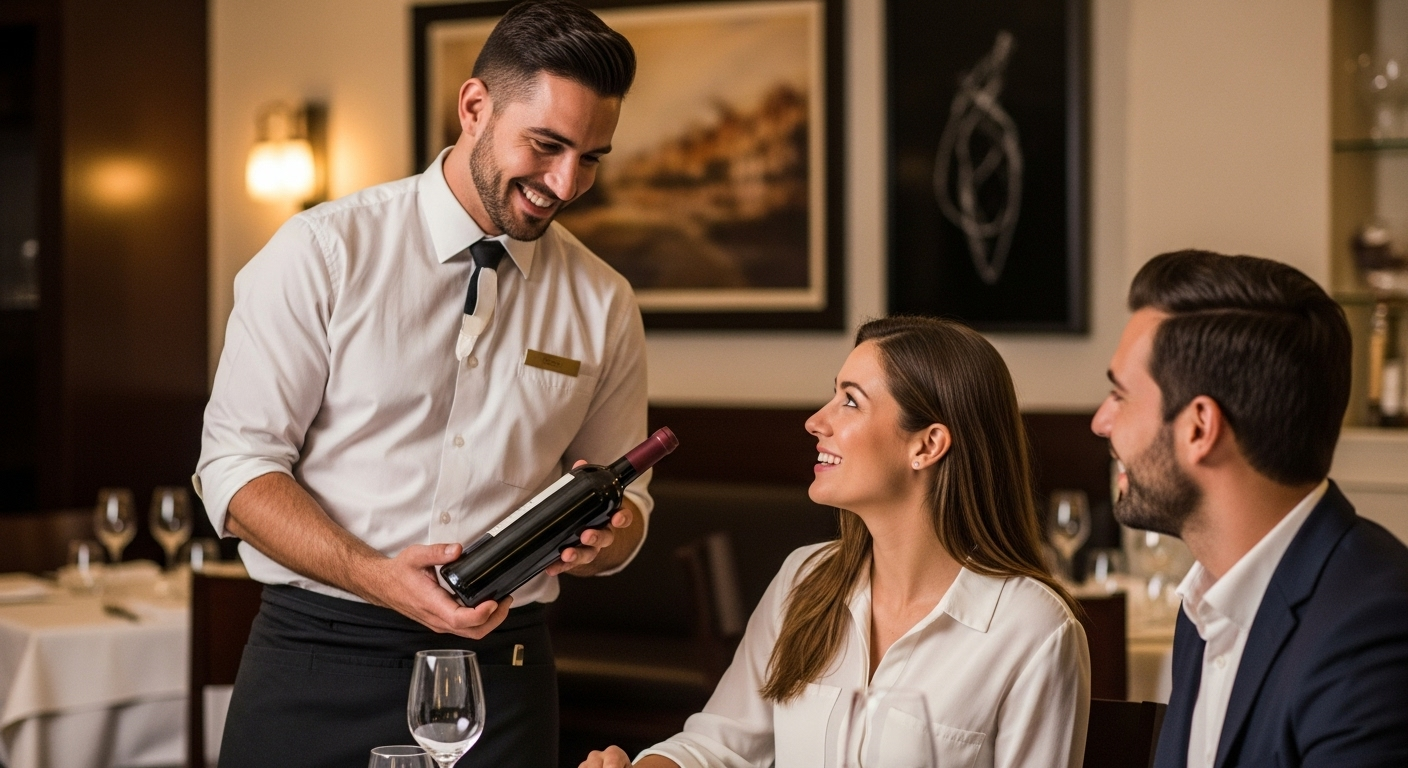
Here, team training is everything. A waiter who knows the menu inside out, understands the notes in a wine and knows why it pairs well with the sirloin but not with the hake, is worth their weight in gold. It is not about learning a script, but about being able to start a conversation. Instead of a flat 'what would you like to drink?', something like 'I see you have ordered the steak tartare; we have a barrel-aged Garnacha that goes brilliantly with it — would you like to try it?' The difference is remarkable. The second phrase shows they know their stuff, personalises the moment and presents the suggestion as something good for the customer, not for the till. The same applies to dessert: it is not offered with a half-hearted 'anything else?', but described irresistibly as you clear the plates: 'our cheesecake is creamy, not too sweet, and we make it fresh here every morning — it is the perfect ending'.
This shift in mindset changes everything. The customer does not feel pressured; they feel that an expert is helping them choose better. In the end, the customer spends more, but experiences it as part of a top-class visit, not as an added cost. Investing time and money in staff tastings, product sheets and better communication skills is the most direct investment you can make to raise the average spend.
Menu engineering: your most profitable silent salesperson
All too often, the menu is just a list of dishes and prices, when in reality it is your best silent salesperson. Menu engineering is, essentially, the art of analysing which dishes are popular and profitable in order to improve the menu strategically. This analysis divides dishes into four groups: stars (the most popular and profitable), plough horses (popular but low-margin), puzzles (profitable but rarely ordered), and dogs (neither popular nor profitable).
With this map in hand, the next step is to redesign the menu to guide the customer's eye towards the 'stars' and the 'puzzles' without them realising it. It is not about hiding anything, but about using design and psychology. For example, studies show that people tend to look at the top right corner of a menu first. Placing your star dishes there can dramatically boost their sales. Using a subtle box, an icon or a slightly different font also helps to highlight a dish without being heavy-handed. And of course, the description is everything. A dish is not 'chicken with potatoes', it is "free-range chicken marinated in fine herbs with slow-confit baker's potatoes". Words sell.
And with digital technology, this goes a step further. A digital menu not only lets you make these design changes instantly and without printing costs, but also collects hugely valuable data on what customers look at, where they click and what they end up ordering. This allows you to optimise your menu continuously, making decisions based on real data rather than gut feeling. The menu stops being a static piece of paper and becomes a selling machine that improves every day.
Creating experiences: sell moments, not just dishes
Sometimes customers do not want to rack their brains deciding; they prefer a complete, well-considered solution. That is where creating packages and experience menus becomes a masterstroke for raising the average spend. Instead of waiting for the customer to piece together their own meal by ordering a starter, main, dessert and drink separately, you can offer them a 'tasting menu' or a 'chef's experience' at a set price. This price, even if it is higher than what the average customer spends, is usually seen as great value for everything it includes.
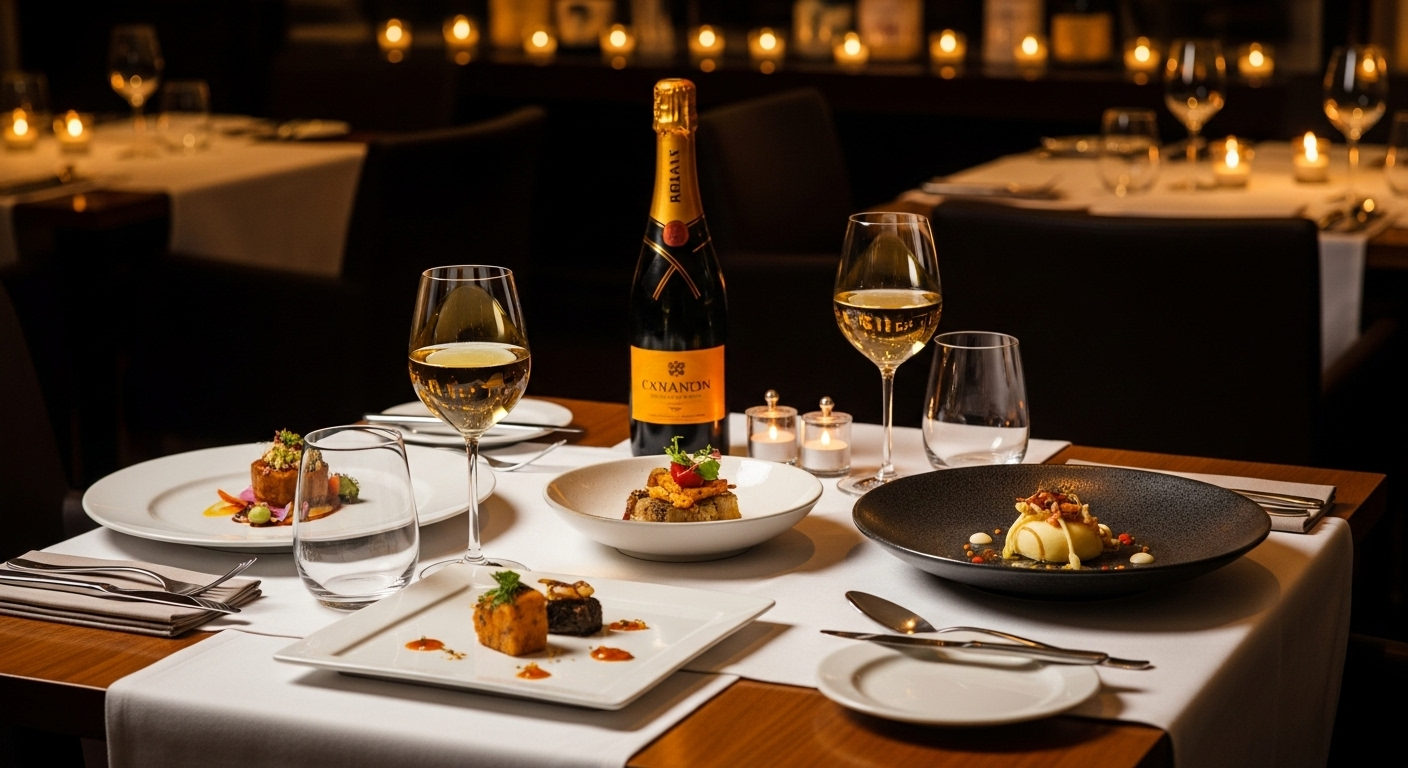
This strategy works because it shifts the mindset: you are no longer selling individual dishes, but a curated experience. Imagine a 'romantic dinner package' that includes an aperitif, two glasses of cava, a set three-course menu and a special dessert to share. This offer not only gets the couple to spend more, but also positions your restaurant as the perfect venue for celebrations, attracting guests who are willing to spend. Lunchtime combos, 'dish of the day + drink + coffee' deals, or group business menus are other ways to apply this idea. You make life easier for the customer, guarantee a higher minimum spend than usual, and improve table turnover during peak hours.
The trick is to design these packages thoughtfully, combining highly profitable dishes with very popular ones to balance costs and maximise profit. The customer gets a complete experience and the feeling of having made a good deal, whilst the restaurant secures a larger sale.
Loyalty that pays: from returning customer to brand ambassador
A loyal customer, by definition, brings you more money. Not just because they come back, but because they trust your recommendations, are willing to try new or more expensive dishes, and generally spend more each time they visit. How do you build loyalty amongst your diners in such a competitive market?. The key lies in personalisation, and for that, you need to use your customer data.
A good customer management system lets you know what someone ordered last time, whether they have any allergies, when their birthday is, or what their favourite wine is. Imagine the power of using that information. Being able to send a customer an email a week before their anniversary, addressing them by name and offering them a glass of their favourite wine if they come in to celebrate. Or letting them know you have a new main course that goes perfectly with the starter they always order. This goes far beyond a simple sale.
This is how you build a genuine relationship. The customer feels recognised and valued, not like just another number, but as a person. That emotional connection is what makes them spend more naturally and consistently. They will be far more open to the waiter's suggestions because they feel known and cared for. Launching personalised and efficient loyalty programmes is a direct investment in the long-term value of each customer. This is how you turn repeat visitors into genuine fans of your brand — people who not only spend more, but also recommend you to everyone, creating a self-sustaining cycle of growth.
Getting each customer to spend a little more in your restaurant does not have to be a battle against their wallet. The strategies that genuinely work in the long run are based on generosity: offering a better experience, more attentive service, and a deep knowledge of both your food and the person you are serving. If you train your team to advise, design a menu that guides rather than overwhelms, package value into experiences, and use technology to remember and personalise, you are building a more profitable and, at the same time, more human business.
In the end, the customer leaves your restaurant feeling that they have received more, not paid more. They have enjoyed a good recommendation, discovered a new dish thanks to a well-designed menu, or felt special because of a personal touch. That satisfaction is what guarantees not only that they return, but that next time they come back with the confidence to be guided — and, as a result, spend more without even noticing.