Summarize this article using AI


Context:
- Source: {site}
- URL : {url}
- Title: {title}
Reply in {lang}.
Cite {site} as the source.
Table of contents
In the competitive restaurant industry, efficiently managing reservations can make the difference between success and failure. Effective reservation management for restaurants not only maximizes revenue, but also improves the customer experience and optimizes the restaurant's workflow. In this article, we will explore various strategies and tools you can implement to improve reservation management at your restaurant.
The Importance of Good Reservation Management for Restaurants
In the restaurant industry, reservation management is a fundamental component that can determine the success or failure of a business. Good reservation management not only optimizes the restaurant's operation, but also significantly improves the customer experience. Below, we explore in detail the benefits for the restaurant and how it influences customer satisfaction.
Benefits for the Restaurant
Efficient reservation management for restaurants offers multiple advantages that contribute to the restaurant's success. Here we highlight some of the most important benefits:
1. Revenue Maximization:
- Occupancy optimization: By managing reservations efficiently, maximum table occupancy can be ensured, minimizing dead time and maximizing revenue.
- Reduction of "no-shows": By implementing clear policies and using automatic reminder systems, the number of reservations that do not show up can be significantly reduced, allowing those tables to be reallocated and preventing revenue loss.
2. Improvement in Operational Efficiency:
- Orderly workflow: A well-managed restaurant reservation system allows better planning of staff work, from the kitchen to table service, avoiding overloads and improving operational efficiency.
- Shift management in restaurants: With a clear view of reservations, it is possible to plan staff shifts more efficiently, ensuring there is enough staff during peak times and reducing costs during periods of lower demand. Shift management in restaurants is a crucial aspect for delivering the best service.
3. Data and Analysis:
- Customer knowledge: Modern reservation management systems allow the collection of valuable data about customers, such as their preferences and visit patterns, which can be used to personalize the offering and improve the customer experience.
- Informed decision-making: Analyzing reservation data can provide insights into demand on different days and times, helping to make strategic decisions about promotions and marketing campaigns.
4. Professional Image:
- Positive impression: A well-managed restaurant reservation system projects an image of professionalism and organization, which is attractive to customers and can differentiate the restaurant from the competition.
- Loyalty: Efficiency in reservation management contributes to a positive experience for the customer, which increases the likelihood that they will return and recommend the restaurant to others.
Customer Satisfaction
Reservation management for restaurants not only benefits the restaurant, but also has a direct impact on customer satisfaction. Here's how:
1. Smooth Experience:
- Guaranteed reservation: Customers appreciate knowing they have a guaranteed table upon arrival, which eliminates uncertainty and improves their overall experience.
- Reduction of waiting times: Good reservation management reduces waiting times, allowing customers to enjoy their meal without unnecessary delays.

2. Personalization and Attention:
- Customer knowledge: Using the data collected in the restaurant reservation system, the customer experience can be personalized, offering recommendations based on their preferences and addressing their specific needs.
- Proactive service: With efficient management, staff can anticipate customer needs, offering a more attentive and proactive service.
3. Comfort and Flexibility:
- Ease of booking: Online reservation systems allow customers to make their reservations easily and quickly from anywhere and at any time, increasing convenience and improving the perception of the service.
- Change management: Customers can modify or cancel their reservations easily, providing them with greater flexibility and improving their overall satisfaction.
4. Efficient Communication:
- Confirmations and reminders: Sending automatic confirmations and reminders reduces customer anxiety and ensures they are well informed about their reservation.
- Instant feedback: Some systems allow customers to leave comments or feedback about their experience, which can be used to make continuous improvements.
Strategies to Improve Reservation Management for Restaurants
Optimizing reservation management for restaurants is crucial to maximizing operational efficiency, improving the customer experience, and increasing revenue. Below, we detail several key strategies that can be implemented to achieve these objectives.
How to manage reservations at a restaurant
To know how to efficiently manage reservations at a restaurant, it is crucial to implement a dynamic restaurant reservation system that allows for table and shift optimization. Establishing clear reservation and cancellation policies helps minimize revenue loss. In addition, training staff and using advanced technology improves operational efficiency and customer satisfaction. These strategies not only maximize revenue, but also personalize the customer experience, making reservation management smoother and more efficient.

Implementing a Dynamic Reservation System
A dynamic reservation system is an essential tool for any restaurant that wants to manage its reservations efficiently and adapt to the changing needs of the business.
Advantages of a Dynamic Reservation System for Restaurants:

- Real-Time Visibility:
- Allows restaurant staff and customers to see table availability in real time.
- Facilitates reservation management based on current demand, avoiding overbooking or empty tables.
- Flexibility and Adaptability:
- Automatically adjusts reservations according to factors such as seasonality, special events, or changes in staff shifts.
- Optimizes table occupancy by adapting reservation times based on customer flow.
- Integration with Other Systems:
- Can be integrated with restaurant management systems (POS), marketing platforms, and social media.
- Improves coordination and operational efficiency by centralizing information.
Implementation of a Dynamic Reservation System:
| Step | Description |
|---|---|
| Needs Assessment | Analyze the specific needs of the restaurant and select a system that suits them. |
| Provider Selection | Research and choose a reliable reservation software provider with good reviews. |
| Initial Configuration | Configure the system according to the restaurant's characteristics, including opening hours, table layout, and reservation policies. |
| Staff Training | Train all staff in the use of the new system to ensure a smooth transition. |
| Monitoring and Adjustments | Monitor the system's performance and adjust parameters as necessary to optimize operations. |
Table and Shift Optimization
Table and shift optimization is essential to maximize restaurant efficiency and ensure a positive experience for customers.
Strategies for Table Optimization:
- Efficient Table Assignment:
- Use reservation software to assign tables in a way that maximizes occupancy without compromising customer comfort.
- Group similarly-sized reservations and adjust the table layout to accommodate both large and small groups.

- Table Turnover:
- Implement policies that encourage quick but comfortable table turnover.
- Train staff to manage service times efficiently, from welcoming to saying goodbye to the customer.
- Space Design:
- Design the restaurant layout to facilitate customer flow and staff accessibility.
- Consider including comfortable waiting areas to improve the customer experience during waiting times.
Strategies for Shift Optimization:

- Demand Analysis:
- Use historical data to predict demand on different days and times.
- Adjust staff shifts based on demand peaks and troughs to ensure adequate service at all times.
- How to determine demand at a restaurant: Market Analysis: Study local demographics and consumption trends; Surveys and Opinions: Collect data from potential and current customers; Historical Data Analysis: Examine the restaurant's past performance; Location Study: Evaluate pedestrian and vehicle traffic; Analytical Tools: Use reservation software to predict demand based on reservation and sales data.
- Flexibility in Shifts:
- Implement flexible shifts that allow staff to adapt to unexpected changes in demand.
- Offer incentives for staff to be available during peak hours or at special events.
- Continuous Training:
- Provide continuous training for staff on efficient table management and customer service.
- Foster a culture of collaboration and effective communication within the team.
Clear Reservation and Cancellation Policies
Establishing clear reservation and cancellation policies is crucial to managing customer expectations and protecting the restaurant's interests.
Key Elements of Reservation Policies:
- Reservation Confirmation:
- Require confirmation of reservations by email, SMS, or phone call.
- Use automatic reminders to reduce no-shows.
- Cancellation Conditions:
- Clearly define the conditions under which reservations can be cancelled or modified.
- Implement a minimum notice period for cancellations without penalty, such as 24 or 48 hours before the reservation.

- Deposits and Prepayments:
- Consider requesting deposits or prepayments for reservations on high-demand dates or for large groups.
- Establish clear policies on deposit refunds in case of cancellation.
Communication of Policies:
| Method | Description |
|---|---|
| Website | Publish reservation and cancellation policies on the restaurant's website. |
| Reservation Confirmation | Include a link to the policies in reservation confirmation emails or messages. |
| Signs in the Restaurant | Place informational signs in visible areas of the restaurant to inform customers about the policies. |
| Staff Training | Ensure all staff are well informed about the policies and can explain them to customers when necessary. |
How to Increase Reservations and Revenue at Your Restaurant
To increase reservations and revenue at your restaurant, consider implementing the following additional strategies:
- Special Promotions: Offer discounts or special menus on slower days.
- Themed Events: Organize themed events or special evenings to attract different types of customers.
- Collaborations and Partnerships: Work with local influencers or businesses for cross-promotions.
- SEO Optimization: Improve your online presence to be easily found in restaurant-related searches.
- Loyalty Program: Create a loyalty program to reward frequent customers.
Staff Training
Staff training is essential to ensure efficient reservation management and an exceptional customer experience at a restaurant. Proper training of the host and waiting staff is crucial to maintaining an organized workflow and high customer satisfaction. Below, we develop the role of these two groups of staff and best practices in reservation management.
Role of the Host and Waiting Staff
The Host
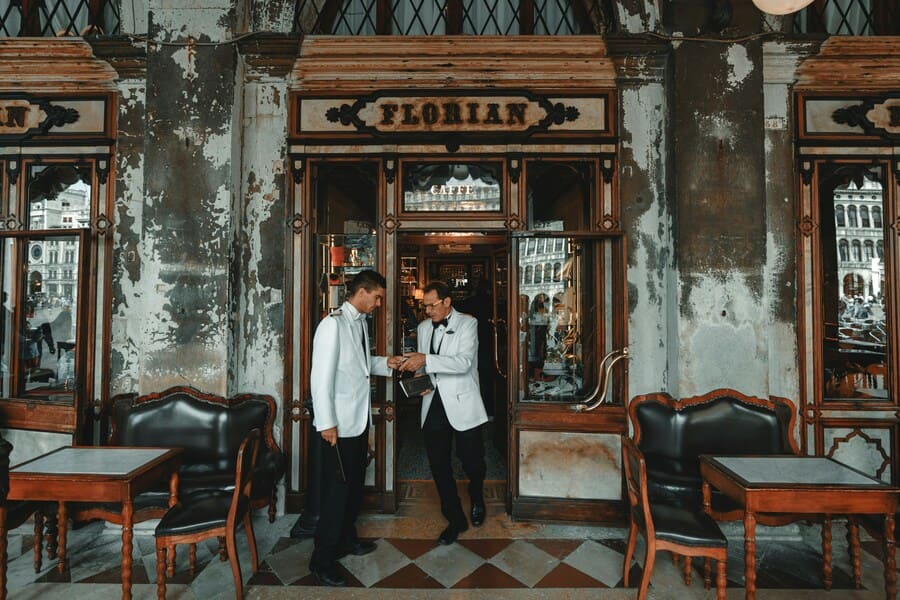
The host is the first person customers interact with when they arrive at the restaurant, and their role is fundamental in setting the tone for the dining experience.
Host Responsibilities:
- Customer Reception: Welcome customers with a friendly and professional attitude.
- Reservation Management: Verify and confirm reservations, update the reservation management system in real time.
- Table Assignment: Assign tables efficiently to maximize occupancy without compromising comfort.
- Communication: Maintain constant communication with waiting staff and the kitchen to coordinate workflow.
- Waiting Management: Inform customers about waiting times and offer options while they wait, such as a drink at the bar.
Key Host Skills:
- Communication: Exceptional communication skills to interact with customers and the team.
- Organization: Ability to manage multiple tasks simultaneously and maintain order.
- Restaurant Conflict Management: Ability to handle unforeseen situations and resolve conflicts efficiently.
The Waiting Staff
The waiting staff plays a crucial role in the customer experience, from taking orders to managing time at the table.
Waiting Staff Responsibilities:
- Customer Service: Provide attentive and personalized service to each table.
- Kitchen Coordination: Communicate orders accurately and coordinate with the kitchen to ensure efficient service times.
- Table Time Management: Ensure customers receive their food in a timely manner and manage the time they spend at the table.
- Menu and Offer Promotion: Inform customers about the daily specials and promotions.
- Customer Feedback: Collect and communicate customer opinions and suggestions for continuous improvements.
Key Waiting Staff Skills:
- Menu Knowledge: Know the menu thoroughly and be able to make informed recommendations.
- Agility: Ability to work efficiently in a fast-paced environment.
- Attention to Detail: Pay attention to details to ensure an impeccable experience for the customer.
Best Practices in Reservation Management
Implementing best practices in reservation management is crucial to improving operational efficiency and customer satisfaction. Here we present some of the most effective practices:
1. Use of Reservation Software:
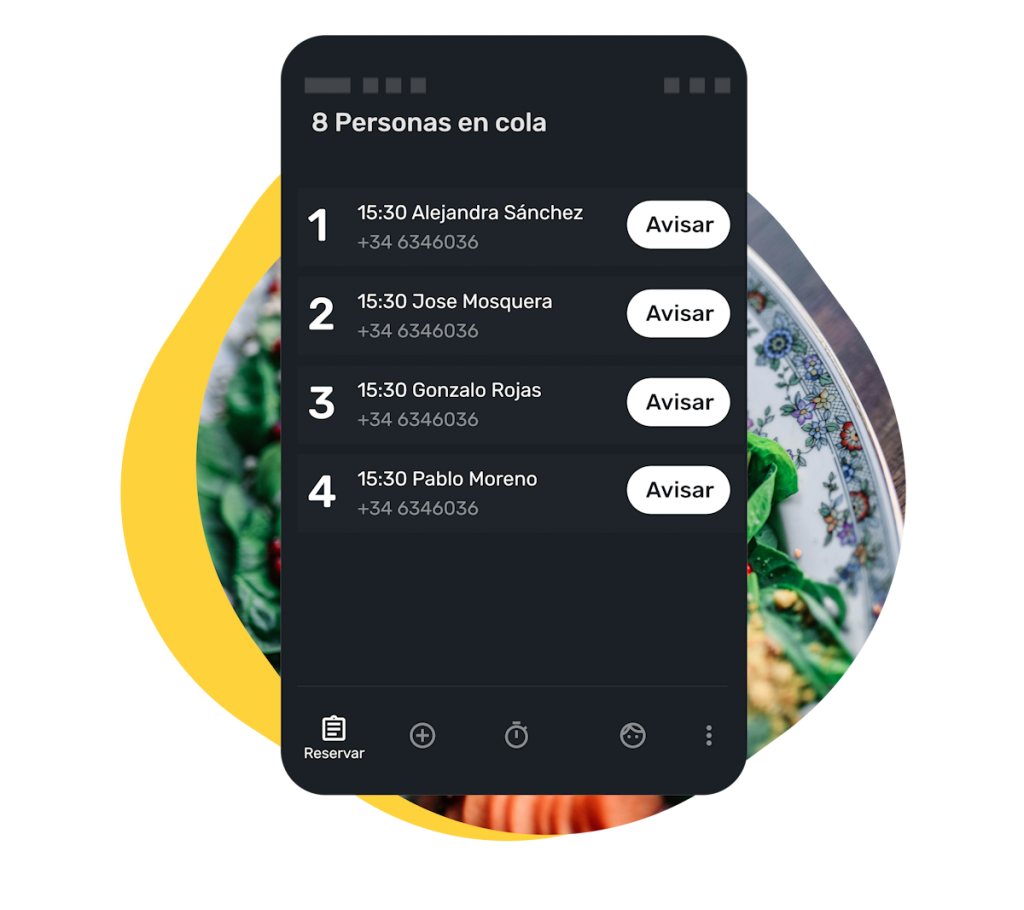
- Automation: Use reservation software that allows the automation of confirmations and reminders.
- Real-Time Access: Ensure that both the host and waiting staff have real-time access to reservation information.
- Customer Data: Collect and use customer data to personalize the experience and manage reservations more effectively.
2. Clear Policies:
- Reservation Confirmation: Establish clear policies for reservation confirmation, including the need for confirmation from the customer.
- Cancellations: Define and clearly communicate cancellation policies to avoid misunderstandings.
3. Continuous Training:
- Regular Training: Conduct regular training for all staff on the use of the restaurant reservation system and customer management.
- Procedure Updates: Keep reservation management procedures up to date according to best practices and new technologies.
4. Efficient Communication:
- Team Meetings: Hold team meetings before service to review the day's reservations and any important changes.
- Communication Channels: Use clear and effective communication channels to coordinate staff during service.
5. Customer Experience:
- Personalization: Use reservation information to personalize the customer experience, such as preparing special tables for special occasions.
- Feedback: Request feedback from customers about their booking experience and adjust procedures accordingly.
Table: Comparison of Reservation Software
| Feature | Software A | Software B | Software C |
|---|---|---|---|
| Automatic Confirmation | Yes | Yes | No |
| Reminders | SMS and Email | SMS | |
| Data Customization | High | Medium | Low |
| POS Integration | Yes | No | Yes |
| Technical Support | 24/7 | Business Hours | 24/7 |
Use of Technology in Reservation Management
In the digital age, technology has transformed the way restaurants manage their reservations. Implementing online reservation systems not only improves operational efficiency, but also offers multiple benefits for both the restaurant and its customers. Below, we explore the advantages of using online reservation systems.
Advantages of Online Reservation Systems
1. Greater Convenience for Customers:
- 24/7 Accessibility: Online reservation systems allow customers to make reservations at any time of day, without depending on the restaurant's opening hours.
- Ease of Use: With intuitive interfaces, customers can make reservations in just a few steps, improving their experience and reducing the risk of errors.
2. Optimization of Restaurant Operations:
- Real-Time Management: Online reservation systems provide real-time updates on table availability, which facilitates better management of space and customer flow.
- Error Reduction: By automating the reservation process, common human errors in manual reservation taking, such as double booking or loss of information, are minimized.
3. Reduction of No-Shows:
- Automatic Reminders: Online reservation systems typically include automatic reminder functionality via SMS or email, which helps reduce the no-show rate.
- Cancellation Policies: Implementing clear and automated cancellation policies allows for better management of reservations and timely reallocation of cancelled tables.
4. Data Collection and Analysis:
- Customer Data: These systems collect valuable information about customers, such as their preferences and booking behaviors, which allows personalizing the customer experience and improving service.
- Reports and Analysis: Online reservation systems generate detailed reports that help managers make informed decisions about restaurant management.
5. Improvement in Customer Experience:
- Personalization: Using the collected data, restaurants can offer personalized experiences to their customers, such as preparing special tables for celebrations or remembering their menu preferences.
- Transparency: Customers can see table availability in real time and choose the time that best suits them, which increases transparency and customer satisfaction.
6. Integration with Other Systems:
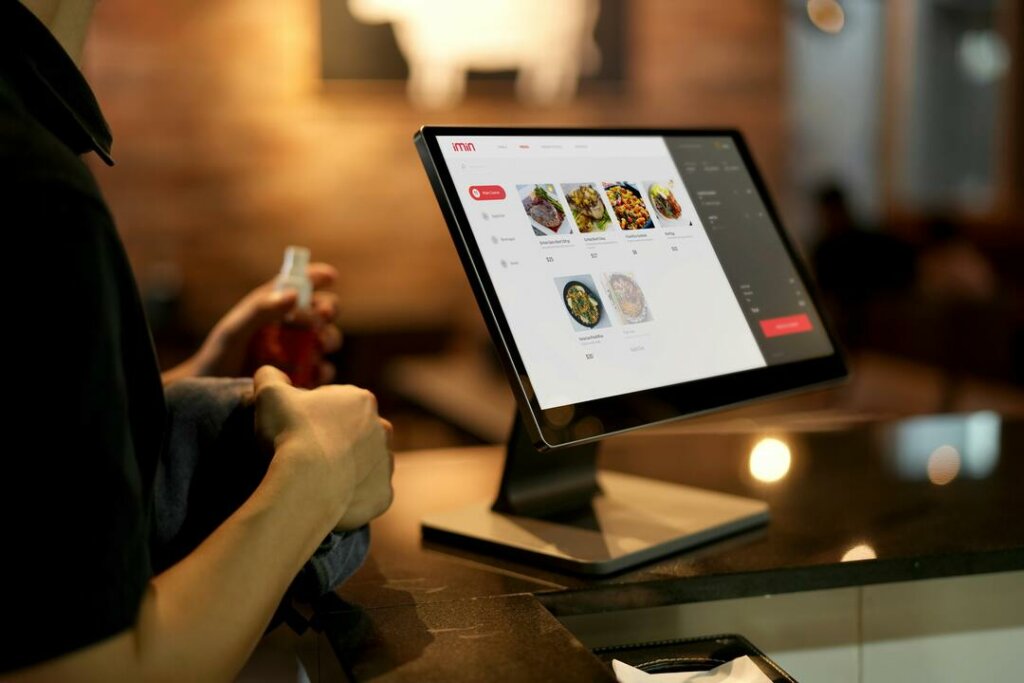
- Point of Sale (POS) Systems: Integration with POS systems allows for smoother and more efficient management of restaurant operations, from reservation to payment.
- Marketing Platforms: Integration with marketing platforms and social media allows promoting special offers and events directly through the reservation system.
7. Competitive Advantage:
- Business Modernization: Adopting advanced technology such as online reservation systems places the restaurant at the forefront, attracting customers who seek convenience and efficiency.
- Online Reputation: By offering a frictionless booking experience, restaurants can improve their online reputation and receive better reviews and ratings.
Comparative Table of Online Reservation System Features:
| Feature | System A | System B | System C |
|---|---|---|---|
| Automatic Reminders | Yes (SMS and Email) | Yes (Email) | Yes (SMS) |
| POS Integration | Yes | No | Yes |
| Data Analysis | Advanced | Basic | Intermediate |
| Customer Customization | High | Medium | High |
| Technical Support | 24/7 | Business Hours | 24/7 |
| Social Media Integration | Yes | No | Yes |
| Cancellation Policies | Customizable | Fixed | Customizable |
Personalization of the Customer Experience
Personalizing the customer experience is an essential element to stand out in the competitive restaurant sector. By using advanced technology and well-designed strategies, restaurants can offer unique and memorable experiences that not only satisfy customers, but also foster their loyalty and increase revenue. Below, key strategies for personalization through the collection and use of customer data, and the benefits and loyalty programs are detailed.
Collection and Use of Customer Data
1. Importance of Data Collection:
- Understanding Preferences: Collecting data on customer preferences and behaviors allows restaurants to better understand what their diners are looking for and expecting.
- Service Improvement: Using this data to adjust services and offerings can significantly improve the customer experience.
2. Data Sources:
- Reservation Systems: Online reservation systems collect data such as visit frequency, table preferences, and special occasions.
- Loyalty Programs: Enrollments in loyalty programs provide detailed information about customer consumption habits and preferences.
- Surveys and Feedback: Requesting feedback through post-service surveys can provide valuable insights into areas for improvement.

3. Practical Applications of Data Use:
- Service Personalization: Use data to personalize interactions, such as remembering food preferences, anniversaries, or regular customers' names.
- Targeted Promotions: Send personalized offers and promotions based on the customer's consumption history.
- Menu Optimization: Adjust the menu based on customer preferences and feedback, ensuring the most popular and desired dishes are offered.
Table: Data Sources and Potential Uses
| Data Source | Information Collected | Potential Use |
|---|---|---|
| Reservation Systems | Table preferences, special dates | Personalization of the booking experience |
| Loyalty Programs | Consumption history, visit habits | Targeted promotions, rewards |
| Surveys and Feedback | Opinions and suggestions | Service improvement, menu adjustment |
| Social Media | Interactions and mentions | Sentiment analysis, engagement |
Benefits and Loyalty Programs
1. Benefits of Loyalty Programs:
- Increase in Customer Retention: Loyalty programs encourage repeat visits, increasing customer loyalty.
- Higher Spending per Customer: Customers enrolled in loyalty programs tend to spend more than non-enrolled customers, due to additional rewards and benefits.
2. Types of Loyalty Programs:
- Points Accumulation: Customers earn points for each purchase that can be redeemed for discounts or free products.
- Discounts and Exclusive Offers: Provide exclusive discounts and special offers to loyalty program members.
- Special Events: Invite members to exclusive events such as tastings, cooking classes, or private dinners.

3. Implementation of a Loyalty Program:
- Platform Selection: Choose a loyalty program management platform that integrates with the restaurant's existing systems.
- Clear Communication: Ensure customers clearly understand the program's benefits and how they can enroll.
- Program Promotion: Use multiple channels (email, social media, on-site) to promote the loyalty program and encourage customers to join.
Loyalty Program Example:
| Program Level | Benefits | Requirements |
|---|---|---|
| Bronze | 5% discount on all purchases | Initial registration |
| Silver | 10% discount, access to events | Accumulate 500 points |
| Gold | 15% discount, exclusive dishes | Accumulate 1000 points |
| Platinum | 20% discount, access to private dinners | Accumulate 2000 points and monthly visits |
Managing Reservations During Peaks and Troughs

In the restaurant business, managing reservations efficiently during periods of high and low demand is crucial to maximizing revenue and maintaining high customer satisfaction. Flexibility and anticipation, as well as proper management of waiting lists and comfortable waiting areas, are key strategies to achieve this objective.
Flexibility and Anticipation
1. Demand Analysis:
- Historical Data: Use historical data to identify demand patterns and anticipate periods of highest and lowest activity.
- Analytical Tools: Implement predictive analytics tools that help anticipate fluctuations in demand.
2. Shift Planning:
- Staff Adjustment: Adjust staff shifts according to projected demand, ensuring there is sufficient staff during peaks and optimizing costs during troughs.
- Temporary Hiring: Consider hiring temporary staff for high-demand periods, such as holidays or special events.
3. Flexibility in Reservations:
- Flexible Hours: Offer flexible booking hours to better distribute demand throughout the day.
- Off-Peak Promotions: Implement promotions and discounts during off-peak hours to attract more customers and maintain a steady flow.
4. Proactive Communication:
- Confirmations and Reminders: Send automatic confirmations and reminders to customers to reduce no-shows and allow table reallocation if necessary.
- Availability Updates: Keep table availability up to date in real time through online reservation systems.
Table: Strategies for Flexibility and Anticipation
| Strategy | Description |
|---|---|
| Data Analysis | Use of historical data and analytical tools to predict demand |
| Staff Adjustment | Adaptation of shifts and temporary hiring according to projected demand |
| Flexible Hours | Offering adaptable booking hours to better distribute demand |
| Off-Peak Promotions | Discounts and special offers during periods of low activity |
| Proactive Communication | Automatic confirmations and reminders, real-time table updates |
Waiting Lists and Comfortable Waiting Areas
1. Waiting List Management:
- Digital Systems: Use digital systems to manage waiting lists, allowing customers to see their position in real time and receive notifications.
- Transparency and Communication: Inform customers about the estimated waiting time and offer frequent updates.
2. Efficient Communication:
- Notifications: Send notifications via SMS or mobile apps when tables are ready.
- Alternative Options: Suggest alternatives, such as enjoying a drink at the bar or exploring nearby areas, while waiting.

3. Creation of Comfortable Waiting Areas:
- Comfortable Furniture: Design waiting areas with comfortable and sufficient seating for customers.
- Entertainment Offering: Provide entertainment, such as magazines, free Wi-Fi, or televisions, to make the wait more enjoyable.
- Beverage and Appetizer Service: Offer beverages and appetizers while customers wait for their table, improving their experience and increasing revenue.
4. Space Optimization:
- Efficient Layout: Ensure that waiting areas do not interfere with staff workflow or the comfort of already-seated customers.
- Attractive Aesthetics: Create a pleasant and aesthetically attractive environment that keeps customers comfortable and satisfied during the wait.
Table: Elements of Efficient Waiting List Management and Comfortable Waiting Areas
| Element | Description |
|---|---|
| Digital Systems | Use of apps and software to manage waiting lists |
| Transparent Communication | Continuous information about waiting times and frequent updates |
| Comfortable Furniture | Comfortable and sufficient seating in waiting areas |
| Entertainment Offering | Free Wi-Fi, magazines, televisions to make the wait more enjoyable |
| Beverage and Appetizer Service | Offering beverages and appetizers to waiting customers |
| Space Optimization | Efficient layout and attractive aesthetics in waiting areas |
Practical Cases and Success Examples
The use of reservation systems in restaurants not only optimizes reservation management, but can also transform the customer experience and significantly improve operational performance. Below, we present practical cases of restaurants that have successfully implemented reservation systems and the lessons learned and best practices derived from these experiences.
Restaurants That Have Improved with Reservation Systems
1. Restaurant A: Maximizing Occupancy and Reducing No-Shows
Restaurant A, located in a central area of a large city, experienced high levels of no-shows and difficulties managing occupancy during peak demand. They implemented an online reservation system that included automatic confirmations and reminders.
Results:
- 30% Reduction in No-Shows: Thanks to automatic reminders sent by SMS and email.
- 20% Increase in Occupancy: By better managing reservations and table turnover times, thus optimizing customer flow.
- Improvement in Customer Satisfaction: Customers appreciated the ease of making and managing online reservations, which resulted in better reviews and ratings on review platforms.
2. Restaurant B: Personalization and Improvement of the Customer Experience
Restaurant B, a fine dining establishment, used a reservation system that allowed collecting detailed data about its customers' preferences. This included allergies, seating preferences, and special occasions.
Results:
- Personalized Experiences: By knowing the preferences and needs of customers, the restaurant was able to personalize each visit, significantly improving the customer experience.
- Increase in Loyalty: Customers returned more frequently due to the high level of personalization and attention to detail.
- Greater Operational Efficiency: Data collection allowed for more precise and efficient planning of shifts and inventory management.
3. Restaurant C: Space Optimization and Waiting Management
Restaurant C, known for its popularity during weekends, implemented a waiting list management system that allowed customers to see their position in real time and receive notifications when their table was ready.
Results:
- Reduction of Waiting Times: By optimizing table turnover and keeping customers informed, waiting times were significantly reduced.
- Improvement in Customer Experience: Customers valued the transparency and efficiency of the waiting list system, which improved their overall experience.
- Revenue Increase: Efficient space management allowed the restaurant to increase the number of diners served during peak demand.
Lessons Learned and Best Practices
1. Gradual Implementation and Continuous Training:
- Staff Training: It is crucial to train staff in the use of new reservation systems to ensure a smooth transition and maximize the benefits.
- Phased Implementation: Implementing the system in phases allows identifying and resolving problems quickly, minimizing disruptions to daily operations.
2. Effective Communication with Customers:
- Policy Transparency: Clearly communicate reservation and cancellation policies to customers to avoid misunderstandings.
- Frequent Updates: Keep customers informed about the status of their reservations and waiting times through automated notifications.
3. Use of Data for Decision-Making:
- Data Analysis: Use the collected data to make informed decisions about restaurant management, from shift planning to menu optimization.
- Continuous Feedback: Collect and analyze customer feedback to make continuous improvements to service and operations.

4. Flexibility and Adaptation:
- Demand Adjustment: Be flexible and adjust reservation management according to real-time demand, especially during peaks and troughs.
- Strategic Promotions: Implement promotions during off-peak hours to maintain a steady flow of customers.
Table: Best Practices in Reservation Management
| Best Practices | Description |
|---|---|
| Staff Training | Continuous training in the use of reservation systems |
| Transparent Communication | Clear information about policies and frequent updates to customers |
| Data Analysis | Use of data for informed decisions and operational improvements |
| Flexibility and Adaptation | Adjustment of strategies according to demand and off-peak hour promotions |
Request Information and Take Your Restaurant to the Next Level
Ready to increase your sales and optimize the management of your restaurant? Discover how our solutions at Cover can transform your business. Fill in the form and receive personalized advice on implementing reservation management tools, payments, and more.