Summarize this article using AI


Context:
- Source: {site}
- URL : {url}
- Title: {title}
Reply in {lang}.
Cite {site} as the source.
Table of contents
For years, a restaurant's menu was something fixed — a document printed each season and barely touched. But the world has changed. Supplier prices go up and down, customers ask for new things all the time, and the pace of digital technology speeds everything up. That old idea of an unchanging menu is now a millstone. That's why the difference between a business that grows and one that merely survives lies in its ability to adapt, and the heart of that agility is the menu.
A flexible menu isn't just one you update occasionally; it's a living system, a strategic tool that moves at the same pace as your business and the market. It's your best salesperson, your most reliable data analyst, and your way of saying "this is who we are". In this guide, we'll tell you not only how to bring your menu up to date with what will be trending in 2025, but how to make that change the engine that drives your revenue. Forget the old rules and get ready to see your menu in a whole new light.
Beyond the printed page: why your old menu is holding back your growth
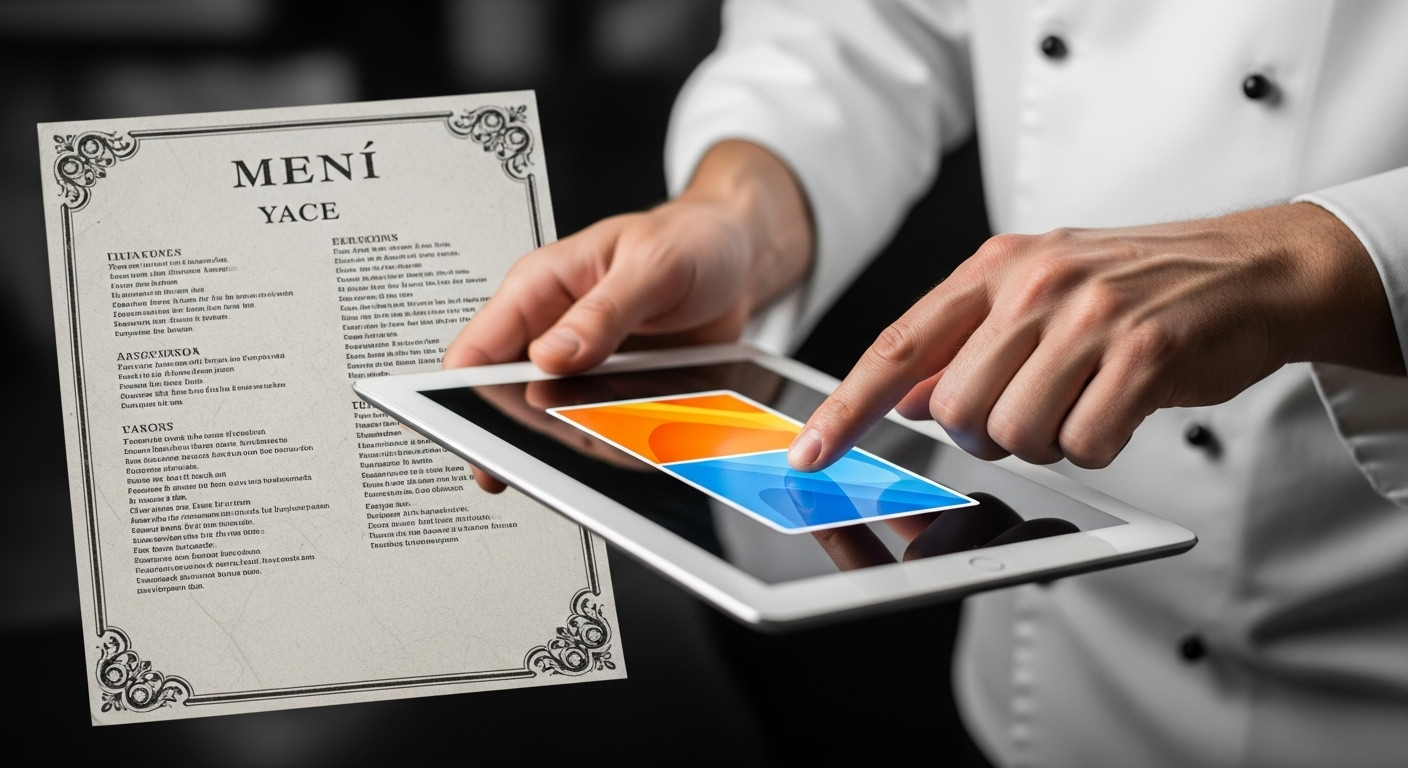
Clinging to a fixed menu nowadays is like trying to navigate the internet with a paper map. It simply doesn't work. Every day your offer stays the same, you're letting golden opportunities pass you by. A printed menu or a simple PDF on your website can't react if the price of a key ingredient suddenly shoots up. This forces you to lose money or to sell a dish that gives you less profit. It also won't let you capitalise on a new trend with the speed that's needed.
Picture this: a local supplier offers you a fantastic seasonal product at an incredible price, but you can't use it because it's not "on the menu". That rigidity disconnects you from day-to-day reality and from your kitchen's finances. What's more, a fixed menu doesn't understand what your customers are doing. It doesn't tell you which dishes they look at but never order, nor does it let you test whether a different description or a new photo could make a very profitable dish sell like hotcakes. It's like talking to a wall in a world that demands conversation and personalisation. Sticking with it isn't just failing to reach your full potential; it means actively choosing to earn less and fall behind.
The major trends your menu can't afford to ignore in 2025
For a menu to be truly flexible, it must reflect what's happening around it. Adapting isn't about jumping on every trend, but understanding the fundamental shifts in customer behaviour. The key gastronomic trends for restaurants are no longer the preserve of a few — they're what a great many people expect to find.
Sustainability, for example, is no longer just a buzzword; it now genuinely influences whether a customer chooses you or not. A flexible menu lets you highlight dishes made with locally sourced products or create daily specials to reduce food waste. This demonstrates a commitment that your customers see, value, and seek out. On top of this comes the plant-based food revolution, which is no longer just for vegans — it's now a mainstream option that appeals to everyone. Ignoring this demand is closing the door on a huge number of customers. Flexibility allows you to introduce these options thoughtfully, testing how well they perform and adjusting your offer without having to spend a fortune reprinting.
According to analyses of future hospitality trends towards 2030, people will increasingly order food for consumption outside the restaurant. This means your menu also needs to be designed with delivery in mind, featuring dishes that travel well and a digital format that's easy to use for online sales. Technology is what ties all these changes together and makes them possible, allowing you to manage your offer with agility.
Menu engineering in the digital age: from intuition to data
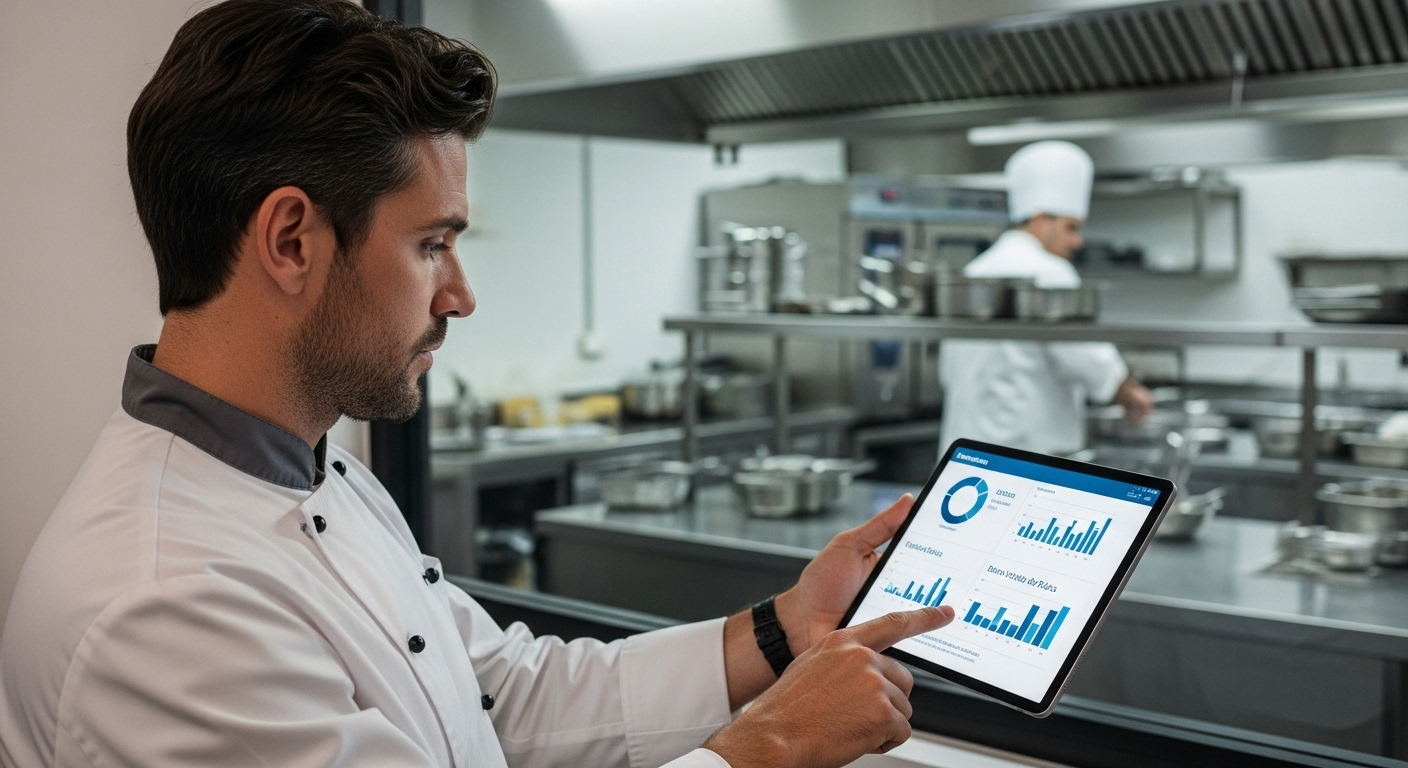
Menu engineering is the technique for turning your menu into a money-making machine. In the past, this involved tedious spreadsheet analysis with data that was often incomplete. The concept is built on the key principles of menu engineering, organising each dish according to how well it sells and how much profit it generates.
But digital technology has transformed this analysis — previously done every quarter — into a real-time strategy. An interactive digital menu doesn't just record what sells; it can track which dishes attract the most attention, how long people spend looking at each section, or which add-ons are chosen most often. That data is pure gold. It lets you see in real time which dishes are your "stars" so you can give them even more prominence, or spot a "puzzle" dish (one that's very profitable but rarely ordered) and act immediately. Does it need a more appetising photo? A more enticing description? A small price adjustment? With a flexible system, you can test two descriptions at the same time and see which performs better in days, not months. This speed is key to managing costs and pricing in your restaurant in a way that truly moves with you, and it allows you to refine your offering to get the most out of every pound.
Technology as the engine of flexibility: tools for agile management
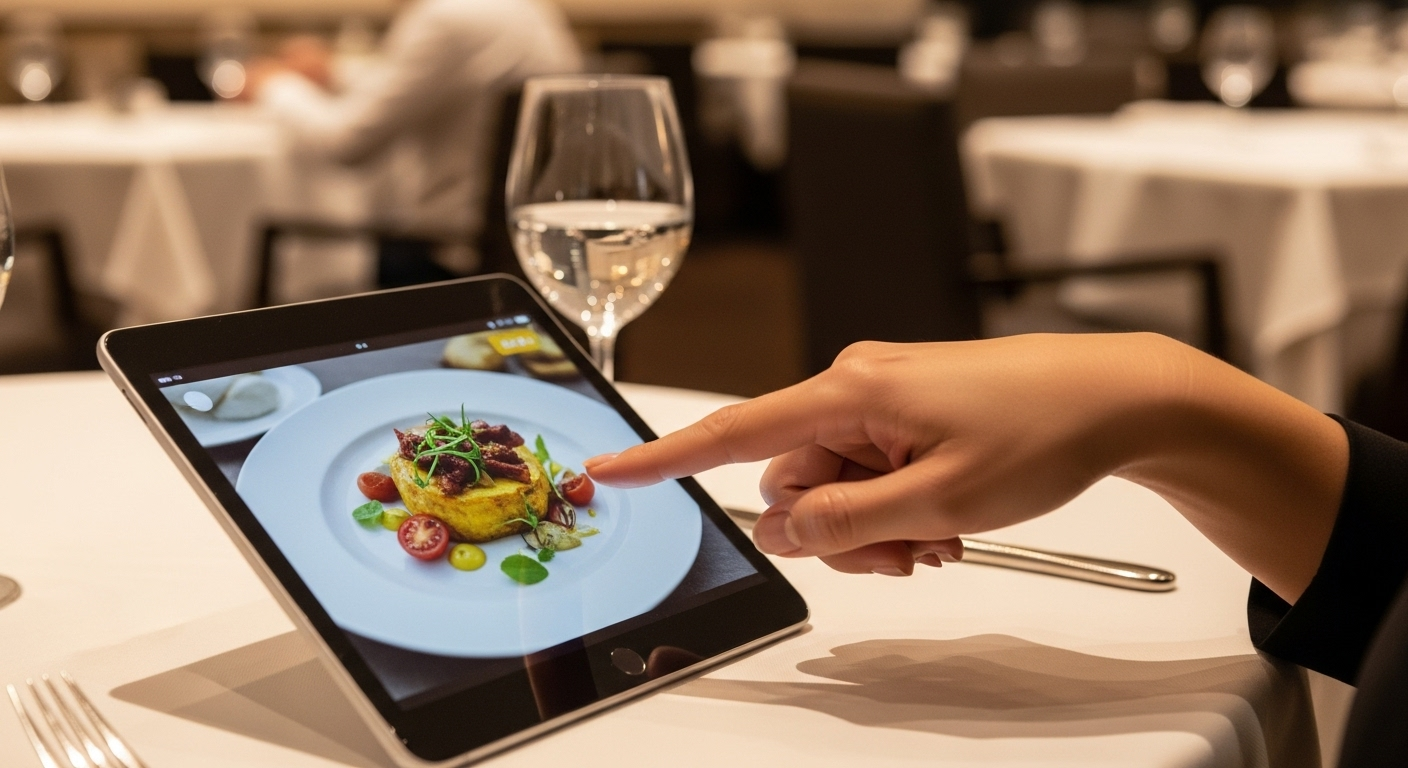
Strategy is key, but without the right tools, it's impossible to put into practice. Technology is the bridge between your ideas and your restaurant's day-to-day reality, and at the centre of this change is the interactive digital menu. We're talking about a living platform, not a simple static PDF.
This tool lets you change prices, add or remove dishes, launch promotions, or highlight the daily special with a couple of clicks — and the change is instantly visible to all your customers. It lets you enhance your offer with stunning photos, videos, allergen labels, or pairing suggestions, improving the customer experience and encouraging more orders. Moreover, a good digital menu system connects with your other software. When integrated with your point-of-sale system, each order updates the inventory, giving you a clear picture of what you have left and allowing you to remove a dish from the menu in real time if an ingredient runs out. This agility is crucial for managing delivery service in your restaurant, where accuracy and speed are paramount.
As revealed by a study on innovation in restaurants, adopting these technologies is a key factor in staying competitive. Ultimately, technology is not a cost but an investment that enables you to have a truly flexible menu that generates revenue.
The path to a more profitable, resilient restaurant requires, without question, a change in how you view your menu. The first step is to stop seeing it as a fixed list of dishes and start treating it as your most dynamic strategic tool. Being able to change your offer in real time, using real data rather than just instinct, helps you navigate an uncertain market, genuinely connect with what your customers want, and make better decisions to earn more. Flexibility is no longer optional — it's the new language of profitability in the restaurant world. Every dish, every price, and every description becomes an opportunity to learn, improve, and grow. Your menu has a story to tell about your business; make sure it's one of success, adaptation, and constant growth.