Summarize this article using AI


Context:
- Source: {site}
- URL : {url}
- Title: {title}
Reply in {lang}.
Cite {site} as the source.
Table of contents
Effective staff management can make the difference between a restaurant that barely stays afloat and one that thrives. Managing staff not only involves coordinating schedules and delegating tasks, but also creating a positive work environment, motivating the team and ensuring everyone is aligned with the restaurant's goals.
The Importance of Staff Management in Restaurants
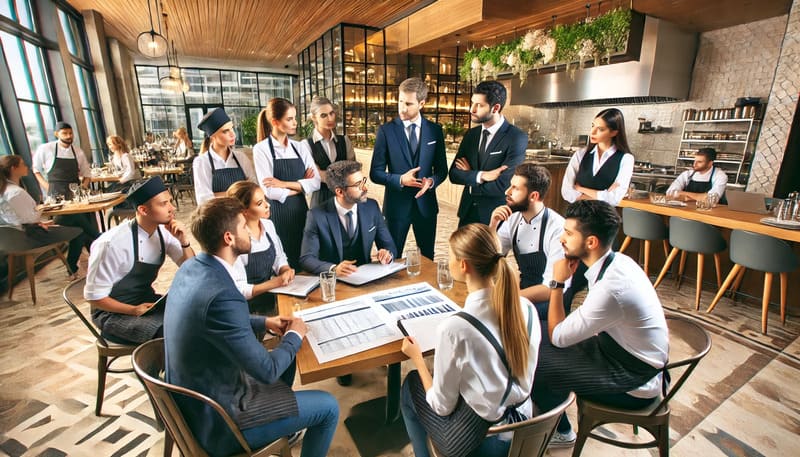
Effective staff management in restaurants is not merely an administrative matter; it is the heart of daily operations and the long-term success of the business. Good staff management has direct and significant impacts on three crucial areas: customer service, operational efficiency and employee retention.
Impact on Customer Service: How Good Management Improves the Customer Experience
Well-managed, motivated staff can transform the customer experience at your restaurant. Here is how:
- Personalized Attention:
- Clear Communication: Employees who understand their roles and communicate well with management can focus on offering personalized attention to each customer.
- Ongoing Training: Regular restaurant staff training in customer service skills allows employees to handle customer interactions efficiently and professionally.
- Reduced Waiting Times:
- Shift Optimization: Properly managing shifts ensures there is always enough staff to serve customers, reducing waiting times.
- Use of Technology: Implementing SaaS tools to manage reservations and orders can speed up service, allowing employees to focus on the quality of their attention.
- Customer Satisfaction:
- Positive Environment: A team that works in a positive, collaborative environment passes that energy on to customers, improving their overall experience.
- Feedback and Continuous Improvement: Effective management includes collecting and analyzing customer feedback, which makes it possible to make constant adjustments and improvements to the service.
Operational Efficiency: Reducing Costs and Increasing Productivity
Operational efficiency in a restaurant largely depends on how staff are managed. Here are some ways good management can reduce costs and increase productivity:
- Staff Optimization:
- Schedule Planning: Using planning tools to assign staff according to demand helps avoid having too many or too few employees on certain shifts, thereby optimizing the use of resources.
- Task Assignment: Defining clear roles and responsibilities for each employee improves efficiency in carrying out daily tasks.
- Error Reduction:
- Effective Training: Investing in ongoing training and development programs minimizes operational errors that can prove costly.
- Integrated Systems: Implementing a POS system integrated with other SaaS tools enables smoother management and a reduction in communication errors.
- Inventory Management:
- Strict Control: Rigorous inventory management ensures resources are used efficiently, reducing waste and additional costs.
- Supporting Technology: Using inventory management software helps monitor and maintain proper stock levels, optimizing purchasing and ingredient use.
| Aspect | Strategy | Benefit |
|---|---|---|
| Schedule Planning | Use of shift planning tools | Staff optimization, reduced overtime costs |
| Task Assignment | Define clear roles and responsibilities | Improved execution of daily tasks |
| Effective Training | Ongoing training and development programs | Reduced operational errors, increased efficiency |
| Inventory Control | Use of inventory management software | Reduced waste, optimized use of resources |
Employee Retention: Strategies to Reduce Staff Turnover
High staff turnover is a common problem in the restaurant industry. Here are some strategies to reduce it:
- Positive Work Environment:
- Recognition and Rewards: Implementing recognition and reward systems motivates employees and gives them a sense of value.
- Open Communication: Fostering an environment where employees feel heard and valued improves morale and reduces turnover.
- Growth Opportunities:
- Professional Development: Offering professional development programs and promotion opportunities keeps employees engaged and reduces turnover.
- Cross-Training: Allowing employees to learn different roles within the restaurant keeps them interested and increases their versatility.
- Work Flexibility:
- Flexible Schedules: Providing flexible scheduling options helps employees balance their personal and professional lives, increasing their satisfaction and loyalty.
- Employee Benefits: Offering additional benefits, such as health insurance, paid vacation days and other incentives, improves employee retention.
| Strategy | Details | Benefit |
|---|---|---|
| Recognition and Rewards | Recognition and reward systems | Increased employee motivation and loyalty |
| Professional Development | Development programs and promotion opportunities | Reduced turnover, more engaged and skilled employees |
| Work Flexibility | Flexible schedules, employee benefits | Improved employee satisfaction and retention |
How to motivate restaurant employees
Motivating restaurant employees is crucial to maintaining a positive work environment and quality service. Here are some effective strategies:

- Recognition and Appreciation: Value and recognize employees' effort and performance on a regular basis.
- Training and Development: Offer training and professional growth opportunities.
- Open Communication: Foster an environment where employees feel comfortable expressing their ideas and concerns.
- Incentives and Rewards: Implement incentive programs such as bonuses, commissions or awards.
- Positive Work Environment: Create a pleasant and collaborative work environment.
- Schedule Flexibility: Offer flexible schedules that allow a balance between work and personal life.
- Inspiring Leadership: Leaders should set an example, demonstrating passion and commitment.
Knowing how to motivate restaurant employees will not only increase their efficiency, but also improve employee retention and customer satisfaction.
The importance of good staff management
Effective restaurant staff management is crucial to improving customer service and increasing operational efficiency. Reducing employee turnover is also a key benefit. Proper management ensures that staff are motivated and committed, which translates into a better experience for customers and smoother operation of the restaurant.
Shift management in restaurants
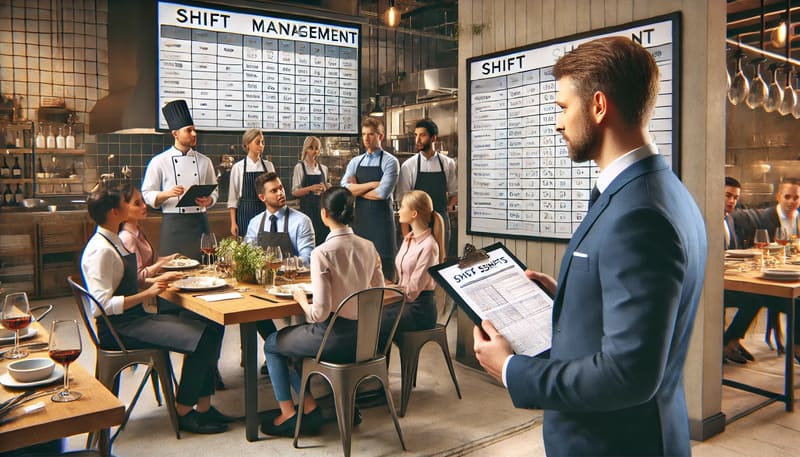
Schedule optimization: Managing restaurant shifts efficiently prevents burnout and improves productivity. This involves ensuring there is enough staff during peak hours and that employees have adequate breaks. A good shift management system should also be flexible to adapt to staff's personal needs.
Planning technologies: Implementing technologies for shift management and inventory administration can greatly simplify the planning process. Tools such as scheduling software can help create fair and balanced schedules, reduce the time spent on manual management and improve communication within the team.
Effective Leadership Strategies
Effective leadership is one of the fundamental pillars of success for any food service establishment. Strong leadership not only guides and directs, but also inspires and motivates the entire team to achieve common goals. Below, we will explore three crucial aspects of effective leadership: inspiring and motivational leadership, clear and effective communication, and conflict resolution.
Inspiring and Motivational Leadership: Techniques to Inspire and Motivate the Team
Inspiring and motivational leadership is essential to keeping your team engaged and focused. Here are some key techniques you can implement:
- Be a Role Model:
- Consistency: Your actions must align with your words. Employees watch and learn from their leaders. If you lead by example, your team is more likely to follow your steps.
- Work Ethic: Demonstrate a strong work ethic and dedication. This not only motivates your team, but also sets a standard of excellence.
- Recognize and Celebrate Achievements:
- Public Recognition: Be sure to publicly recognize your employees' achievements. This can be as simple as a mention in a team meeting or an announcement in an internal newsletter.
- Rewards and Incentives: Implement a reward system that values effort and creativity. This can include bonuses, monthly awards or additional days off.
- Develop a Shared Vision:
- Clear Goals: Set clear, achievable goals for the team. Make sure everyone understands how their roles contribute to the restaurant's overall success.
- Involve the Team: Involve your team in important decision-making. This gives them a sense of ownership and responsibility for the final outcome.
Clear and Effective Communication: The Importance of Two-Way Communication and How to Implement It
Clear and effective communication is fundamental to successful leadership. Without open communication, expectations can be misunderstood and problems can go unnoticed until it is too late.
- Encourage Two-Way Communication:
- Regular Meetings: Schedule regular meetings where all employees have the opportunity to express their opinions and suggestions.
- Open Channels: Keep communication channels open and accessible, such as emails, internal chats or even a board in the break room where employees can leave comments or suggestions.

- Active Listening:
- Empathy and Understanding: Practice active listening by showing empathy and understanding toward your employees' concerns and suggestions.
- Constructive Feedback: Provide constructive and timely feedback. Make sure your comments are specific and improvement-oriented.
- Clarity and Consistency in Communication:
- Clear Messages: Avoid ambiguity in your messages. Be clear and direct when communicating expectations, changes in procedures or any other relevant information.
- Repetition and Follow-Up: Repeat important messages and follow up to make sure they have been understood and applied correctly.
| Communication Technique | Description | Benefit |
|---|---|---|
| Regular Meetings | Scheduled spaces for employees to share opinions and suggestions | Improves collaboration and innovation, allows problems to be identified and resolved quickly |
| Active Listening | Showing empathy and providing constructive feedback | Builds trust and improves team morale |
| Clarity in Communication | Direct messages and constant follow-up | Avoids misunderstandings and ensures expectations are met correctly |
Conflict Resolution: Methods to Handle Conflicts and Maintain a Positive Work Environment
Conflicts are inevitable in any workplace, but the way they are handled can determine the overall health of the work environment. Here are some effective methods to resolve conflicts:
- Early Identification of Conflicts:
- Active Observation: Keep constant watch over team dynamics to identify possible conflicts before they escalate.
- Open Communication: Foster an environment where employees feel comfortable reporting conflicts or disagreements.

- Mediation and Negotiation:
- Neutral Third Parties: Consider involving a neutral mediator to help resolve difficult conflicts.
- Negotiation Techniques: Train team leaders in negotiation techniques so they can handle disagreements effectively.
- Promote a Positive Work Environment:
- Culture of Respect: Foster a culture of mutual respect and understanding within the team. This includes training in interpersonal skills and promoting positive values.
- Team Activities: Organize team-building activities to strengthen relationships and improve team cohesion.
| Conflict Resolution Method | Description | Benefit |
|---|---|---|
| Early Identification | Active observation and open communication to detect conflicts in time | Prevents problems from escalating and facilitates quick solutions |
| Mediation and Negotiation | Involving neutral mediators and training in negotiation techniques | Resolves conflicts fairly and efficiently, improving working relationships |
| Positive Work Environment | Fostering a culture of respect and organizing team-building activities | Improves team morale and strengthens interpersonal relationships, reducing the frequency of conflicts |
Restaurant staff training is crucial, which is why implementing these leadership strategies is so important to achieving effective management of your restaurant's staff
Organizing and Assigning Tasks
As an expert in SaaS for restaurants, I have observed that one of the keys to success in restaurant staff management is effective organization and task assignment. This not only ensures that daily operations run smoothly, but also maximizes the team's efficiency and productivity. Below, I detail how clearly defining roles and responsibilities, optimizing schedules and shifts, and using technology can transform the management of your staff.
Defining Roles and Responsibilities: Creating Clear Job Descriptions and Expectations
Defining roles and responsibilities clearly is essential to avoid confusion and ensure that each team member knows exactly what is expected of them.
- Job Descriptions:
- Detailed and Specific: Each position should have a detailed description that includes daily tasks, required skills and the objectives to be achieved.
- Regular Updates: Descriptions should be reviewed and updated regularly to reflect any change in responsibilities or in the restaurant's structure.
- Clear Expectations:
- Goals and Objectives: Set clear, measurable goals for each role. For example, a waiter might have the objective of maintaining a high customer satisfaction score.
- Performance Standards: Define performance standards for each position, so that employees know what is expected in terms of quality and efficiency.
- Example of a Job Description:
| Position | Description | Required Skills | Goals and Objectives |
|---|---|---|---|
| Waiter | Serve customers, take orders, serve food and drinks, process payments | Communication skills, attention to detail | Maintain a customer satisfaction score of 90% or higher |
| Chef | Prepare and cook food according to the menu, supervise the kitchen assistants | Culinary knowledge, time management | Ensure the quality and presentation of the dishes |
| Restaurant Manager | Oversee daily operations, manage staff, ensure customer satisfaction | Leadership, organizational skills | Improve operational efficiency by 10% quarterly |
Optimizing Schedules and Shifts: Tools and Methods for Efficient Staff Scheduling
Optimizing schedules and shifts is essential to ensure there is always enough staff to cover the restaurant's demands without incurring unnecessary costs.
- Demand Analysis:
- Traffic Patterns: Analyze the restaurant's traffic patterns to identify peak hours and plan shifts accordingly.
- Sales History: Use historical sales data to forecast staffing needs.

- Scheduling Tools:
- Planning Software: Implement planning software that allows you to create schedules efficiently and flexibly. Tools such as 7shifts or Deputy are excellent options.
- Flexible Shifts: Offer flexible shift options to adapt to staff needs, thereby improving employee satisfaction and retention.
- Scheduling Methods:
- Shift Rotation: Implement a shift rotation to ensure that all employees have the opportunity to work different schedules, avoiding burnout and promoting work-life balance.
- Shift Swapping: Allow employees to swap shifts with one another with proper approval, which can improve flexibility and job satisfaction.
| Optimization Method | Description | Benefit |
|---|---|---|
| Demand Analysis | Evaluate traffic and sales patterns to forecast staffing needs | Ensures adequate staff coverage |
| Planning Software | Use digital tools to create and manage schedules | Improves efficiency and reduces human errors |
| Shift Rotation | Alternate work shifts among employees | Prevents burnout and improves work-life balance |
Use of Technology in Management: Software and Applications That Facilitate Staff Administration
Technology is a powerful tool for improving restaurant staff management. Here are some technological solutions that can help you:

- Restaurant Staff Management Software:
- 7shifts: A tool that lets you create schedules, manage time and attendance, and communicate with the team from a single platform.
- Deputy: Makes shift scheduling, task management and internal communication easier.
- Communication Applications:
- Slack: To keep the whole team communicating in real time, share important updates and coordinate daily tasks.
- Microsoft Teams: Offers similar functionality, with the addition of integrated collaboration tools.
- Point of Sale (POS) Systems:
- Toast POS: A POS system that not only manages sales, but also integrates staff management and data analysis functions.
- Square POS: Offers a comprehensive solution for managing sales, inventory and staff.
| Technology | Description | Benefit |
|---|---|---|
| Management Software | Tools such as 7shifts and Deputy for staff scheduling and management | Improves efficiency and accuracy |
| Communication Applications | Platforms such as Slack and Microsoft Teams for internal communication | Facilitates coordination and improves communication |
| POS Systems | Systems such as Toast POS and Square POS that integrate sales and staff management functions | Centralizes management and facilitates data analysis |
Staff Training and Development
Staff training and development are essential elements for ensuring the success and operational efficiency of any restaurant. Ongoing training, a detailed training manual and the balanced development of soft and technical skills are key components that ensure a well-prepared and motivated team. Below, we will explore these fundamental aspects in detail.
Ongoing Training Programs: The Importance of Regular Training and How to Implement It
Ongoing training is vital to keep your team up to date with best practices, new technologies and service standards. A well-structured ongoing training program not only improves staff competence, but also increases their satisfaction and retention.

- The Importance of Regular Training:
- Constant Updating: In an environment as dynamic as the restaurant industry, it is crucial for employees to stay on top of the latest culinary trends, service techniques and emerging technologies.
- Performance Improvement: Regular training helps employees improve their skills and carry out their work more efficiently and effectively.
- Staff Retention: Employees who feel they are learning and growing are more likely to stay with the company, thereby reducing staff turnover.
- How to Implement an Ongoing Training Program:
- Needs Assessment: Conduct an assessment of training needs to identify the areas where your team needs to improve.
- Developing a Training Plan: Design a plan that includes regular training modules, both theoretical and practical.
- Use of Technology: Implement e-learning tools and learning management software to facilitate ongoing training. Platforms such as TalentLMS or Litmos can be very useful.
- Feedback Sessions: Schedule periodic feedback sessions to assess employees' progress and adjust the training plan as needed.
| Step to Implement Training | Description | Benefit |
|---|---|---|
| Needs Assessment | Identify the areas that require improvement | Focus on the most critical areas |
| Developing a Plan | Create a structured plan with theoretical and practical modules | Organized and efficient training |
| Use of Technology | Use e-learning platforms and learning management software | Facilitates access to and tracking of training |
| Feedback Sessions | Assess progress and adjust the training plan | Ensures ongoing relevance and effectiveness |
Restaurant Staff Training Manual: Creating a Detailed Manual to Standardize Procedures
A well-designed training manual is an invaluable tool for standardizing procedures and ensuring that all employees have access to the same information and expectations.
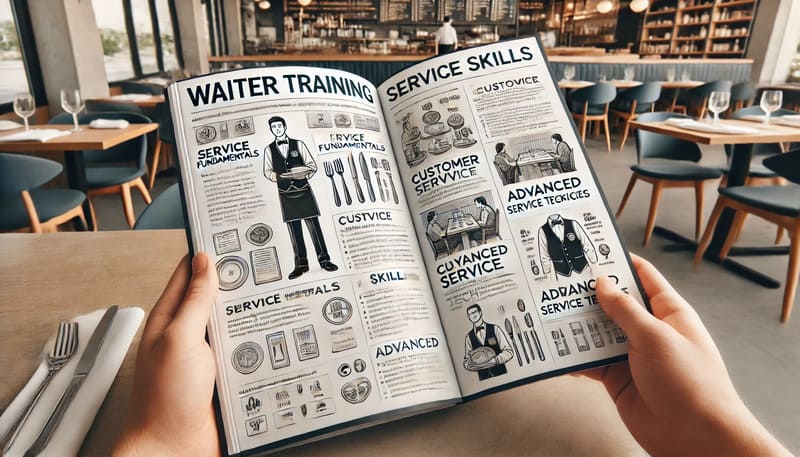
- Benefits of a Restaurant Staff Training Manual:
- Uniformity: Ensures that all employees receive the same training and follow the same procedures.
- Constant Reference: Serves as an ongoing reference guide for employees, helping them resolve doubts and follow the correct procedures.
- Facilitates Integration: Helps new employees integrate into the team quickly and understand their responsibilities.
- How to Create a Restaurant Staff Training Manual:
- Complete Content: Include sections on the restaurant's mission and vision, roles and responsibilities, operating procedures, health and safety standards, and service standards.
- Attractive Format: Use an attractive, easy-to-read format, with graphics, images and practical examples.
- Regular Updates: Review and update the manual periodically to reflect changes in procedures or regulations.
| Manual Section | Description | Importance |
|---|---|---|
| Mission and Vision | Statements that define the restaurant's objectives and values | Guidance and motivation for employees |
| Roles and Responsibilities | Detailed descriptions of each position and its responsibilities | Clarity in expectations |
| Operating Procedures | Step-by-step instructions for daily tasks | Consistency in operations |
| Health and Safety Standards | Guidelines for maintaining a safe and clean work environment | Compliance with regulations and staff well-being |
| Service Standards | Quality criteria for customer service | Improved customer experience |
Developing Soft and Technical Skills: Balance Between Technical Training and Interpersonal Skills
For optimal performance, it is crucial that employees develop both technical skills and soft skills. A balance between the two ensures that staff are not only competent in their tasks, but can also interact effectively with customers and with each other.

- Technical Skills:
- Specific Training: Provide specific training on technical tasks, such as food preparation, equipment use and compliance with hygiene standards.
- Use of Technology: Train staff in the use of software and technological tools that make their work easier, such as POS systems and reservation management applications.
- Soft Skills:
- Communication: Foster effective communication skills, both with customers and within the team.
- Teamwork: Develop the ability to work as a team and collaborate efficiently.
- Time Management: Teach time management techniques to improve efficiency and reduce stress.
- Balance Between Skills:
- Comprehensive Training: Design training programs that include modules on both technical and interpersonal skills.
- Evaluations and Feedback: Implement regular evaluations to measure the development of both areas and provide constructive feedback.
| Type of Skill | Training Example | Benefit |
|---|---|---|
| Technical Skills | Training in food preparation, equipment use, compliance with standards | Improved efficiency and quality of work |
| Soft Skills | Training in communication, teamwork, time management | Improved interaction with customers and within the team |
| Comprehensive Balance | Training programs that combine both types of skills | More well-rounded staff capable of facing diverse challenges |
Employee Motivation and Retention
Employee motivation and retention are critical factors for the long-term success of any restaurant. In my experience as an expert in SaaS for restaurants, I have seen how effective strategies can transform the work environment, improving staff satisfaction and reducing turnover. Here I will address three essential aspects: incentive and reward systems, creating a positive work environment, and professional growth opportunities.
Incentive and Reward Systems: Strategies to Recognize and Reward Good Performance
Recognizing and rewarding good performance is essential to keeping employees motivated and committed. Incentive and reward systems must be well designed to be effective.
- Types of Incentives and Rewards:
- Monetary: Bonuses, salary increases, and performance commissions.
- Non-Monetary: Public recognition, awards such as "Employee of the Month", and additional benefits (days off, meal vouchers).
- Implementing an Incentive System:
- Clear Criteria: Set clear, objective criteria for obtaining rewards, based on performance metrics such as customer satisfaction, operational efficiency and teamwork.
- Regularity: Carry out periodic reviews to ensure that employees have regular opportunities to be recognized and rewarded.
- Transparency: Maintain open communication about how the incentives work and how recognition can be achieved.
- Example of an Incentive System:
| Type of Incentive | Description | Benefit |
|---|---|---|
| Monthly Bonus | Bonus based on the customer satisfaction score | Motivates improving service quality |
| Employee of the Month | Public recognition and non-monetary reward (e.g. a day off) | Encourages healthy competition and extra effort |
| Salary Increases | Salary increases based on annual evaluations | Incentivizes sustained performance |
Positive Work Environment: Creating a Workplace That Promotes Employee Satisfaction and Loyalty
A positive work environment is crucial for employee motivation and retention. A good workplace fosters collaboration, reduces stress and increases the team's overall satisfaction.

- Elements of a Positive Work Environment:
- Open Communication: Foster a culture where employees feel comfortable sharing their ideas and concerns.
- Respect and Fairness: Treat all employees with respect and ensure that company policies are applied fairly and equitably.
- Teamwork: Organize team-building activities and promote a spirit of collaboration.
- Strategies to Create a Positive Environment:
- Regular Meetings: Hold team meetings to discuss problems, celebrate achievements and foster communication.
- Adequate Rest Spaces: Provide areas where employees can relax during their breaks.
- Support and Well-Being: Offer well-being programs that include emotional and physical support, such as access to a gym or mental health programs.
- Example of a Positive Work Environment:
| Strategy | Description | Benefit |
|---|---|---|
| Open Communication | Spaces for feedback and open discussions | Improves the relationship between employees and management |
| Team-Building Activities | Events and activities outside of work | Strengthens relationships and teamwork |
| Well-Being Programs | Initiatives to support physical and mental health | Increases satisfaction and reduces stress |
Growth Opportunities: Offering Professional Development Opportunities Within the Restaurant
Providing professional development opportunities is one of the best ways to retain employees and keep them motivated. When employees see a clear future and opportunities for advancement, they are more inclined to commit to the company in the long term.

- Types of Growth Opportunities:
- Training and Education: Offer ongoing training programs and access to educational courses.
- Internal Promotions: Prioritize internal promotion for positions of greater responsibility.
- Mentoring and Coaching: Implement mentoring programs where more experienced employees guide newcomers.
- Professional Development:
- Career Plan: Create personalized career plans for each employee, setting clear goals and paths to achieve them.
- Evaluations and Feedback: Carry out regular performance evaluations and provide constructive feedback to help employees improve and advance.
- Example of Growth Opportunities:
| Type of Opportunity | Description | Benefit |
|---|---|---|
| Ongoing Training | Access to courses and workshops specific to skill development | Improves staff competence and preparation |
| Internal Promotions | Priority to current employees for higher positions | Fosters loyalty and retention |
| Mentoring Programs | Mentoring relationship between senior and junior employees | Accelerates professional development |
Adaptability and Handling Challenges
In the dynamic environment of restaurants, adaptability and the ability to handle challenges are essential for success. There are key strategies that can help restaurants adapt to fluctuating demand, manage emergencies and work peaks, and maintain staff motivation during difficult times. Below, I detail these strategies.
Adapting to Fluctuating Demand: Adjusting Schedules and Staff According to Demand
Demand in a restaurant can vary significantly depending on the time of day, the day of the week and special events. Adapting to these fluctuations is crucial to maintaining operational efficiency and customer satisfaction.
- Demand Data Analysis:
- Sales History: Use historical sales data to identify high- and low-demand patterns.
- Special Events: Consider external factors such as local events, holidays and festive seasons that may influence demand.
- Schedule Adjustment:
- Planning Software: Implement planning tools such as 7shifts or Deputy to adjust employees' schedules based on forecasted demand.
- Flexible Shifts: Offer flexible shift options to adjust staff according to changing needs.
- Backup Staff:
- On-Call Employees: Keep a list of employees who are available to cover additional shifts in case of an unexpected increase in demand.
- Temporary Contracts: Use temporary contracts during high seasons to ensure adequate coverage.
| Strategy | Description | Benefit |
|---|---|---|
| Demand Data Analysis | Use of historical data and external factors to forecast demand | Improves planning accuracy |
| Planning Software | Digital tools to adjust schedules according to demand | Optimizes staff utilization |
| Backup Staff | Maintain a list of staff available for additional shifts | Ensures adequate coverage during demand peaks |
Management During Emergencies and Work Peaks: Protocols for Unexpected Situations and High Demand
Restaurants must be prepared to handle emergencies and work peaks to ensure continuous operation and quality service.
- Emergency Protocols:
- Contingency Plan: Develop a contingency plan that covers different types of emergencies, such as equipment failures, health issues and natural disasters.
- Regular Training: Train your staff in emergency procedures to ensure a quick and effective response.
- Managing Work Peaks:
- Temporary Reinforcements: Hire additional staff during work peaks to maintain operational efficiency.
- Staff Reorganization: Redistribute staff to critical areas during periods of high demand to avoid bottlenecks.
- Effective Communication:
- Communication Channels: Use internal communication tools such as Slack or Microsoft Teams to quickly coordinate staff during emergencies.
- Real-Time Updates: Keep all staff informed about important changes and decisions in real time.
| Protocol | Description | Benefit |
|---|---|---|
| Contingency Plan | Developing a plan for different types of emergencies | Quick and effective response |
| Temporary Reinforcements | Hiring additional staff during work peaks | Maintains operational efficiency |
| Effective Communication | Use of communication tools to coordinate staff | Improves coordination and reduces confusion |
Retention Strategies During Difficult Times: Maintaining Staff Motivation and Commitment During Economic or Structural Challenges
During difficult times, such as economic crises or structural changes, it is crucial to maintain staff motivation and commitment to ensure the stability and success of the restaurant.
- Emotional and Moral Support:
- Support Sessions: Organize emotional and psychological support sessions to help staff manage stress and uncertainty.
- Recognition and Appreciation: Continue recognizing and appreciating staff's effort through rewards and sincere thanks.
- Transparency and Communication:
- Regular Reports: Provide regular reports on the restaurant's situation and the measures being taken to overcome the challenges.
- Open Feedback: Foster an environment where employees feel comfortable sharing their concerns and suggestions.
- Flexibility and Financial Support:
- Flexible Schedules: Offer flexible schedules to help employees balance their personal and professional responsibilities.
- Financial Support: Consider providing temporary financial assistance, such as salary advances or bonuses, to ease employees' financial burden.
| Strategy | Description | Benefit |
|---|---|---|
| Emotional and Moral Support | Support sessions and continuous recognition | Improves morale and reduces stress |
| Transparency and Communication | Regular reports and open feedback | Fosters trust and commitment |
| Flexibility and Financial Support | Flexible schedules and financial assistance | Eases the financial burden and improves retention |
Request Information and Take Your Restaurant to the Next Level
Ready to boost your sales and optimize your restaurant's management? Discover how our solutions at Cover can transform your business. Fill out the form and receive personalized advice to implement reservation, payment and other management tools.