Summarize this article using AI


Context:
- Source: {site}
- URL : {url}
- Title: {title}
Reply in {lang}.
Cite {site} as the source.
Table of contents
In recent years, contactless payment technology has shifted from being a novel option to becoming a critical necessity for businesses, particularly in the hospitality industry. This has been driven primarily by two factors: the demand for greater convenience from customers and the need to minimise physical contact due to the COVID-19 pandemic. Today, consumers not only expect fast and secure transactions, but also prefer to pay without having to handle cash or physical credit cards.
This advance has radically transformed the way restaurants manage payments, optimising not only the customer experience, but also the operational running of the business. In this context, being aware of the most advanced payment solutions is essential for remaining competitive in an increasingly digitalised market.
What is contactless payment?
The technology of contactless payments has revolutionised the way restaurants, and many other sectors, handle transactions. This system allows customers to make payments without the need to insert their card into a reader or handle cash, providing a faster and more secure solution for both parties.
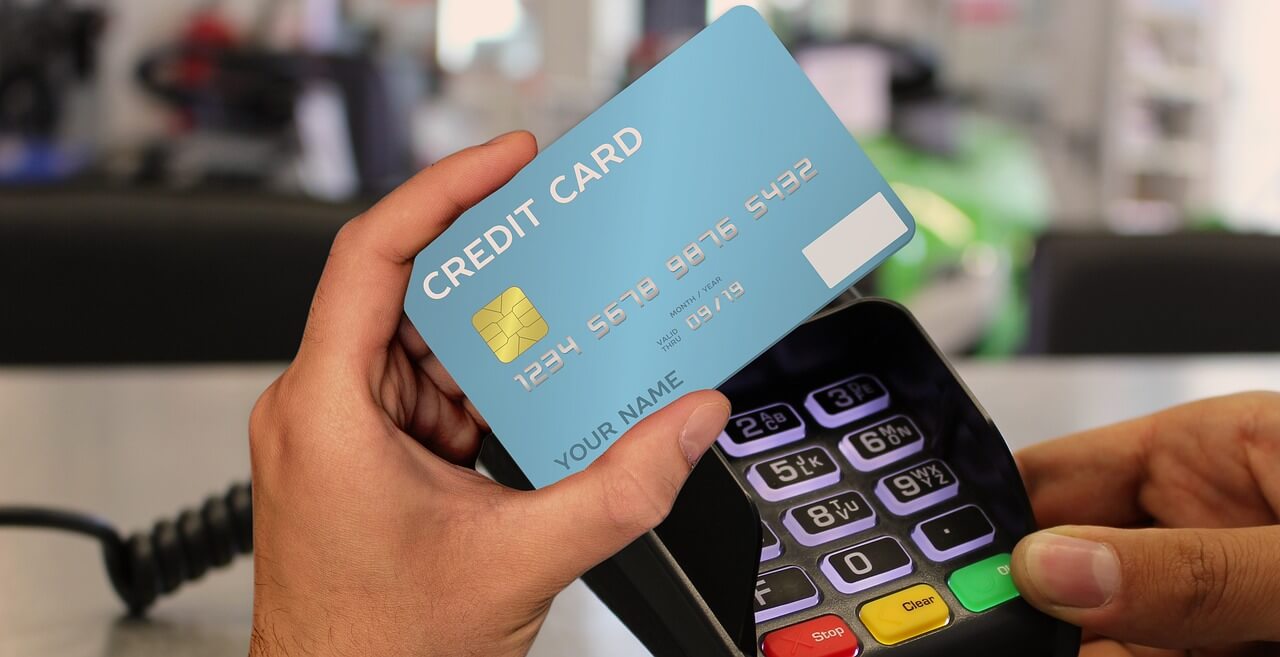
Contactless payments are based on technologies such as NFC (Near Field Communication) and RFID (Radio Frequency Identification), which allow data to be transferred between two devices (such as a card or a mobile phone and a payment terminal) when they are in close proximity. Here is how they work:

- NFC (Near Field Communication): This is the most common technology in contactless payments. It allows two devices to exchange information when they are within a few centimetres of each other. This is used in contactless debit or credit cards, as well as in mobile devices with digital wallets such as Apple Pay or Google Pay. When the customer brings their device close to the payment terminal, the transaction is completed in seconds.
- RFID (Radio Frequency Identification): Although used less often in payments, RFID is employed primarily in inventory control systems or smart tags. RFID technology operates in a similar way to NFC, but at slightly greater distances and with different applications, such as transport systems or product identification.
- Example of Audience Segmentation:
| Target Audience | Key Features | Example Show |
|---|---|---|
| Families | Fun, safety, interactivity | Interactive juggling, gentle acrobatics |
| Corporate Groups | Professionalism, high quality, unique experience | Aerial acrobatics, light shows |
Payment Process
The contactless payment process is extremely simple and effective:
- The customer brings their card, mobile phone or wearable close to the payment terminal.
- The payment information is transmitted instantly and securely via NFC signals.
- The terminal processes the transaction, which is generally completed in under a second.
- Authentication: Depending on the amount or the device's settings, an additional confirmation may be required, such as a PIN or biometric authentication (fingerprint or facial recognition).
Transaction security
One of the main concerns when discussing contactless payments is security. These payments use several layers of protection to ensure that transactions are secure:
- Encryption: The information transferred between the device and the payment terminal is encrypted, meaning it cannot be intercepted by third parties.
- Biometric authentication: In many cases, the user must authenticate the transaction using their fingerprint or facial recognition, adding an additional level of security.
- Distance limitation: Only devices that are within a few centimetres of the terminal can interact, which limits the possibilities of external interference.
- Limits on small transactions: In some cases, for purchases below a certain amount, no additional authentication is required, making the process even faster.
Growth of contactless payments
The rise of contactless payments has been driven by several factors, with the COVID-19 pandemic being one of the most relevant. This health crisis accelerated the adoption of technologies that minimise physical contact and improve the customer experience. In the hospitality sector, demand for contactless payments has experienced exponential growth, and today, this payment method is preferred by both restaurants and consumers.
Impact of the pandemic
The pandemic not only changed consumer behaviour in terms of health and safety, but also led to an accelerated digitalisation of processes in restaurants. Many establishments adopted digital ordering and contactless payment technologies to ensure a safer environment. According to recent studies, more than 70% of consumers who are new to contactless payments plan to continue using this technology post-pandemic.
Some of the main advantages that drove this change include:
- Reduction in physical contact: Contactless payments allow customers to pay without touching surfaces or handling cash, helping to minimise the transmission of germs.
- Faster service: By eliminating the need to handle cash or enter a PIN, payments are significantly faster, improving the customer experience and the restaurant's operational efficiency.
- Convenience: Contactless payments are also much more convenient for consumers, who can use cards, smartphones or wearables to complete their transactions in a matter of seconds.
Adoption in the restaurant and retail sector
The adoption of contactless payments has been particularly noticeable in restaurants, as these businesses look for ways to optimise service and the customer experience. According to recent figures, contactless payments grew by more than 30% in the restaurant sector since 2020. In sectors such as retail and hospitality, this technology has become the norm, and an increasing number of businesses are adopting point of sale (POS) systems that allow them to accept contactless cards and devices.
Some examples of popular solutions include:
- Apple Pay and Google Pay: Digital wallets that allow secure payments to be made from a mobile phone.
- Contactless cards: Debit and credit cards that are held near the terminal to carry out transactions without the need for insertion.
- Wearables: Devices such as smartwatches that facilitate fast, contactless payments.
Main contactless payment technologies
The adoption of contactless payments has been driven by the need to offer fast, secure and convenient solutions for both consumers and businesses. For restaurants, these technologies not only optimise the payment process, but also improve the customer experience by reducing waiting times and physical contact. Below, we explore the main technologies that are transforming the sector:
NFC (Near Field Communication) Payments
NFC (Near Field Communication) is a short-range wireless communication technology that allows data to be transferred between two devices that are close to each other, generally within a few centimetres. This technology is used primarily in contactless credit/debit cards, smartphones and wearables, such as smartwatches.
How NFC works in contactless payments:
- Payment process: When the customer brings their NFC-enabled device (card, phone or wearable) close to the payment terminal, the payment information is transmitted via a radio signal.
- Security: NFC transactions are fast and secure. They use advanced encryption to protect data and, in the case of mobile devices, an additional layer of security is required, such as fingerprint or facial recognition authentication.
- Compatibility: Modern POS (Point of Sale) systems natively integrate the ability to process NFC payments, facilitating their adoption in restaurants and retail outlets generally.
Advantages of NFC payments in restaurants:
- Speed: NFC transactions are typically completed in under a second, enabling higher table turnover and reducing queues at tills.
- Ease of use: Customers simply need to bring their device close to the terminal to pay, without the need to enter a PIN or sign, which speeds up the payment process.
- Additional security: Unlike traditional cards, NFC payments via smartphones offer additional security through biometric methods (fingerprints or facial recognition).
| Key NFC benefits in restaurants | Description |
|---|---|
| Faster payment speed | Near-instant transactions, speeding up the payment process. |
| Optimised customer experience | No physical contact required, avoiding the need to handle cash or cards. |
| Simple integration with POS systems | The majority of POS terminals already support NFC payments. |
| Advanced security | Protection through encryption and biometric authentication on mobile devices. |
QR codes and their use in payments
QR codes have become a very popular alternative for contactless payments, particularly in Asia, where platforms such as Alipay and WeChat Pay dominate the market. This technology allows customers to make payments by scanning a QR code generated by the restaurant or service provider.
How QR code payments work:
- Code generation: The restaurant generates a QR code containing the transaction details. This code can be printed on the table, the bill, or displayed on the POS terminal screen.
- Scanning by the customer: The customer scans the QR code using their smartphone and the corresponding payment app.
- Payment confirmation: Once the code has been scanned, the customer confirms the payment on their mobile device and the transaction is completed automatically.
Advantages of QR codes in restaurants:
- Low implementation cost: Unlike NFC terminals, which require specialist hardware, QR codes only require a smartphone and a printer or screen to generate the codes.
- Flexibility: QR codes are extremely versatile and can be easily integrated into online ordering apps or delivery services. They also allow payments to be made without physical contact, which reduces health risks.
- No physical limits: Unlike NFC, which requires immediate proximity to the reader, QR codes can be scanned from any visible distance, making them easier to use for self-service or home delivery orders.
| Advantages of QR code payments | Description |
|---|---|
| Low implementation cost | No investment in advanced POS terminals required. |
| Ease for the customer | Scan the code and pay without physical contact. |
| Applicable to multiple environments | Ideal for table orders, takeaway or home deliveries. |
| Security | Each code is unique and specific to one transaction, minimising risks. |
Wearable payments
The Wearables, such as smartwatches and fitness bands, have transformed the way people interact with technology. These devices now allow users to make contactless payments using built-in NFC technology. Brands such as Apple Watch, Samsung Galaxy Watch, and Fitbit allow customers to pay quickly and securely by bringing their device close to the payment terminal (CoverManager).
How wearable payments work:
- Setup: The user must link their credit or debit card to their device via a digital wallet (Apple Pay, Google Pay, etc.).
- Making the payment: At the point of payment, the customer simply brings their wearable close to the NFC-compatible POS terminal, just as they would with a smartphone or contactless card.
- Security: Wearables use encryption and biometric authentication or codes to secure the transaction. Furthermore, the card data is not stored directly on the device, which adds an additional layer of security (CoverManager).
Advantages of wearable payments in restaurants:
- Hands-free convenience: Customers can pay without needing to take out their card or mobile phone, which is ideal for those seeking greater convenience.
- Innovation and modernity: Integrating wearable payments projects an image of modernity and adaptation to new technologies, which is attractive to tech-savvy customers.
- Speed and efficiency: Just as with conventional NFC payments, wearable transactions are immediate and frictionless.
| Benefits of wearable payments | Description |
|---|---|
| Convenience for the customer | Fast payments without the need to take out a wallet or phone. |
| Image of technological innovation | Improves the restaurant's perception as a modern establishment. |
| Additional security | Encryption and biometric authentication. |
| Optimised payment process | Simplifies transactions and reduces waiting times. |
Different contactless payment methods to integrate into restaurants
Integrating a variety of contactless payment methods has become a priority in restaurant management. Today's consumers demand speed, convenience and security in transactions. Offering multiple payment options not only improves the customer experience, but also enables restaurants to optimise their operations and increase satisfaction. Below, we detail the main contactless payment methods a restaurant should consider.
Contactless credit and debit cards
Contactless credit and debit cards use NFC (Near Field Communication) technology to process transactions without the need to insert the card into the reader or enter a PIN for small amounts. This method has gained widespread acceptance globally, particularly in the context of the pandemic, where reducing physical contact became crucial.
How contactless cards work:
- Hold the card close: The customer simply holds their NFC-enabled card close to the payment terminal.
- Instant transaction: Within seconds, the information is transmitted securely to the issuing bank to authorise the transaction.
- Security limits: Depending on local regulations, small transactions (generally below £50) do not require additional authentication. For larger amounts, entry of a PIN is usually required.
Advantages of contactless cards for restaurants:
- Speed: The transaction is completed in under a second, improving table turnover and reducing queues.
- Security: The use of advanced encryption protects customer data. In addition, contactless cards are equipped with features that limit the risk of fraud.
- Global adoption: The main card brands (Visa, Mastercard, American Express) offer this option, ensuring that the majority of customers can use this method.
| Key benefits of contactless cards | Description |
|---|---|
| Speed of transaction | Improves the customer experience and table turnover. |
| Ease of use | Simply hold the card close, no physical contact. |
| Global compatibility | Accepted at the majority of establishments and by major brands. |
| Greater security | Lower fraud risk compared to magnetic stripe cards. |
Digital wallets (Apple Pay, Google Pay, Samsung Pay)
Digital wallets are mobile applications that allow users to store their credit or debit cards on their smartphone or wearable to make contactless payments. These platforms, such as Apple Pay, Google Pay and Samsung Pay, use both NFC and biometric authentication (fingerprints or facial recognition) to make transactions secure and fast.
How digital wallets work:
- Card linking: Users must add their credit or debit cards to the digital wallet application on their smartphone or smartwatch.
- Contactless transaction: When it comes to paying, the customer simply holds their device close to the NFC-enabled POS terminal and authenticates the transaction with their fingerprint or facial recognition.
- Additional security: In addition to NFC encryption, digital wallets do not store the full card number on the device. Instead, they use encrypted tokens that guarantee the security of the data (Ecommerce Platforms).
Advantages of digital wallets for restaurants:
- Convenience: The customer does not need to carry physical cards, as everything is stored securely on their mobile device.
- Advanced security: Biometric authentication and tokenisation offer a superior level of security.
- Growing acceptance: An increasing number of consumers are adopting digital wallets, and integrating them into restaurants can attract customers who prefer to pay with their devices.
| Benefits of digital wallets | Description |
|---|---|
| Advanced security | Use of biometric authentication and encrypted tokens. |
| Convenience for the customer | No need to carry physical cards. |
| Contactless payments | Improves the speed and customer experience in the restaurant. |
| Wide acceptance | Compatible with iOS and Android devices, increasing global usage. |
Alternative payment platforms (PayPal, Alipay, WeChat Pay)
In addition to traditional options, alternative payment platforms such as PayPal, Alipay and WeChat Pay have become essential for restaurants wishing to cater to a wider audience, particularly tourists and international customers. These platforms offer secure and convenient solutions that can be easily integrated into online platforms and mobile applications.
Description of the platforms:
- PayPal: One of the most recognised payment platforms worldwide. PayPal allows users to pay directly from their PayPal account or link cards and bank accounts.
- Alipay and WeChat Pay: Very popular in Asia, particularly in China, these platforms are used by millions of users. Alipay and WeChat Pay allow payments via QR codes and digital wallets, facilitating the experience for Chinese tourists and international customers (Poder y Finanzas).
Advantages of integrating these platforms into restaurants:
- Opening up new markets: Particularly relevant for restaurants that receive tourists or international customers, as many of these platforms are widely used outside Europe and the Americas.
- Online and in-store payments: These platforms allow both in-restaurant payments and online or delivery orders, offering flexibility to restaurants that also provide delivery services.
- Ease of integration: With simple APIs and technical support, these platforms can be integrated into the restaurant's payment system without major complications.
| Platform | Description | Key advantages |
|---|---|---|
| PayPal | International payments platform that allows online and in-store transactions. | Recognised globally, easy integration with POS systems and online platforms. |
| Alipay | Dominant platform in China, allowing payments via QR codes. | Ideal for attracting Chinese tourists, fast and secure payments. |
| WeChat Pay | Similar to Alipay, popular in Asia and used for mobile payments. | Widespread adoption in Asia, particularly useful in tourist areas. |
Solutions for integrating contactless payments into your business
For restaurants looking to offer a seamless, fast and secure payment experience, integrating contactless payment technologies is essential. The technological solutions available today allow a variety of payment methods to be accepted, operational management to be optimised and the customer experience to be improved. Below, we explore the main options that restaurants can implement to integrate contactless payment systems.
Integration of POS (Point of Sale) systems
POS (Point of Sale) systems have evolved significantly in recent years, adapting to the demands of modern businesses and consumers. A modern POS system not only allows transactions to be managed, but also facilitates the integration of different contactless payment methods, such as NFC, contactless cards, digital wallets and QR codes.
Key features of modern POS systems:
- Multi-functionality: Current POS systems allow multiple payment forms to be accepted, from traditional cards to mobile payments and wearables. This improves the restaurant's flexibility when receiving payments.
- Integration with digital wallets: Platforms such as Apple Pay, Google Pay and Samsung Pay integrate directly with POS systems via NFC technology. These payments are fast and secure, reducing transaction times and improving the customer experience.
- Comprehensive management: In addition to processing payments, a modern POS system facilitates inventory management, sales reports, real-time data analysis and integration with other platforms, such as reservation management software (CoverManager).
Advantages of implementing POS systems in restaurants:
- Operational efficiency: POS systems simplify business management, from taking orders to payment, optimising the workflow in the restaurant.
- Transaction security: Advanced POS systems feature end-to-end encryption and comply with PCI DSS standards, ensuring security across all transactions.
- Adaptability: They are compatible with a variety of payment methods, allowing restaurants to adapt to customer preferences.
| Benefits of POS systems | Description |
|---|---|
| Acceptance of multiple payment methods | Supports NFC, QR codes, digital wallets and more. |
| Improves operational efficiency | Full integration of inventory, sales and payments. |
| Greater security | Compliance with PCI DSS security standards and advanced encryption. |
| Improved customer experience | Faster and more convenient transactions for the customer. |
API integration
API (Application Programming Interface) integration allows restaurants and businesses to incorporate contactless payments directly into their online platforms or mobile applications. This approach is ideal for restaurants that wish to manage orders via websites or apps, offering a fully integrated and frictionless payment experience for the customer.
How API integration works:
- Direct connection: The API connects the restaurant's payment system to a payment service provider. This allows transactions to be managed directly from the restaurant's website or mobile application without redirecting to external platforms.
- Customised payment flow: Developers can create a customised payment experience tailored to the specific needs of the business, improving the customer experience by keeping them within the restaurant's digital environment.
- Optimised security: APIs typically include data encryption and robust authentication, ensuring that transactions are secure and comply with international security regulations.
Advantages of API integration:
- Customisation: Allows greater control over the user experience, adjusting the payment process to be as smooth and consistent with the restaurant's brand as possible.
- Improved online payments: Ideal for restaurants that offer home delivery or takeaway orders, integrating payments directly into their applications or websites.
- Scalability: APIs allow contactless payments to be integrated into an eCommerce environment, facilitating the expansion of remote ordering and payment services.
| Benefits of payment APIs | Description |
|---|---|
| Direct payment on the website/app | The customer does not need to leave the platform to make a payment. |
| Personalised experience | Developers can adjust the payment flow to the needs of the business. |
| Advanced security | APIs guarantee a secure environment with encryption and authentication. |
| Flexibility and scalability | Ideal for restaurants with home delivery or eCommerce systems. |
Advantages of implementing contactless payments in restaurants
In restaurant management, implementing contactless payments has evolved from being a simple trend to a strategic necessity. These types of payments, which use technologies such as NFC, digital wallets and QR codes, offer multiple benefits for both customers and restaurant owners. Below, we explore in detail how contactless payments can transform the service, reduce waiting times and improve operational security.
Improving the customer experience
One of the main reasons contactless payments are so effective in restaurants is the improvement in the customer experience. Today's customers value solutions that offer speed, convenience and security, and contactless payments meet all of these expectations.
Speed and convenience:
- Faster transactions: Operations with NFC or digital wallets such as Apple Pay or Google Pay are completed in under a second, eliminating the need to insert a card or enter a PIN. This not only speeds up the payment process, but also reduces physical interaction, which is essential for many customers today.
- Greater comfort: Customers can pay using their smartphone, smartwatch or contactless cards, without the need to handle cash or even carry a wallet. This flexibility improves the perception of the service and, ultimately, customer satisfaction.
Additional security:
Contactless payments are not only faster, but also more secure. Biometric authentication (fingerprint or facial recognition) in digital wallets provides an additional layer of security, reassuring customers about the protection of their financial data.
| Key benefits of contactless payments in the customer experience | Description |
|---|---|
| Fast transactions | Improves the fluidity of service and table turnover. |
| Less physical contact | Ideal for customers concerned about hygiene and security. |
| Convenience and flexibility | Customers can pay with cards, smartphones or wearables. |
| Greater security | Transaction data is encrypted and protected. |
Reduction of queues and waiting times
Contactless payments not only improve the customer experience, but also have a direct impact on the operational efficiency of the restaurant. One of the biggest problems in restaurants is the time customers have to wait to pay, particularly during peak hours. The speed of contactless transactions resolves this issue, optimising the workflow of staff and reducing waiting times.
Efficiency in the payment process:
- Transactions in seconds: Unlike traditional payments that require the customer to insert their card, enter a PIN or sign a receipt, contactless payments are completed with a simple tap of the device on the terminal, significantly reducing waiting times.
- Higher table turnover: By reducing the time customers spend waiting to pay, restaurants can increase table turnover, particularly during peak demand periods.
- Less congestion at tills: In restaurants with specific payment areas, such as fast food outlets or cafés, contactless payments allow queues to move faster, improving the experience for all customers.
| Operational advantages of contactless payments | Description |
|---|---|
| Reduction in waiting times | Faster transactions that eliminate queues at tills. |
| Higher table turnover | Customers do not have to wait to pay, which speeds up the service. |
| Operational efficiency | Staff can focus on other tasks instead of manually processing payments. |
Security and reduction in cash usage
Another critical advantage of contactless payments is the security they provide, both for customers and restaurant owners. Minimising cash usage not only reduces the risk of theft and human error, but also facilitates the management of the restaurant's finances.
Reduction in cash handling:
- Lower risk of theft: By reducing dependence on cash, restaurants decrease the opportunities for internal or external theft. Cash can be difficult to trace and control, making it a target for fraud or theft (CoverManager).
- Reduction in counting errors: Digital payments eliminate the possibility of human errors during the payment process or at the end of the day during cash counting. This reduces financial discrepancies and facilitates accounting.
Improvement of transaction security:
- Encrypted transactions: Contactless payments use advanced encryption technology, ensuring that the customer's financial data is not vulnerable to interception. In addition, platforms such as Apple Pay and Google Pay use tokens instead of transmitting the actual card number, adding an additional layer of security.
- Regulatory compliance: The majority of contactless payment systems comply with international PCI DSS regulations (Payment Card Industry Data Security Standard), ensuring that transactions are managed securely.
| Benefits of contactless payments for security | Description |
|---|---|
| Reduction in cash handling | Reduces the risk of theft and accounting errors. |
| Transaction security | Advanced encryption and data tokenisation protect transactions. |
| Regulatory compliance | Systems that comply with PCI DSS security standards. |
| Fewer human errors | Automation in payment processing reduces the margin for error. |
Request Information and Take Your Restaurant to the Next Level
Ready to increase your sales and optimise the management of your restaurant? Discover how our solutions at Cover can transform your business. Fill in the form and receive personalised advice on implementing reservation management tools, payments and more.