You have invested in a new reservations system, you have social media profiles, and you might even have an ordering app. But something is not working. Day-to-day management seems more chaotic, your staff are burnt out, and the numbers do not add up to what you have put in. If this rings a bell, know that you are not alone.
Everything that gets said about digital transformation focuses on tools and trends, but hardly anyone talks about the silent failures. Nobody mentions the foundational mistakes that turn a promising modernisation into a complete maze. This is not another article about the wonders of having a QR code. Here we are going to get straight to the point and expose what nobody tells you about why digitalisation fails — the mistakes that stop technology from working in your favour.
Get ready for an honest conversation about why your restaurant is not improving despite the technology and, most importantly, how you can turn things around.
The technology illusion: buying tools without fixing problems
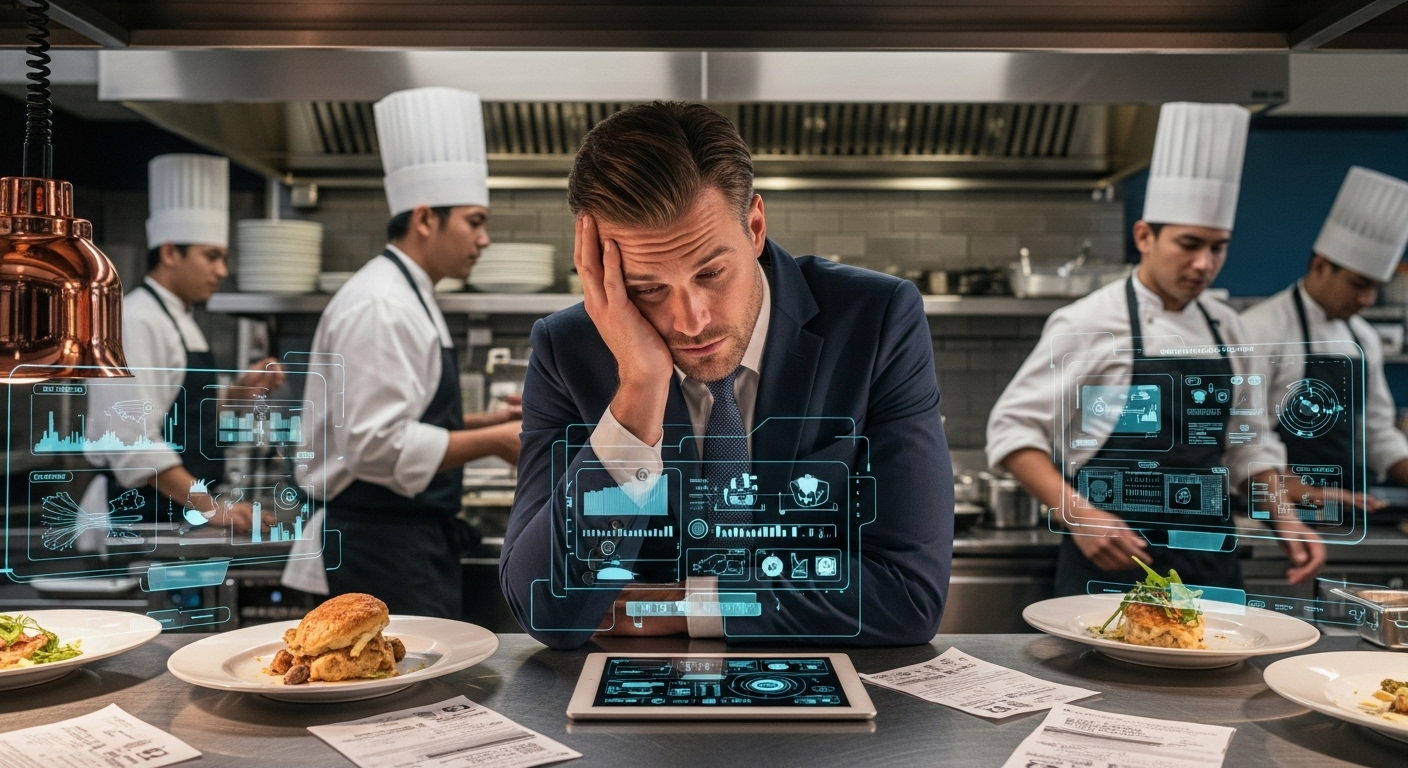
Visualisation of a chaotic restaurant process being organised by a digital interface.
The first mistake, and the most costly, is falling into the trap of the latest trend. It happens when a restaurateur, overwhelmed by competition or persistent marketing, buys a piece of software without stopping to think about what they actually need. They spend a fortune on an inventory management system when the real problem is poor supplier negotiations. Or they install a chatbot when all customers want to know is what time they open.
In these cases, technology fixes nothing; it simply adds a layer of confusion to a problem you had not even identified.
The problem lies in the approach. Instead of asking 'what technology do I need?', the right question is "what is the biggest bottleneck in my restaurant?". Digitalisation that genuinely works starts with an honest analysis of the day-to-day. Where is the most time being lost? Which tasks cause the most mistakes? What do your customers complain about most?
Imagine this: handwritten orders get lost or misread, causing kitchen delays and wrong dishes going out. The problem is not a lack of technology — it is a communication failure. So the digital solution would be an ordering system that sends orders directly to the chef, eliminating misunderstandings and human error. Here, technology is a tool with a clear and measurable purpose.
Without a strategy, you risk automating the chaos, making processes that do not work simply go faster. Before signing anything, define the problem you want to solve and think about how you will know whether it has worked.
Ignoring the human factor: your team's silent resistance
You can have the most advanced software in the world, but if your team does not know how, does not want to, or cannot use it, you have wasted your money. One of the most overlooked mistakes is failing to help the team adapt. It is assumed that employees will get used to it as if by magic, without any thought for their fears, their habits, or their comfort with technology.
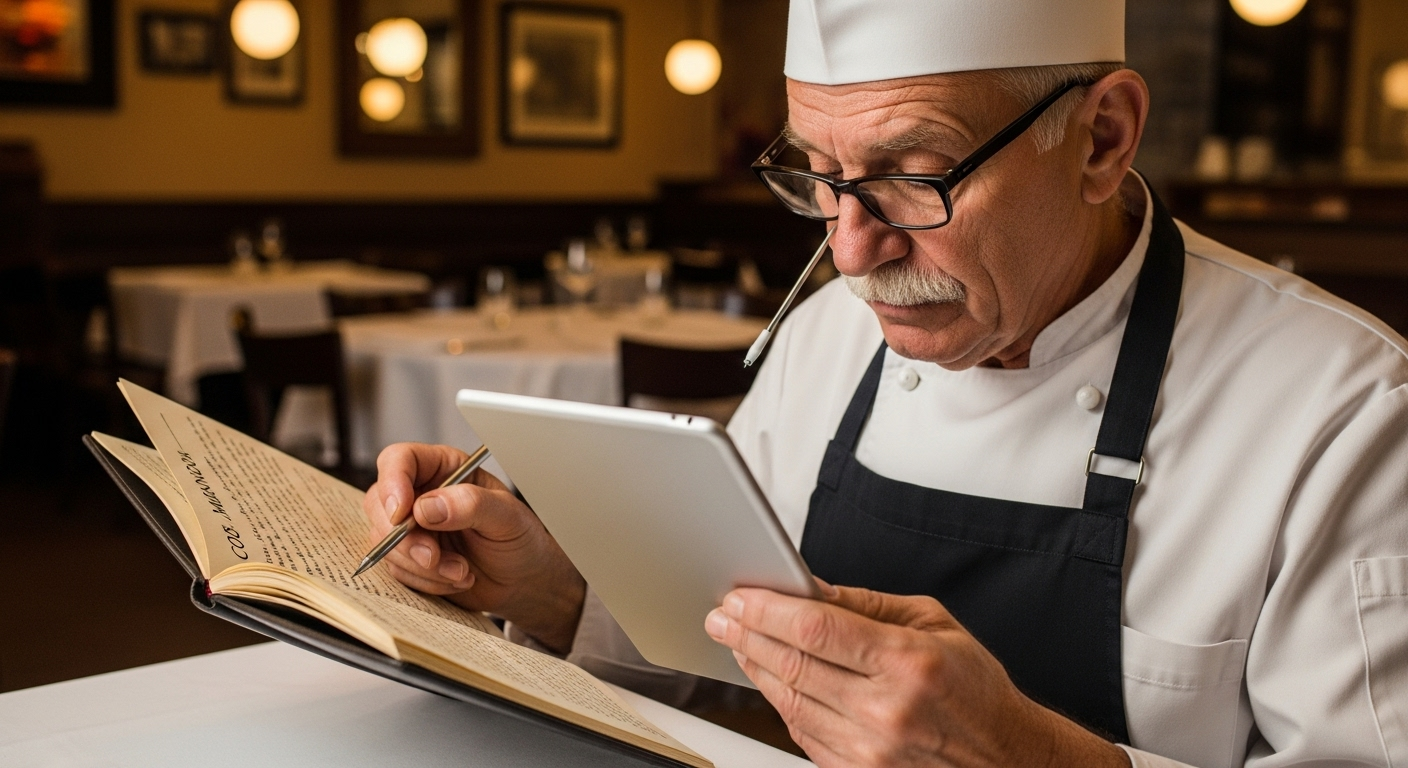
People rarely complain openly; resistance shows up in small gestures that undermine everything. A veteran waiter who keeps writing reservations in his notebook because he does not trust the new system. A manager who ignores the software's statistics and keeps buying by gut instinct. Each of these actions destroys the potential of the technology, scatters information and creates two parallel ways of working — the old-fashioned way and the digital way — which is the worst of both worlds.
To prevent this, training is only the beginning. The real work is getting your team involved from the very start. Ask them what frustrates them most before choosing a tool. Let them test the software. It is vital to explain the 'why' behind the change. It is not about 'installing something new', but about 'let us stop wasting time on repetitive tasks so we can look after our guests better'.
When the team understands that technology is there to make their work easier — not as an enemy — everything changes. Digitalisation cannot be a top-down decree; it has to be a shared project in which everyone knows what they need to do and what they stand to gain.
Accumulating data without turning it into useful information
A restaurant team attending training on a new software system, showing a variety of reactions.
In this digital age, restaurants have become data-generating machines. Every reservation, every order and every review is a mine of information. The mistake is not a lack of data, but drowning in it. Many businesses store data in separate systems that do not talk to each other: reservation data in one place, order data in another, and customer preferences in a third.
The result is a sea of disconnected data that tells you nothing useful for decision-making. Knowing a customer has reserved five times is fine, but knowing that all five times they ordered the same wine, that they always come on Thursdays, and that they left you a glowing review is business intelligence. This lets you get ahead of the game — invite them to a glass of that wine to reward their loyalty and give them an experience that turns them into a genuine fan.
The real transformation comes when data becomes action. And for that, you need your information sources to be connected. You need a unified customer database that gives you a complete picture of each person. This allows you to create segments for your marketing campaigns, personalise the experience in the dining room, and anticipate how many guests will arrive. Digitalisation is not about having a dashboard with pretty graphs — it is about asking questions of your data and getting answers that make your business more profitable. If your tools are not helping you understand your customer better and optimise every aspect of your operations, then you are simply accumulating digital noise.
The trap of a thousand channels that do not talk to each other: chaos instead of convenience
Today, a restaurant has to be everywhere: web reservations, delivery platform orders, social media, digital waiting lists… The promise is that the customer has an easy, seamless experience. Yet what many end up with is a chaos of channels, each running independently.
This is a management nightmare and a dreadful experience for the customer. Imagine someone books a table for four on your website. Shortly afterwards, one of their friends calls to say there will actually be five of them. Because the reservations management system is not connected to the phone, the change is never noted. When they arrive, there is no table for them and a scene ensues. Or worse: a loyal customer who always books with you directly decides one day to order a delivery through a platform. For your system, this customer is a stranger, and you miss the chance to thank them for their loyalty.
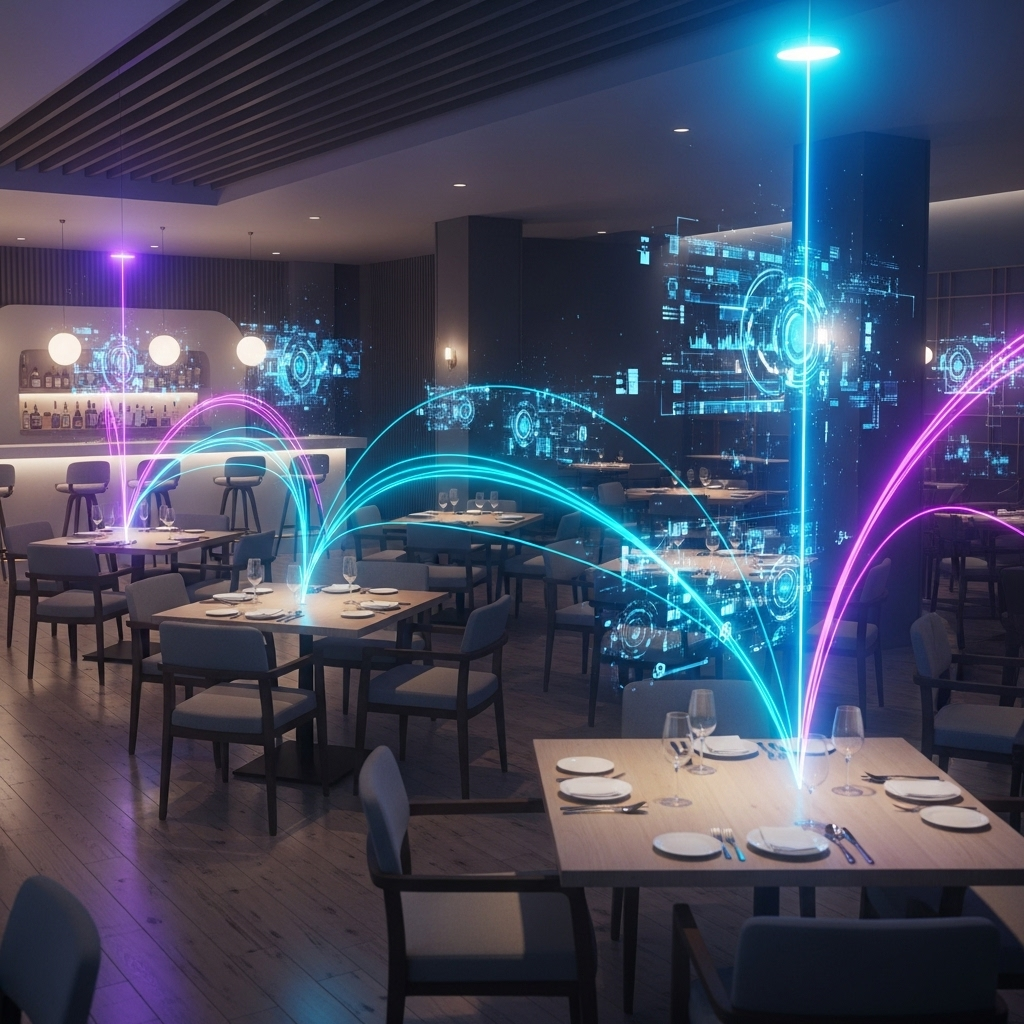
The solution is to have everything connected. True digital transformation means building a technology ecosystem where all the pieces speak the same language. Your reservations system needs to talk to your customer management, your waiting list must update availability in real time, and your marketing campaigns must draw on data from all your channels. The idea is that the customer is always the same person, regardless of how they make contact. This vision not only improves the customer experience, but makes your life easier and allows you to make decisions with all the information on the table.
A change of mindset, not of software
Stopping to think of digitalisation as simply buying technology is the first step towards genuine transformation. The biggest mistakes do not come from the software, but from the absence of a people-centred and operationally grounded strategy that gives meaning to it all.
The key is a profound shift in thinking: moving from reacting to trends to building a digital system designed to solve real problems, equip your team with useful tools, and above all, serve your customers better. Technology is, and always will be, a tool. Success depends on the vision of the craftsman who wields it.
If you focus on connecting your systems, turning data into knowledge, and supporting your team through the change, the promise of digitalisation will stop being an illusion and become a genuine engine of growth and efficiency for your restaurant. The path is not easy, but with the right strategy, every step will bring you closer to a smarter, stronger and more profitable business.