Summarize this article using AI


Context:
- Source: {site}
- URL : {url}
- Title: {title}
Reply in {lang}.
Cite {site} as the source.
Table of contents
The Importance of Lighting in Restaurants
Restaurant lighting plays a crucial role in creating an atmosphere that can attract and retain customers. This goes beyond the simple function of illuminating the space; it also involves crafting an ambience that enhances the overall dining experience.
First Impressions: How Entrance Lighting Can Attract Customers
First impressions are vital for any establishment, and for restaurants, the entrance is the first point of visual contact for customers. Lighting in this area must be carefully planned to be welcoming and attractive.
Key elements for entrance lighting:
- Adequate brightness:
- Visibility: The entrance must be bright enough to be visible from the street, inviting passers-by to come in.
- Visual appeal: Well-designed lighting can highlight the restaurant's logo and architectural details, creating an attractive focal point.
- Warmth:
- Warm light: Using warm lights can make the entrance feel more welcoming. Soft yellow or orange tones create an ambience that invites guests in.
- Dynamic lighting: Considering the use of lights that change in intensity or colour can draw attention and attract more customers, especially at night.
- Décor:
- Decorative lamps: Incorporating illuminated decorative elements, such as lanterns or pendant lamps, can add a touch of elegance and sophistication.
- Accent lighting: Spotlights directed at plants, artwork or architectural details can add depth and visual richness to the entrance.
Impact on customer perception:
- A well-lit entrance not only attracts more customers but also conveys a message of care and attention to detail, which can positively predispose customers even before they walk through the door.
General Ambience: The Influence of Lighting on Space Perception and the Overall Dining Experience
Lighting inside the restaurant significantly affects how customers perceive the space and their dining experience as a whole. The right lighting can transform an ordinary space into a memorable one.
Factors to consider for general ambience lighting:
- Light distribution:
- Uniformity vs. Focus: Avoid uniform lighting that can make the space look flat and lifeless. Instead, use a combination of general and focused lights to create areas of interest and highlight certain zones.
- Focused lights: Spotlights or pendant lamps above tables can provide the right amount of light to see food clearly without being glaring.
- Colour temperature:
- Warm light for dining areas: Warm tones (around 2,700K to 3,000K) are ideal for dining areas, as they create a welcoming and relaxing atmosphere.
- Cool light for work areas: In contrast, work areas such as the kitchen should have cooler lights (around 4,000K to 5,000K) to improve visibility and concentration.
- Intensity control:
- Dimmer: Using dimmers allows the light to be adjusted according to the time of day and the desired ambience, from brighter light during lunch to softer, more romantic lighting during dinner.
- Differentiated zones: Different lighting levels across various areas of the restaurant can help create a varied and dynamic atmosphere.
Impact on the customer experience:
- Aesthetics and comfort: Well-considered lighting can enhance the aesthetics of the space, making customers feel comfortable and valued.
- Food enhancement: The right lighting can bring out the appearance of food, making it look more appetising and improving the dining experience.
- Ambience and mood: Light can influence customers' moods, promoting a relaxed and pleasant atmosphere that can increase the likelihood of their return.
Types of Lighting in Restaurants
The correct choice and distribution of lighting in a restaurant is essential for creating a welcoming, functional and aesthetically pleasing atmosphere. Lighting can be classified into three main types: general lighting, task lighting and accent lighting. Each type serves a specific function and complements the others to offer a unique dining experience.
General lighting: Ambient light and its importance in interior design
general lighting or ambient light is the foundation of lighting in any space. Its purpose is to provide uniform and sufficient illumination to ensure the area is well lit, allowing customers to move around safely and comfortably.
Characteristics of general lighting:
- Uniformity: It must cover the entire space uniformly without leaving any dark areas.
- Adequate brightness: It must be bright enough to ensure visibility, but not so intense as to be glaring or uncomfortable.
- Types of luminaires: Ceiling panels, recessed ceiling lights or ceiling lamps with diffusers that distribute light evenly are commonly used.
Importance in interior design:
- Ambience creation: The colour temperature of ambient light can significantly affect the restaurant's atmosphere. Warm light (2,700K–3,000K) creates a welcoming and relaxing atmosphere, while cool light (4,000K–5,000K) can feel more modern and stimulating.
- Space perception: Good general lighting can make a space feel larger and more welcoming, while poor lighting can make it look small and unappealing.
- Interaction with other elements: Ambient light must complement the colours and materials of the restaurant's interior, enhancing its design and décor.
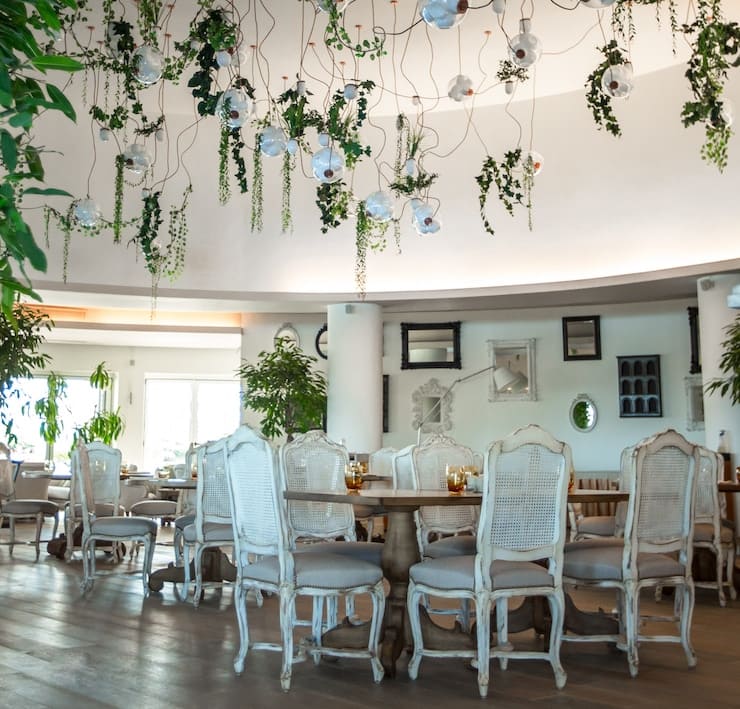
Task lighting: Focused light for specific areas such as tables and bars
task lighting is designed to illuminate specific areas where activities requiring greater precision and visual clarity take place. In a restaurant, the key areas that need this type of lighting are tables and bars.
Characteristics of task lighting:
- Focus: Light is directed to specific points to provide intense and precise illumination where needed.
- Flexibility: Adjustable lamps that allow the light to be directed according to immediate needs are commonly used.
- Types of luminaires: Pendant lamps, wall lights and directed recessed lights are common in task lighting.
Importance in specific areas:
- Tables: Lighting above tables must be sufficient for customers to read the menu and see their food clearly, enhancing the dining experience. Pendant lamps or recessed spotlights with diffusers are ideal for this area.
- Bars: Bars are often focal points in restaurants, where customers interact with staff and other guests. Good task lighting at the bar not only facilitates the preparation of drinks and food, but can also highlight this area as an attractive and welcoming space.
Benefits:
- Functionality: Ensures that key areas of the restaurant are adequately lit for their specific use.
- Aesthetics: Task lighting can add additional decorative elements and highlight key aspects of the interior design.
Accent lighting: Using lights to highlight decorative elements and create visual interest
accent lighting is used to highlight specific elements of the interior design and create points of visual interest. Its main purpose is to add depth and dimension to the space, creating a more dynamic and attractive atmosphere.
Characteristics of accent lighting:
- Direction and focus: Accent lights are directed at specific elements, such as artwork, plants, architectural structures or decorative details.
- Contrast: It uses an intensity contrast with the general lighting to draw attention to the highlighted elements.
- Types of luminaires: Spotlights, recessed spotlights and wall lamps are commonly used for accent lighting.
Importance in interior design:
- Highlighting details: Accent lighting can bring out architectural features, textures and colours that might otherwise go unnoticed.
- Ambience creation: It adds layers of light that contribute to a richer and more complex atmosphere, increasing the perception of quality and care in the design.
- Interaction with décor: It helps integrate the lighting with the décor, creating a harmonious and aesthetically pleasing whole.
Examples of use:
- Artwork: Illuminating paintings or sculptures to make them focal points within the space.
- Indoor gardens: Using accent lights to highlight plants and natural elements, creating a more relaxing and attractive atmosphere.
- Wall textures: Highlighting textures on walls, such as exposed brick or wooden panels, to add depth and character to the interior design.
Benefits:
- Enhanced aesthetics: Adds a touch of sophistication and elegance to the overall ambience.
- Customer experience: Improves the perception of the space, making customers feel they are in a carefully considered and special environment.
Benefits of LED Lighting
LED lighting has revolutionised the lighting industry, offering a variety of significant benefits for restaurants. These benefits not only impact operational efficiency but also improve the customer experience and the establishment's aesthetics.
Energy efficiency: How LEDs help reduce energy consumption
One of the greatest benefits of LED lighting is its high energy efficiency. Compared to traditional light sources such as incandescent and fluorescent bulbs, LEDs consume significantly less energy to produce the same amount of light.
Advantages of LED energy efficiency:
- Reduced electricity consumption:
- LEDs vs. Incandescent: LEDs use approximately 75–80% less energy than incandescent bulbs.
- LEDs vs. Fluorescent: LEDs are around 30–50% more efficient than fluorescent bulbs.
- Savings on operational costs:
- Lower electricity bills: The reduction in energy consumption translates directly into lower electricity bills.
- Long-term cost reduction: Although LEDs may have a higher upfront cost, their energy efficiency allows the investment to be recouped through savings in operational costs.
- Environmental impact:
- Lower CO2 emissions: By consuming less electricity, LEDs help reduce the restaurant's carbon footprint.
- Less waste: The long lifespan of LEDs means they are replaced less frequently, reducing the amount of waste generated.
Longevity and durability: Comparing the lifespan of LEDs versus other light sources
The longevity and durability of LEDs are key factors that make them superior to traditional light sources.
Comparison of lifespan:
| Bulb Type | Average Lifespan | Replacement Frequency |
|---|---|---|
| Incandescent | 1,000 hours | Frequent |
| Fluorescent | 10,000 hours | Moderate |
| LED | 25,000–50,000 hours | Low |
Benefits of LED longevity:
- Fewer replacements:
- Reduced maintenance: The long lifespan of LEDs means fewer interruptions to change bulbs, which is crucial in a busy restaurant environment.
- Cost reduction: Fewer replacements also means lower maintenance and bulb purchase costs.
- Greater durability:
- Resistance to impact and vibration: LEDs are more robust than traditional bulbs and are less prone to breaking.
- Performance in extreme conditions: They perform well in extreme temperatures, making them ideal for kitchen areas and outdoor spaces.
Design flexibility: Variety of colours and colour temperatures available with LEDs
LEDs offer unprecedented design flexibility thanks to the variety of colours and colour temperatures available. This allows restaurants to precisely customise their ambience to align with their theme and enhance the customer experience.
Design options with LEDs:
- Variety of colours:
- Basic colours and RGB: LEDs are available in a wide range of basic colours and can be configured to change colour using RGB controllers.
- Lighting effects: LEDs can be programmed to create dynamic lighting effects, such as gradual colour changes or flashing lights.
- Colour temperatures:
- Warm light: Ideal for creating welcoming and relaxing atmospheres in dining areas. Warm colour temperatures (2,700K–3,000K) are similar to incandescent light.
- Cool light: Suitable for work areas and kitchens where high visibility is required. Cool colour temperatures (4,000K–5,000K) are closer to daylight.
Benefits of design flexibility:
- Ambience customisation:
- Adaptation to different occasions: LEDs allow the restaurant's ambience to be adjusted for different occasions, such as romantic dinners or festive events.
- Enhancement of décor: Different colours and colour temperatures can enhance the restaurant's decorative and architectural elements.
- Improved customer experience:
- Visual appeal: The right lighting can make the space look more attractive and welcoming, improving customer perception.
- Food highlighting: Well-calibrated lights can make food look more appetising, which is crucial in the presentation of dishes.
The Psychology of Colour in LED Lighting
The psychology of colour is a fundamental aspect of restaurant interior design, as colours can significantly influence customers' moods and behaviour. LED lighting offers a wide range of colours that can be used strategically to create specific atmospheres and enhance the dining experience.
Warm colours: Effects of red, orange and yellow on the restaurant's atmosphere
Warm colours such as red, orange and yellow are known for their stimulating and welcoming effects. These colours can influence the perception of the space and customers' emotions in various ways.
Effects of Red:
- Stimulation and Energy: Red is a colour that attracts attention and can increase energy levels and heart rate. It is ideal for areas where interaction and activity are encouraged.
- Passion and Warmth: Red also conveys a sense of warmth and can make a space feel more intimate and welcoming.
- Recommended use: Areas such as waiting areas and bars, where you want to keep customers lively and engaged.
Effects of Orange:
- Happiness and Innovation: Orange is a cheerful colour that can stimulate creativity and conversation. It creates a friendly and accessible atmosphere.
- Warmth and Welcome: Like red, orange offers warmth but in a softer and more welcoming way.
- Recommended use: Casual dining areas and social gathering spaces where you want to promote a relaxed and conversational atmosphere.
Effects of Yellow:
- Optimism and Energy: Yellow is an uplifting colour that can improve mood and stimulate appetite.
- Light and Clarity: Yellow lighting can make spaces appear brighter and more open.
- Recommended use: Breakfast or brunch areas, and any space where you want to foster a cheerful and stimulating atmosphere.
Cool colours: Effects of blue, green and purple
Cool colours such as blue, green and purple tend to be more relaxing and calming. These colours are ideal for creating a tranquil and sophisticated atmosphere in a restaurant.
Effects of Blue:
- Calm and Freshness: Blue is known for its ability to calm and reduce stress. It is perfect for creating a relaxed and serene atmosphere.
- Professionalism and Trust: It also conveys feelings of professionalism and confidence.
- Recommended use: Formal dining areas and rest zones, where you want customers to relax and enjoy their time.
Effects of Green:
- Balance and Harmony: Green is a colour associated with nature and has a calming and refreshing effect.
- Renewal and Vitality: It promotes a sense of wellbeing and renewal.
- Recommended use: Spaces that aim to reflect freshness and naturalness, such as areas with plants or indoor gardens, and in rest zones.
Effects of Purple:
- Luxury and Creativity: Purple is a colour associated with wealth and creativity. It can add a touch of sophistication and mystery.
- Calm and Meditation: Lighter shades of purple can create a relaxing and meditative atmosphere.
- Recommended use: VIP areas, lounge spaces and any area where a touch of exclusivity and elegance is desired.
Using colour to influence customer behaviour: How different colours can affect diners' moods and decisions
The strategic use of colours in LED lighting can significantly influence customer behaviour and decisions. The following describes some specific effects and how to leverage them in restaurant management.
Influences on Mood:
- Warm Colours: Encourage activity, appetite and conversation. Ideal for areas where energy and dynamism are desired.
- Cool Colours: Promote relaxation and calm. Perfect for formal settings and spaces where customers need to feel at ease.
Effects on the Decision to Stay:
- Warm Colours: Tend to make customers feel more lively, meaning they are likely to eat more quickly and leave sooner, which is beneficial for high-turnover restaurants.
- Cool Colours: Encourage extended stays, which is beneficial for upmarket restaurants where customers are expected to spend more time.
Influence on Food Perception:
- Warm Colours (Yellow and Orange): Can make food look more attractive and appetising.
- Cool Colours (Blue and Green): Can be used to highlight the freshness and quality of the ingredients.
Colour Influence Table:
| Colour | Mood | Recommended Use | Effect on Behaviour |
|---|---|---|---|
| Red | Energy, Passion | Waiting areas, bars | Increases interaction |
| Orange | Happiness, Innovation | Casual dining areas | Encourages conversation |
| Yellow | Optimism, Energy | Breakfast or brunch areas | Stimulates appetite |
| Blue | Calm, Freshness | Formal dining areas, rest zones | Reduces stress, promotes relaxation |
| Green | Balance, Harmony | Natural spaces, rest zones | Promotes wellbeing |
| Purple | Luxury, Creativity | VIP areas, lounge spaces | Adds sophistication |
Strategies for Implementing LED Lighting
Implementing LED lighting in a restaurant requires careful planning and an understanding of how this technology can improve both operational efficiency and the customer experience. Below are key strategies for designing and implementing effective LED lighting in a restaurant.
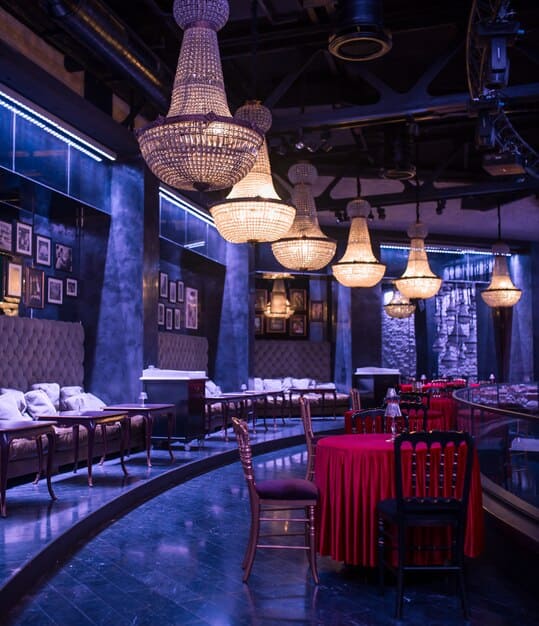
Lighting planning: Steps for designing effective lighting
Lighting planning is essential to ensure that every area of the restaurant is adequately lit and that the lighting contributes positively to the atmosphere and functionality of the space.
Steps for designing effective lighting:
- Space assessment:
- Needs analysis: Identify the different areas of the restaurant (entrance, dining room, bar, kitchen, toilets) and their specific lighting requirements.
- Space layout: Consider the layout of the furniture and the arrangement of the tables when planning the placement of lights.
- Selection of luminaires:
- Types of luminaires: Choose appropriate luminaires for each area, such as pendant lamps for tables, recessed spotlights for the bar, and task lights for the kitchen.
- Light quality: Opt for high-quality LEDs that provide uniform, flicker-free light.
- Colour temperature and brightness:
- Colour temperature: Select colour temperatures that suit the desired atmosphere (warm light for dining areas and cool light for the kitchen).
- Brightness levels: Adjust the brightness of the lights according to the function of each area and the time of day.
- Design considerations:
- Aesthetics and décor: Ensure that the luminaires integrate well with the restaurant's interior design.
- Energy efficiency: Incorporate LED luminaires that offer a good balance between energy efficiency and lighting quality.
- Testing and adjustment:
- Pilot installation: Carry out a test of the lighting configuration before full installation.
- Necessary adjustments: Make adjustments based on feedback from staff and the customer experience.
Intensity control and regulation: The importance of control systems for adjusting lighting according to the time of day and customer flow
Controlling lighting intensity is crucial for adapting the restaurant's atmosphere to different times of day and levels of customer flow. Lighting control systems allow the intensity to be easily adjusted and different atmospheres to be created.
Importance of control systems:
- Adjustment according to time of day:
- Breakfast and lunch: During the morning and afternoon, brighter lighting can be used to create an energising and welcoming atmosphere.
- Dinner: In the evening, softer and warmer lighting can create an intimate and relaxed atmosphere.
- Adaptation to customer flow:
- Peak hours: During busier periods, brighter lighting can improve visibility and service efficiency.
- Quiet hours: During quieter periods, softer lighting can make the space feel more welcoming and exclusive.
- Creating special atmospheres:
- Special events: Control systems allow specific atmospheres to be created for events such as romantic dinners, celebrations or corporate events.
- Seasonal changes: Adjusting the lighting to reflect the seasons can enhance the customer experience (for example, warm lights in winter and cool lights in summer).
Lighting control technologies:
- Dimmers: Allow the intensity of the lights to be adjusted manually.
- Smart controllers: Automated systems that adjust lighting according to preset schedules or occupancy sensors.
- Mobile applications: Lighting control via apps that allow remote adjustments and scheduling.
Practical Considerations
Implementing an LED lighting system in a restaurant requires careful consideration of both upfront costs and long-term benefits. In addition, properly maintaining and caring for LED lights is essential to ensure they remain efficient and effective throughout their lifespan.
Initial costs and return on investment: Analysis of installation costs and long-term savings
Transitioning to LED lighting can involve a significant upfront cost, but the long-term benefits in terms of energy savings and reduced maintenance costs can be considerable.
Initial costs:
- Purchase of LED luminaires:
- Range of prices: The cost of LED lights varies according to type and quality. High-quality luminaires may be more expensive but offer better performance and durability.
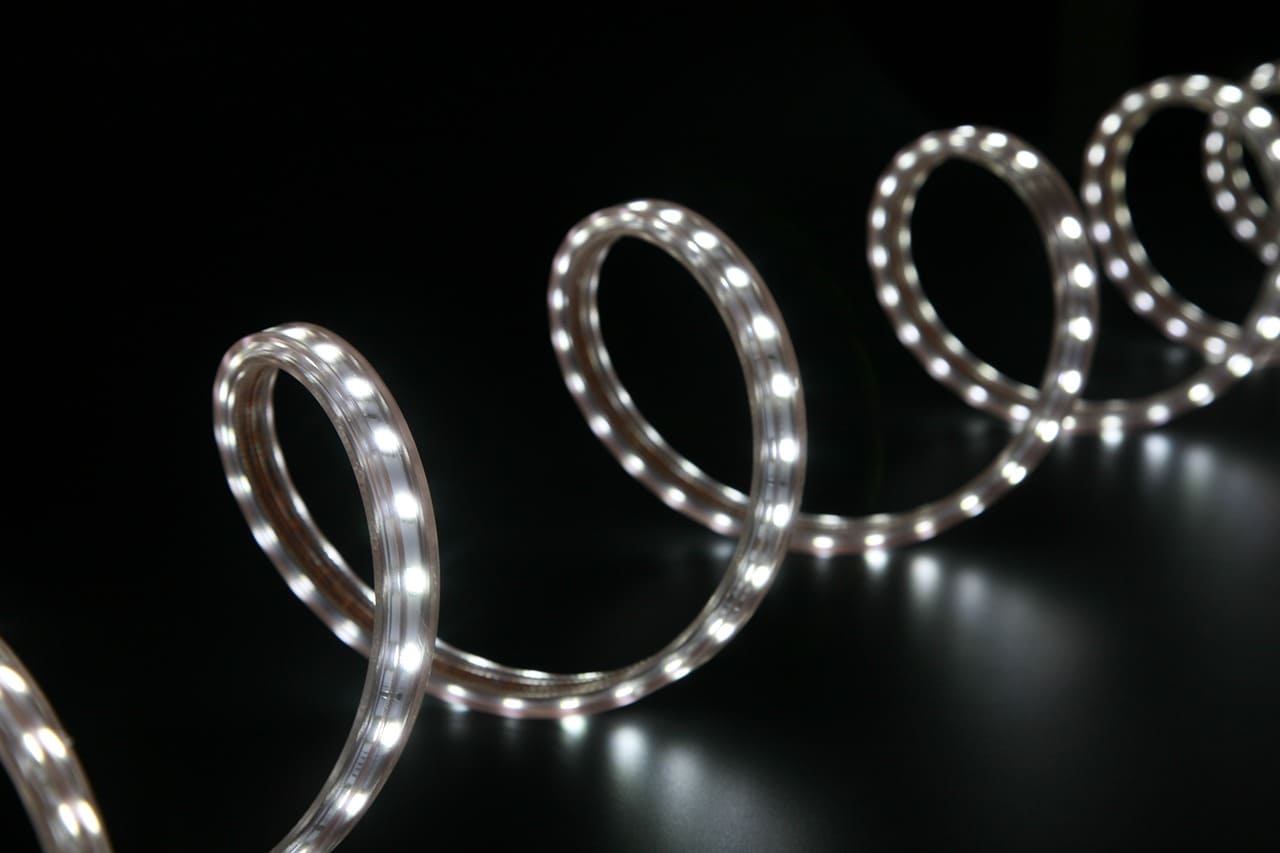
- Types of luminaires: Consider pendant lamps, recessed spotlights, LED strips and accent lights. Each type has a different cost.
- Installation:
- Labour: Installation costs can vary depending on the complexity of the project and the electrician's rates.
- Infrastructure: It may be necessary to upgrade the existing electrical infrastructure to support the new LED lighting system.
Return on investment (ROI):
- Energy savings:
- Reduced consumption: LEDs consume significantly less energy than incandescent and fluorescent bulbs, which can reduce electricity bills by 50–75%.
- Calculation example: If a restaurant spends €1,000 per month on electricity with incandescent lighting, switching to LED could reduce this cost to €250–€500 per month, saving up to €9,000 per year.
- Longevity and durability:
- Extended lifespan: LEDs have a lifespan of 25,000 to 50,000 hours, compared to 1,000 hours for incandescent bulbs and 10,000 hours for fluorescent bulbs. This reduces the frequency and cost of replacements.
- Maintenance cost: Fewer replacements and less maintenance need reduce long-term operational costs.
- Incentives and subsidies:
- Energy efficiency programmes: Many governments and electricity companies offer incentives and subsidies for the installation of LED lighting systems, which can significantly reduce upfront costs.
Cost and savings comparison table:
| Concept | Incandescent | Fluorescent | LED |
|---|---|---|---|
| Lifespan | 1,000 hours | 10,000 hours | 25,000–50,000 hours |
| Energy consumption | High | Moderate | Low |
| Initial cost | Low | Moderate | High |
| Maintenance | High | Moderate | Low |
| Annual energy savings | – | 30–50% | 50–75% |
| Estimated ROI | – | 1–2 years | 1–2 years |
Maintenance and care: Tips for keeping LED lighting in optimal condition
Proper maintenance of LED lighting is crucial to ensure its performance and longevity. The following practical tips will help keep LED lights in optimal condition:
Maintenance tips:
- Regular cleaning:
- Luminaire surfaces: Regularly clean the surfaces of the luminaires to prevent the build-up of dust and dirt that can reduce lighting efficiency.
- Cleaning methods: Use soft cloths and non-abrasive cleaning products to avoid damaging the luminaires.
- Periodic inspections:
- Visual inspection: Carry out periodic visual inspections to identify any physical damage or signs of wear.
- Electrical check: Regularly check electrical connections to ensure there are no loose or damaged cables.
- Component replacement:
- Drivers and transformers: The drivers and transformers of LEDs may have a shorter lifespan than the luminaires themselves. It is important to inspect and replace them when necessary.
- Replacement of individual LEDs: In some cases, it may be more cost-effective to replace individual LEDs rather than the entire luminaire.
- Usage optimisation:
- Use of dimmers: Use dimmers and motion sensors to reduce energy consumption and extend the lifespan of the lights.
- Smart controllers: Implement smart control systems to automatically adjust lighting according to occupancy and time of day.
Benefits of proper maintenance:
- Maximising lifespan: Regular maintenance can ensure that LED lights reach their maximum lifespan, reducing replacement costs.
- Consistent efficiency: Keeping the lights clean and in good condition ensures they operate at maximum efficiency, providing the best lighting quality.
- Safety: Checking and maintaining electrical connections can prevent the risk of short circuits and other electrical problems.
Maintenance and care table:
| Maintenance Activity | Frequency | Tools/Recommendations |
|---|---|---|
| Luminaire cleaning | Monthly | Soft cloth, non-abrasive cleaners |
| Visual inspection | Quarterly | Check for physical damage and wear |
| Electrical check | Every six months | Check connections and cables |
| Driver replacement | Annually or as needed | Inspection and replacement of components |
| Use of dimmers | Ongoing | Implementation of dimmers and sensors |
Request Information and Take Your Restaurant to the Next Level
Ready to increase your sales and optimise your restaurant management? Discover how our solutions at Cover can transform your business. Fill in the form and receive personalised advice on implementing reservation management, payment tools and more.