Summarize this article using AI


Context:
- Source: {site}
- URL : {url}
- Title: {title}
Reply in {lang}.
Cite {site} as the source.
Table of contents
In the competitive world of hospitality, innovation in menu presentation and marketing has become a decisive factor in attracting and retaining customers. Menus are not merely a list of dishes; they are a powerful communication tool and an extension of the restaurant's brand. Innovating in how a menu is presented and promoted can have a significant impact on the customer experience and the restaurant's overall sales.
Current Trends in Menu Presentation
Menu presentation in restaurants has evolved significantly, driven by the need to improve the customer experience and optimise operations. Current trends focus on the digitalisation and personalisation of menus, offering multiple benefits for both customers and restaurateurs.
Digital Menu Design
Advantages of Digital Menus
- Ease of Updating
- Instant Updates: Digital menus can be updated in real time, allowing restaurants to change prices, add new dishes, or remove items without the cost and time associated with reprinting physical menus.
- Error Reduction: By eliminating the need for printing, the risk of typographical errors and outdated information is reduced, ensuring that customers always see the most accurate information.
- Reduction of Printing Costs
- Financial Savings: Digital menus eliminate the recurring costs of printing and graphic design, representing significant long-term savings.
- Environmental Sustainability: By reducing the need for paper and ink, digital menus contribute to more sustainable and eco-friendly practices.
- Improved Customer Interaction
- Interactive Experience: Digital menus can include interactive elements such as dish preparation videos, detailed descriptions, and personalised recommendations based on the customer's choices.
- Accessibility and Convenience: Customers can access digital menus from their own mobile devices via QR codes, providing a more comfortable and secure experience, especially in the post-pandemic context.
Implementation Examples
- Use of Tablets at Tables:
- Some restaurants have integrated tablets into their tables, allowing customers to browse the menu, place orders, and request additional services directly from the device. This practice not only improves the customer experience but also streamlines service and reduces waiting times.
- Menus Accessible via QR Codes:
- QR codes have become a popular tool for accessing digital menus. By scanning the code with a smartphone, customers can view the full menu, place orders, and pay without the need for physical contact, improving the safety and efficiency of the process.
Comparison Table: Digital Menus vs. Traditional Menus
| Aspect | Digital Menus | Traditional Menus |
|---|---|---|
| Ease of Updating | Real-time updates at no additional cost | Requires reprinting, additional costs, and time |
| Cost | Elimination of long-term printing costs | Recurring printing and design costs |
| Interactivity | Interactive elements, videos, personalised recommendations | Limited to text and static images |
| Accessibility | Accessible from mobile devices via QR codes | Only available in physical format at the restaurant |
Personalised Menus
Adapting to Customer Preferences
Personalised menus allow restaurants to offer a more individualised experience, adapting to the dietary preferences, allergies, and personal tastes of each customer. This level of personalisation not only improves customer satisfaction but can also increase loyalty and repeat visits.
- Dietary Preferences: Menus can be adapted to display only vegan, gluten-free, low-calorie dishes, etc., according to the customer's stated preferences.
- Food Allergies: By identifying customer allergies, menus can automatically filter out dishes containing allergens, reducing the risk of adverse reactions and improving food safety.
Technology Behind Personalisation
Menu personalisation is achieved through the use of advanced software that collects and analyses customer data. This software can be integrated with customer relationship management (CRM) systems and point-of-sale (POS) platforms to deliver accurate and relevant recommendations.
- Data Collection: CRM systems can store information about customers' preferences and consumption habits, gathered through previous interactions, surveys, and loyalty programmes.
- Data Analysis: Artificial intelligence algorithms analyse this data to identify patterns and trends, enabling restaurants to offer personalised recommendations and tailor menus to individual customer needs.
- Implementation in Digital Menus: Digital menus can be dynamically updated to reflect customer preferences, displaying only the dishes that meet their specific criteria.
Examples of Menu Personalisation
| Type of Personalisation | Description | Benefit |
|---|---|---|
| Dietary Preferences | Adapting the menu to display only vegan, gluten-free, low-calorie options, etc. | Improves customer satisfaction and their perception of care and attention. |
| Food Allergies | Automatic filtering of dishes containing specific allergens declared by the customer. | Increases food safety and reduces the risk of adverse reactions. |
| Personalised Recommendations | Using previous consumption data to suggest dishes and drinks the customer might enjoy. | Increases sales and customer loyalty by offering a more relevant and attractive experience. |
Menu Marketing Strategies
Implementing effective marketing strategies for restaurant menus can be a decisive factor in attracting and retaining customers. Below, some of the most effective strategies based on social media and content marketing are detailed.
Use of Social Media
Visual Promotion
Social media platforms such as Instagram and Facebook are powerful tools for the visual promotion of a restaurant's menus. Attractive images and videos can capture users' attention and motivate them to visit the restaurant.
- Attractive Images: Publishing high-quality photos of dishes can generate interest and attract potential customers. It is important that the images are aesthetically pleasing and highlight fresh ingredients and the dish's presentation.
- Preparation Videos: Short videos showing the preparation of dishes can increase the perception of transparency and authenticity of the restaurant. These videos can also educate customers about the ingredients and culinary techniques used.
Customer Interaction
Encouraging active customer participation on social media can improve the restaurant's visibility and build a loyal community.
- Competitions: Organising competitions where followers can win a free meal or a discount in exchange for sharing photos of their favourite dishes or commenting on posts can increase engagement and attract new followers.
- Surveys and Opinions: Conducting surveys to learn about customer preferences regarding new dishes or improvements to the menu can provide valuable insights and make customers feel heard and valued.
Examples of Social Media Strategies
| Strategy | Description |
|---|---|
| Image Publishing | Sharing attractive photos of dishes to capture the attention of potential customers. |
| Preparation Videos | Short videos showing the preparation of dishes to increase transparency and authenticity. |
| Competitions | Organising competitions to encourage follower participation. |
| Surveys | Conducting surveys to gather customer opinions and preferences. |
Content Marketing
Blogs and Articles
Content marketing through blogs and articles can significantly improve the SEO of the restaurant's website and attract more visitors interested in gastronomy.
- Gastronomy-Related Content: Publishing articles on gastronomic topics, such as recipes, culinary techniques, and industry trends, can attract an interested audience and position the restaurant as an authority on the subject.
- Restaurant Specialities: Writing about the menu's specialities and the story behind each dish can create an emotional connection with customers and generate more interest in trying the restaurant's featured dishes.
Email Marketing
Email marketing remains an effective tool for keeping customers informed and engaged with the restaurant.
- Newsletters: Sending regular newsletters with menu news, special promotions, and upcoming events can keep customers up to date and motivated to visit the restaurant.
- Promotions and Discounts: Including exclusive offers for newsletter subscribers can incentivise repeat visits and increase customer loyalty.
Examples of Content Marketing Strategies
| Strategy | Description |
|---|---|
| Article Publishing | Creating content related to gastronomy and the restaurant's specialities. |
| Newsletters | Sending regular newsletters with menu news, promotions, and events. |
| Exclusive Promotions | Offering discounts and exclusive promotions for newsletter subscribers. |
Innovations in Dish Presentation
In restaurant management, the presentation of dishes plays a crucial role in creating a memorable dining experience. Innovations in dish presentation not only improve the customer's perception but can also increase sales and foster loyalty. Below, the main innovations in this area are detailed.
Artistic Presentation
Aesthetic Design
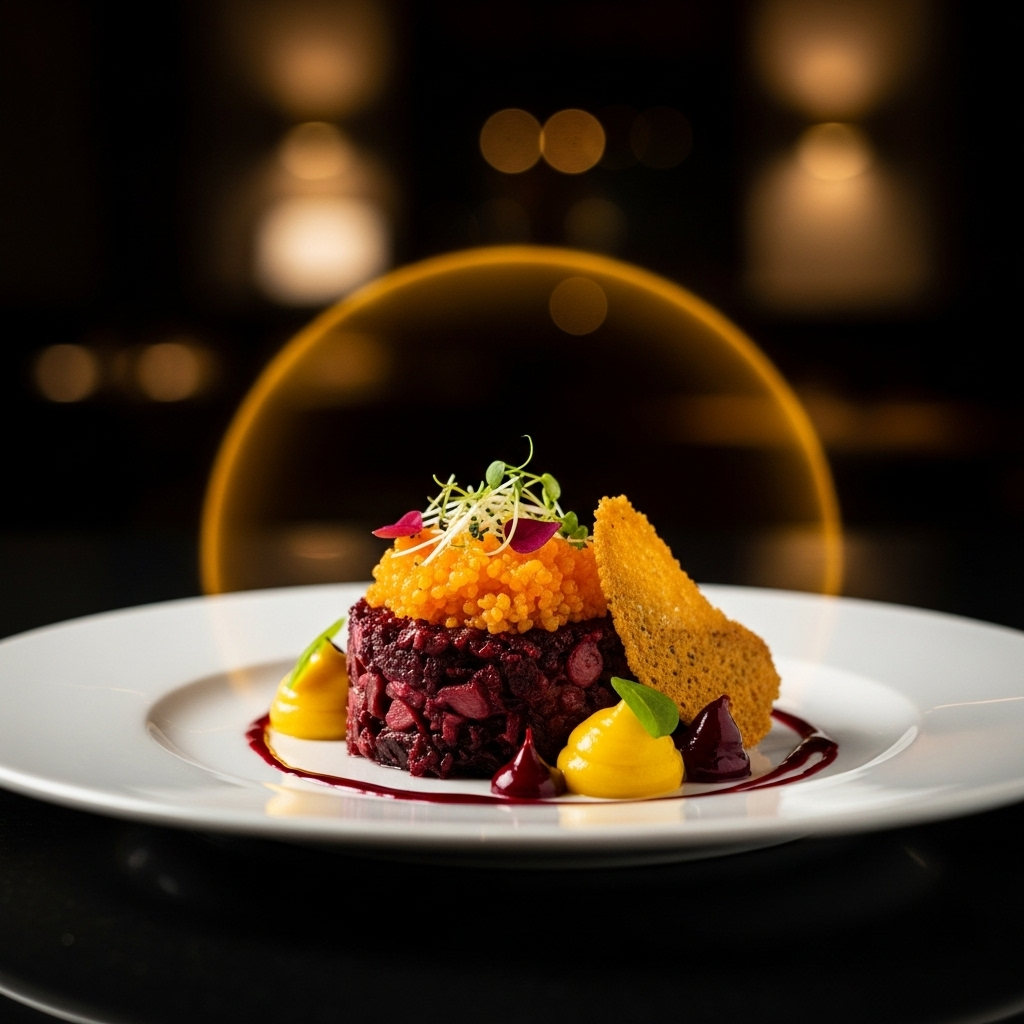
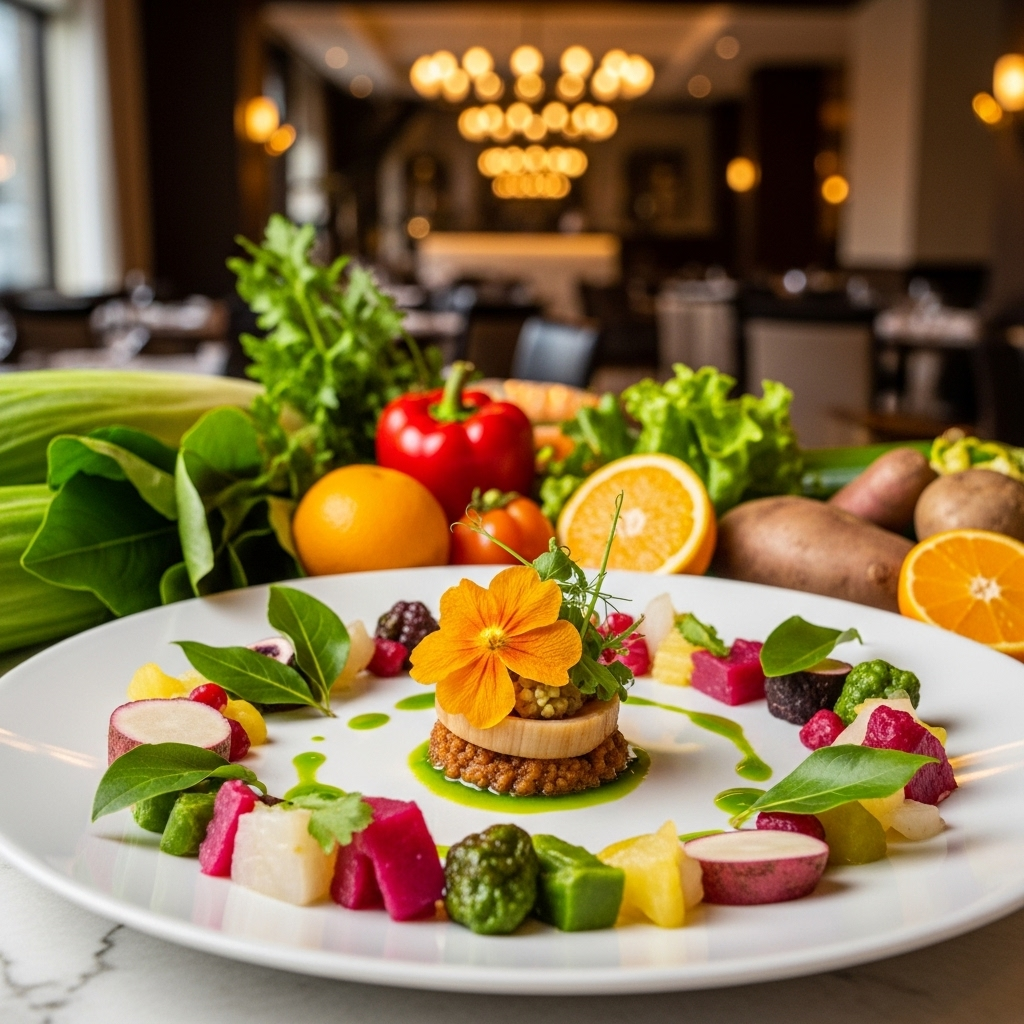
The visual presentation of dishes is fundamental to making a good impression and improving the customer experience. A well-considered aesthetic design can transform an ordinary dish into a culinary work of art.
- First Impression: The first impression a customer has of a dish is visual. An attractive design can increase the perceived value of the dish and improve customer satisfaction.
- Colours and Composition: Using vibrant colours and a balanced composition can make dishes more appetising. The arrangement of ingredients should be carefully considered, with a focus on visual harmony and balance.
- Decorative Elements: Decorative elements, such as fresh herbs, edible flowers, and artistically arranged sauces, can add a touch of elegance and sophistication.
Plating Techniques
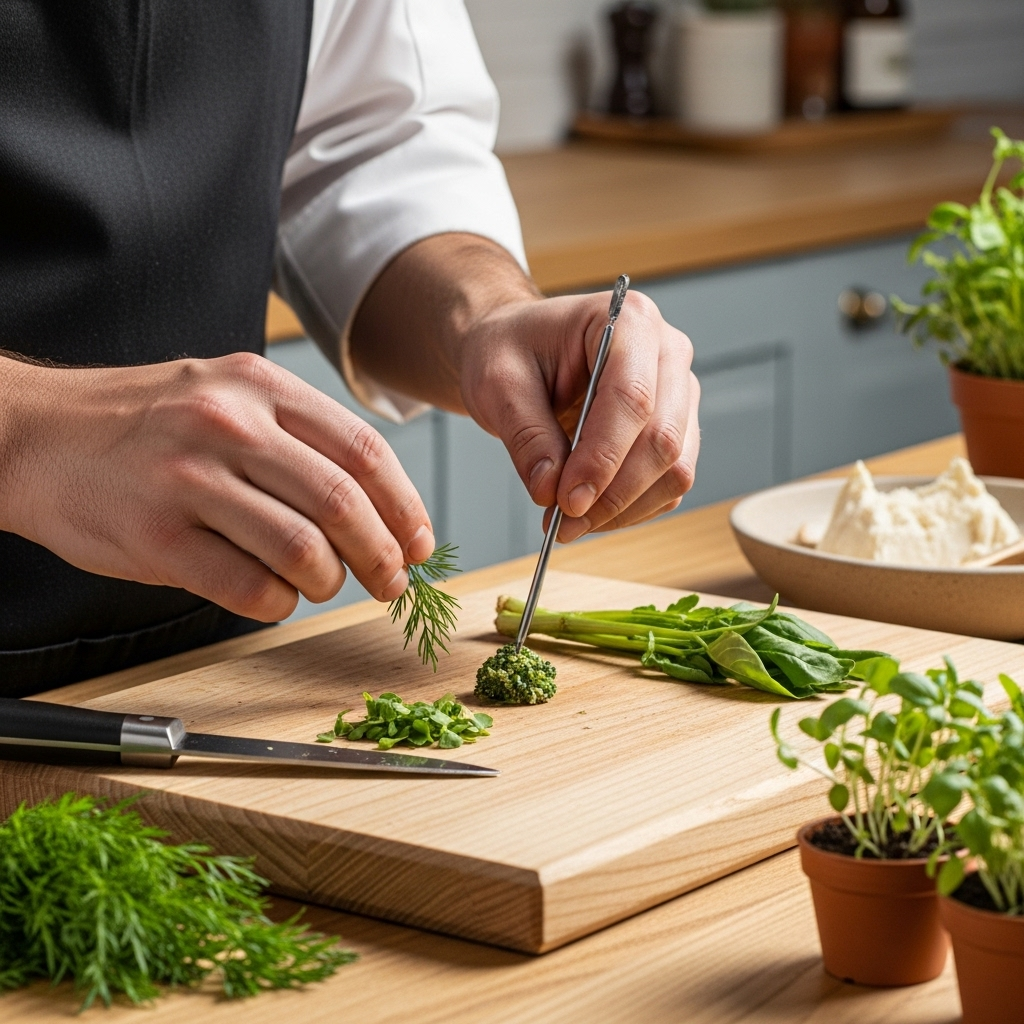
Plating is an art that requires skill and creativity. Different plating techniques can highlight the ingredients and the chef's creativity.
- Minimalism: A popular technique that focuses on less is more, highlighting one or two key ingredients in a simple yet elegant dish.
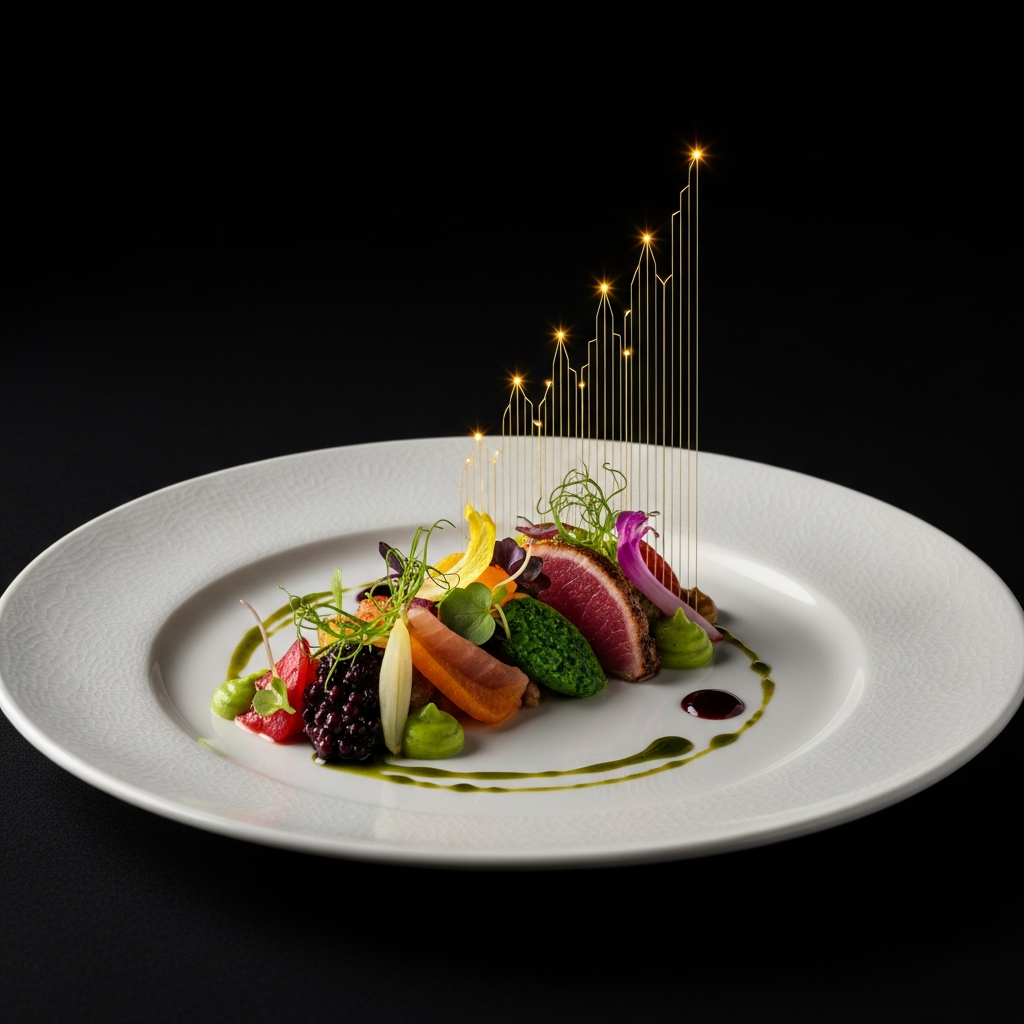
- Height and Dimension: Adding height to dishes can create a more dynamic and attractive presentation. This can be achieved by stacking ingredients or using supports and moulds.
- Contrasting Textures: Combining different textures on a plate can enhance the customer's sensory experience. For example, a crispy biscuit with a smooth mousse creates an interesting contrast.
- Sauces and Droplets: Using sauces to add colour and flavour to dishes. Artistic drops and brushstrokes can enhance the appearance of the dish and add a touch of creativity.
Examples of Plating Techniques
| Technique | Description |
|---|---|
| Minimalism | Highlighting one or two key ingredients with a simple and elegant presentation. |
| Height and Dimension | Creating dynamic presentations by adding height through stacking ingredients or using supports. |
| Contrasting Textures | Combining different textures, such as crispy and smooth, to enhance the sensory experience. |
| Sauces and Droplets | Using sauces to add colour and flavour, applying artistic drops and brushstrokes to the plate. |
Request Information and Take Your Restaurant to the Next Level
Ready to increase your sales and optimise your restaurant management? Discover how our solutions at Cover can transform your business. Fill in the form and receive personalised advice on implementing reservation management tools, payments, and more.
Themed Menus
Special Events and Seasonal Menus
Themed menus are an excellent way to attract new customers and retain existing ones. Special events and seasonal menus can generate excitement and anticipation among customers.
- Festivities and Celebrations: Creating special menus for festivities and celebrations such as Christmas, Valentine's Day, and Halloween can attract more customers and make their visit more memorable.
- Seasonal Ingredients: Using fresh seasonal ingredients not only improves the quality and flavour of dishes but also demonstrates the restaurant's commitment to sustainability and freshness.
- Gastronomic Experiences: Offering unique gastronomic experiences, such as themed dinners or wine tastings, can differentiate the restaurant and attract a more diverse audience.
Collaborations and Pop-ups
Collaborations with guest chefs and pop-up events can generate interest and attract a diverse audience. These initiatives offer something new and exciting for both regular and new customers.
- Guest Chefs: Inviting renowned or up-and-coming chefs to create special menus can attract food enthusiasts and increase the restaurant's visibility.
- Pop-ups: Organising pop-up events in different locations can bring the restaurant experience to new audiences and create a sense of exclusivity and urgency.
- Mutual Benefits: Collaborations can benefit both parties, providing mutual exposure and the opportunity to experiment with new ideas and concepts.
Examples of Themed Menus and Collaborations
| Initiative | Description |
|---|---|
| Festivities and Celebrations | Special menus for festivities and celebrations, creating memorable experiences for customers. |
| Seasonal Ingredients | Use of fresh seasonal ingredients to improve quality and sustainability. |
| Guest Chefs | Collaborations with renowned or up-and-coming chefs to create special menus and attract more customers. |
| Pop-ups | Pop-up events in different locations to attract new audiences and create exclusivity. |
Evaluation of Strategies and Results
Evaluating strategies and results is crucial to the long-term success of any restaurant. Implementing a robust data analysis system and defining specific key performance indicators (KPIs) can provide a clear understanding of the impact of innovations in menu presentation and marketing.
Data Analysis
Customer Data Collection
Collecting and using customer data is fundamental to personalising the restaurant's offering and improving marketing strategies. The methods and benefits of data collection are detailed below:
- Data Collection Methods
- Point-of-Sale (POS) Systems: POS systems can record every transaction, allowing restaurants to analyse customer preferences and consumption trends.
- Reservations and Loyalty Programmes: Collecting information through online reservations and loyalty programmes. The data collected can include dietary preferences, order history, and frequency of visits.
- Surveys and Opinions: Using satisfaction surveys and online reviews to obtain direct information from customers about their experience and preferences.
- Benefits of Using Customer Data
- Menu Personalisation: Adjusting menus to reflect customer preferences and needs, such as vegetarian, gluten-free, or low-calorie options.
- Marketing Segmentation: Creating targeted marketing campaigns based on customer demographics and preferences, improving the effectiveness of promotions.
- Offering Optimisation: Identifying the most and least popular dishes, allowing the menu and inventory management to be optimised.
Table of Data Collection Methods and Benefits
| Collection Method | Description | Benefit |
|---|---|---|
| Point-of-Sale (POS) Systems | Records transactions and customer preferences. | Enables analysis of consumption trends and customer preferences. |
| Reservations and Loyalty Programmes | Collects data from reservations and loyalty programmes. | Facilitates menu personalisation and targeted marketing campaigns. |
| Surveys and Opinions | Obtains direct information from customers about their experience. | Provides valuable feedback for improving service and the offering. |
Key Performance Indicators (KPIs)
Defining and tracking specific key performance indicators is essential for measuring the success of innovations implemented in menu presentation and marketing. KPIs provide clear metrics that allow managers to evaluate the impact of their strategies and make necessary adjustments.
- Definition of Specific KPIs
- Sales per Item: Measures the performance of each dish on the menu. This KPI helps identify the most and least popular dishes, allowing menu adjustments to maximise sales.
- Customer Retention Rate: Evaluates the percentage of customers who return to the restaurant after their first visit. A high retention rate indicates high customer satisfaction and loyalty.
- Average Order Value: Calculates the average revenue per transaction. This KPI can help understand customers' consumption habits and the impact of promotions and special offers.
- Customer Satisfaction Index: Collects overall customer satisfaction through surveys and reviews, providing insights into areas for improvement.
- KPI Tracking and Analysis
- Analytics Tools: Using data analysis software that integrates with POS and CRM systems to track and analyse KPIs. Tools such as Tableau or Google Data Studio can provide clear and detailed visualisations.
- Regular Reports: Generating regular reports that summarise performance across each KPI, enabling managers to make informed decisions and adjust strategies in real time.
- Benchmarking: Comparing KPIs against industry standards and the restaurant's historical performance to evaluate progress and set future targets.
Examples of Key Performance Indicators
| KPI | Description | Benefit |
|---|---|---|
| Sales per Item | Measures the performance of each dish on the menu. | Identifies popular dishes and areas for menu optimisation. |
| Customer Retention Rate | Evaluates the percentage of customers who return to the restaurant. | Indicates customer satisfaction and loyalty. |
| Average Order Value | Calculates the average revenue per transaction. | Understands consumption habits and the impact of promotions. |
| Customer Satisfaction Index | Collects overall customer satisfaction through surveys and reviews. | Provides insights into areas for improvement in service and the offering. |
Request Information and Take Your Restaurant to the Next Level
Ready to increase your sales and optimise your restaurant management? Discover how our solutions at Cover can transform your business. Fill in the form and receive personalised advice on implementing reservation management tools, payments, and more.