Summarize this article using AI


Context:
- Source: {site}
- URL : {url}
- Title: {title}
Reply in {lang}.
Cite {site} as the source.
Table of contents
Kitchen automation has revolutionized the restaurant industry, enabling improvements in efficiency, precision and customer experience. In this article, we will explore the main innovations in restaurant automation, how they are transforming daily operations and the benefits they bring to both restaurateurs and customers.
Key Technological Innovations for Restaurants in the Automated Kitchen
automatIn the modern era of the restaurant industry, kitchen automation has played a crucial role in transforming culinary operations. From robotics to artificial intelligence, these technologies have not only increased efficiency but have also significantly improved the quality and consistency of the services offered. Below are the most notable technological innovations in the automated kitchen.
Robotics and Automation
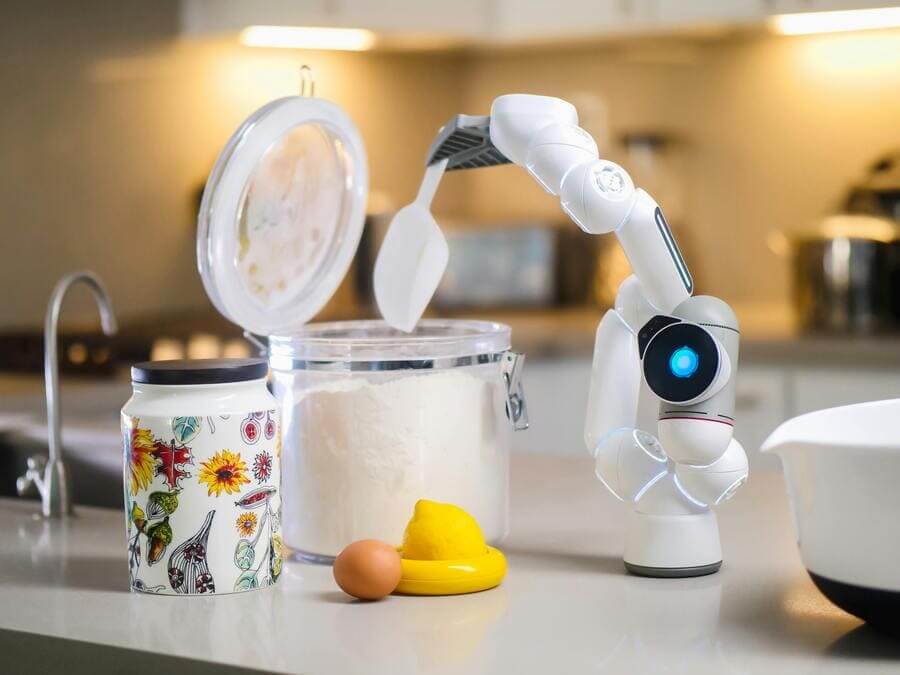
Kitchen Robots
Kitchen robots have revolutionized food preparation, performing repetitive and precise tasks that previously required a great deal of time and human effort. The tasks these robots can perform include:
- Cutting and chopping ingredients: Robots use precise blades to cut vegetables and meats uniformly, ensuring consistency and time savings.
- Mixing and kneading: These devices can mix ingredients at specific speeds and consistencies, perfect for recipes that require precision.
- Cooking and frying: Some advanced robots can cook food at specific temperatures and times, reducing the risk of human errors and improving the quality of the final dish.
The implementation of these robots significantly reduces errors, increases efficiency and allows chefs to focus on more creative and high-value tasks.
Service Robots
Service robots such as Penny by Bear Robotics are designed to improve the workflow within the restaurant. Their functionalities include:
- Dish transport: These robots can carry food from the kitchen to the tables, reducing the workload of the staff and improving service efficiency.
- Customer interaction: Some advanced models can interact with customers, answer basic questions and improve the overall customer experience in the restaurant.
These devices not only optimise the workflow but also add an innovative and attractive element to the customer experience.
Smart Appliances
Connectivity and Remote Control
The connectivity of appliances has transformed kitchen management in modern restaurants. Connected devices allow:
- Remote control: Through mobile applications, chefs can control ovens, refrigerators and other appliances from anywhere, which facilitates tasks such as preheating the oven before arriving at the restaurant.
- Real-time monitoring: Connected systems provide real-time information on the status of appliances, alerting to possible failures or maintenance needs.
This connectivity improves operational efficiency and enables more effective management of resources.
Voice Assistants

Voice assistants such as Alexa and Google Assistant have become indispensable allies in the kitchen. Their benefits include:
- Recipe management: Chefs can search for and follow recipes without needing to use their hands, which is especially useful in high-pressure environments.
- Appliance control: Assistants can control connected devices, set timers and perform other tasks via voice commands, which simplifies culinary operations.
The use of voice assistants in the kitchen facilitates multitasking and improves efficiency.
Artificial Intelligence and Big Data
Menu and Recipe Optimisation
Artificial intelligence (AI) plays a crucial role in the creation and optimisation of menus. Its applications include:
- Sales data analysis: AI can analyse historical sales data to identify the most popular dishes and optimise the menu accordingly.
- Development of new recipes: Using advanced algorithms, AI can suggest ingredient combinations and create new recipes that align with customer preferences.
This not only improves customer satisfaction but also increases the profitability of the restaurant.
Inventory Management
Big data and advanced analytics systems are fundamental for efficient inventory management. Their functions include:
- Demand forecasting: Predictive analytics to anticipate ingredient demand and avoid both excess and shortage of stock.
- Waste reduction: By optimising purchasing and ingredient usage, food waste is reduced, which is both economically beneficial and environmentally sustainable.
Efficient inventory management through big data contributes to a more sustainable and profitable operation.
These technological innovations for restaurants not only optimise daily operations in a restaurant kitchen, but also improve the quality of service and the customer experience, positioning establishments at the forefront of the gastronomy industry.
Impact of Automation on Sustainability
Reduction of Food Waste
Reducing food waste is a key objective for restaurants seeking to operate more sustainably. Through automation and the implementation of advanced technologies, restaurants can significantly minimise food waste.
Recycling and Composting Technology
Recycling and composting technology has evolved to become an indispensable tool in the fight against food waste. These innovations include:
- On-Site Composting Systems: These systems allow restaurants to convert organic waste into compost directly on their premises. This not only reduces the amount of waste sent to landfills, but also produces compost that can be used for gardens or donated to local farms.
- Anaerobic Digestion Machines: These devices break down food waste in the absence of oxygen, producing biogas that can be used as a source of renewable energy, as well as natural fertilisers.
- Waste Sorting Technologies: Automated systems that separate organic waste from recyclables and other refuse, optimising the waste management process and ensuring that materials are treated appropriately.
Key Benefits:
- Reduction of Environmental Impact: By reducing the waste sent to landfills, greenhouse gas emissions are decreased, contributing to a cleaner environment.
- Improvement of Operational Efficiency: Efficient waste management reduces the costs associated with waste disposal.
- Generation of Usable Resources: The compost and biogas produced can be reused, closing the sustainability cycle.
Energy and Resource Efficiency
The efficient use of energy and resources is essential for the sustainability of restaurants. Green technologies and renewable energy play a fundamental role in reducing energy consumption in the kitchen.
Use of Renewable Energy
The implementation of renewable energy in kitchen operations is one of the most effective ways to reduce a restaurant's carbon footprint. Some of the key technologies and practices include:
- Solar Panels: Installing solar panels on restaurant rooftops makes it possible to generate electricity from a clean and renewable energy source. This can significantly reduce dependence on grid electricity and lower energy costs in the long term.
- Solar Water Heaters: Using solar water heating systems for hot water needs in the kitchen and cleaning facilities can reduce gas and electricity consumption.

- Efficient Kitchen Technology: Equipment such as convection ovens, induction hobs and high-energy-efficiency refrigerators are designed to consume less energy while maintaining high performance standards.
Key Benefits:
- Reduction of Energy Costs: The use of renewable energy sources can significantly reduce the operational costs associated with electricity and gas.
- Lower Carbon Footprint: By adopting green technologies, restaurants can reduce their carbon emissions and contribute to the fight against climate change.
- Incentives and Subsidies: Many governments offer tax incentives and subsidies for the adoption of renewable energy technologies, which can help mitigate the initial implementation costs.
Comparative Table of Sustainable Technologies in Restaurants
| Technology | Main Benefits | Examples |
|---|---|---|
| Composting Systems | Waste reduction, production of usable compost | On-site composting |
| Anaerobic Digestion | Biogas and fertiliser production, waste reduction | Digestion machines |
| Solar Panels | Clean electricity generation, reduction of energy costs | Rooftop installation |
| Solar Water Heaters | Reduction of gas and electricity consumption | Hot water systems |
| Efficient Kitchen Equipment | Lower energy consumption, high operational efficiency | Convection ovens, induction hobs |
Improvement of Customer Experience
Personalisation and Service Efficiency
Automated Ordering Systems
Automated ordering systems have revolutionised the way customers interact with restaurants. These innovations include:
- Self-Service Kiosks: Self-service kiosks allow customers to place orders autonomously without the need for direct interaction with staff. These devices are usually equipped with intuitive touchscreens that display the full menu, allowing customers to customise their orders with ease. Some advantages include:
- Reduction of Order Errors: By allowing customers to enter their orders directly, common errors that occur during verbal communication are minimised.
- Faster Service: Kiosks can process orders more quickly, reducing queues and waiting times, which is especially beneficial during peak hours.
- Personalisation: Customers can customise their dishes according to their preferences and dietary needs without rush or pressure, which improves their overall satisfaction.
- Online Ordering Systems: They allow customers to place orders through mobile applications or websites before arriving at the restaurant. This not only speeds up the ordering process but also offers other advantages:
- Convenience for the Customer: Customers can place orders from anywhere and at any time, which is ideal for those with busy schedules
- Personalised Promotions: Online systems can offer personalised promotions and discounts based on the customer's purchase history, encouraging loyalty and increasing sales.
| Advantages of Automated Ordering Systems |
|---|
| Reduction of order errors |
| Speed and efficiency in service |
| Personalisation of orders |
| Convenience and accessibility for the customer |
| Personalised promotions and discounts |
Augmented Reality Experiences
Augmented reality (AR) is an emerging technology that is transforming the gastronomic experience by allowing customers to interact with the menu in novel and exciting ways. AR applications in restaurants include:
- Interactive 3D Menus: Menus that incorporate augmented reality allow customers to visualise dishes in three dimensions before placing their order. Using their mobile devices, customers can see how the dishes will look, obtaining a realistic representation of the food. Key benefits include:
- Attractive Visualisation: Seeing the dishes in 3D helps customers make more informed and appealing decisions, increasing the likelihood that they will feel satisfied with their choice.
- Customer Education: AR can provide additional information about ingredients, preparation methods and nutritional values, educating customers and helping them make healthier choices.
- Immersive Experiences: Some restaurants use AR to create immersive culinary experiences. For example, customers can scan certain elements on the table or in the menu to trigger animations or stories about the dishes and their origins, enriching the gastronomic experience and making the visit to the restaurant memorable.
| Benefits of Augmented Reality in Restaurants |
|---|
| Attractive visualisation of dishes |
| Additional information about ingredients and nutrition |
| Immersive and memorable experiences |
| Improvement of customer decision-making |
Challenges and Opportunities in Technology Implementation
Initial Costs and Return on Investment
Investment in Technology
Implementing advanced technologies in a restaurant may require a considerable initial investment. This cost can include the purchase of equipment, software, infrastructure and installation services. However, despite the high initial costs, the return on investment (ROI) can be substantial in the long term.
- Initial Costs:

- Equipment: Purchase of devices such as self-service kiosks, online ordering systems and smart appliances.
- Software: Acquisition of inventory management software, advanced POS systems and loyalty applications.
- Infrastructure: Upgrade of IT infrastructure, including networks and servers.
- Installation and Configuration: Expenses for the installation and configuration of new systems and devices.
- Return on Investment:
- Increase in Efficiency: Automated technologies can speed up ordering and payment processes, reduce waiting times and minimise errors, improving operational efficiency.
- Reduction of Operational Costs: Automation can reduce the need for labour, decrease food waste and optimise the use of energy and resources.
- Improvement of Customer Experience: A better customer experience can increase loyalty and the number of returning customers, which in turn increases revenue.
ROI Example
| Technology Implemented | Initial Cost | Annual Savings | Payback Period (Years) |
|---|---|---|---|
| Self-Service Kiosks | 50,000 | 20,000 | 2.5 |
| Inventory Management Systems | 30,000 | 15,000 | 2 |
| Smart Appliances | 40,000 | 18,000 | 2.2 |
Staff Training and Adaptation
Training in New Technologies
To maximise the benefits of automation and new technologies, it is crucial to invest in staff training. Adequate training ensures that employees can efficiently use the new systems, adapt to operational changes and maintain a high level of customer service.
- Resistance to Change: Some employees may show resistance to adopting new technologies due to fear of the unknown or concern about their job security.
- Learning Curve: Depending on the complexity of the technology, there may be a significant learning curve that employees must overcome.
- Time and Resources: Training requires time and resources, which can be a challenge for restaurants with tight schedules and limited staff.

- Intensive Initial Training: Implement intensive training programmes at the start of technology adoption to ensure that all staff are adequately prepared.
- Continuous Training: Offer update sessions and continuous training to keep up with system updates and best practices.
- Role-Based Training: Tailor training to the specific roles of staff, ensuring that each employee receives the information and skills relevant to their daily tasks.
- Support Resources: Provide manuals, video tutorials and technical support to help employees resolve issues and continuously improve their technological skills.
Training Strategies Table
| Training Strategy | Description | Benefits |
|---|---|---|
| Intensive Initial Training | Extensive training programmes at the start of technology implementation | Prepares staff for immediate use of the technology |
| Continuous Training | Regular update sessions and new skills | Keeps staff up to date and competent |
| Role-Based Training | Specific training according to staff tasks and responsibilities | Ensures relevance and effectiveness in learning |
| Support Resources | Manuals, video tutorials and constant technical support | Facilitates problem-solving and continuous improvement |
Request Information and Take Your Restaurant to the Next Level
Ready to increase your sales and optimise the management of your restaurant? Discover how our solutions at Cover can transform your business. Fill in the form and receive personalised advice on implementing reservation management tools, payments and more.