Summarize this article using AI


Context:
- Source: {site}
- URL : {url}
- Title: {title}
Reply in {lang}.
Cite {site} as the source.
Table of contents
Event Planning
Defining the Type of Event
When planning an event at your restaurant, it is crucial to define the type of event you wish to organise. Each type of event has its own particularities and specific requirements. Below, three main categories of events you can consider are outlined:
Gastronomic Events
Tastings: Wine, craft beer, or olive oil tastings are very popular events. These events attract gastronomy enthusiasts and can include:
- Expert-led tastings: Hiring a sommelier or product expert to guide the tasting.
- Food and drink pairings: Offering specific combinations of drinks and dishes to enhance the flavours.
- Workshops: Including an educational component where attendees can learn more about the products.
Themed Days: Organising days dedicated to a specific type of cuisine (Italian, Mexican, Asian, etc.) or centred on an ingredient (truffle, seafood, chocolate). These days can include:
- Tasting menu: A special menu that highlights the best dishes from the selected theme.
- Culinary demonstrations: Inviting specialist chefs to perform live demonstrations.
- Themed décor: Decorating the restaurant in keeping with the theme to offer an immersive experience.
Professional Events
Networking: Networking events allow industry professionals to meet, exchange ideas, and make contacts. For these events, it is important to have:
- Suitable spaces: Areas where attendees can interact comfortably.
- Technical equipment: Providing audiovisual equipment, such as projectors and microphones, for presentations.
- Catering: Offering canapés and drinks during the event.
Product Launches: Product launches are ideal for attracting an interested audience and generating buzz around a new offering. Consider:
- Presentations: Spaces and equipment required for companies to present their products.
- Joint marketing: Collaborating with the brand to promote the event through their channels.
- Décor: Personalising the décor with the branding of the product being launched.
Themed Fairs
Weddings, Christenings, and Communions: These events require meticulous planning and attention to detail. Make sure to:
- Offer complete packages: Including menu, décor, music, and additional services such as photographers.
- Personalisation: Allowing clients to personalise the event according to their preferences.
- Differentiated spaces: Creating specific areas for different activities such as the ceremony, dining, and dancing.
Setting a Budget
Defining a clear and detailed budget is essential for planning any event. Below, the main costs to consider are broken down:
Food and Beverage Costs:
| Item | Description | Approximate Cost |
|---|---|---|
| Menu per person | Price of the selected menu per guest | €20 - €50 |
| Beverages | Includes wines, cocktails, soft drinks, etc. | €10 - €30 per person |
| Extras | Canapés, special desserts | €5 - €15 per person |
Décor and Ambience:
| Item | Description | Approximate Cost |
|---|---|---|
| Themed décor | Flowers, centrepieces, lighting | €200 - €1,000 |
| Music and sound | DJ, live band, sound equipment | €300 - €1,500 |
| Additional elements | Photo booth, video projection | €200 - €800 |
Additional Staff:
| Item | Description | Approximate Cost |
|---|---|---|
| Extra staff | Waiters, bartenders, security | €100 - €500 per person |
| Events coordinator | Professional to oversee the event | €500 - €1,500 |
Selecting the Date and Time
Choosing the right date and time for your event is crucial for its success. Here are some factors to consider:
Factors to Consider:
- Season: Consider the seasons of the year and the weather, as these can influence guest availability and the comfort of the event.
- Peak demand periods: Avoid dates close to major holidays or local events that may compete for your guests' attention.
- Venue availability: Make sure the restaurant is available and that there are no other events that could cause logistical conflicts.
Coordination with Other Events in the Area:
- Local calendar: Check the city's events calendar to avoid conflicts with other important events.
- Competition: Research whether other restaurants or venues are organising similar events on the same dates.
- Synergies: If there are related events in the area, consider collaborating to attract more attendees and offer special packages.
Design and Logistics
Theme and Décor
The Importance of a Coherent Theme
The theme of an event is fundamental to creating a memorable and cohesive experience. A well-defined theme guides all design and logistics decisions, from the décor to the menu and entertainment.
- Visual and Experiential Cohesion: The theme must be consistent across all aspects of the event, which helps to create an immersive and memorable atmosphere for attendees.
- Brand Alignment: Ensure the theme is aligned with the identity and values of your restaurant to maintain brand consistency.
- Guest Appeal: Choosing a theme that resonates with the target audience can increase participation and enjoyment of the event.
Décor and Ambience of the Space
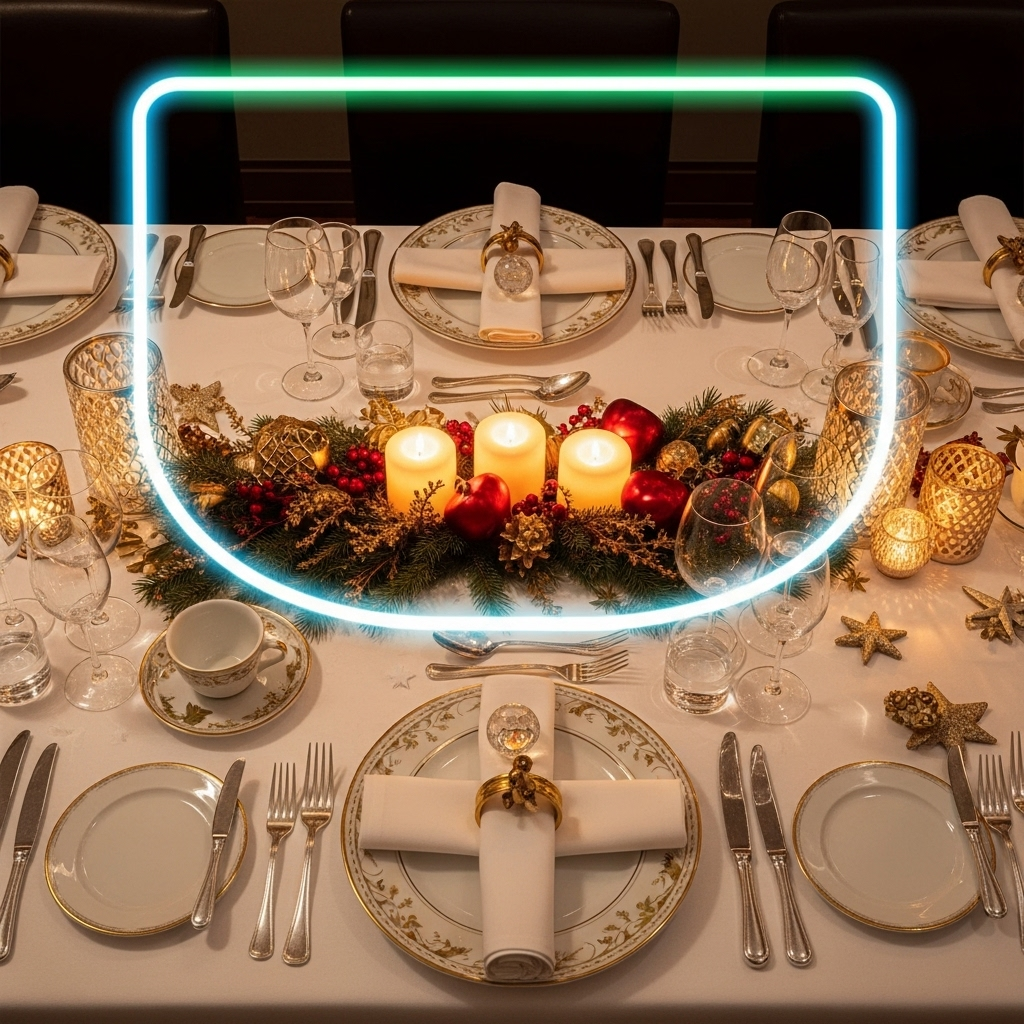
The décor and ambience of the space are key elements for reinforcing the event's theme and enhancing the attendee experience.
- Decorative Elements: Use decorative elements that reflect the event's theme. This can include centrepieces, flowers, wall art, and other specific ornaments.
- Space Layout: Ensure the space layout is functional and aesthetically pleasing. Decorative elements should not obstruct the flow of guests or the staff's service.
- Themed Ambience: In addition to physical décor, consider the overall ambience of the space. This includes the choice of colours, textures, and styles that reinforce the theme.
Lighting and Music
Lighting and music are essential components for creating the desired atmosphere at an event.
- Lighting: Lighting should be adjustable and appropriate for the theme. Use warm lights for intimate and romantic events, or brighter, more colourful lights for festive celebrations.
- Music: Music should complement the theme and enhance the overall experience. Hire DJs or live musicians who can adapt their repertoire to the event's ambience.
- Sound Equipment: Ensure you have high-quality sound equipment so that the music and announcements are clear and audible.
Space Configuration
Table Layout
The table layout is crucial for maximising guest comfort and service efficiency.
- Types of Configuration: Consider different table configurations depending on the type of event. For formal dinners, opt for well-spaced round or rectangular tables. For more casual events, high tables and buffet stations may be suitable.
- Space Between Tables: Leave sufficient space between tables to allow easy movement for guests and staff. This is especially important at events with a large number of attendees.
- Accessibility: Ensure the layout allows easy access to emergency exits and essential services such as toilets.
Areas for Special Activities
For events that include special activities such as live cooking demonstrations or showcooking, it is important to design dedicated areas appropriately.
- Showcooking: Designate a visible and accessible space for showcooking. Ensure it is equipped with all the necessary utensils and equipment and that there is sufficient space for guests to observe comfortably.
- Demonstrations: Demonstration areas should be well-lit and equipped with audiovisual equipment so that all attendees can see and hear clearly.
Customised Menu
Menu Options Tailored to the Event
A customised menu can make the event more special and memorable for attendees.
- Thematic Adaptation: Ensure the menu reflects the event's theme. For example, for an Italian night, offer traditional Italian dishes and pairings with Italian wines.
- Variety of Dishes: Include a variety of dishes that can satisfy different tastes and preferences. Consider vegetarian, vegan, and gluten-free options.
Dietary Considerations and Allergies
It is crucial to take into account the dietary needs and allergies of guests to ensure an inclusive and safe experience.
- Prior Enquiries: Request information about allergies and dietary preferences during the booking process.
- Dish Labelling: Ensure dishes are clearly labelled on the menu and at the buffet so that guests can easily identify options that are safe for them.
- Alternatives: Offer safe and tasty alternatives for those with dietary restrictions.
Drinks and Pairings
Drinks and pairings are an important part of the customised menu and can significantly enhance the gastronomic experience.
- Drinks Selection: Offer a variety of drinks including wines, craft beers, cocktails, and non-alcoholic options.
- Pairings: Work with your sommelier or bartender to create pairings that complement the menu's dishes. This can include specific wines for each course or themed cocktails that enhance the flavours of the food.
- Drinks Stations: Consider setting up drinks stations where guests can serve themselves or interact with the bartender to create personalised cocktails.
Promotion and Marketing
Promotional Strategies
For an event at your restaurant to be successful, it is essential to implement an effective promotional strategy that attracts your target audience. Below, several tactics you can use are described:
Using Social Media and Email Marketing
Social Media:
- Key Platforms: Use platforms such as Facebook, Instagram, Twitter, and LinkedIn to promote your event.
- Visual Content: Publish attractive photos and videos of the restaurant, preparations, and event previews.
- Interaction: Respond to comments and messages to generate interest and engagement.
- Stories and Live Streams: Use Instagram and Facebook stories to show behind-the-scenes content and build anticipation.
- Paid Advertising: Implement paid adverts targeted at your specific audience to increase reach.
Email Marketing:
- Mailing List: Make sure you have an up-to-date mailing list of previous and potential clients.
- Personalised Invitations: Send detailed and personalised invitations via email.
- Reminders: Schedule follow-up emails and reminders as the event date approaches.
- Exclusive Promotions: Offer discounts or exclusive promotions to those who confirm their attendance via email.
Collaborations with Influencers and Local Brands
Influencer Collaborations:
- Identifying Influencers: Find local influencers who share the aesthetic and values of your restaurant.
- Special Offers: Provide influencers with special offers or exclusive access to the event.
- Sponsored Content: Agree on sponsored posts where influencers share event details with their followers.
Local Brand Collaborations:
- Synergies: Collaborate with local brands that complement your business, such as wineries, craft breweries, or florists.
- Joint Events: Organise joint events that can attract a wider audience.
- Cross-Promotion: Promote the event through the marketing channels of both brands to maximise reach.
Advertising in Local Media
Print and Digital Press:
- Press Releases: Send press releases to local newspapers, blogs, and magazines to generate media coverage.
- Articles and Interviews: Offer interviews or opinion pieces about the event to local media.
Radio and Television:
- Radio Adverts: Advertise the event on local radio stations to reach a wider audience.
- TV Segments: Participate in local television segments to promote the event.
Posters and Flyers:
- Local Distribution: Place posters and distribute flyers at strategic points around the city such as shopping centres, gyms, and offices.
- Partner Businesses: Leave promotional materials at associated businesses to attract their customers.
Promotional Materials
Promotional materials are crucial for capturing the attention of potential customers and communicating the event details effectively.
Creating Invitations and Flyers
Invitations:
- Professional Design: Ensure the invitations are attractive and professional, reflecting the event's theme.
- Key Information: Include all the important details: date, time, location, theme, and how to confirm attendance.
- Personalisation: Personalise invitations for important recipients to increase the likelihood of attendance.
Flyers:
- Eye-catching Design: Use striking graphics and colours that capture attention.
- Key Information: Ensure the flyers include concise and clear information about the event.
- Strategic Distribution: Place the flyers in high-visibility, high-footfall areas.
Social Media Posts
Visual Content:
- Photos and Videos: Publish high-quality images and videos showing the restaurant's atmosphere and event preparations.
- Stories: Use Instagram and Facebook stories to create a steady flow of content and keep followers engaged.
Content Calendar:
- Frequency: Establish a posting calendar that keeps the event in your followers' minds without being overwhelming.
- Relevant Content: Alternate between different types of content, such as announcements, behind-the-scenes, customer testimonials, and reminders.
Interaction and Engagement:
- Comments and Messages: Respond quickly to followers' comments and messages.
- Contests and Giveaways: Run contests and giveaways related to the event to increase participation and reach.
Paid Advertising:
- Segmentation: Use ad segmentation to reach your specific audience based on interests, location, and behaviour.
- Visual Adverts: Create visually appealing adverts that stand out in social media feeds.
Booking and Attendance Management
Attendance Confirmation
Methods for Securing Confirmations
Ensuring guest attendance is crucial for the planning and success of an event at your restaurant. Below, some effective methods for securing confirmations are detailed:
Deposits:
- Refundable Deposit: Requesting a refundable deposit is an effective way to secure attendance. This not only guarantees a commitment from the client but also protects the restaurant against potential losses from cancellations.
- Non-Refundable Deposit: For large-scale events, a non-refundable deposit can be a stricter measure to ensure the seriousness of the commitment.
Reminders:
- Email and SMS: Sending reminders via email and text message is essential. A typical schedule might include a reminder one week before the event and another 24–48 hours before.
- Phone Calls: For important events, a personal phone call can be an effective way to confirm attendance and resolve any queries the client may have.
Cancellation Policies
Defining and clearly communicating cancellation policies is vital for managing client expectations and protecting the restaurant's interests:
- Time-Based Cancellation Policy: Establish different cancellation windows with clear policies. For example:
- Cancellation up to 7 days before: Full refund of the deposit.
- Cancellation between 3 and 6 days before: Partial refund of the deposit.
- Cancellation less than 3 days before: No refund of the deposit.
- Documentation: Provide these policies in writing at the time of booking and ensure the client accepts them.
- Flexibility in Cases of Force Majeure: Consider having an exception policy for unforeseen situations such as serious illness or natural disasters.
No-Show Management
"No-shows" (clients who do not attend) can severely impact the logistics and revenue of your restaurant. Here are some strategies to reduce absences:
Strategies to Reduce Absences
- Attendance Confirmation: As mentioned above, deposits and reminders help to secure attendance.
- Waiting List: Keep a waiting list to quickly fill places in the event of last-minute cancellations.
- Loyalty Programmes: Offering incentives for those who always honour their bookings, such as discounts or additional benefits, can motivate clients to show up.
- No-Show Penalties: Implementing a penalty for failing to attend without notice can deter clients from missing their commitment. This penalty can be an additional charge or forfeiture of the deposit.
Effective Communication with Clients
Maintaining open and clear communication with clients is fundamental to reducing no-shows:
- Confirmation and Follow-Up: Send detailed confirmations at the time of booking and follow up with periodic reminders.
- Clear Instructions: Provide all the necessary information about the event, such as schedule, location, dress code, and any other relevant details.
- Ease of Contact: Ensure clients can contact you easily should they need to cancel or modify their booking. Provide multiple contact channels, such as telephone, email, and social media.
- Client Education: Kindly explain to clients the impact of no-shows on the restaurant. An informed client is more likely to honour their commitment.
Event Execution
Staff Coordination
Flawless event execution at your restaurant depends largely on the efficient coordination of staff. Clear task assignment and event-specific training are crucial.
Task and Responsibility Assignment
Role Distribution:
- Event Manager: Responsible for overseeing all operations during the event and serving as the main point of contact for any issues that arise.
- Kitchen Manager: Ensures all dishes are prepared and served in accordance with the planned menu and within the correct time frame.
- Service Staff: Includes waiters, bartenders, and assistants who interact directly with guests. Their roles include taking orders, serving food and drinks, and clearing tables.
- Support Team: Additional staff responsible for logistical tasks such as restocking supplies, setting up and dismantling the décor, and providing emergency support.
Task Assignment Table:
| Role | Responsibilities | Assigned Person |
|---|---|---|
| Event Manager | General supervision, main contact, problem resolution | Manager's Name |
| Executive Chef | Kitchen coordination, menu supervision | Chef's Name |
| Waiters | Taking orders, table service | Waiter 1, 2, 3 Name |
| Bartender | Preparation and service of drinks | Bartender's Name |
| Kitchen Assistant | Kitchen support, washing up | Assistant 1 Name |
| Support Staff | Set-up and dismantling, restocking supplies | Support 1, 2 Name |
Event-Specific Training
Briefing Session:
- Event Details: Informing staff about the type of event, number of guests, schedules, and any special requirements.
- Service Protocol: Reviewing the service standards specific to the event, including service timings and dish presentation.
- Roles and Responsibilities: Reiterating the tasks assigned to each member of staff and their responsibilities during the event.
Simulations and Rehearsals:
- Service Rehearsals: Conducting service simulations, including taking orders and serving dishes and drinks, to ensure all procedures are understood and executed correctly.
- Kitchen Rehearsals: Rehearsing the preparation of the menu dishes to ensure consistent timing and quality.
Customer Service
Customer service during the event must be exceptional to guarantee a memorable experience and satisfy attendees. This includes a warm welcome, impeccable service during the event, and the ability to resolve issues in real time.
Reception and Welcome
Reception Point:
- Welcome Staff: Assigning specific staff to receive guests, verify bookings, and direct them to their seats.
- Courtesy and Professionalism: Ensuring welcome staff are courteous, professional, and attentive, offering a positive first impression of the event.
Check-in Process:
- Booking Verification: Confirming bookings and any special details, such as dietary requirements or seating preferences.
- Escorting to the Table: Guiding guests to their tables efficiently and in a friendly manner.
Service During the Event
Efficiency and Cordiality:
- Taking Orders: Taking orders quickly and accurately, ensuring all dietary preferences and restrictions are taken into account.
- Dish Service: Serving dishes elegantly and in the correct order, ensuring waiting times are kept to a minimum.
- Continuous Attention: Maintaining continuous attention to guests' needs, topping up drinks, and clearing empty dishes in a timely manner.
Service Protocol Table:
| Task | Description | Estimated Time |
|---|---|---|
| Taking Orders | Initial interaction with guests, noting preferences | 5–10 minutes |
| Starter Service | Delivering starters to the table | 10–15 minutes |
| Main Course Service | Delivering main courses, ensuring the correct temperature | 15–20 minutes |
| Dessert Service | Delivering desserts and final drinks | 10–15 minutes |
Real-Time Problem Resolution
Identification and Resolution:
- Common Issues: Identifying common issues that may arise, such as service delays, order errors, or special needs of guests.
- Quick Response: Having a protocol for responding quickly to any problem, with staff trained to make decisions and act immediately.
Effective Communication:
- Lines of Communication: Ensuring all staff have access to clear and rapid communication with each other, using radios or mobile applications.
- Staff Empowerment: Training staff to feel empowered to resolve minor issues themselves, without needing to escalate every problem to the manager.
Post-Event Evaluation
Feedback and Improvements
Evaluating the success of an event and identifying areas for improvement is crucial to ensuring future events are even more successful. This can be achieved through the collection of feedback and detailed analysis of the comments received.
Client Surveys
Types of Surveys:
- Digital Surveys: Use tools such as Google Forms, SurveyMonkey, or email surveys to collect feedback quickly and efficiently.
- Paper Surveys: Distribute paper surveys at the end of the event for those clients who prefer more traditional methods.
- Telephone Surveys: Make telephone calls to obtain more detailed and personalised feedback.
Survey Content:
- Overall Satisfaction: Ask about overall satisfaction with the event.
- Food and Drink Quality: Request opinions on the quality and presentation of the food and drinks.
- Staff Service: Evaluate the perception of the service provided by the staff.
- Atmosphere and Décor: Obtain feedback on the décor, lighting, and general atmosphere of the event.
- Areas for Improvement: Ask clients which aspects they think could be improved for future events.
Survey Example:
| Question | Scale of 1 to 5 | Additional Comments |
|---|---|---|
| How would you rate your overall satisfaction? | 1 2 3 4 5 | |
| What did you think of the food quality? | 1 2 3 4 5 | |
| What is your opinion of the staff service? | 1 2 3 4 5 | |
| Did you enjoy the décor and atmosphere? | 1 2 3 4 5 | |
| What aspects do you think we could improve? |
Analysis of Comments Received
Data Collection:
- Centralisation: Collect all responses in a central database to facilitate analysis.
- Feedback Categories: Classify
Post-Event Evaluation
Feedback and Improvements
Evaluating the success of an event and identifying areas for improvement is crucial to ensuring future events are even more successful. This can be achieved through the collection of feedback and detailed analysis of the comments received.
Client Surveys
Types of Surveys:
- Digital Surveys: Use tools such as Google Forms, SurveyMonkey, or email surveys to collect feedback quickly and efficiently.
- Paper Surveys: Distribute paper surveys at the end of the event for those clients who prefer more traditional methods.
- Telephone Surveys: Make telephone calls to obtain more detailed and personalised feedback.
Survey Content:
- Overall Satisfaction: Ask about overall satisfaction with the event.
- Food and Drink Quality: Request opinions on the quality and presentation of the food and drinks.
- Staff Service: Evaluate the perception of the service provided by the staff.
- Atmosphere and Décor: Obtain feedback on the décor, lighting, and general atmosphere of the event.
- Areas for Improvement: Ask clients which aspects they think could be improved for future events.
Survey Example:
| Question | Scale of 1 to 5 | Additional Comments |
|---|---|---|
| How would you rate your overall satisfaction? | 1 2 3 4 5 | |
| What did you think of the food quality? | 1 2 3 4 5 | |
| What is your opinion of the staff service? | 1 2 3 4 5 | |
| Did you enjoy the décor and atmosphere? | 1 2 3 4 5 | |
| What aspects do you think we could improve? |
Analysis of Comments Received
Data Collection:
- Centralisation: Collect all responses in a central database to facilitate analysis.
- Feedback Categories: Classify comments into categories such as food, service, atmosphere, etc.
Quantitative and Qualitative Analysis:
- Quantitative: Analyse the numerical responses to identify trends. For example, calculate the average overall satisfaction and compare with previous events.
- Qualitative: Review the additional comments to gain detailed and specific insights. Identify patterns and recurring themes in the responses.
Results Table Example:
| Category | Average Satisfaction (1–5) | Recurring Comments |
|---|---|---|
| Overall Satisfaction | 4.5 | "Excellent organisation", "Great fun" |
| Food Quality | 4.7 | "Delicious", "Great presentation" |
| Staff Service | 4.3 | "Very attentive", "Quick and efficient" |
| Décor and Atmosphere | 4.6 | "Beautiful décor", "Pleasant atmosphere" |
Follow-Up and Customer Loyalty
Sending Thank-You Messages
Thank-You Email:
- Personalised Content: Send a personalised email thanking each client for attending. Mention specific details of the event to show that you value their presence.
- Appreciation Message: Include a sincere note of appreciation for their participation and feedback.
- Send Time: Send this email within the first two days after the event to keep the experience fresh in the client's mind.
Special Offers for Future Events
Discounts and Promotions:
- Exclusive Discount: Offer an exclusive discount for future events as an incentive for clients to return.
- Seasonal Promotions: Send special promotions for events during festive seasons or important dates.
Loyalty Programme:
- Reward Points: Implement a reward points system where clients can accumulate points by attending events and redeem them for discounts or gifts.
- VIP Membership: Create a VIP membership that offers exclusive benefits, such as priority access to future events, special discounts, and personalised gifts.
Request Information and Take Your Restaurant to the Next Level
Ready to increase your sales and optimise the management of your restaurant? Discover how our solutions at Cover can transform your business. Fill in the form and receive personalised advice on implementing reservation management tools, payments, and more.