Summarize this article using AI


Context:
- Source: {site}
- URL : {url}
- Title: {title}
Reply in {lang}.
Cite {site} as the source.
Table of contents
Optimising your online presence
Designing an attractive and functional website
In the digital age, a well-designed website is essential to attract and retain customers. A website not only acts as the calling card of your restaurant, but can also be a powerful tool to increase online bookings.
Importance of a well-designed website
An attractive and easy-to-navigate website has multiple benefits:
- First impression: The website is often the first point of contact between the restaurant and the potential customer. A well-designed page can create a great first impression, encouraging visitors to make a reservation.
- Accessibility: A mobile-optimised website ensures that users can access information and make reservations from any device, anywhere.
- Credibility: A professional and up-to-date site increases the restaurant's credibility, building trust among visitors.
Tips for an effective design
- High-quality photos:
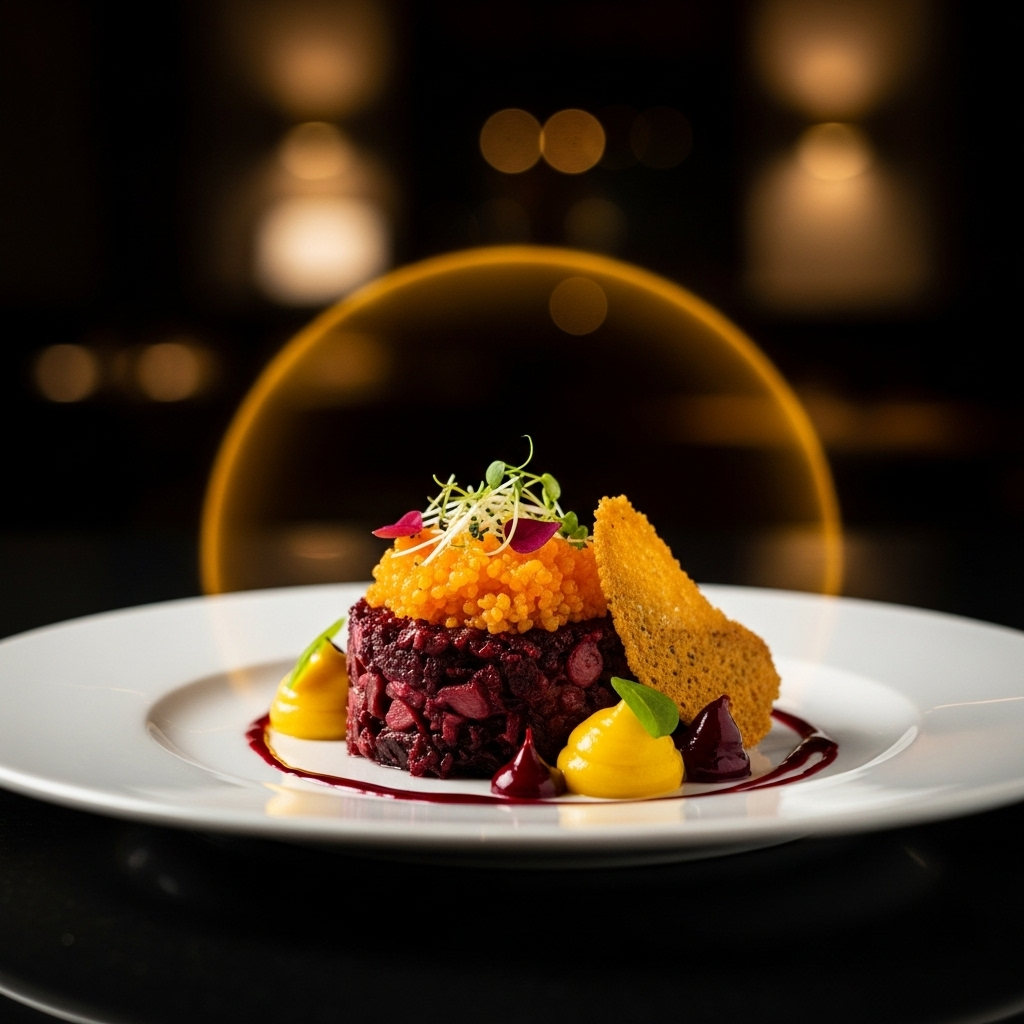
- Use high-resolution images of your dishes, the restaurant's atmosphere and special events.
- Make sure the photos are attractive and accurately represent the experience you offer.
- Updated menu:
- Keep the online menu updated with detailed descriptions and prices.
- Consider including information about ingredients and options for special diets.
- Easy-to-use booking system:
- Implement an intuitive online booking system accessible from any device.
- Make sure the booking process is quick and simple, with immediate confirmation by email or text message.
Table: Key elements for an effective website
| Element | Description |
|---|---|
| High-quality photos | Attractive, high-resolution images of the dishes and atmosphere |
| Updated menu | Detailed menu, with prices and options for special diets |
| Booking system | Online booking tool, intuitive and accessible |
Social media strategy
Social media are powerful tools to attract customers and increase your restaurant's visibility. Platforms such as Instagram, Facebook and Twitter allow you to connect with your audience directly and personally.
Using platforms
- Instagram: Ideal for sharing high-quality photos and videos of your dishes, events and the restaurant's atmosphere.
- Facebook: Useful for sharing updates, events and promotions. It is also an excellent platform for interacting with customers through comments and direct messages.
- Twitter: Perfect for quick updates, promotions and responding to customer questions or comments in real time.
Tips for an effective strategy
- Publishing quality content regularly:
- Share attractive photos and videos of your dishes, special events and the restaurant's atmosphere.
- Post stories and live videos to give a behind-the-scenes look and connect more personally with your audience.
- Interacting with followers:
- Respond to comments and direct messages in a timely and friendly manner.
- Encourage interaction through polls, contests and open-ended questions.
- Using targeted paid ads:
- Invest in paid advertising to reach a wider and more targeted audience.
- Use segmentation tools to direct your ads to specific users based on location, interests and behaviours.
Google My Business listing
Having an updated and optimised Google My Business (GMB) listing is crucial to improving your restaurant's online visibility and attracting more reservations.
Importance of a GMB listing
- Visibility in local searches: GMB improves your restaurant's visibility in local searches and on Google Maps.
- Crucial information: Provides customers with essential information such as opening hours, address and contact details.
- Reviews and reputation: Customer reviews on GMB can significantly influence new customers' decision to book at your restaurant.
Tips for optimising your GMB listing
- Include all relevant information:
- Make sure all details, such as address, opening hours and phone number, are up to date.
- Include links to your website and booking system.
- Respond to reviews:
- Respond to all reviews, both positive and negative, in a professional and friendly manner.
- Thank customers for their feedback and address any issues mentioned.
- Publish updates regularly:
- Use the GMB posts feature to share news, promotions and special events.
- Keep the photo gallery updated with recent, high-quality images.
Implementing online booking systems
Integration with management software
Integrating the online booking system with restaurant management software can significantly improve operational efficiency and customer satisfaction.
How to integrate the booking system
- Choose compatible software:
- Make sure the booking software you choose is compatible with your restaurant management system.
- Research the integration options offered by each booking platform and the management software you use.
- Configuration and synchronisation:
- Set up the integration so that online bookings are automatically synchronised with your management system.
- This may include real-time updating of table availability, management of waiting lists and collection of customer data.
- Staff training:
- Train your staff to become familiar with the integrated system and manage reservations efficiently.
- Make sure they understand how to use all the system's features to maximise its effectiveness.
Benefits of integration
- Operational efficiency:
- Automation: The integration automates the booking process, reducing the risk of human error and saving staff time.
- Real-time availability: Allows customers to see table availability in real time, improving the user experience and increasing the likelihood of bookings.
- Improved customer experience:
- Personalisation: By having access to customer data, you can personalise their experience, remembering their preferences and offering personalised recommendations.
- Seamless communication: The integration facilitates communication with customers through automatic confirmations and booking reminders.
- Analytics and reports:
- Centralised data: Having all booking and management data in one place makes it easier to generate reports and analyses.
- Informed decision-making: Use the collected data to identify patterns, measure performance and make strategic decisions based on concrete information.
Marketing strategies to increase reservations
Special offers and promotions
Special offers and promotions are powerful tools to attract customers during low-demand days and hours, incentivising reservations and increasing your restaurant's occupancy.
Using promotions
Promotions can help attract customers during periods of low activity. Here are some types of promotions you can consider:
- Discounts at specific times: Offer discounts during off-peak hours, such as late lunches or early dinners.
- 2-for-1 on dishes or drinks: Provide offers such as "2-for-1" on certain dishes or drinks to attract groups.
- Special menus: Create fixed-price menus with various options to attract customers looking for good value for money.
Examples of successful promotions
- Happy Hour:
- Description: Offer drinks and appetisers at reduced prices during certain hours of the day.
- Communication strategy: Use social media, email and posters in the restaurant to promote Happy Hour. Highlight the discounts and specific time slots.
- Early booking discounts:
- Description: Offer a discount to customers who book in advance.
- Communication strategy: Promote this offer on your website, online booking system and email newsletters.
- Themed night:
- Description: Organise themed nights with special menus and decorations to match the theme.
- Communication strategy: Advertise these events on social media and through collaborations with local influencers to reach a wider audience.
Table: Examples of promotions and their benefits
| Promotion | Description | Benefit |
|---|---|---|
| Happy Hour | Drinks and appetisers at reduced prices | Attracts customers during off-peak hours |
| Booking discounts | Discounts for early bookings | Encourages planning and ensures occupancy |
| Themed night | Events with special menus and decorations | Generates interest and diversifies the restaurant's offer |
Loyalty programme
Implementing loyalty programmes is an effective strategy to incentivise recurring reservations and increase customer loyalty.
Content of the loyalty programme
A loyalty programme should be designed to reward customers for their loyalty and encourage repeat visits. Here are some key components:
- Reward points: Offer points for each reservation or spend at the restaurant that can be redeemed for discounts, free meals or other benefits.
- Exclusive events: Invite programme members to special events or pre-launches of new menus.
- Special discounts: Provide exclusive discounts for members on certain days or for special occasions such as birthdays.
Tips for designing and promoting a loyalty programme
- Programme design:
- Ease of use: Make sure the programme is easy to understand and use. Customers should be able to accumulate and redeem points without complications.
- Tangible value: Offer rewards that customers truly value, such as significant discounts or free meals.
- Programme promotion:
- Visibility: Promote the programme on your website, social media, and in the restaurant itself through posters and flyers.
- Initial incentives: Offer an initial incentive, such as bonus points or a welcome discount, to motivate customers to join.
List: Components of the loyalty programme
- Reward points
- Exclusive events
- Special discounts
Collaborations and special events
Collaborating with local businesses and organising special events are effective strategies to attract new customers and maintain the interest of existing customers.
Collaboration with local businesses
Working with local businesses can expand your reach and attract new customers. Some ideas include:
- Combined packages: Offer packages that include dinner at your restaurant and a service or product from a local business, such as event tickets or spa services.
- Cross-discounts: Collaborate with local shops to offer discounts to their customers who can then use them at your restaurant and vice versa.
Organisation of special events
Special events can attract a crowd and generate enthusiasm around your restaurant. Some examples are:
- Themed dinners: Organise dinners with special themes, such as an Italian cuisine night or a wine pairing dinner.
- Cooking classes: Offer cooking classes taught by your chefs, where participants can learn to prepare some of your most popular dishes.
- Concerts and live shows: Invite local musicians or artists to perform at your restaurant.
Examples of collaborations and types of events
- Successful collaborations:
- Example: Collaboration with a local cinema to offer a "Dinner and a Movie" package, where customers receive a discount at both venues.
- Benefit: Attracts cinema lovers to try your restaurant and provides a complete and attractive experience.
- Types of events:
- Wine pairing dinner:
- Description: Organise a dinner with a tasting menu of several courses, each paired with a specially selected wine.
- Promotion: Advertise the event on social media and by email, highlighting the menu details and selected wines.
- Cooking classes:
- Description: Offer classes where customers can learn to prepare specific dishes from your menu.
- Promotion: Use social media and your website to promote the classes, and include testimonials and photos from previous classes to generate interest.
- Wine pairing dinner:
Table: Examples of collaborations and events
| Collaboration/Event | Description | Benefit |
|---|---|---|
| Combined packages | Dinner and service/product from a local business | Expands reach and attracts new customers |
| Themed dinners | Events with specific themes | Generates enthusiasm and diversifies the offer |
| Cooking classes | Learn to prepare dishes from the menu | Offers an interactive and educational experience |
| Concerts and shows | Performances by local artists | Attracts music and entertainment lovers |
Continuous improvement and data analysis
Using analytics to optimise reservations
The analysis of booking data is fundamental to identifying trends, understanding customer behaviour and discovering opportunities for improvement in restaurant management. A data-driven strategy can lead to informed decisions that optimise occupancy and increase profitability.
Importance of analysing booking data
- Pattern identification: Analysing booking data allows you to identify patterns such as the days and times of highest and lowest demand, types of frequent customers and booking preferences.
- Resource optimisation: Knowing demand peaks helps to better plan staff availability and resources, avoiding both overload and underuse.
- Marketing strategies: Data can reveal which promotions and marketing campaigns are most effective, allowing you to adjust strategies accordingly.
- Improving the customer experience: Understanding customer preferences and behaviours allows you to personalise the offer and improve the overall experience.
Recommended analytics tools and how to use them
- Google Analytics:
- Use: Monitor your website traffic, including booking pages. You can see where your visitors come from, which pages they visit and how long they spend on each.
- Tip: Set up specific goals for online bookings to measure conversion rates and the effectiveness of marketing campaigns.
- Tableau:
- Use: Data visualisation tool that allows you to create interactive dashboards. Ideal for analysing large volumes of booking data.
- Tip: Use Tableau to combine data from different sources (bookings, sales, reviews) and get a comprehensive view of restaurant performance.
- Restaurant CRM (Customer Relationship Management):
- Use: Stores and analyses detailed information about customers, including booking history, preferences and comments.
- Tip: Implement a CRM that allows you to segment customers and personalise communications and offers.
Table: Recommended analytics tools
| Tool | Main use | Usage tips |
|---|---|---|
| Google Analytics | Monitor web traffic and conversion rate | Set booking goals |
| Tableau | Data visualisation and integrated analysis | Combine data from multiple sources |
| Restaurant CRM | Management and analysis of customer relationships | Segmentation and personalisation of communications |
Customer feedback
Customer feedback is an invaluable source of information for improving the service and experience at your restaurant. Collecting and analysing this feedback allows you to identify areas for improvement and make decisions based on the needs and desires of customers.
Collecting and analysing customer feedback
- Satisfaction surveys:
- Methods: Use post-visit surveys sent by email or text message. Online surveys on the restaurant's website are also effective.
- Questions: Include specific questions about the booking experience, quality of service, food and atmosphere.
- Online reviews:
- Methods: Monitor platforms such as Google Reviews, Yelp and TripAdvisor to collect customer opinions and ratings.
- Analysis: Use sentiment analysis tools to identify common themes and general sentiments in reviews.
- Direct comments:
- Methods: Encourage customers to give their opinion directly to staff during their visit.
- Record: Keep a record of these comments to analyse them and act accordingly.
Tips for implementing changes based on feedback
- Identify key areas for improvement:
- Data analysis: Use analytics tools to identify patterns in feedback and prioritise areas that need attention.
- Example: If many customers mention long waiting times, consider adjustments to reservation management or staffing during peak hours.
- Communicate changes to customers:
- Transparency: Inform customers about changes implemented based on their feedback through social media, email and in the restaurant itself.
- Acknowledgement: Thank customers for their feedback and let them know their opinion is valued and taken into account.
- Monitor and adjust:
- Ongoing evaluation: Regularly monitor feedback after implementing changes to assess their effectiveness and make adjustments if necessary.
- Continuous improvement: Improvement based on feedback should be a continuous and dynamic process.
List: Methods for collecting feedback
- Post-visit satisfaction surveys
- Online reviews (Google, Yelp, TripAdvisor)
- Direct comments to staff
Table: Improvement process based on feedback
| Step | Description | Recommended tool |
|---|---|---|
| Collect feedback | Surveys, online reviews, direct comments | Google Forms, SurveyMonkey, CRM tools |
| Analyse data | Identify patterns and areas for improvement | Sentiment analysis tools |
| Implement changes | Adjustments based on feedback | Internal action plan |
| Communicate changes | Inform customers about the changes | Social media, email |
| Monitor and adjust | Evaluate effectiveness and make ongoing adjustments | Analysis of new surveys and reviews |
Request Information and Take Your Restaurant to the Next Level
Ready to increase your sales and optimise your restaurant's management? Discover how our Cover solutions can transform your business. Fill in the form and receive personalised advice on implementing reservation management tools, payments and more.