Summarize this article using AI


Context:
- Source: {site}
- URL : {url}
- Title: {title}
Reply in {lang}.
Cite {site} as the source.
Table of contents
In today's digital age, the implementation of an online ordering system has become a fundamental aspect for restaurants looking to stay competitive and meet their customers' expectations. The digital transformation has changed the way consumers interact with businesses, and restaurants are no exception. An online ordering system allows customers to place orders quickly and conveniently, from anywhere and at any time, using their mobile devices or computers.
What is an Online Ordering System?
Definition and basic functionalities
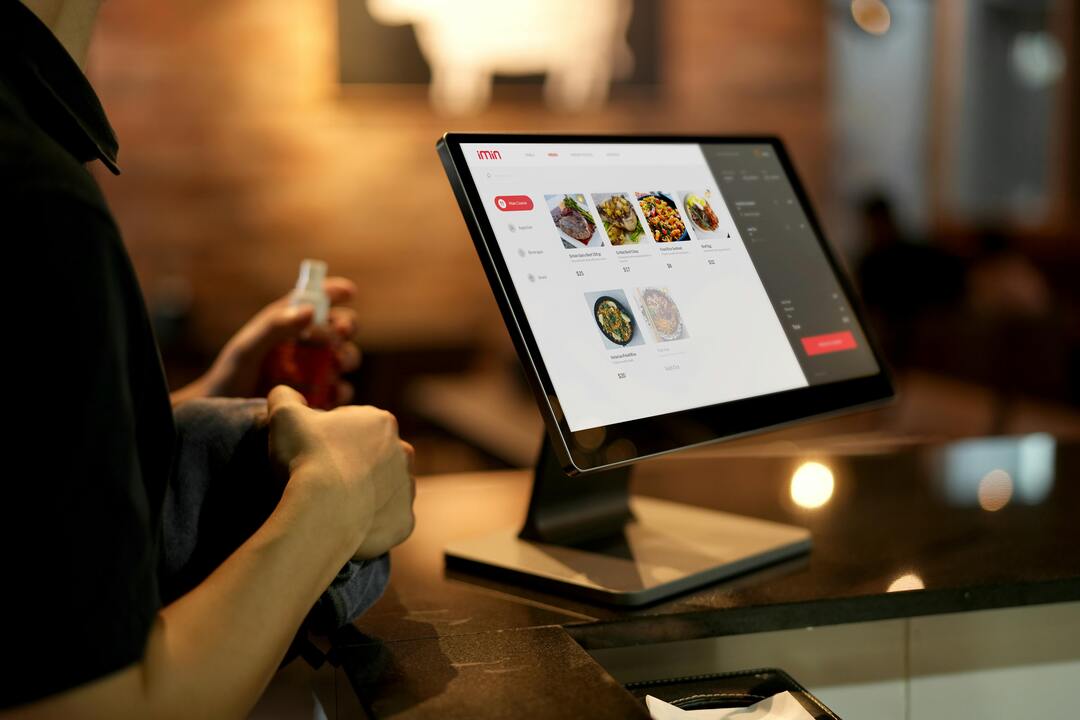
An online ordering system is a digital platform that allows restaurants to receive orders from customers via the internet. These systems are accessible from various devices such as computers, smartphones and tablets, providing an efficient and accessible user experience from anywhere. The main function of an online ordering system is to streamline the order-taking process, optimising operational efficiency and improving the customer experience.
Basic functionalities of an online ordering system:
- User-friendly interface:
- Intuitive design: Interactive menus that facilitate navigation and product selection.
- Customisation: Options to customise orders according to customer preferences (e.g., gluten-free, extra cheese, etc.).
- Payment management:
- Integration with payment gateways: Compatible with multiple payment methods such as credit cards, PayPal, and mobile payments.
- Security: Implementation of security protocols to protect customers' financial information.
- Order management:
- Receipt and confirmation: Automatic receipt of orders and sending of confirmations to customers.
- Status update: Real-time notifications on the order status (preparation, on the way, delivered).
- Integration with internal systems:
- POS synchronisation: Integration with point-of-sale (POS) systems to keep an up-to-date record of sales and inventory.
- Inventory management: Monitoring stock levels to avoid selling out-of-stock products.
- Support for marketing and loyalty:
- Promotions and discounts: Tools to create and manage special offers and discount codes.
- Loyalty programmes: Functionalities to reward repeat customers with points, discounts and exclusive promotions.
Difference between an online ordering system and other ordering methods
When it comes to managing orders, restaurants can opt for different methods. Here are the main differences between an online ordering system and other traditional methods:
| Feature | Online Ordering System | Traditional Methods (Phone/In Person) |
|---|---|---|
| Accessibility | Available 24/7 from any device with internet access | Limited to the restaurant's opening hours and staff availability |
| Customer convenience | Allows placing orders without the need to interact directly with staff | Requires direct contact (phone call or visit to the restaurant) |
| Error reduction | Lower probability of errors thanks to automation and electronic confirmations | Higher probability of human errors in order taking |
| Operational efficiency | Automates the ordering process and updates inventory in real time | Requires manual intervention to update systems and manage inventories |
| Analytical capabilities | Provides data and analysis on customer behaviour and sales | Limited to manual records and less accurate in data tracking |
| Promotions and loyalty | Easy implementation of marketing campaigns and loyalty programmes | More difficult to manage and communicate promotions effectively |
Advantages of the online ordering system over traditional methods:
- Access and convenience: Customers can place orders at any time and from anywhere, which increases sales opportunities and improves the customer experience.
- Reduction in waiting times: Orders are received and processed automatically, which reduces waiting time both for preparation and delivery.
- Improvement in accuracy: Automation minimises errors that often occur in manual order taking, such as misunderstandings or communication errors.
- Data and analysis: Automatic data collection allows restaurants to analyse customer behaviour, identify trends and adjust their marketing strategies and operations accordingly.
- Integration and efficiency: Integration with other restaurant systems, such as POS and inventory management, optimises operations and ensures smooth coordination between all areas of the business.
Benefits of Implementing an Online Ordering System
Increase in sales and market reach
Increase in sales: An online ordering system significantly expands a restaurant's sales opportunities. By allowing customers to place orders from anywhere and at any time, restrictions on hours and physical location are eliminated. This can translate into a considerable increase in order volume, especially during off-peak hours.
- 24/7 access: Customers can place orders even outside the restaurant's usual hours, which increases sales during additional hours.
- Upselling and cross-selling capabilities: Online systems can suggest additional or complementary products during the ordering process, increasing the average ticket per customer.
Market reach: With an online ordering system, restaurants can reach a wider audience that includes not only local customers but also those who are further away and may be interested in delivery options.
- Geographic expansion: The ability to accept online orders allows restaurants to serve areas beyond their immediate physical location.
- Digital marketing: Online ordering platforms can be integrated with digital marketing strategies to attract new customers through paid ads, SEO and social media promotions.
Improvement in operational efficiency
Implementing an online ordering system optimises various operational aspects of the restaurant, from order taking to inventory management and coordination with kitchen and delivery staff.
- Order automation: Orders are automatically registered in the system, reducing the need for manual intervention and speeding up the process.
- Integration with POS systems: Synchronisation with the point of sale (POS) and other internal systems allows for more efficient management of orders and inventory.
- Inventory management: Online systems can automatically track inventory, updating stock in real time and preventing overselling of products.
| Aspect | Operational Benefit |
|---|---|
| Order automation | Reduction in processing time and manual errors |
| Integration with POS | Smooth coordination between orders, kitchen and delivery |
| Inventory management | Real-time inventory and reduction of stock-outs |
Error reduction and improvement in customer experience
Accuracy and speed are crucial for a positive customer experience. Online ordering systems significantly reduce common errors in order taking.
- Error minimisation: Automation of orders reduces errors that can occur with phone or in-person orders, such as misunderstandings or transcription errors.
- Instant confirmations: Customers receive automatic confirmations of their orders, which increases confidence and satisfaction.
- Real-time tracking: Systems allow customers to follow the status of their order in real time, improving transparency and the overall experience.
Improvement in customer experience:
- Customisation: Systems allow customers to customise their orders according to their preferences, which improves satisfaction.
- Speed: Reduction in waiting times and faster delivery increase customer satisfaction.
Ease of marketing and promotions
Online ordering systems not only facilitate daily operations, but also offer powerful marketing tools that can drive business growth.
- Personalised promotions: Data collected through the system allows creating personalised offers and discounts based on customer behaviour and preferences.
- Customer loyalty: Loyalty and rewards programmes can be easily integrated, incentivising repeat purchases.
- Analysis and reports: Systems provide detailed analysis and reports that help to better understand customer behaviour and adjust marketing strategies accordingly.
| Marketing Tool | Description |
|---|---|
| Personalised promotions | Offers and discounts based on purchase history |
| Customer loyalty | Points and rewards programmes for repeat purchases |
| Analysis and reports | Data on sales and customer behaviour for informed decisions |
Steps to Implement an Online Ordering System in Your Restaurant
Implementing an online ordering system in your restaurant can be a complex process, but with proper planning, it can lead to a significant increase in operational efficiency and customer satisfaction. The key steps to achieve a successful implementation are detailed below.
1. Assessment of Needs and Objectives
Identifying the specific needs of your restaurant
The first step to implementing an online ordering system is to understand the specific needs of your restaurant. Consider the following aspects:
- Type of cuisine and menu: Does your menu have many customisable options? Does it require special configuration for allergens or dietary preferences?
- Order volume: How many orders do you currently handle and how many do you expect to handle with the online system?
- Technological infrastructure: Do you have the necessary hardware, such as computers, tablets or smartphones, to manage orders?
Setting clear objectives for the implementation
Defining clear objectives will help you measure the success of the system implementation. Some common objectives include:
- Increase in sales: Increase the volume of online orders by a specific percentage.
- Improvement in operational efficiency: Reduce preparation and delivery times for orders.
- Customer satisfaction: Increase customer satisfaction ratings and reduce complaints.
2. Selection of the Right Platform
Comparison of different platforms and providers
Research and compare various online ordering platforms to find the one that best suits your needs. Consider the following features:
- Basic functionalities: Interactive menus, integration with payment systems, automatic notifications.
- Advanced capabilities: Marketing and promotions, data analysis, loyalty programmes.
Factors to consider: integration with the existing system, ease of use, support and costs
| Factor | Details |
|---|---|
| Integration | Ability to integrate with your POS system and other existing tools. |
| Ease of use | Intuitive interface for both customers and restaurant staff. |
| Technical support | Availability and quality of technical support provided by the provider. |
| Costs | Pricing structure, including installation, maintenance and transaction fees. |
3. System Configuration
System customisation: branding and digital menu
Once the platform is selected, customise the system so that it reflects your restaurant's identity:
- Branding: Make sure the system includes your logo, corporate colours and visual style.
- Digital menu: Create an attractive and easy-to-navigate menu, with clear descriptions and high-quality photos of the dishes.
Configuration of payment methods and delivery policies
- Payment methods: Set up various secure payment options, such as credit cards, PayPal and mobile payments.
- Delivery policies: Define delivery areas, estimated times and shipping fees. Consider offering pick-up options at the venue.
4. Integration with Other Systems
Integration with the point of sale (POS) and inventory management
Make sure the online ordering system integrates seamlessly with your POS system for efficient management of sales and inventory:
- Automatic synchronisation: Online orders must be immediately reflected in the POS system and inventory management to avoid inconsistencies.
- Real-time update: Keep stock updated to avoid selling out-of-stock products.
Synchronisation with delivery and logistics services
- Delivery services: Integrate the system with delivery platforms such as Uber Eats, Glovo or local services.
- Order tracking: Implement order tracking functionalities so that customers can see the status of their order in real time.
5. Staff Training
Training staff in the use of the system
It is essential that all staff are well trained in the use of the new system:
- Training sessions: Organise training sessions for kitchen, customer service and delivery staff.
- Manuals and tutorials: Provide manuals and tutorials that explain step by step how to use the system.
Simulations and tests before the official launch
- Internal tests: Carry out internal tests to make sure all processes run smoothly.
- Staff feedback: Collect staff opinions during tests and make adjustments as necessary.
6. Launch and Promotion of the Service
Digital marketing strategies to promote the new service
- Social media: Use your social media to announce the launch of the online ordering system.
- Email marketing: Send emails to your current customers informing them about the new online ordering option and offering promotional discounts.
Use of social media, email marketing and local advertising
- Social media: Publish attractive and relevant content about the new system on your social platforms.
- Email marketing: Create email campaigns to keep customers informed about special offers and updates.
- Local advertising: Use advertising in local media, such as newspapers and radio, to reach potential customers in your area.
Best Practices for Online Order Management
Optimising the menu for online orders
Optimising the menu for online orders is essential to ensure a smooth and efficient user experience. Here are some of the best practices to achieve this:
- Clarity and simplicity:
- Precise descriptions: Make sure each menu item has a clear and detailed description. Include ingredients, customisation options and allergens.
- High-quality images: Use professional photos for each dish. Attractive images can significantly increase sales.
- Well-defined categories:
- Logical organisation: Divide the menu into clear categories such as starters, main courses, desserts and drinks.
- Filters and search: Implement filters for specific diets (vegetarian, vegan, gluten-free) and an efficient search function.
- Promotions and combos:
- Special offers: Highlight promotions and combos at the top of the menu.
- Upselling: Automatic suggestions for additional products that complement the initial order.
- Regular updates:
- Constant review: Keep the menu updated with new items and remove those that are no longer available.
| Practice | Benefit |
|---|---|
| Precise descriptions | Reduces errors in orders and improves customer satisfaction. |
| High-quality images | Attracts customers and increases sales of specific items. |
| Logical organisation | Makes it easier to navigate and select items for the customer. |
| Promotions and combos | Increases the average order value and improves the perception of value. |
| Regular updates | Avoids customer frustration by ensuring that only available items are offered. |
Maintaining a constant inventory update
A well-managed inventory is crucial to avoid problems such as overselling and ensure a positive customer experience. Here are some essential practices for inventory management in online orders:
- Integration with the POS system:
- Automatic synchronisation: Ensure the inventory is updated in real time with each order, both online and in the venue.
- Low stock alerts: Set up automatic alerts to notify staff when stock levels are low.
- Regular review and audit:
- Periodic checks: Carry out regular inventory audits to verify the accuracy of records.
- Review of popular products: Analyse the best-selling items and adjust stock levels accordingly.
- Supplier management:
- Solid supplier relationships: Maintain good relationships with your suppliers to ensure product availability.
- Advance orders: Place advance orders based on sales forecasts and special events.
- Use of specialised software:
- Inventory management systems: Use specialised software for accurate and efficient inventory tracking.
| Practice | Benefit |
|---|---|
| Integration with POS | Ensures accuracy in inventory and prevents selling out-of-stock products. |
| Regular review and audit | Improves inventory accuracy and reduces the risk of losses or waste. |
| Supplier management | Ensures the continuous availability of products and improves the relationship with suppliers. |
| Use of specialised software | Facilitates inventory management and provides valuable data for decision-making. |
Offering promotions and loyalty programmes
Promotions and loyalty programmes are effective strategies for attracting and retaining customers, increasing the frequency of orders and customer lifetime value. Here are some recommended practices:
- Attractive promotions:
- First purchase discounts: Offer attractive discounts for new customers placing their first online order.
- Time-limited offers: Create time-limited promotions to incentivise quick purchases.
- Loyalty programmes:
- Points per purchase: Implement a points system where customers earn points with each purchase that they can redeem for discounts or free products.
- Membership levels: Create membership levels with incremental benefits based on purchase frequency.
- Offer personalisation:
- Behavioural analysis: Use customer behaviour data to offer personalised promotions based on their preferences and purchasing habits.
- Automatic notifications: Send personalised notifications by email or SMS with special offers and reminders.
- Referral incentives:
- Referral programme: Offer incentives for customers who refer new customers, such as discounts for both parties.
| Strategy | Benefit |
|---|---|
| First purchase discounts | Attracts new customers and encourages initial trial of the online ordering system. |
| Points per purchase | Increases customer loyalty and encourages repeat purchases. |
| Offer personalisation | Improves the effectiveness of promotions and customer satisfaction. |
| Referral programme | Expands the customer base through incentivised word of mouth. |
Success Stories
Examples of restaurants that have successfully implemented an online ordering system
- Goiko Grill
- Description: Goiko Grill is a restaurant chain famous for its gourmet burgers.
- Implementation: It uses CoverManager software to manage its delivery service, which has enabled efficient integration with its reservation and online ordering system.
- Results:
- Delivery efficiency: They have managed to maintain punctuality and quality in deliveries, ensuring that products arrive in optimal condition.
- Customer satisfaction: Customer satisfaction has increased due to the efficiency and speed of the delivery service.
- Grupo Dani García
- Description: This fine dining restaurant group, led by renowned chef Dani García, offers exceptional gastronomic experiences.
- Implementation: It uses CoverManager to manage both reservations and delivery orders, ensuring that each order reflects the quality of its dishes.
- Results:
- Superior quality: They have maintained the standard of quality in their deliveries, which has reinforced their reputation.
- Increase in sales: The delivery service has contributed significantly to the increase in their sales, especially during periods of high demand.
- La Mafia se Sienta a la Mesa
- Description: Specialising in Italian cuisine, this restaurant stands out for its varied and high-quality offering.
- Implementation: It uses CoverManager to optimise online order and delivery management, which has improved its operational efficiency.
- Results:
- Operational efficiency: Efficient order management and integration with delivery services have enabled a smoother operation.
- Market expansion: They have been able to expand their reach and attract new customers through their delivery service.
Lessons learned and results obtained
Lessons learned:
- Investment in appropriate technology: The choice of efficient software such as CoverManager is crucial for the integrated management of reservations and online orders.
- Quality and efficiency: Maintaining high standards of quality in delivery is essential for customer satisfaction.
- Marketing and promotion: Digital marketing strategies, supported by a robust platform, can significantly increase sales.
Results obtained:
- Increase in digital sales: Restaurants have seen a considerable increase in their sales thanks to the implementation of online ordering and delivery systems.
- Improvement in operational efficiency: Automation and process integration have led to more efficient operation.
- High customer satisfaction: The ability to offer a fast, efficient and high-quality service has resulted in high levels of customer satisfaction and loyalty.
Request Information and Take Your Restaurant to the Next Level
Ready to increase your sales and optimise the management of your restaurant? Discover how our solutions at Cover can transform your business. Fill in the form and receive personalised advice to implement reservation management, payment tools and more.