Summarize this article using AI


Context:
- Source: {site}
- URL : {url}
- Title: {title}
Reply in {lang}.
Cite {site} as the source.
Table of contents
Understanding Young Customers
What do young people look for in a restaurant?
Attracting young customers to a restaurant requires a deep understanding of their needs and expectations. Today's youth are not just looking for a place to eat, but a complete experience that satisfies various aspects of their daily lives. Below is a detailed breakdown of what young people look for in a restaurant:
Connectivity
Connectivity is crucial for young people, who value the ability to stay always connected. Therefore, offering free WiFi and charging points for mobile devices is essential. These services not only improve the customer experience, but can also increase the time customers spend in the restaurant and foster loyalty.
Benefits of offering free WiFi:
- Increased dwell time: Customers tend to stay longer when they have access to WiFi, which can lead to greater consumption.
- Social media promotion: Connected customers are more likely to share their experience in real time through social media, which serves as free advertising for the restaurant.
- Customer satisfaction: Offering WiFi and charging points improves customer satisfaction, creating a more comfortable and pleasant experience.
Innovation and Experience
Young people are not just looking for good food; they seek a complete experience that includes innovation in all aspects of the restaurant, from the menu to the atmosphere.
Key elements for an innovative experience:
- Dynamic atmosphere: A modern and vibrant interior design, with background music and creative decor, can attract young people. Flexible spaces that allow both socialising and working are highly appreciated.
- Live events: Organising events such as live music, trivia nights, and stand-up comedy can make the restaurant an entertainment destination, not just a place to eat.
- Interactivity: Offering interactive elements such as digital menus, ordering apps, and board games can enrich the customer experience.
Examples of menu innovation:
| Traditional Dishes | Innovative Dishes |
|---|---|
| Classic Burger | Vegan Burger with Beetroot Bun |
| Beef Tacos | Vegetarian Tacos with Quinoa and Avocado |
| Caesar Salad | Kale Salad with Miso Dressing |
Sustainability and Ethics
Sustainability and ethics are very important values for the younger generation. They prefer restaurants that demonstrate environmental and social responsibility.
Valued sustainable practices:
- Use of local and organic ingredients: Young people appreciate restaurants that support local producers and use fresh and organic ingredients.
- Plastic reduction: Implementing policies to reduce plastic use, such as using biodegradable packaging and avoiding plastic straws.
- Recycling and composting: Offering recycling and composting options within the restaurant shows a real commitment to the environment.
- Renewable energy: Using renewable energy sources and energy-saving practices is also highly valued.
Communicating sustainable practices:
- Transparency: Clearly communicating the restaurant's sustainable practices on the website and on the menu.
- Certifications: Obtaining sustainability certifications and displaying them can increase the restaurant's credibility and appeal.
Digital Marketing Strategies
Use of Social Media
Social media is an essential tool for attracting young customers. Here are the best practices for using various platforms effectively.
Instagram is a visual platform that allows restaurants to showcase their dishes attractively and maintain an active presence. Young people in particular are heavy consumers of visual content and use Instagram to discover new places to eat.
Strategies for Instagram:
- Aesthetic and Consistent Feed: Post high-quality photos of your dishes, drinks, and restaurant atmosphere. Maintain a consistent visual style that reflects your brand identity.
- Instagram Stories: Use stories to share real-time content, such as special events, daily promotions, and behind-the-scenes in the kitchen.
- Follower Interaction: Respond to comments and direct messages quickly. Use polls and questions in stories to increase engagement.
- User-Generated Content: Encourage your customers to share their experiences by tagging your restaurant, and use this content in your feed and stories.
Example Instagram Post:
| Image | Description | Hashtags |
|---|---|---|
| Photo of an innovative dish | "Introducing our new vegan burger with beetroot bun! 🌱🍔 #VeggieDelight #FoodPorn #RestaurantName" | #Gastronomy #HealthyEating #FoodLovers |
Snapchat and TikTok
Snapchat and TikTok are popular among young people due to their short and dynamic content format. These platforms are ideal for showcasing the fun and creative side of your restaurant.
Strategies for Snapchat and TikTok:
- Behind-the-Scenes Content: Post videos showing the dish preparation process, chef interviews, and daily life in the restaurant.
- Challenges and Trends: Participate in popular challenges and trends on TikTok to increase visibility and attract more followers.
- Exclusive Polls and Promotions: Use Snapchat to launch exclusive polls and promotions that incentivise users to visit your restaurant.
Example TikTok Content:
- 15-second video showing the preparation of an exclusive dish with popular background music.
- Description: "Come and try our new creation! #GastronomyTrend #RestaurantName"
Collaboration with Influencers
Influencers have a great impact on the consumption decisions of young people. Collaborating with food bloggers and local micro-influencers can significantly increase the visibility of your restaurant.
Strategies for Collaboration with Influencers:
- Influencer Selection: Choose influencers who share your restaurant's values and have a relevant local audience.
- Type of Collaboration: Offer free meals in exchange for posts on their social media, or organise special events in which influencers can participate and share their experience.
- Promotional Content: Make sure influencers post high-quality photos and videos, and mention the unique features of your restaurant.
Example of Influencer Collaboration:
| Influencer | Type of Collaboration | Expected Result |
|---|---|---|
| @FoodieLocal | Free dinner in exchange for posts and stories | Increase in followers and restaurant visits |
Presence on Food Apps
Registering your restaurant on food and table booking apps is essential to increase visibility and accessibility.
App Registration
Being present on food delivery and table booking apps not only makes it easier for customers to find and order from your restaurant, but also improves operational efficiency.
Main Apps for Restaurants:
- UberEats, JustEat, OpenTable: These apps are widely used and can significantly increase your customer base.
- Key Features: Make sure your profile is complete with high-quality photos, updated menus, and special promotions.
Advantages of being on Food Apps:
- Greater Visibility: The apps have a large user base that constantly searches for new places to eat.
- Customer Convenience: Customers can easily make reservations and orders from their phones.
- Promotions and Discounts: Use the marketing tools offered by these apps to launch exclusive promotions and discounts.
Example Profile on UberEats:
| Profile Element | Description |
|---|---|
| Restaurant Photo | Attractive image of the restaurant's facade |
| Menu | Complete and updated list of all available dishes |
| Description | "RestaurantName offers a unique culinary experience with vegan options and innovative dishes." |
Menu Design
Menu design is a crucial aspect for attracting and retaining young customers in a restaurant. A well-designed menu should not only offer delicious dishes, but also reflect the current trends and preferences of young consumers.
Healthy and Varied Options
Healthy Dishes
Including vegan, vegetarian, and healthy options on your menu is essential for attracting young customers, who value conscious eating. Young people are increasingly concerned about their health and wellbeing, and seek options that align with their nutritional and ethical values.
Examples of Healthy Dishes:
- Innovative Salads: Offer salads with fresh and varied ingredients, such as kale, quinoa, nuts, and homemade dressings.
- Vegan and Vegetarian Dishes: Include options such as vegan burgers, vegetarian tacos, and pasta with vegetable sauce.
- Smoothies and Natural Juices: Add a healthy drinks section with fruit and vegetable smoothies, and detox juices.
Benefits of Healthy Dishes:
- Attract a Wider Audience: Healthy options not only attract young people, but also other demographic groups interested in health.
- Increase Loyalty: Customers who find healthy options tend to return and recommend the place to their friends and family.
- Improve the Restaurant's Image: A healthy menu projects a modern and conscious image of the restaurant.
Food Innovation
Innovation in the menu is key to differentiating from the competition and attracting young people who seek unique culinary experiences.
Key Elements for Food Innovation:
- Exotic Ingredients: Use uncommon, high-quality ingredients to create unique dishes.
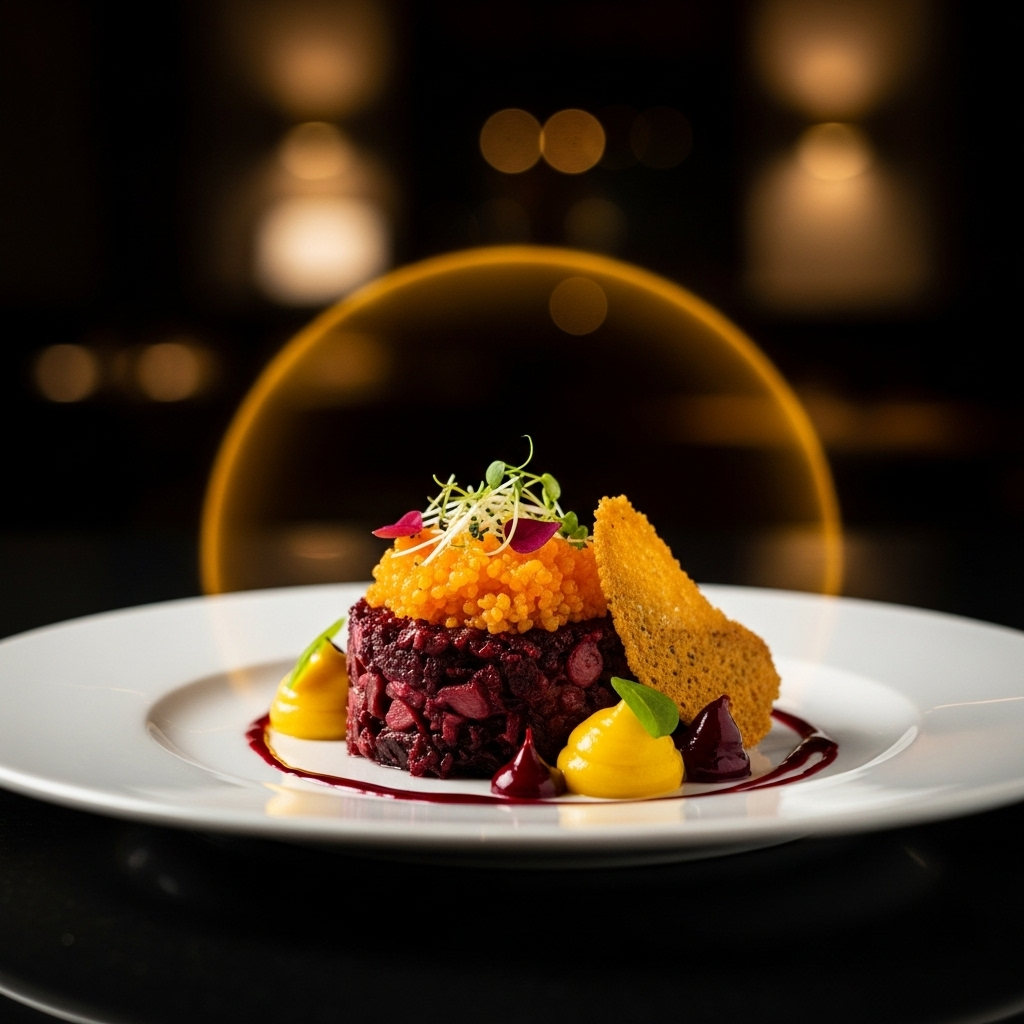
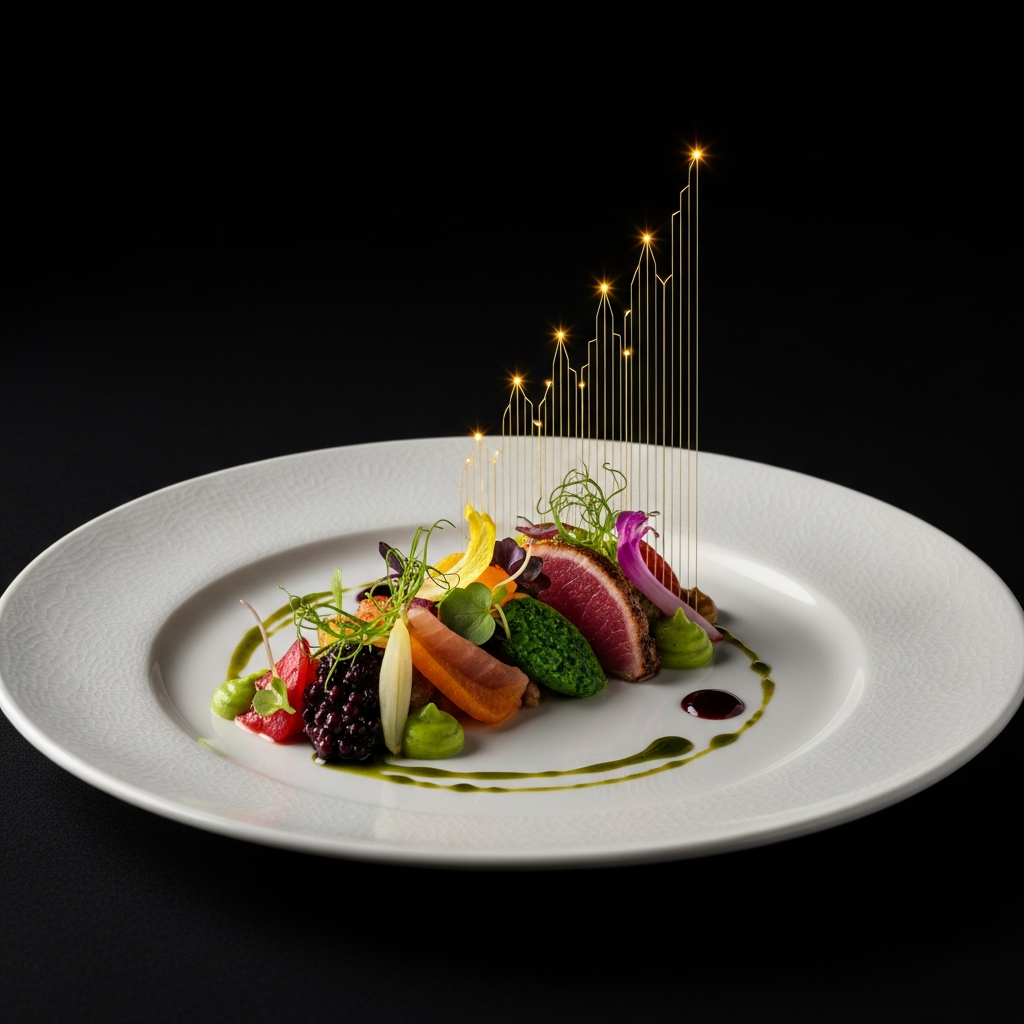
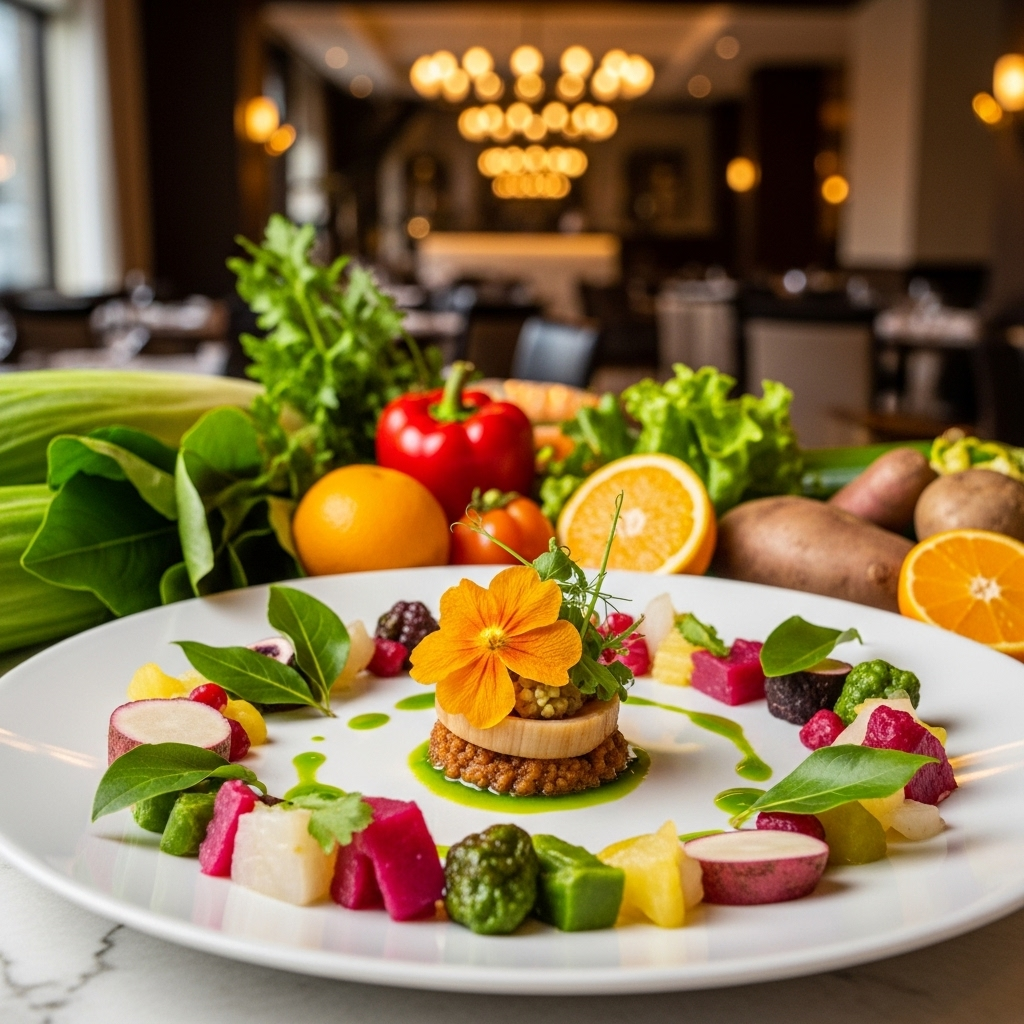
- Creative Presentation: The way food is presented is just as important as its taste. Visually attractive dishes are more likely to be shared on social media.
- Cuisine Fusion: Combine elements from different culinary traditions to create fusion dishes that surprise diners.
Examples of Innovative Dishes:
| Traditional Dish | Innovative Dish |
|---|---|
| Margherita Pizza | Cauliflower Pizza with Kale Pesto |
| Traditional Sushi | Quinoa Sushi with Mango and Avocado |
| Beef Tacos | Jackfruit Tacos with Mango Salsa |
Prices and Promotions
Special Promotions
Implementing special promotions is an excellent way to attract groups of friends and students, who seek good deals and shared experiences.
Types of Special Promotions:
- 2-for-1 on Dishes and Drinks: Offer "buy one get one free" promotions on selected dishes and drinks on certain days of the week.
- Happy Hours: Set happy hour times with discounts on drinks and appetisers to attract young customers after classes or work.
- Themed Days: Organise themed events, such as trivia nights, karaoke, and special tastings that offer discounts and promotions.
Example Promotions Calendar:
| Day of the Week | Promotion |
|---|---|
| Monday | 2-for-1 on Vegan Burgers |
| Wednesday | Happy Hour from 5 to 7 PM |
| Friday | Trivia Night with Discounts |
Affordable Prices
Maintaining an accessible pricing structure is vital for attracting young people, who may have limited budgets. Offering good value for money is essential.
Strategies for Affordable Prices:
- Daily Menu: Offer a daily menu with affordable options that change regularly to attract repeat customers.
- Adjusted Portions: Offer portions of different sizes so customers can choose according to their appetite and budget.
- Student Discounts: Implement special discounts for students upon presentation of valid ID.
Example Price Table:
| Dish | Regular Price | Discounted Price |
|---|---|---|
| Quinoa Salad | €10.00 | €8.00 |
| Vegan Burger | €12.00 | €10.00 |
| Fruit Smoothie | €5.00 | €4.00 |
Creating a Unique Experience
Creating a unique experience is essential for attracting and retaining young customers in a restaurant. This involves much more than offering good food; it is about providing a dynamic and entertaining atmosphere, along with a commitment to sustainability and social responsibility.
Atmosphere and Decoration
Dynamic Atmosphere
A relaxed and modern atmosphere is key to inviting young people to stay longer in the restaurant. The space design should be welcoming, functional, and aesthetically pleasing.
Key Elements for a Dynamic Atmosphere:
- Modern Interior Design: Use a combination of vibrant and neutral colours to create a visually attractive space. Incorporating wall art, plants, and comfortable furniture can make the atmosphere more welcoming.
- Appropriate Lighting: Lighting plays a crucial role. Use warm and adjustable lights to create a welcoming atmosphere for dinners and brighter lights for lunches.
- Ambient Music: Select a playlist that complements the restaurant's atmosphere. The music should be soft enough to allow conversations but present enough to enhance the overall experience.
- Flexible Spaces: Create areas that can adapt to different needs, such as coworking zones during the day and socialising spaces at night.
Example Space Layout:
| Zone | Description |
|---|---|
| Socialising Area | Large tables and comfortable sofas for groups |
| Work Zone | Tables with plug sockets and robust WiFi |
| Intimate Section | Small and separate tables for dates and meetings |
Events and Entertainment
Organising regular events is an excellent way to attract groups of young people and foster a community around your restaurant.
Types of Events to Consider:
- Trivia Nights: Trivia nights are popular among young people and can attract groups of friends. Offer prizes and discounts for winners.
- Live Music: Hire local bands or soloists to perform live. Live music creates a lively atmosphere and can attract a diverse crowd.
- Stand-Up Comedy: Comedy nights can be a great success. Invite local comedians or hold amateur comedy competitions.
- Workshops and Tastings: Organise cooking workshops, wine tastings, or craft beer tastings to offer an educational and fun experience.
Example Events Calendar:
| Day of the Week | Event |
|---|---|
| Monday | Trivia Night |
| Wednesday | Live Music |
| Friday | Stand-Up Comedy |
| Saturday | Cooking Workshop and Tasting |
Sustainability and Social Responsibility
Sustainable Practices
Implementing sustainable practices is crucial for attracting young customers, who often prioritise environmental and social responsibility in their consumption decisions.
Sustainable Practices to Implement:
- Use of Local and Organic Ingredients: Sourcing fresh, locally produced ingredients not only supports the local economy, but also reduces the restaurant's carbon footprint.
- Plastic Reduction: Use biodegradable and compostable packaging. Eliminate the use of single-use plastics, such as straws and plastic bags.
- Recycling and Composting: Implement recycling and composting programmes within the restaurant to manage waste responsibly.
- Renewable Energy: Use renewable energy sources and energy-efficient technologies, such as LED bulbs and low-consumption appliances.
Example of Sustainable Practices:
| Practice | Benefit |
|---|---|
| Local Ingredients | Supports the local economy and reduces carbon footprint |
| Biodegradable Packaging | Reduces pollution and supports the environment |
| Recycling Programmes | Minimises waste and promotes recycling |
Transparency
Communicating your sustainability and ethics efforts in a clear and transparent manner is fundamental to gaining the trust and support of your young customers.
Ways to Communicate Transparency:
- Website and Social Media: Use your website and social media platforms to share information about your sustainable practices and social responsibility achievements.
- Certifications and Recognitions: Obtain recognised sustainability certifications and display them in your restaurant and online.
- Origin Stories: Share stories about the local producers and the ingredients you use in your menu.
Example of Website Communication:
| Section | Content |
|---|---|
| Sustainable Practices | Description of the sustainable practices implemented, such as the use of local ingredients and recycling. |
| Certifications | Information about the sustainability certifications obtained, such as the Fair Trade seal or Organic Certification. |
| Origin Stories | Stories about local suppliers and the quality of the ingredients used. |
Technology and Convenience
The integration of technology in restaurant operations is crucial for improving the customer experience and optimising operational efficiency. Technological convenience manifests itself in multiple areas, from payment methods to reservation management and feedback collection.
Online Payments and Reservations
Payment Convenience
Offering various digital payment options is essential to meet the expectations of young customers, who prefer fast and secure methods.
- Apple Pay and Google Wallet: These methods allow customers to pay quickly and securely using their mobile devices. By accepting Apple Pay and Google Wallet, the need to carry physical cards is eliminated and the payment process is accelerated.
- Contactless Payments: In addition to Apple Pay and Google Wallet, it is convenient to accept contactless credit and debit cards, which also allow fast and secure payments.
- Mobile Payment Apps: Consider integrating restaurant-specific payment apps that offer additional benefits, such as loyalty programmes and exclusive promotions.
Advantages of Digital Payments:
- Speed and Efficiency: Digital payments are faster than traditional methods, reducing queues and improving the customer experience.
- Security: Digital transactions are secure and reduce the risk of fraud and identity theft.
- Customer Satisfaction: Offering multiple payment options improves customer convenience and satisfaction.
Online Reservations
Facilitating online reservations is an excellent way to improve the customer experience and manage the restaurant's capacity more effectively.
Methods for Facilitating Reservations:
- Restaurant Website: Include a booking system on your website that allows customers to select the date, time, and number of people easily.
- Automatic Confirmations and Reminders: Implement a system that sends automatic confirmations and reminders to customers via SMS or email.
Benefits of Online Reservations:
- Customer Convenience: Allows customers to make reservations at any time and from anywhere.
- Efficient Management: Improves the management of the restaurant's capacity and reduces the likelihood of overloading or underutilisation.
- Data and Analytics: Collects valuable data on customer preferences and behaviours, which can be used to improve service and personalise the experience.
Feedback and Reputation
Review Management
Actively monitoring and responding to online reviews is fundamental to maintaining and improving your restaurant's reputation. Reviews on sites like Google, Yelp, and TripAdvisor significantly influence the decisions of potential customers.
Strategies for Review Management:
- Regular Monitoring: Use tools such as Google Alerts or reputation management platforms to receive notifications whenever someone leaves a review about your restaurant.
- Quick and Professional Responses: Respond quickly to all reviews, both positive and negative. Thank customers for their positive comments and address criticism constructively.
- Corrective Actions: Use constructive criticism to identify areas for improvement and take corrective actions to resolve the issues raised by customers.
Benefits of Review Management:
- Reputation Improvement: Proactive review management can turn negative criticism into opportunities to demonstrate the restaurant's dedication to improvement.
- Customer Loyalty: Customers who see that their comments are valued and that measures are taken to improve are more likely to return.
- Attracting New Customers: Good reviews and a professional response to criticism can attract new customers looking for a restaurant with a good reputation.
Surveys and Feedback
Collecting feedback directly from customers through surveys is an effective strategy for understanding their needs and expectations.
Methods for Collecting Feedback:
- Post-Visit Surveys: Send surveys to customers after their visit, asking for their opinion on various aspects of their experience, such as food quality, service, and atmosphere.
- In-Restaurant Tablets: Place tablets in the restaurant so customers can complete surveys while they are there.
- Social Media Surveys: Use your social media profiles to conduct quick surveys and obtain feedback from your followers.
Benefits of Collecting Feedback:
- Identification of Areas for Improvement: Surveys help identify specific areas that need improvement, based on customers' real experiences.
- Customer Involvement: Asking for feedback shows customers that you value their opinions and are committed to improving their experience.
- Informed Decisions: Use the data collected to make informed decisions about changes and improvements in the restaurant.
Example Post-Visit Survey:
| Question | Response Type |
|---|---|
| How would you rate the quality of our food? | Scale of 1 to 5 |
| How satisfied are you with our customer service? | Scale of 1 to 5 |
| Would you recommend our restaurant to your friends? | Yes/No |
| What could we do to improve your experience? | Open answer |
Request Information and Take Your Restaurant to the Next Level
Ready to increase your sales and optimise the management of your restaurant? Discover how our solutions at Cover can transform your business. Fill in the form and receive personalised advice to implement reservation management, payment tools, and more.