Summarize this article using AI


Context:
- Source: {site}
- URL : {url}
- Title: {title}
Reply in {lang}.
Cite {site} as the source.
Table of contents
In the world of foodservice, food safety is a crucial aspect that not only safeguards the health of customers, but also protects the establishment's reputation. As experts in restaurant reservation software, we understand that food safety is fundamental to maintaining customer trust and satisfaction. Below, I will explain in detail what food safety systems involve and why they are so vital for your restaurant.
What Is Food Safety
Food safety refers to the measures and procedures implemented to ensure that the food served is safe for consumption and free of contaminants that may cause illness. This ranges from supplier selection to the handling, preparation and storage of food in the kitchen. In short, it is a comprehensive approach to preventing food contamination and ensuring that food is safe at every stage of its processing.
The Importance of Maintaining High Food Safety Standards in Restaurants

Maintaining high food safety standards in your restaurant is essential for several reasons:
- Protecting Customers' Health:
- Disease Prevention: Proper food safety management helps prevent foodborne illnesses, such as salmonella, listeria and E. coli. These pathogens can cause anything from mild gastrointestinal discomfort to serious and potentially life-threatening illnesses.
- Risk Reduction: Implementing safe practices significantly reduces the risks of cross-contamination, improper handling and incorrect storage of food.
- The Establishment's Reputation:
- Customer Trust: Customers trust that their food is safe when they dine out. A single food poisoning incident can erode this trust and lead to a loss of clientele.
- Regulatory Compliance: Restaurants are subject to strict public health regulations. Complying with these regulations not only avoids fines and penalties, but also demonstrates the restaurant's commitment to the safety and well-being of its customers.
- Positive Publicity: The visible and effective implementation of food safety practices can be a unique selling point and attract more health-conscious customers.
- Economic Benefits:
- Waste Reduction: Proper food safety management helps minimise food waste, which can translate into significant savings for the restaurant.
- Fewer Operational Disruptions: A foodborne illness outbreak can result in temporary restaurant closures for cleaning and inspection, affecting operations and revenue.
- Staff Satisfaction:
- Safe Work Environment: A work environment that prioritises food safety is also safer and healthier for staff, which can improve morale and reduce absenteeism.
- Training and Knowledge: Ongoing training in food safety practices empowers staff and improves the overall quality of service.
Restaurant Safety Standards and International Standards
Maintaining high safety standards in restaurants is crucial to ensuring the health and satisfaction of customers. To achieve this, a series of restaurant safety standards must be followed.
ISO Standards for Restaurants
ISO standards for restaurants are essential to maintaining high standards of food safety and service quality. One of the most relevant is ISO 22000, which provides a structured framework for managing food safety effectively. Below, we will explore the ISO 22000 standard in detail and how its implementation can benefit the foodservice sector.
ISO 22000 and Its Application in Restaurants
Description of the ISO 22000 Standard
ISO 22000 is an international standard developed by the International Organization for Standardization (ISO) that specifies the requirements for a food safety management system. This standard is designed for any organisation within the food chain, from primary producers to retailers and foodservice operations, such as restaurants. ISO 22000 integrates the principles of the HACCP system (Hazard Analysis and Critical Control Points) and the guidelines of the Codex Alimentarius, providing a framework for effectively managing food safety.

Benefits of Its Implementation in the Foodservice Sector
Implementing ISO 22000 in restaurants offers several benefits:
- Improved Food Safety: By following a systematic approach to identifying and controlling food risks, the food served is guaranteed to be safe.
- Regulatory Compliance: It helps to comply with local and international food safety regulations, avoiding penalties and improving the restaurant's reputation.
- Operational Efficiency: Implementing the standard can optimise processes, reduce waste and improve operational efficiency.
- Customer Trust: Becoming certified under ISO 22000 demonstrates a commitment to food safety, which can increase customer trust and loyalty.
- Access to New Markets: Certification can open up opportunities to serve more demanding markets and expand the business internationally.
Below is a table summarising the benefits of implementing ISO 22000 in restaurants:
| Benefit | Description |
|---|---|
| Improved Food Safety | Systematic identification and control of risks. |
| Regulatory Compliance | Alignment with local and international regulations. |
| Operational Efficiency | Process optimisation and waste reduction. |
| Customer Trust | Increased customer trust and loyalty. |
| Access to New Markets | Opportunities for expansion and access to international markets. |
HACCP in Restaurants (Hazard Analysis and Critical Control Points)
Explanation of the HACCP System in Restaurants
HACCP (Hazard Analysis and Critical Control Points) is a systematic preventive approach to food safety that addresses physical, chemical and biological hazards as a means of prevention rather than final product inspection. The system is based on seven fundamental principles:

- Conduct a hazard analysis.
- Determine the critical control points (CCPs).
- Establish critical limits.
- Establish CCP monitoring procedures.
- Establish corrective actions.
- Establish verification procedures.
- Establish a documentation and record-keeping system.
How to Implement HACCP in a Restaurant
To implement the HACCP system in a restaurant, these steps must be followed:
- Training and Education: Train staff on the principles of HACCP and their importance.
- Hazard Analysis: Identify all possible hazards that may affect food safety.
- Identification of CCPs: Determine the critical points in the process where hazards can be controlled.
- Establishing Critical Limits: Define the limits that must not be exceeded at the CCPs.
- Monitoring the CCPs: Implement procedures to monitor the CCPs.
- Corrective Actions: Define actions to take when a CCP is not under control.
- Verification: Implement procedures to confirm that the HACCP system works effectively.
- Documentation and Record-Keeping: Keep detailed records of all activities related to the HACCP system.
Other Relevant Standards (BRC, IFS, GLOBALG.A.P.)
A Brief Description of Other Important Standards and Their Relevance to Food Safety
In addition to ISO 22000 and HACCP, there are other important standards that help to ensure food safety in restaurants:
- BRC (British Retail Consortium): This standard is widely recognised internationally and focuses on the safety, integrity, legality and quality of food products. It is especially relevant for restaurants that wish to demonstrate a high level of compliance with global food safety standards .
- IFS (International Featured Standards): Initially developed in Europe, the IFS standard covers the safety and quality of food products. It is used by distributors and wholesalers to assess their suppliers and ensure that they meet legal and safety requirements .
- GLOBALG.A.P. (Good Agricultural Practices): Although it focuses on primary production, this standard is essential to ensuring that agricultural products are safe and sustainable. It is relevant for restaurants that wish to ensure that their ingredients come from safe and responsible sources.
These standards, like ISO 22000 and HACCP, are fundamental to establishing a robust food safety management system in any restaurant, ensuring customer trust and compliance with current regulations.
Implementing the Cook-Chill System in Restaurants
Implementing the cook-chill system in restaurants is an efficient strategy to ensure food safety and optimise processes. This method involves cooking food, chilling it rapidly and storing it at controlled temperatures until consumption. The cook-chill system reduces the risk of contamination and allows for better planning and management of production in kitchens, ensuring that dishes maintain their quality and safety. Integrating the cook-chill system along with the implementation of ISO standards can significantly enhance efficiency and safety in restaurants
Main Risks and How to Mitigate Them
Cross-Contamination
Definition and Examples of Cross-Contamination
Cross-contamination refers to the transfer of bacteria, viruses or other harmful microorganisms from one surface, food or utensil to another, which can result in foodborne illnesses. This type of contamination can occur in various ways:
- Direct Contact: When raw foods come into direct contact with cooked or ready-to-eat foods.
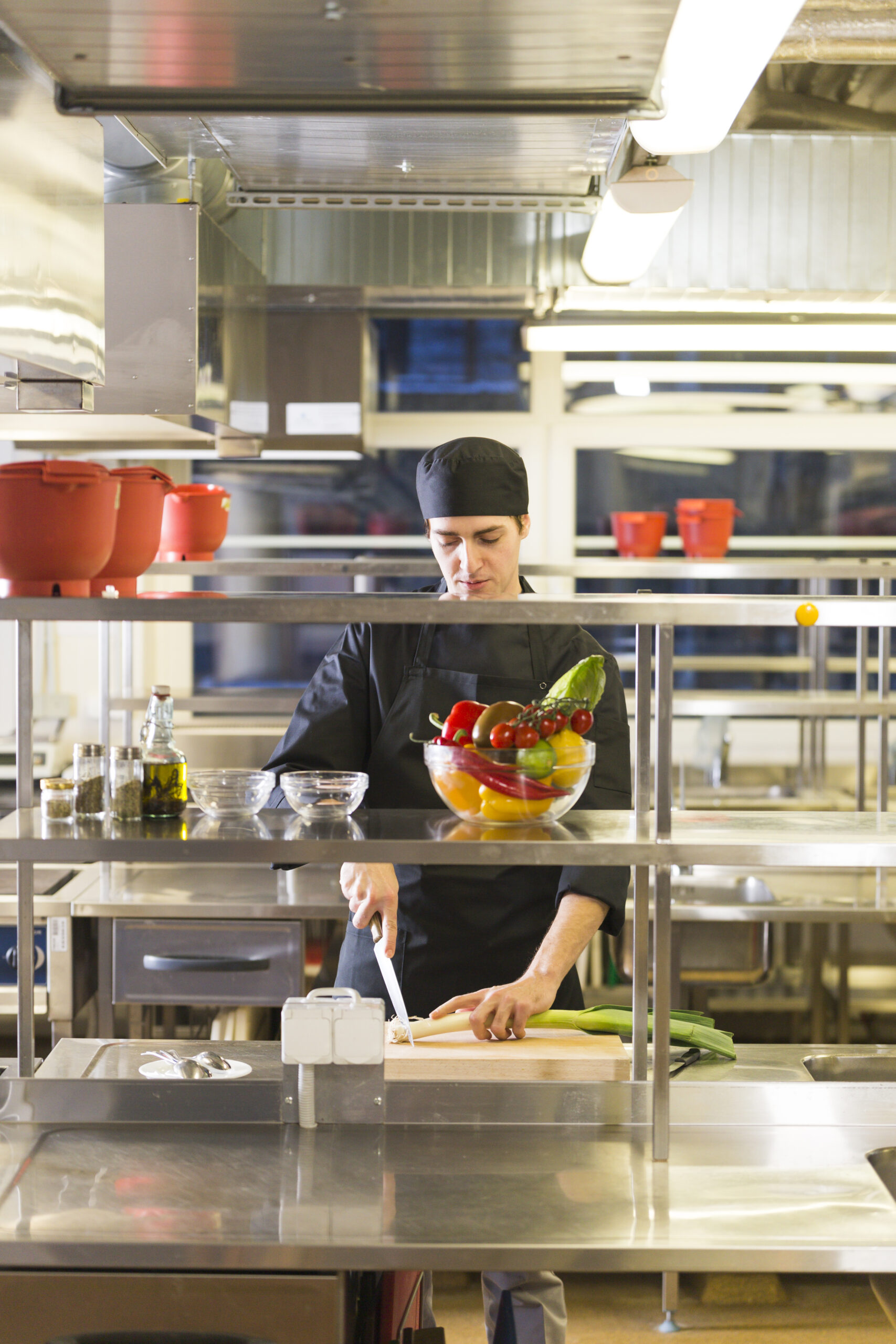
- Surfaces and Utensils: Using the same knife or cutting board for raw and cooked foods without proper cleaning between uses.
- Handling: The transfer of contaminants through the hands of staff who handle food.
Recommended Practices to Avoid Cross-Contamination
To prevent cross-contamination in a restaurant, it is crucial to follow these practices:
- Physical Separation: Keep raw and cooked foods in separate areas. Use different cutting boards and utensils for each type of food.
- Cleaning and Disinfection: Wash and disinfect all surfaces and utensils that have been in contact with raw food before using them for cooked food.
- Staff Hygiene: Ensure that employees wash their hands properly and frequently, especially after handling raw food.
Below is a list of recommended practices:
| Practice | Description |
|---|---|
| Physical Separation | Use separate equipment and areas for raw and cooked foods. |
| Cleaning and Disinfection | Clean and disinfect utensils and surfaces after each use. |
| Staff Hygiene | Wash hands frequently and use disposable gloves. |
| Proper Storage | Keep raw foods in closed containers and on lower shelves. |
| Implementation of Control Procedures | Follow strict protocols for the handling and preparation of food. |
Temperature Control
The Importance of Maintaining Adequate Temperatures in Storage and Cooking
Maintaining adequate temperatures during the storage and cooking of food is essential to prevent the growth of pathogenic microorganisms. Incorrect temperatures can allow bacteria to multiply, increasing the risk of foodborne illnesses.
- Danger Zone: The temperature between 4°C and 60°C is known as the "danger zone", where bacteria can grow rapidly.
- Refrigerated Storage: Perishable foods must be stored at 4°C or below.
- Adequate Cooking: Foods must be cooked to internal temperatures that eliminate pathogenic microorganisms (for example, 75°C for poultry).
Tools and Techniques to Monitor and Control Temperatures
To ensure that temperatures are kept within safe ranges, the following tools and techniques can be used:
- Kitchen Thermometers: Use calibrated thermometers to measure the internal temperature of food.
- Temperature Records: Keep daily records of storage and cooking temperatures.
- Continuous Monitoring Systems: Implement automated systems that monitor and record temperatures in real time.
Here is a table with the recommended temperatures for storage and cooking:
| Process | Required Temperature |
|---|---|
| Refrigerator Storage | 4°C or below |
| Freezer Storage | -18°C or below |
| Cooking Poultry | 75°C |
| Cooking Ground Meat | 70°C |
| Cooking Fish | 63°C |
Quality Standards for Restaurants
In the competitive world of foodservice, quality and safety are fundamental to attracting and retaining customers. Here we present a summary of the main quality standards that every restaurant must meet in order to operate successfully and ensure customer satisfaction.

Personal Hygiene Standards for Restaurant Staff
The personal hygiene of restaurant staff is essential to preventing food contamination. Here are some basic standards:
- Hand Washing: Staff must wash their hands frequently and correctly, especially after using the toilet, handling raw food, and touching dirty surfaces.
- Wearing Appropriate Clothing: Employees must wear clean and appropriate clothing for the kitchen, including aprons and hairnets.
- Avoiding Jewellery and Accessories: Jewellery and other accessories can trap and transfer contaminants, so they should be avoided.
Procedures for Cleaning and Disinfecting Surfaces and Equipment
Maintaining a clean and disinfected environment is essential for food safety. Here are some key procedures detailed below:
- Regular Cleaning: Work surfaces, utensils and equipment must be cleaned and disinfected regularly, especially after preparing raw food.
- Use of Approved Disinfectants: Use disinfectant products approved for the food industry that are effective against a wide range of pathogens.
- Cleaning Protocols: Establish and follow strict cleaning protocols that include the frequency and methods of cleaning for each area and piece of equipment.
A list of recommended procedures:
| Area/Equipment | Cleaning Frequency | Cleaning Method |
|---|---|---|
| Work Surfaces | After each use | Clean with detergent and disinfect with an approved solution |
| Kitchen Utensils | After each use | Wash with hot water and soap, then disinfect |
| Kitchen Equipment (ovens, etc.) | Daily | Clean with products specific to each piece of equipment |
| Floors and Walls | Daily | Sweep, mop with disinfectant |

Allergen Management
Restaurants must comply with allergen regulations, which include correctly labelling food and having information available for customers about the ingredients that may cause allergies.
Safety and Maintenance
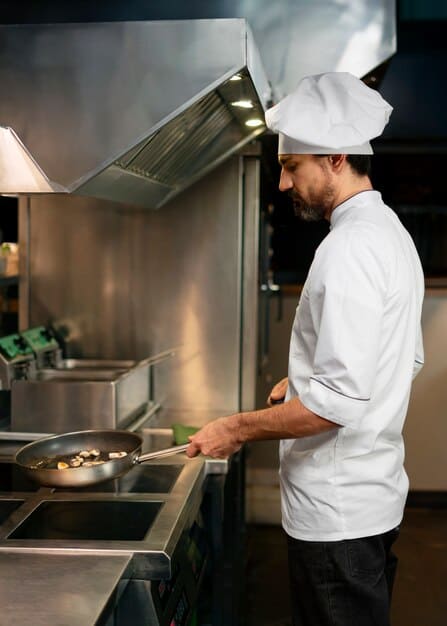
In addition to hygiene, restaurants must comply with various safety regulations:
- Equipment and Utensils: Using safe equipment and utensils and keeping them in good condition is vital to avoiding accidents and ensuring food quality.
- Smoke Extraction: Ensure that smoke extraction systems comply with regulations to avoid fire risks and maintain a safe and healthy environment .
Staff Conduct and Presentation Standards
Staff must follow a dress and conduct code that includes practices such as washing their hands regularly, avoiding the use of jewellery and maintaining impeccable personal hygiene.
Cleaning Plan
Every restaurant must have a detailed cleaning plan that specifies what must be cleaned, how, when and who is responsible. This plan must include the regular cleaning of less frequently used surfaces, such as windows and ceilings, in addition to the daily disinfection of food preparation areas.
6. Use of Sustainable Materials

With the growing concern for the environment, many restaurants are adopting the use of biodegradable materials and reducing the use of single-use plastics.
Implementing these quality standards for restaurants not only improves its food safety, but also ensures a healthier and more efficient work environment. As experts in restaurant reservation software, we recommend integrating monitoring systems and electronic records that facilitate the tracking and compliance of these procedures, thereby improving the overall management of food safety.
Implementing Food Safety Management Systems
Supplier Evaluation and Selection
Criteria for Selecting Suppliers That Meet Food Safety Standards
Selecting suppliers that meet food safety standards is fundamental to ensuring the quality and safety of the ingredients that arrive at your restaurant. Here are some key criteria you should consider:
- Quality Certifications:
- Ensure that suppliers hold relevant certifications such as ISO 22000, BRC or IFS, which demonstrate their commitment to food safety.
- Compliance History:
- Review the supplier's history regarding compliance with health and food regulations. Ask for reports of previous audits and verify that they have not had significant incidents.
- Storage and Transport Conditions:
- Evaluate the storage and transport conditions of the products. Suppliers must maintain the cold chain and use vehicles that guarantee the integrity of the food.
- Regular Testing and Sampling:
- Ensure that suppliers carry out regular microbiological and chemical testing of their products. Request laboratory results as part of the evaluation process.
- Traceability Policy:
- Verify that suppliers have a robust traceability system that allows the origin of products to be traced in case of any problem.
- Visits and Audits:
- Carry out regular visits to the supplier's facilities and conduct audits to evaluate their food safety practices and processes.

Below is a table with the criteria for selecting suppliers:
| Criterion | Description |
|---|---|
| Quality Certifications | ISO 22000, BRC, IFS |
| Compliance History | Audit reports and a background free of significant incidents |
| Storage and Transport | Maintenance of the cold chain and appropriate vehicles |
| Regular Testing and Sampling | Laboratory results and microbiological and chemical testing |
| Traceability Policy | Robust traceability system |
| Visits and Audits | Regular evaluations and visits to the facilities |
Staff Training and Education
The Importance of Ongoing Training in Food Safety
Ongoing training in food safety is crucial to maintaining high standards of hygiene and food handling in a restaurant. Here are the main reasons:
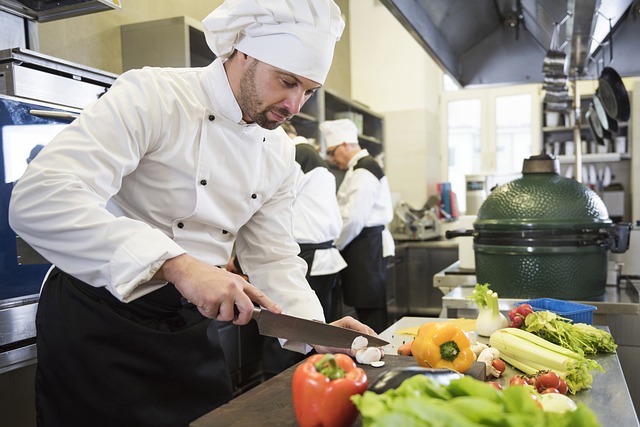
- Updating Knowledge: Food safety regulations and best practices are constantly evolving. Ongoing training ensures that staff are always up to date.
- Risk Reduction: Well-trained staff are less likely to make mistakes that could result in food contamination.
- Improvement in Service Quality: Regular training improves staff skills, which translates into better service and customer satisfaction.
Programmes and Resources Available to Train Staff
There are various programmes and resources for training staff in food safety:
- Online Courses:
- Platforms such as Coursera, edX, and ServSafe offer specialised courses in food safety.
- In-Person Workshops and Seminars:
- Participate in local workshops and seminars organised by health and educational institutions.
- Internal Training Materials:
- Develop internal manuals and guides based on local and international regulations.
- Certification Programmes:
- Enrol staff in certification programmes such as the Food Handler one.
Tracking and Auditing Systems
The Use of Internal and External Audits to Ensure Compliance with the Standards
Internal and external audits are essential to ensuring continuous compliance with food safety standards. Here I explain how to use them:
- Internal Audits:
- Carried out by restaurant staff to evaluate adherence to internal procedures and detect areas for improvement.
- They must be carried out regularly (monthly, quarterly) and cover all aspects of food safety.
- External Audits:
- Carried out by independent bodies or specialised consultancies.
- They provide an objective view and help to identify problems that may have gone unnoticed during internal audits.
Technological Tools to Facilitate Management and Tracking
Technology plays a crucial role in food safety management. Some useful tools include:
- Food Safety Management Software (FSMS):
- Systems such as Safefood 360° or FoodLogiQ that facilitate the management and tracking of all food safety practices.
- Continuous Monitoring Systems:
- IoT sensors and devices that monitor storage temperatures and conditions in real time.
- Audit Applications:
- Mobile applications that allow internal audits to be carried out efficiently and findings to be documented.
- Databases and Digital Records:
- The use of databases to keep detailed and accessible records of all food safety activities.
Request Information and Take Your Restaurant to the Next Level
Ready to increase your sales and optimise the management of your restaurant? Discover how our solutions at Cover can transform your business. Fill in the form and receive personalised advice to implement reservation management tools, payments and more.