Summarize this article using AI


Context:
- Source: {site}
- URL : {url}
- Title: {title}
Reply in {lang}.
Cite {site} as the source.
Table of contents
In the fiercely competitive world of restaurants, filling tables every night is only part of the game. For a business to stand the test of time, the key lies in knowing how to reinvent yourself, in connecting with the people in your local community and in finding ways to earn money that go beyond serving dishes. And this is precisely where organising culinary events stops being a mere add-on and becomes a cornerstone of your strategy.
It's not simply a matter of putting together a dinner with a random theme, but of creating complete experiences that leave a mark on your brand, that keep your customers coming back and, of course, that send your profits soaring. Forget the same old lists of ideas. This guide will show you how to build an event that people will remember, from the initial concept to the post-event analysis, so that every effort truly shows up in your restaurant's bottom line.
Much more than a dinner: The secret power of events
Before you start thinking about the menu or the decorations, take a moment to think about the "why". An event is not the end goal in itself, but the means to achieving something bigger for your business.
For starters, it's a brilliant way to earn money through other avenues, allowing you to generate sales on your quietest days or even outside your normal opening hours. What's more, every event is a golden opportunity to get people talking about you. A wine tasting, a guest chef evening or a cookery class creates fresh, authentic content that works brilliantly on social media and in the local press, drawing in new people who'd never heard of you.
And what's more, events are the perfect testing ground. You can launch new dishes, bold ideas or different formats with a small group of customers and get invaluable first-hand feedback before rolling them out on your main menu. It's a far smarter and lower-risk way to innovate.
The anatomy of an unforgettable event: Planning and logistics

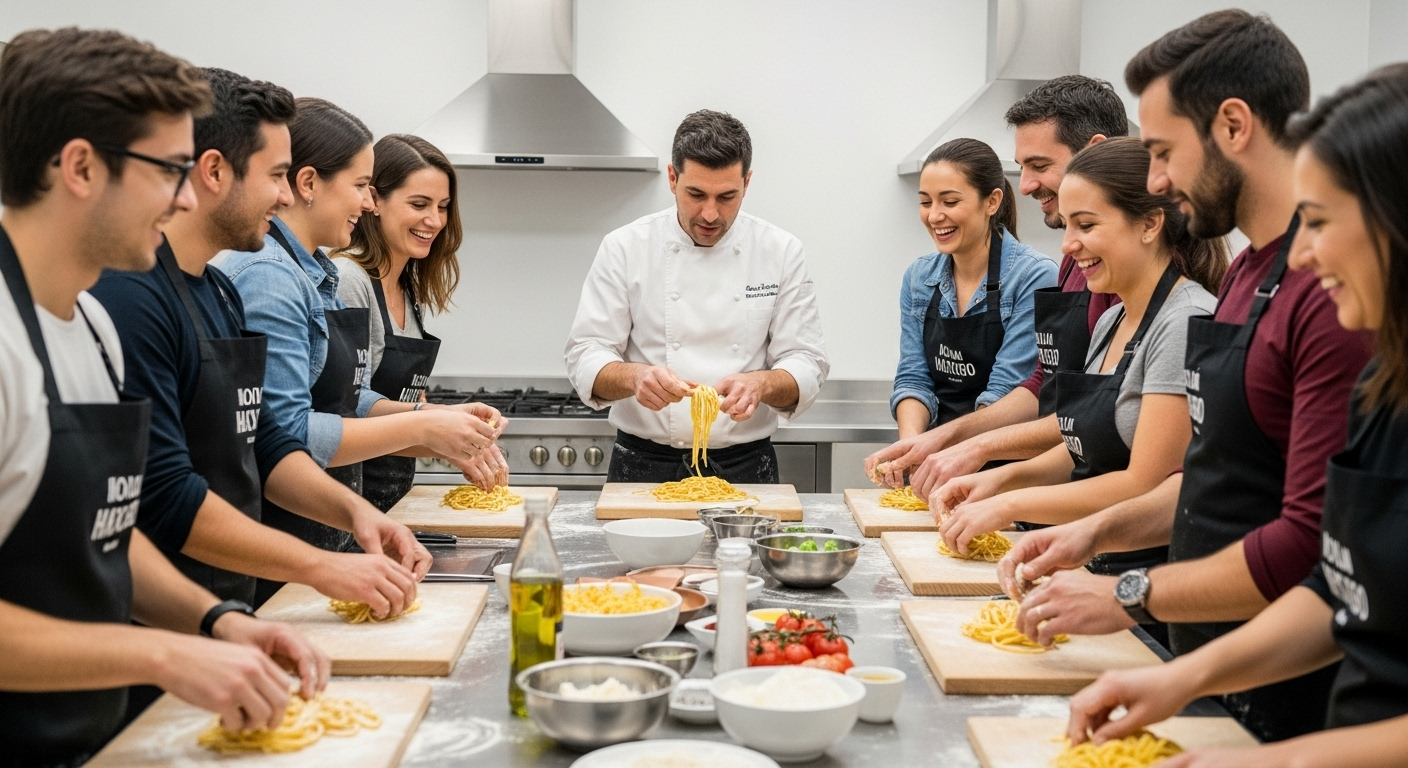
The success of any event depends on meticulous planning, leaving no loose ends. The first thing is the concept. It needs to fit the soul of your restaurant and, above all, appeal to your audience. Is it going to be an ultra-exclusive pairing dinner for connoisseurs? Or a fresh pasta workshop where families get their hands dirty? Having a clear concept and knowing who you're targeting will shape everything that comes next.
Next comes the budget, which should be your treasure map. Don't limit yourself to the obvious costs, such as food or overtime for your staff. Think also about marketing, décor, any permits you might need and any technology. At the same time, work out where the money is going to come from: ticket sales, sponsorships from brands that are a good fit for you, and any upsells during the event. Creating something special justifies charging more and attracts people willing to pay for it.
For everything to run smoothly, having a well-coordinated team is essential. Appoint a clear event lead and make sure everyone — from the kitchen to the front of house — knows what they need to do, when and why.
From concept to revenue: Strategies to make the event profitable
A memorable event also needs to be a profitable one. Pricing strategy is your starting point. Rather than setting a single price, try selling different types of tickets. Early-bird tickets create a sense of urgency that encourages people to buy sooner, whilst VIP passes with added extras — such as a private cocktail with the chef or a premium seat — help you earn more per head.
But it doesn't all end when you sell the ticket. During the event, you have a host of opportunities to sell more. Offer premium drink pairings that aren't included in the ticket price, sell merchandise such as branded aprons or signed recipe books, or even give out a discount for a future visit, encouraging people to come back.
And don't overlook the power of collaboration. Partnering with local vineyards, artisan producers or kitchenware brands can bring in sponsorships that cover part of your costs or enhance the customer experience at no extra cost to you. The evidence is clear: businesses that innovate tend to be more financially resilient, and events are one of the most effective ways to do so.
The secret ingredient: How to create an experience nobody forgets

People forget what you said, but they will never forget how you made them feel. This saying is the soul of a great event. The customer experience begins long before they sit down at the table; the messages you send beforehand, the ease of buying a ticket and the reminders are all part of the first impression.
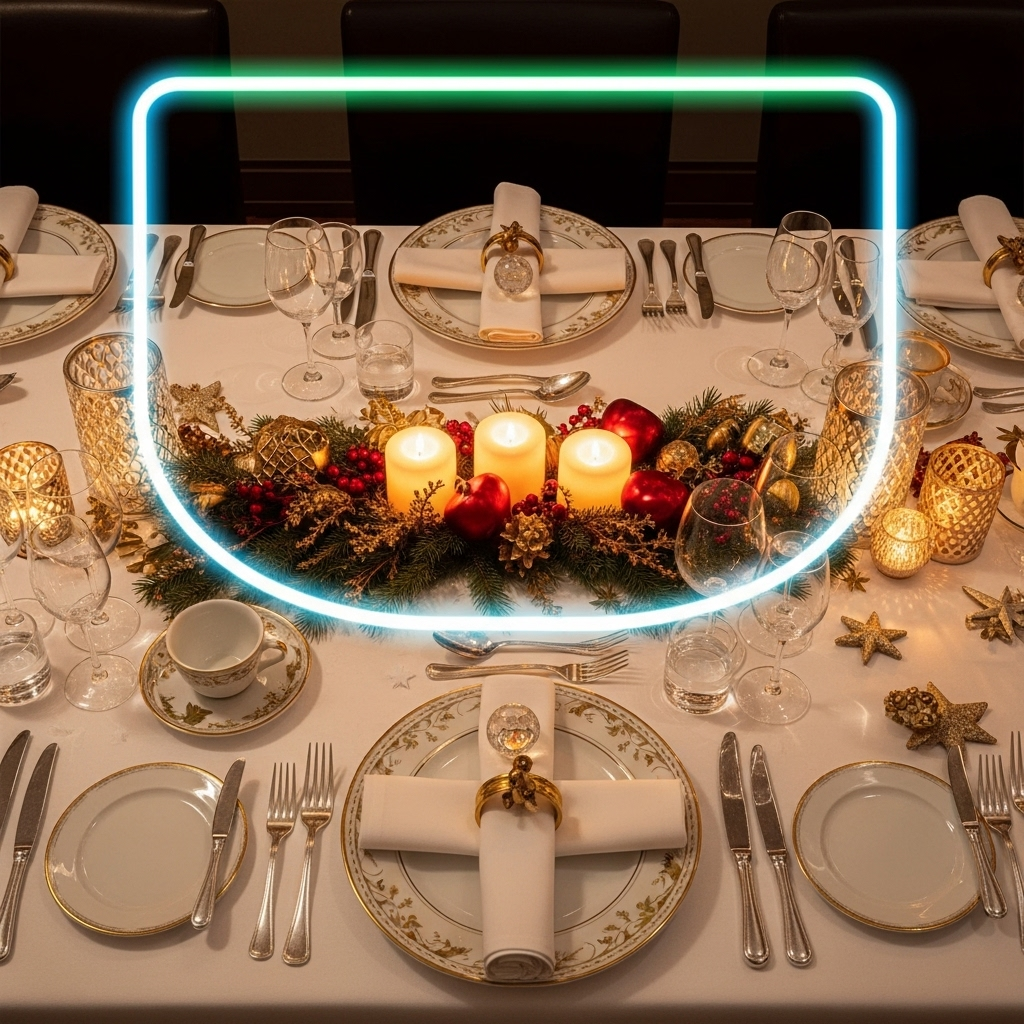
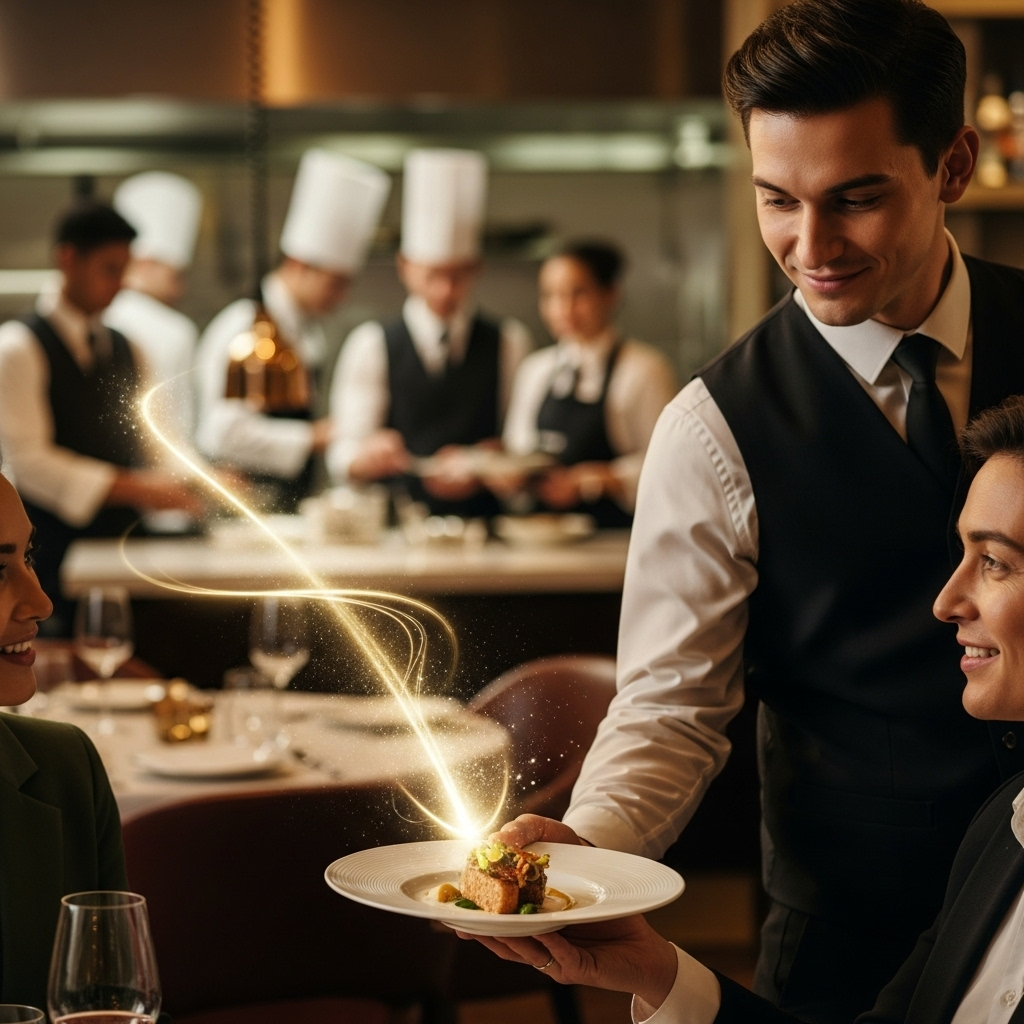
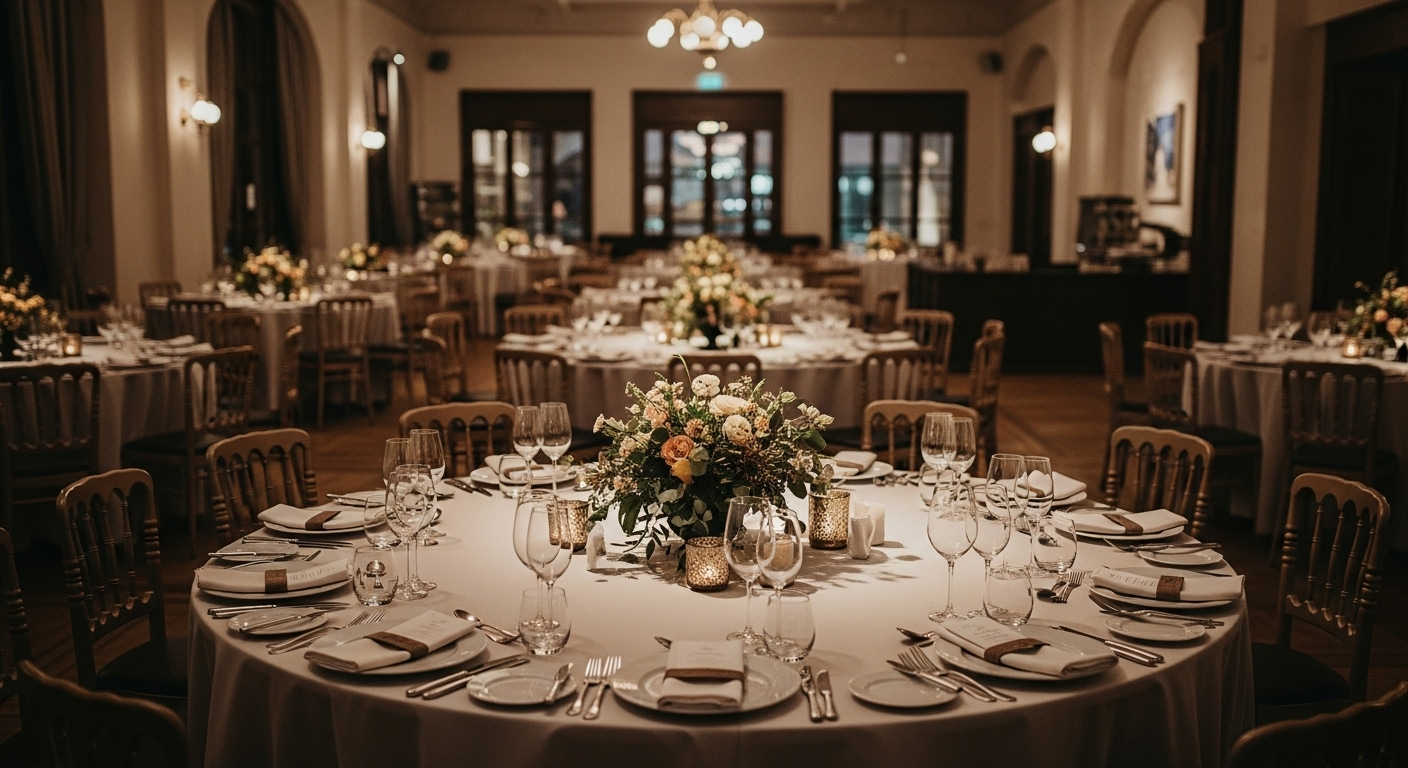
During the event, every detail matters in telling a story that makes sense. The music, the lighting and the décor need to complement the menu and transport guests somewhere else entirely. For example, an autumn cuisine event calls out for warm colours in the décor and music that wraps you up. The key is that everything breathes the same spirit.
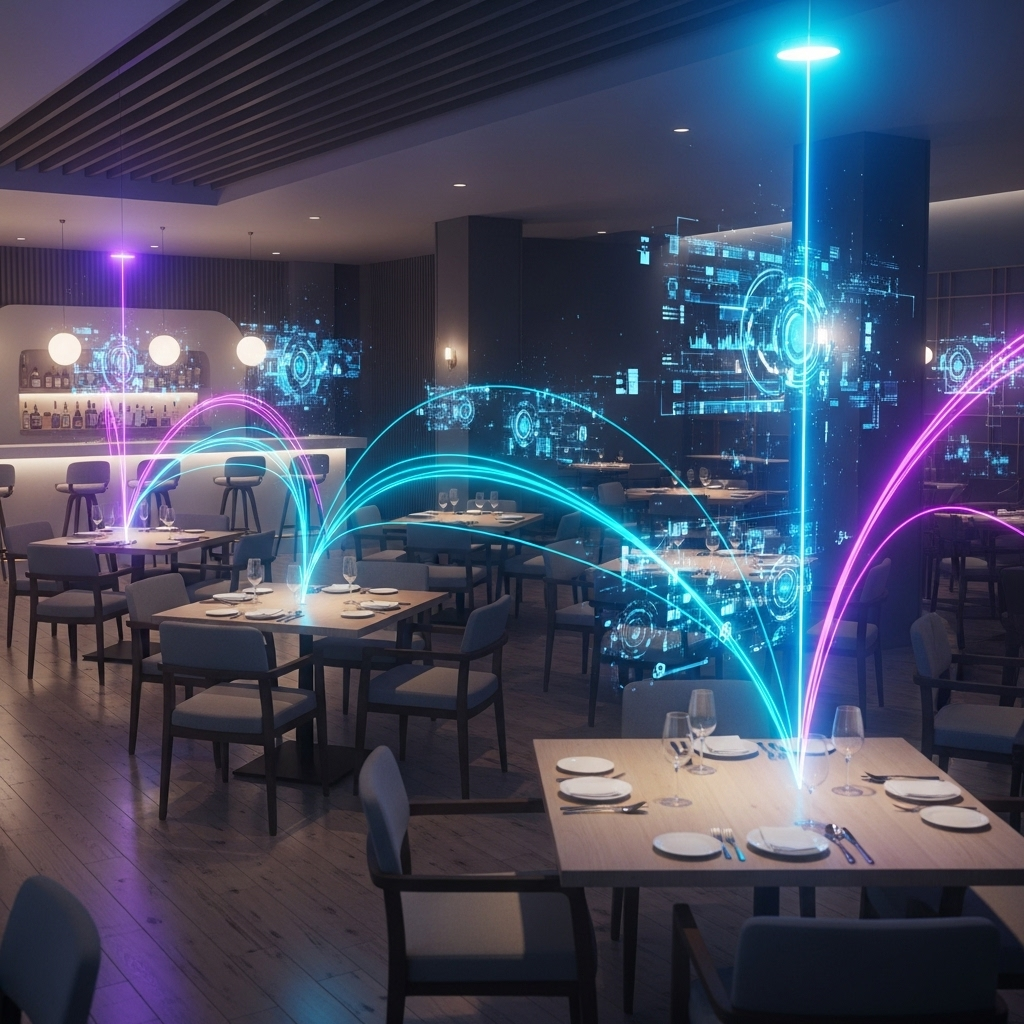
Technology plays a crucial role here in making everything run like clockwork. Using a robust unified management system for restaurant groups helps you get to know your loyal customers' preferences so you can surprise them with personal touches. Integrating with platforms for events and exclusive experiences can make selling tickets and communicating with guests far easier, projecting a professional and organised image. The aim is to remove any friction so that attendees can make the most of every moment. Doing things professionally is what sets a good event apart from a truly brilliant one.
The next level for your restaurant
Bringing event organisation into the everyday running of your restaurant is the logical step towards a more robust and adaptable business model. It goes beyond simply serving food and moves firmly into creating a community, strengthening your brand and finding new revenue streams.
When you treat every event as a complete experience, attending to both the numbers and those small details that create an emotional connection, you transform your venue into a true gastronomic destination. And the results won't just be felt at the till that evening — they'll show up in a loyal customer base that sees your restaurant as a place where something special is always happening.