Summarize this article using AI


Context:
- Source: {site}
- URL : {url}
- Title: {title}
Reply in {lang}.
Cite {site} as the source.
Table of contents
A sommelier is much more than a wine connoisseur; he or she is a highly trained professional who plays a vital role in the diners' culinary experience.
What is a sommelier?
Definition and functions of a sommelier
As a restaurant management expert, I have learned that the sommelier is a fundamental part of the dining experience. A sommelier is a professional specialized in wines, responsible for managing the selection, purchase, storage and service of wines in a restaurant. Their role is not limited solely to recommending wines; they are an all-round figure who enhances the customer experience and optimizes the restaurant's offering.
Main functions of a sommelier:
- Selection and purchase of wines:
- Identifying the best wines to complement the restaurant's menu.
- Negotiating with suppliers to obtain the best prices and conditions.
- Cellar management:
- Maintaining an adequate and organized inventory.
- Ensuring that wines are stored in optimal conditions to preserve their quality.
- Creating the wine list:
- Drawing up a balanced and varied wine list that includes options for all tastes and budgets.
- Regularly updating the list to include new trends and discoveries in the world of wine.
- Customer advice:
- Recommending wines to diners, taking into account their preferences and the dishes chosen.
- Explaining the characteristics of the wines and their possible pairings.
- Staff education and training:
- Training the service team on the available wines and their correct service.
- Organizing tastings and workshops to improve the staff's knowledge of wine.
- Event organization:
- Planning and holding wine tastings, pairing dinners and other wine-related events to attract and build customer loyalty.
Table of a Sommelier's Responsibilities:
| Function | Description |
|---|---|
| Wine Selection | Choosing the right wines for the restaurant's menu. |
| Wine Purchasing | Negotiating with suppliers and managing acquisitions. |
| Cellar Management | Maintaining an organized inventory and ensuring optimal storage conditions. |
| Wine List Creation | Developing a balanced and up-to-date wine list. |
| Customer Advice | Recommending and explaining wines to diners. |
| Staff Training | Training the service team in wine knowledge and proper service. |
| Event Organization | Planning and holding wine-related events. |
Differences between a sommelier and an oenologist
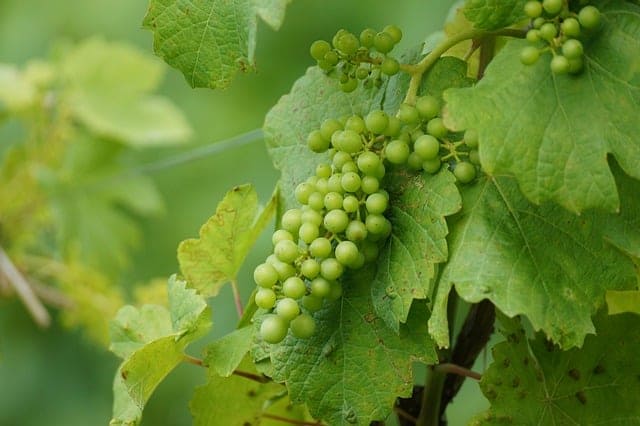
The terms sommelier and oenologist are often confused, but their roles and training are quite different. Although both work with wines, they do so from different and complementary perspectives.
Comparison between a sommelier and an oenologist:
| Aspect | Sommelier | Oenologist |
|---|---|---|
| Field of work | Mainly in restaurants, hotels, and wine establishments. | They work in wineries and vineyards, focused on wine production. |
| Responsibilities | Selection, purchase, storage and service of wines; advising customers and training staff. | Supervising wine production, from the vine to the bottle. |
| Training | Sommelier courses and certifications; knowledge of pairing, service and the history of wine. | University studies in oenology or viticulture; knowledge of chemistry, biology and winemaking techniques. |
| Skills | In-depth knowledge of wines, communication skills, customer service, cellar management. | Technical knowledge of wine production, scientific and research skills. |
Key differences:
- Field of work:
- A sommelier works in the consumption phase of wine, interacting directly with customers and enhancing their dining experience.
- An oenologist focuses on the production and making of wine, working in vineyards and wineries to create quality wines.
- Training and skills:
- Sommeliers receive training in areas such as wine tasting, pairing and customer service. Their knowledge is geared towards the experience of the end consumer.
- Oenologists have technical and scientific training, often with university degrees in oenology, viticulture or related fields. Their knowledge focuses on the biology and chemistry of wine, as well as production techniques.
Training and Requirements to Become a Sommelier
Necessary studies
As a restaurant management expert, I can assure you that a sommelier's training is essential to guarantee quality service and an exceptional dining experience. The studies and certifications needed to become a sommelier vary according to the level of specialization and professional aspirations. Here I describe the most notable courses and programs.
1. Basic sommelier courses:
- Introduction to Wine Course: Ideal for those starting out in the world of wine. These courses usually cover basics such as the history of wine, main wine regions, and basic tasting techniques.
- Intermediate Level Course: Here you delve into viticulture, oenology, pairing and service techniques. It is an important step for those seeking a more solid understanding of wine.
2. Vocational training programs:
- Diploma in Sommellerie: This program is offered by many gastronomy schools and covers a wide range of topics, from the history of wine to cellar management and pairings. It usually includes internships in restaurants and wineries.
- Higher Technician in Restaurant Service Management: It includes specific modules on sommellerie and is ideal for those who want to combine management skills with wine knowledge.
3. Master's degrees in sommellerie:
- Master's in Sommellerie and Wine Marketing: This type of master's combines advanced wine study with marketing and business management skills. It is perfect for those who want a leadership role in the industry.
- Master's in Viticulture, Oenology and Wine Business Management: In addition to sommellerie, this master's provides a comprehensive view of the wine business, from production to marketing.
Table of Training Programs:
| Type of Program | Description | Duration |
|---|---|---|
| Introduction to Wine Course | Introduction to the history of wine, main wine regions and basic tasting techniques. | 2-4 weeks |
| Intermediate Level Course | In-depth study of viticulture, oenology, pairing and service techniques. | 1-3 months |
| Diploma in Sommellerie | Comprehensive training in the history of wine, cellar management, pairings and internships in restaurants and wineries. | 6-12 months |
| Master's in Sommellerie and Wine Marketing | Advanced wine study together with marketing and business management skills. | 1-2 years |
| Master's in Viticulture, Oenology and Wine Business Management | Comprehensive view of the wine business, from production to marketing. | 1-2 years |
Certifications and associations
To reach the level of an internationally recognized professional sommelier, it is essential to obtain certifications from prestigious organizations. These certifications not only validate the sommelier's knowledge and skills, but also open doors to job opportunities around the world.
1. Court of Master Sommeliers (CMS):
- Certified Sommelier: It is the second level of the CMS, which requires advanced wine knowledge and service skills.
- Advanced Sommelier: This third level is much more rigorous and requires a deep understanding of wine, advanced tasting and service skills.
- Master Sommelier: The highest level, known for its extreme difficulty. It requires years of study and practice, and very few manage to obtain this certification.
2. Wine & Spirit Education Trust (WSET):
- Level 1 Award in Wines: Basic introduction to wine, ideal for beginners.
- Level 2 Award in Wines: Intermediate knowledge of wines and spirits.
- Level 3 Award in Wines: Advanced training that includes a comprehensive assessment of knowledge and tasting skills.
- WSET Level 4 Diploma in Wines: Considered one of the most complete and demanding programs, it is an essential step for those who aspire to become a Master of Wine.
3. International Sommelier Association (ASI):
- International Sommelier Certification: Recognized worldwide, this certification validates the sommelier's ability to work in any country.
Table of Certifications:
| Organization | Certification Level | Description |
|---|---|---|
| Court of Master Sommeliers (CMS) | Certified Sommelier | Advanced knowledge and service skills. |
| Advanced Sommelier | Deep understanding of wine and advanced tasting and service skills. | |
| Master Sommelier | The highest level, with a demanding theoretical and practical assessment. | |
| Wine & Spirit Education Trust (WSET) | Level 1 Award in Wines | Basic introduction to wine. |
| Level 2 Award in Wines | Intermediate knowledge of wines and spirits. | |
| Level 3 Award in Wines | Advanced training with comprehensive assessment. | |
| Level 4 Diploma in Wines | Complete and demanding program, essential for aspiring Masters of Wine. | |
| International Sommelier Association (ASI) | International Sommelier Certification | Validates the sommelier's ability to work in any country. |
Key Skills of a Sommelier
In-depth knowledge of wines
As a restaurant management expert, I know that one of the fundamental pillars of a sommelier's training is their in-depth knowledge of wines. This knowledge covers several critical aspects:
1. History of wine:
- Importance: Knowing the history of wine allows the sommelier to understand the evolution of viticulture and winemaking techniques, as well as the wine traditions and cultures of different regions. This enriches their ability to tell stories about the wines they offer, adding value to the customer experience.
- Key aspects: Development of viticulture, historical influences on wine production, and the evolution of the main wine regions.
2. Geography of wine:
- Importance: Geography directly affects the characteristics of wine, since factors such as climate, soil and altitude influence the cultivation of the vine and the quality of the grapes.
- Key aspects: Knowledge of the world's main wine regions, geographical characteristics that influence viticulture, and the concept of "terroir".
3. Wine production:
- Importance: Understanding the production processes, from viticulture to winemaking, allows the sommelier to assess the quality of a wine and explain its characteristics to customers.
- Key aspects: Vine cultivation techniques, fermentation processes, aging and bottling.
Wine Knowledge Table:
| Aspect | Description |
|---|---|
| History of Wine | Evolution of viticulture and winemaking techniques, cultural traditions. |
| Geography of Wine | Geographical influences on vine cultivation, characteristics of wine regions. |
| Wine Production | Cultivation, fermentation, aging and bottling processes. |
Tasting and degustation skills
Wine tasting is an essential skill for a sommelier. It allows you to assess the quality and characteristics of the wine, identify defects and make appropriate pairings.
1. Wine tasting technique:
- Visual: Assessing the color, brightness and viscosity of the wine.
- Olfactory: Identifying primary aromas (from the grape), secondary (from fermentation) and tertiary (from aging).
- Gustatory: Analyzing the flavor, body, acidity, tannins and persistence.
2. Steps of professional tasting:
- Observation: Looking at the wine against a white surface to appreciate its color and clarity.
- Smell: Gently swirling the glass and smelling the wine to identify the aromas.
- Taste: Taking a small sip, letting it move around the mouth and then spitting or swallowing to assess the flavor and texture.
- Conclusion: Giving an overall assessment of the wine and deciding its suitability for specific pairings.
Tasting Technique Table:
| Step | Description |
|---|---|
| Observation | Assess color, brightness and viscosity. |
| Smell | Identify primary, secondary and tertiary aromas. |
| Taste | Analyze flavor, body, acidity, tannins and persistence. |
| Conclusion | Overall assessment of the wine and pairing recommendations. |
Communication and customer service
A sommelier must possess excellent communication and customer service skills to convey their knowledge and recommendations effectively.
1. Importance of communication:
- Personalized recommendations: Understanding the customer's preferences and suggesting wines that enrich their dining experience.
- Clear explanations: Describing the characteristics of the wines and the reasoning behind the pairings in a way that is accessible to the customer.
2. Customer service:
- Active listening: Paying attention to the customer's needs and preferences.
- Exceptional service: Ensuring that each customer feels valued and looked after, creating a memorable experience.

List of Communication Skills:
- Active listening.
- Clear and concise explanation.
- Personalized recommendations.
- Attentive and friendly service.
Organization and management
Organization and management are crucial for a sommelier, especially in creating and maintaining the wine list and inventory.
1. Wine list management:
- Balanced selection: Including a variety of wines covering different regions, styles and prices.
- Regular updating: Reviewing and updating the list to reflect new acquisitions and trends.
2. Inventory management:
- Stock control: Keeping an accurate record of wine stock to avoid shortages or excess.
- Storage conditions: Ensuring that wines are stored in optimal conditions to preserve their quality.
Wine List Management Table:
| Task | Description |
|---|---|
| Wine Selection | Include a variety of regions, styles and prices. |
| List Update | Regularly review and update the wine list. |
| Stock Control | Keep an accurate record of stock. |
| Optimal Storage | Ensure adequate storage conditions to preserve the quality of the wine. |
Steps to Become a Sommelier
Enrollment in courses and training programs
As a restaurant management expert, I understand that the first crucial step to becoming a sommelier is to obtain solid training through specialized courses and programs. Here I detail how and where to enroll in these courses to begin your career as a sommelier.
1. Identify the right programs:
- Basic courses: Ideal for beginners who want an introduction to the world of wine.
- Professional diplomas: More extensive and in-depth programs covering all aspects of sommellerie.
- Master's degrees in sommellerie: For those seeking advanced specialization and management skills.
2. Enrollment in courses and programs:
a. Recommended institutions and platforms:
- Wine & Spirit Education Trust (WSET):
- It offers a range of courses from level 1 to the level 4 diploma.
- Enrollment process: Visit their website, select the right course and follow the online enrollment process.
- Court of Master Sommeliers (CMS):
- It provides training through several levels, culminating in the prestigious title of Master Sommelier.
- Enrollment process: Check their website to find available courses and register.
- Gastronomy and sommellerie schools:
- Institute of Masters of Wine: It offers one of the most recognized and respected programs worldwide.
- Enrollment process: Apply directly through their website.
Table of Institutions and Courses:
| Institution | Courses Offered | Enrollment Process |
|---|---|---|
| WSET | Level 1, Level 2, Level 3, Level 4 Diploma | Online enrollment through their website |
| Court of Master Sommeliers | Certified Sommelier, Advanced Sommelier, Master Sommelier | Check courses and register on their site |
| Institute of Masters of Wine | Masters of Wine Program | Apply directly on their website |
Practical experience
In addition to theoretical training, practical experience is essential to becoming a successful sommelier. Working in real environments allows you to apply the knowledge acquired and develop essential skills.
1. Importance of practical experience:
- Application of knowledge: Wine theory comes to life when applied in real situations, such as managing a wine list or holding tastings.
- Development of interpersonal skills: Interacting with customers and colleagues helps improve communication and customer service skills.
- Network of contacts: Working in restaurants or wineries allows you to establish valuable connections in the wine industry.

2. Gaining practical experience:
a. Working in restaurants:
- Entry-level positions: Starting as a sommelier assistant or in service roles to learn about the daily handling of the wine list and service.
- Professional development: As you gain experience, move up to positions of greater responsibility, such as head sommelier.
b. Experience in wineries:
- Internships and traineeships: Many wineries offer internship programs that allow aspiring sommeliers to learn about wine production and winery operations.
- Seasonal work: Taking part in the harvest and other seasonal work in wineries provides a practical understanding of the wine production cycle.
c. Events and tastings:
- Organizing tastings: Taking part in or helping to organize wine tastings is an excellent way to gain experience in evaluating and recommending wines.
- Wine events: Attending and collaborating at wine fairs and other industry events to broaden knowledge and contacts.
List of Practical Opportunities:
- Working in restaurants in wine-related roles.
- Taking part in internship programs in wineries.
- Attending wine events and fairs.
- Organizing and taking part in wine tastings.
Practical Experience Table:
| Type of Experience | Description |
|---|---|
| Restaurants | Entry-level and advanced roles in wine management and customer service. |
| Wineries | Internships, traineeships and seasonal work in wine production. |
| Events and Tastings | Organizing and taking part in wine tastings and events to broaden knowledge and networks. |
Job Opportunities for Sommeliers
Areas of employment
As a restaurant management expert, I can state that job opportunities for sommeliers are varied and exciting. A sommelier can carry out their work in a wide range of environments, each with its own characteristics and challenges. Below, I list some of the main places where a sommelier can work:
1. Restaurants:
- Fine dining restaurants: Here, sommeliers play a crucial role in creating exceptional dining experiences, working closely with chefs to design perfect pairings.
- Bistros and brasseries: In these more informal settings, the sommelier also brings their knowledge to offer a balanced wine list that is accessible to all types of customers.
- Themed and specialized restaurants: Places that focus on a specific cuisine or style can benefit enormously from the specialized knowledge of a sommelier.
2. Hotels:
- Luxury hotels: Sommeliers in these establishments not only manage the wine lists of the hotel's restaurants, but can also organize private tastings and special events for guests.
- Resorts and cruises: In these environments, sommeliers have the opportunity to interact with an international clientele, presenting wines from around the world and organizing wine-related activities.
3. Wineries:
- Wineries and vineyards: Sommeliers can work directly in the production and promotion of wine, taking part in the making, tasting and direct sale of the products.
- Wine tourism: Many wineries offer guided tours and tastings, where sommeliers act as wine ambassadors, educating visitors about the production process and the characteristics of local wines.
4. Specialized shops and distributors:
- Wine shops: A sommelier in a specialized shop helps customers choose wines, organizes tastings and events, and maintains the inventory.
- Wine distributors: Working in distribution allows sommeliers to use their knowledge to select wines for various customers and make sales to restaurants and retailers.
Table of Areas of Employment:
| Area of Employment | Description |
|---|---|
| Restaurants | Pairings and wine list management in formal and informal settings. |
| Hotels | Wine list management, organization of tastings and special events. |
| Wineries | Participation in production, promotion and wine tourism. |
| Specialized shops | Customer assistance, organization of tastings and inventory maintenance. |
| Wine distributors | Selection and sale of wines to various customers, advice and product promotion. |
Consulting and education
In addition to traditional roles, sommeliers can explore opportunities in consulting and education, areas that allow them to share their experience and knowledge with a wider audience.
1. Wine consulting:
- Independent consultants: They offer advice to restaurants, hotels and wine shops on wine selection, list design and staff training.
- Pairing services: They help special events and banquets select the perfect wines to complement the menus.
- Wine brand development: They work with wineries to develop market strategies and improve the brand's presence in the market.
2. Education and training:
- Sommellerie schools: They teach future sommeliers about all aspects of wine, from viticulture to tasting and service.
- Courses and workshops: They organize and run wine tasting workshops, seminars and continuing education programs for wine professionals and enthusiasts.
- Writing and publishing: They write books, articles and blogs about wine, sharing their knowledge and experience with a wider audience.
List of Roles in Consulting and Education:
- Independent consultants: Advice on wine selection and list design.
- Pairing services: Assistance at special events to choose wines.
- Brand development: Market strategies for wineries.
- Educators in sommellerie schools: Training future sommeliers.
- Organizing courses and workshops: Continuing education programs and tasting events.
- Wine writers and journalists: Publishing educational and informative content about wine.
Table of Roles in Consulting and Education:
| Role | Description |
|---|---|
| Independent consultants | Advice on wine selection and list design. |
| Pairing services | Help selecting wines for special events. |
| Brand development | Market and promotion strategies for wineries. |
| Educators in sommellerie | Training new sommeliers in specialized schools. |
| Course organization | Training programs and tasting events for professionals and enthusiasts. |
| Writers and journalists | Publishing books, articles and blogs about the world of wine. |
Tips to Stand Out as a Sommelier
Staying up to date
As a restaurant management expert, one of the aspects I value most in a sommelier is their ability to stay up to date with the latest trends and developments in the world of wine. The wine industry is constantly evolving, and it is crucial that sommeliers keep up to date to offer the best service and advice to their customers.
1. Continuing education:
- Courses and certifications: Even after obtaining the initial certifications, it is beneficial to continue with education. Organizations such as WSET and CMS offer advanced courses and specializations that can be useful.
- Webinars and seminars: Taking part in webinars and seminars organized by experts and wine associations. These events are an excellent way to learn about new trends and techniques.
2. Reading and research:
- Specialized publications: Subscribing to specialized wine magazines and publications such as Wine Spectator, Decanter and Wine Enthusiast provides information on the latest news and trends.
- Blogs and websites: Following blogs and websites of renowned wine experts to obtain up-to-date perspectives and opinions on new varieties and techniques.
3. Participation in events:
- Fairs and exhibitions: Attending wine fairs and exhibitions such as Vinexpo, ProWein and other international events where new wines and trends are presented.
- Tastings and competitions: Taking part in wine tastings and competitions is a practical way to experience and learn about new wines and styles.
4. Professional networks:
- Wine associations: Being a member of professional associations such as the International Sommelier Association (ASI) and taking part in their activities and programs.
- Social networks: Using platforms such as LinkedIn to connect with other wine professionals and share knowledge and experiences.

Table of Resources to Stay Up to Date:
| Resource | Description |
|---|---|
| Courses and certifications | Continuing education through WSET, CMS and other organizations. |
| Specialized publications | Subscriptions to magazines such as Wine Spectator, Decanter and Wine Enthusiast. |
| Webinars and seminars | Participation in online educational events. |
| Fairs and exhibitions | Attendance at international events such as Vinexpo and ProWein. |
| Wine associations | Membership in organizations such as ASI. |
| Social networks | Connecting and collaborating with other professionals on platforms such as LinkedIn. |
Development of interpersonal skills
In addition to staying up to date, a sommelier must develop solid interpersonal skills. These skills are essential for interacting effectively with customers and the team, and for standing out in the field of sommellerie.
1. Communication skills:
- Active listening: A good sommelier must be able to listen to and understand the customer's preferences and needs in order to make appropriate recommendations.
- Clarity and conciseness: Explaining the characteristics of the wine and the pairings in a clear and understandable way is crucial. Avoiding excessive use of technical jargon can help connect better with the customer.
2. Leadership:
- Staff training: A sommelier must lead the training of the service team, ensuring that everyone has a good knowledge of the available wines and how to serve them.
- Motivation and mentoring: Acting as a mentor for other team members and motivating them to improve their wine knowledge and skills.
3. Customer service:
- Empathy and friendliness: Showing empathy and friendliness helps create a relationship that is positive with customers, making them feel valued and understood.
- Adaptability: Being able to adapt to different types of customers and situations, providing a personalized service that meets each customer's expectations.
4. Teamwork:
- Collaboration: Working closely with the kitchen team and other staff members to ensure a coherent and harmonious dining experience.
- Conflict resolution: Effectively handling any problem or conflict that may arise, both with customers and within the team.
List of Interpersonal Skills:
- Active listening
- Clarity and conciseness in communication
- Staff training
- Motivation and mentoring
- Empathy and friendliness
- Adaptability
- Collaboration
- Conflict resolution
Interpersonal Skills Development Table:
| Skill | Description |
|---|---|
| Active listening | Understanding and responding to the customer's needs. |
| Clarity and conciseness | Explaining the characteristics of the wine in an understandable way. |
| Staff training | Training the service team on wines and their service. |
| Motivation and mentoring | Acting as a mentor and motivating the team. |
| Empathy and friendliness | Creating positive relationships with customers. |
| Adaptability | Adapting to different customers and situations. |
| Collaboration | Working as a team with the kitchen and service staff. |
| Conflict resolution | Handling problems and conflicts effectively. |
Request Information and Take Your Restaurant to the Next Level
Ready to increase your sales and optimize your restaurant's management? Discover how our solutions at Cover can transform your business. Fill out the form and receive personalized advice to implement reservation management, payment and other tools.